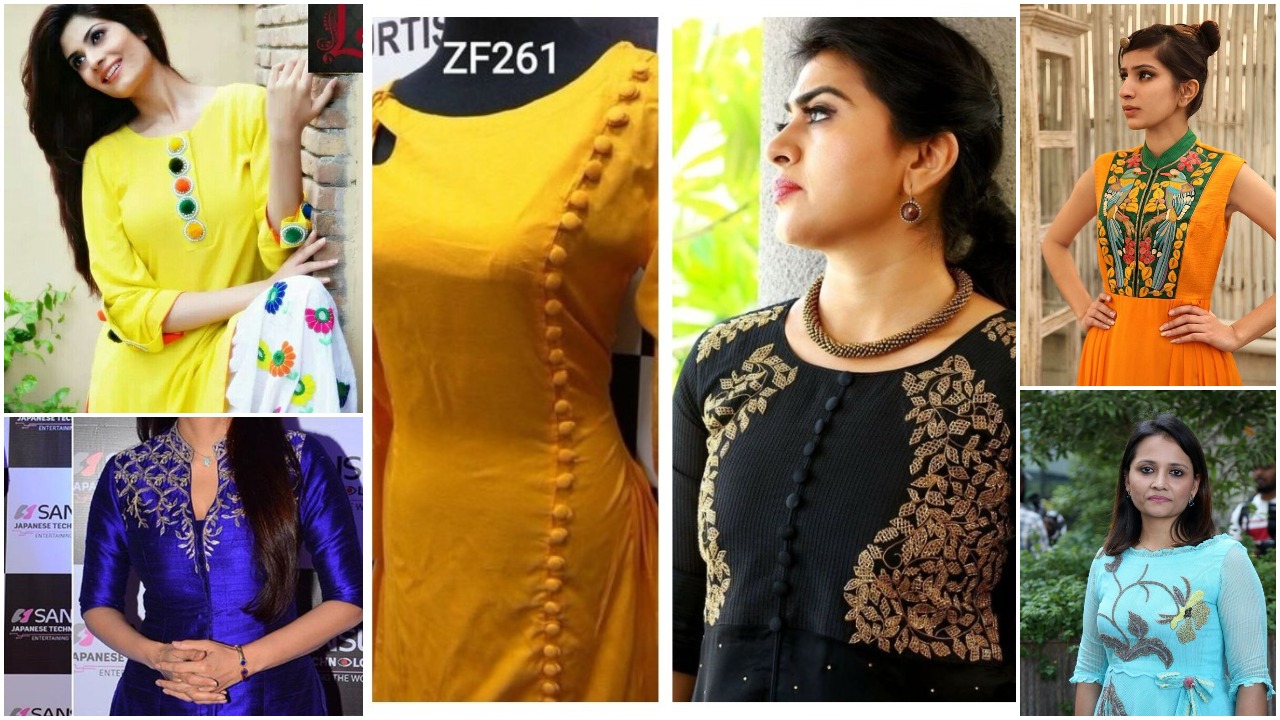
Kurtas and Kurtis were conducive to the hot and humid climate of the regions in which they were worn – in the olden days, they were designed simply and did not bear any grand or intricate embellishments. Cotton was the most easily available fabric and was most commonly used to make kurtis.
Ethnic wear is getting a modern makeover! The latest designer kurtas are masterpieces that blend traditional craftsmanship with contemporary silhouettes. It’s all about making a statement.
2025’s Defining Trends:
Architectural Sleeves: Designers are playing with volume and structure. Think exaggerated puff sleeves, sleek leg-of-mutton shapes, and dramatic bell sleeves that become the focal point of the outfit.
Asymmetrical Draping: Draped hemlines, off-shoulder necklines, and clever fabric manipulation are creating visually stunning, one-of-a-kind pieces.
Sustainable Embellishment: While embroidery is still key, there’s a move towards artisanal, handcrafted details over machine work. Think hand-block printing, shibori tie-dye, and delicate gota patti work. This shift towards sustainable and handmade details, as highlighted in Vogue India’s recent coverage, adds a story and soul to the garment.
These kurtas are wearable art, designed for the confident, modern woman who values her heritage but lives in the present.