“Digital manners are the good habits we follow while using the internet. Being polite, kind, and careful with our words helps everyone feel safe and respected online. Simple actions like writing friendly messages and protecting privacy create a positive space where people can learn, share, and communicate happily together.”
5 Pointers on ‘Importance of Digital Manners’
- Digital manners mean being polite and respectful online.
- They help prevent arguments, bullying, and misunderstandings.
- Using good manners online makes communication safe and friendly.
- Digital manners include kind messages, proper language, and respect for privacy.
- Practicing digital manners teaches responsibility and respect for others.
‘Importance of Digital Manners’ Paragraph Writing
Hamburger Paragraph on ‘Importance of Digital Manners’ (Free Template)

Topic Sentence : One day in school, we had a special lesson about digital manners. It was important because we use phones, tablets, and computers every day.
Details 1 : The day began with our teacher talking about how to behave online. She told us that digital manners mean being kind and polite on the internet. We learned that words can hurt people even when written on a screen.
Details 2 : We watched fun videos about chatting nicely and staying safe online. We learned not to bully others and not to share personal information. We also practiced writing polite messages to our friends.
Details 3 : I felt happy because I learned how to be a good digital user. I understood that respecting others online is very important. The lesson taught me to use technology wisely and safely.
Concluding Statement : This day will always be remembered because it taught me an important life lesson. I will always try to follow good digital manners while using the internet.
Short Paragraph on ‘Importance of Digital Manners’ – 50 Words for Grade 4
Digital manners mean being polite and kind online. We should use respectful words, avoid bullying, and protect privacy. Writing nice messages and helping others make the internet safe. Good digital manners teach responsibility and respect. Every child should practice digital manners while using the internet.
Long Paragraph on ‘Importance of Digital Manners’ – 100 Words for Grade 5

Digital manners are the rules we follow while using phones, tablets, and computers. They help us stay safe and respectful online. We should use polite words when chatting or posting. We must not bully or hurt others on the internet. It is important to keep our personal information private. We should ask before sharing pictures of others. Good digital manners help us make friends and build trust. They also teach us to use technology wisely. When we follow digital manners, the online world becomes a safe and friendly place for everyone.
‘Importance of Digital Manners’ Essay Writing
‘Importance of Digital Manners’ – 150 to 200 Words Essay for Grades 6 to 8 Students
Digital manners, or “netiquette,” are the rules for being kind and respectful online, just like you are in person. Since people can’t see your face or hear your tone in a text or comment, your words need to be extra clear and polite. Saying “please” and “thank you” and using emojis thoughtfully can help prevent misunderstandings.
Good digital manners show you respect others. This means not flooding friends with messages, asking before posting a photo of them, and never spreading rumors. It also means being brave enough to stand up against cyberbullying by reporting mean behavior. Remember, there’s a real person with feelings behind every screen name and profile picture. By treating them with the same respect you’d want, you help make the internet a friendlier and safer place for everyone to learn, play, and connect.
‘Importance of Digital Manners’ – 300 Words Essay for Grades 9 & 10 Students

The internet connects us with friends, family, and people all over the world. But because we’re not in the same room, we need a special set of good manners—called digital manners or netiquette—to communicate clearly and kindly. These rules are the secret to making online spaces positive and welcoming for everyone.
First, digital manners are crucial because our words can be misunderstood online. Without a smile or a friendly voice, a short message like “Fine” can seem angry or sad. Taking an extra moment to write “That’s fine with me, thanks!” makes your meaning clear. Always use polite language, avoid typing in ALL CAPS (which feels like shouting), and remember that jokes can fall flat without tone of voice.
Second, good manners protect people’s feelings and privacy. Before you share a funny picture of a friend, ask for their permission. If you wouldn’t say something to someone’s face in the cafeteria, don’t post it in a comment. Being respectful also means not interrupting real-life conversations to check your phone and giving people time to reply to your messages instead of demanding an instant answer.
Finally, good digital manners help you be a better friend and citizen. They mean standing up against bullying by reporting mean posts instead of sharing them. They mean checking facts before you share a surprising story so you don’t spread misinformation. When everyone uses good digital manners, the internet becomes less like a noisy, confusing crowd and more like a friendly community where everyone feels safe to share ideas, learn new things, and have fun together.
Related Essay & Paragraph Topic
- Being Polite Online
- Respecting Others on the Internet
- How to Practice Good Digital Manners
- Safe and Kind Communication Online
- Learning Responsibility with Digital Manners
You May like this:
Staying Hopeful In Difficulty
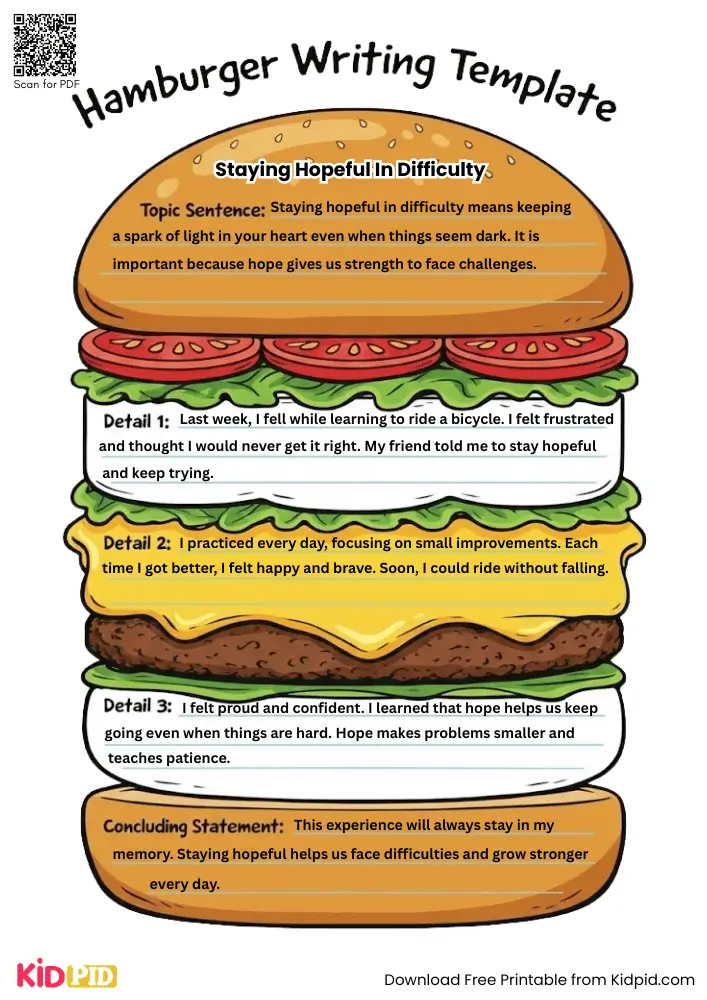
Hope during challenges builds emotional strength, optimism, and perseverance. Maintaining a positive outlook helps reduce stress, inspires solutions, strengthens mental resilience, and encourages individuals to keep moving forward despite setbacks and uncertainties.
Learning Courage Gradually
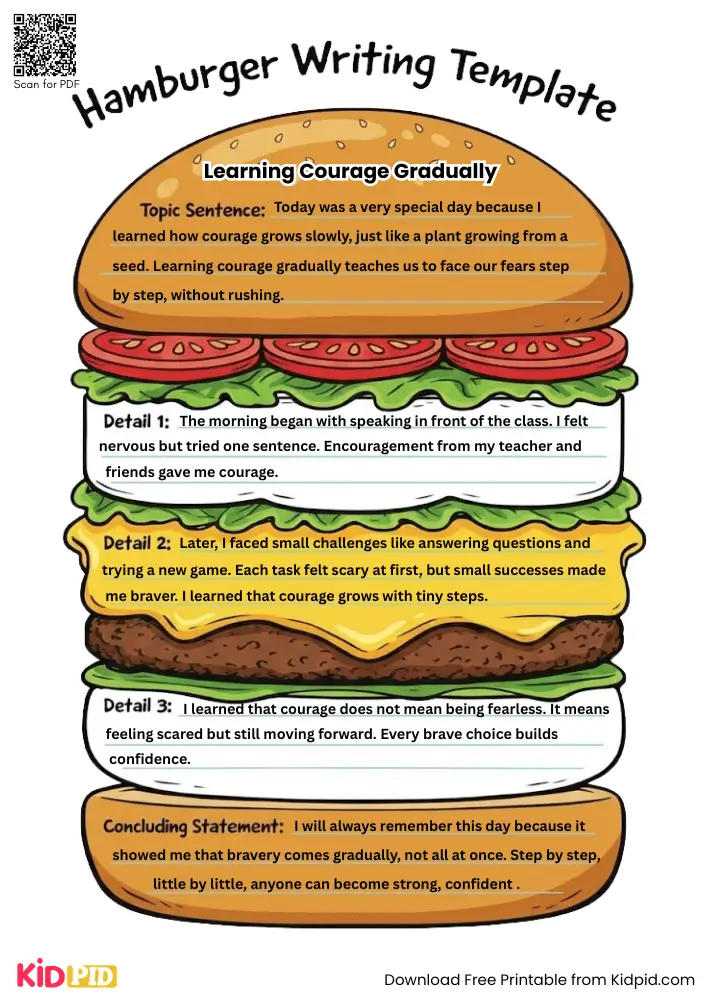
Courage grows through small actions, persistence, and confidence-building experiences. Facing minor challenges regularly strengthens bravery, reduces fear, and encourages personal development, empowering individuals to tackle bigger obstacles with determination and self-belief.
Handling Criticism Positively
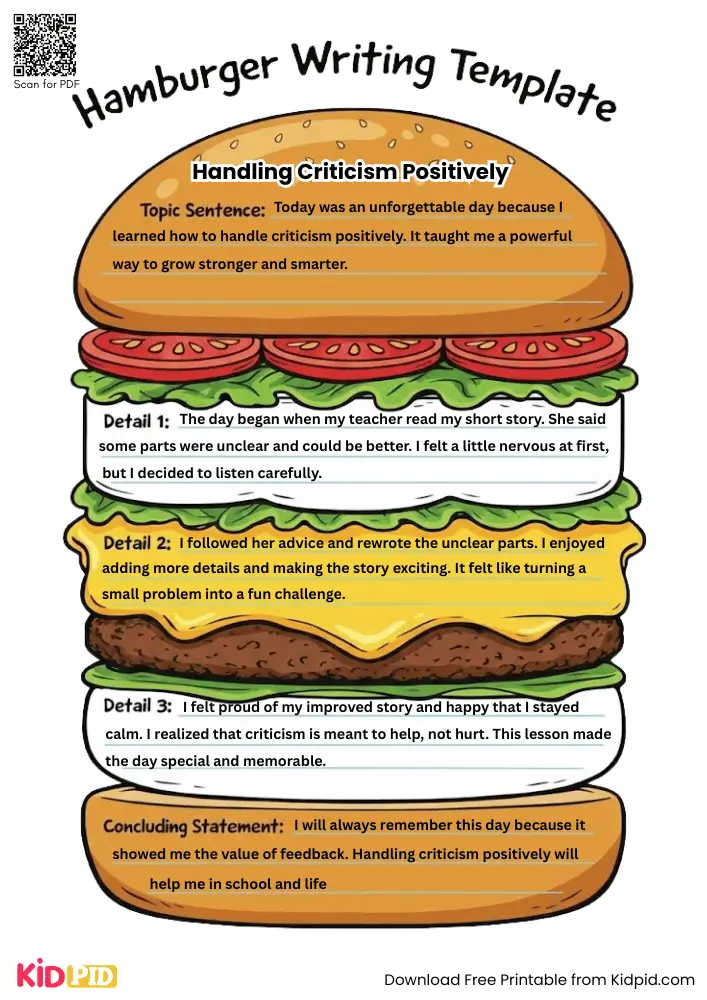
Constructive criticism supports self-improvement, growth mindset, and skill development. Accepting feedback calmly helps build emotional maturity, enhance performance, strengthen resilience, and transform negative comments into opportunities for learning and progress.
Helping People In Need

Helping others builds compassion, kindness, and social harmony. Acts of service strengthen communities, improve relationships, encourage empathy, and promote a culture of generosity, cooperation, and shared responsibility for collective well-being.
Treating Everyone Equally
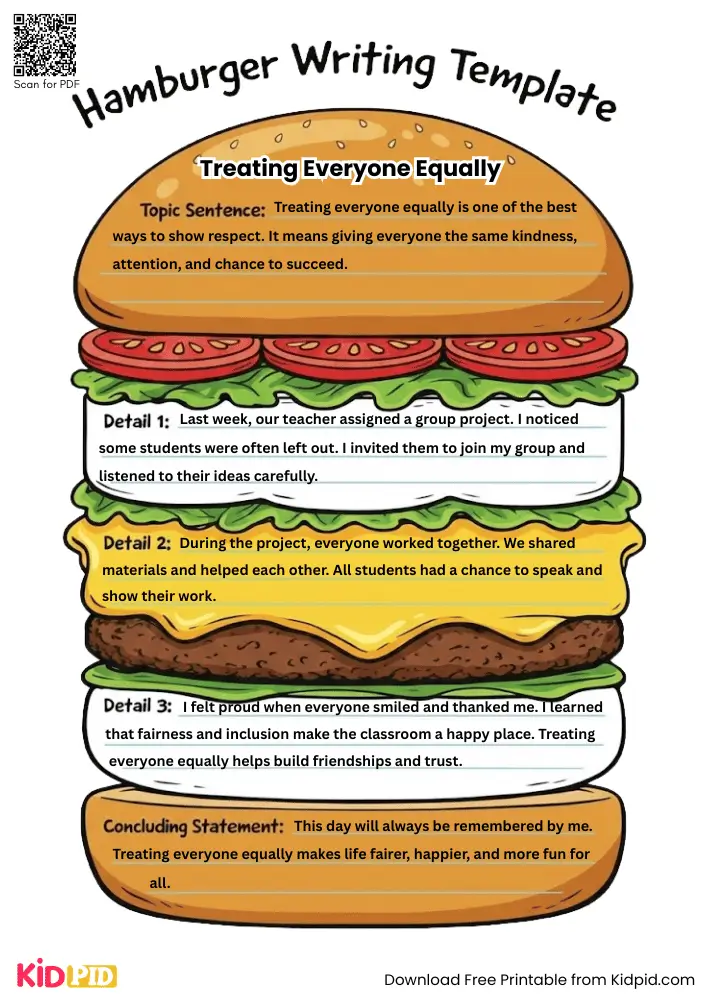
Equality promotes fairness, justice, and social harmony. Treating everyone with respect strengthens inclusive communities, builds trust, reduces discrimination, and supports ethical values essential for a balanced and progressive society.