“Environmental duty means taking care of our planet every day. By keeping our surroundings clean, saving water and electricity, planting trees, and protecting animals, children can make a big difference. Simple daily actions help reduce pollution, preserve nature, and keep the Earth healthy, green, and safe for everyone.”
5 Pointers on ‘Environmental Duty’
- Environmental duty means taking care of nature and the Earth.
- It includes keeping surroundings clean and reducing pollution.
- Saving water, electricity, and other resources is part of this duty.
- Planting trees and protecting animals are important responsibilities.
- Small daily actions by children help protect the environment.
‘Environmental Duty’ Paragraph Writing
Hamburger Paragraph on ‘Environmental Duty’ (Free Template)
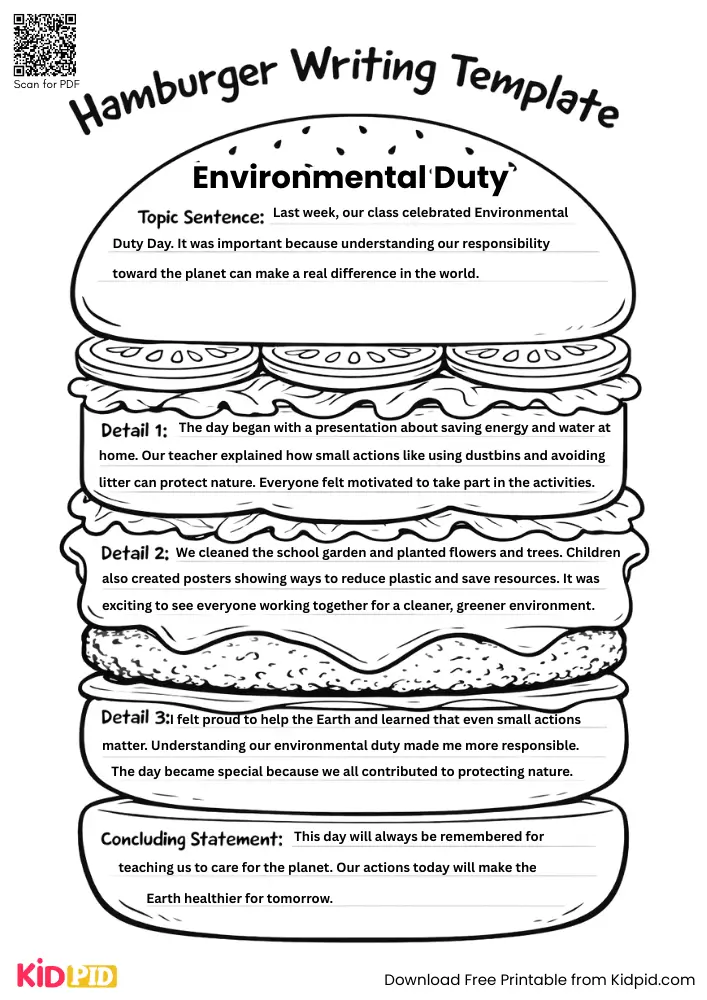
Topic Sentence: Last week, our class celebrated Environmental Duty Day. It was important because understanding our responsibility toward the planet can make a real difference in the world.
Details 1: The day began with a presentation about saving energy and water at home. Our teacher explained how small actions like using dustbins and avoiding litter can protect nature. Everyone felt motivated to take part in the activities.
Details 2: We cleaned the school garden and planted flowers and trees. Children also created posters showing ways to reduce plastic and save resources. It was exciting to see everyone working together for a cleaner, greener environment.
Details 3: I felt proud to help the Earth and learned that even small actions matter. Understanding our environmental duty made me more responsible. The day became special because we all contributed to protecting nature.
Concluding Statement: This day will always be remembered for teaching us to care for the planet. Our actions today will make the Earth healthier for tomorrow.
Short Paragraph on ‘Environmental Duty’ – 50 Words for Grades 3 to 4
Environmental duty means caring for nature and the Earth. Children should keep surroundings clean, save water and electricity, plant trees, and protect animals. Small daily actions help reduce pollution and keep the Earth clean, green, and healthy for everyone.
Long Paragraph on ‘Environmental Duty’ – 100 Words for Grade 5
Environmental duty means taking care of the Earth and everything living in it. Nature gives us air, water, food, and shelter. Children can help by keeping their surroundings clean and using dustbins. Saving water and electricity is important. Planting trees and caring for plants makes the environment healthy. Being kind to animals and birds protects nature. Avoiding plastic and reducing waste also help the Earth. Following environmental duty teaches responsibility. When children do small good actions every day, they help keep the Earth clean, green, and safe for the future.
‘Environmental Duty’ Essay Writing
‘Environmental Duty’ – 150 to 200 Words Essay for Grades 6 to 7 Students
Your environmental duty is an important job as a citizen of Planet Earth. It means understanding that the planet’s health is in your hands, too, and taking action to protect it. This duty isn’t a boring chore; it’s a way to care for our shared home and all the living things in it.
You can do your duty every day with simple choices. At home, you can save energy and water. Outdoors, you can protect nature by not littering and by respecting wildlife. A big part of your duty is being mindful of what you use and throw away. Choosing a reusable lunchbox over plastic bags, or borrowing a book from the library instead of buying a new one, helps a lot. By accepting this duty, you become a protector. You help ensure there will be clean air to breathe, fresh water to drink, and beautiful wild places to explore for you and for all the kids who come after you.
‘ Environmental Duty’ – 300 Words Essay for Grades 8 to 9 Students
Imagine Earth as a magnificent spaceship sailing through the universe. Everyone on board has a job to keep it running smoothly—that job is your environmental duty. It’s the responsibility we all share to maintain the ship’s systems: its clean air, fresh water, fertile soil, and healthy ecosystems. This duty is not optional; it’s essential for our survival and the survival of every other creature on board.
Fulfilling this duty means being proactive, not just avoiding harm. It starts with conscious daily habits. Every time you turn off a light, you reduce the need to burn polluting fuels. When you use a reusable water bottle, you prevent plastic from choking oceans. Separating your trash into recycling and compost is like sorting the ship’s supplies so they can be used again instead of becoming useless waste. Your duty extends outdoors, where you must be a respectful guest in nature’s home, following the “leave no trace” principle.
Perhaps the most powerful part of your environmental duty is using your voice and influence. You can teach your family about recycling, choose to buy from companies that care for the planet, and even write to leaders about protecting a local park. Environmental duty connects your small actions to global health. By doing your part, you help clean the ship’s air filters (our forests), protect its water supply (our rivers and oceans), and safeguard its food production (our soil).
Accepting this duty makes you a planetary guardian. It gives your actions purpose and connects you to a global team of protectors. It ensures our spaceship remains a vibrant, life-filled home, not just for today’s crew, but for the many generations of explorers yet to come. Your duty is a promise to the future, and it starts with your very next choice.
Related Essay & Paragraph Topics
- Importance of Environmental Duty
- How Children Can Protect the Earth
- Small Steps to Fulfill Environmental Duty
- Caring for Nature Every Day
- Keeping Our Planet Clean and Green
You May like this:
Role Of Attention In Classroom Learning
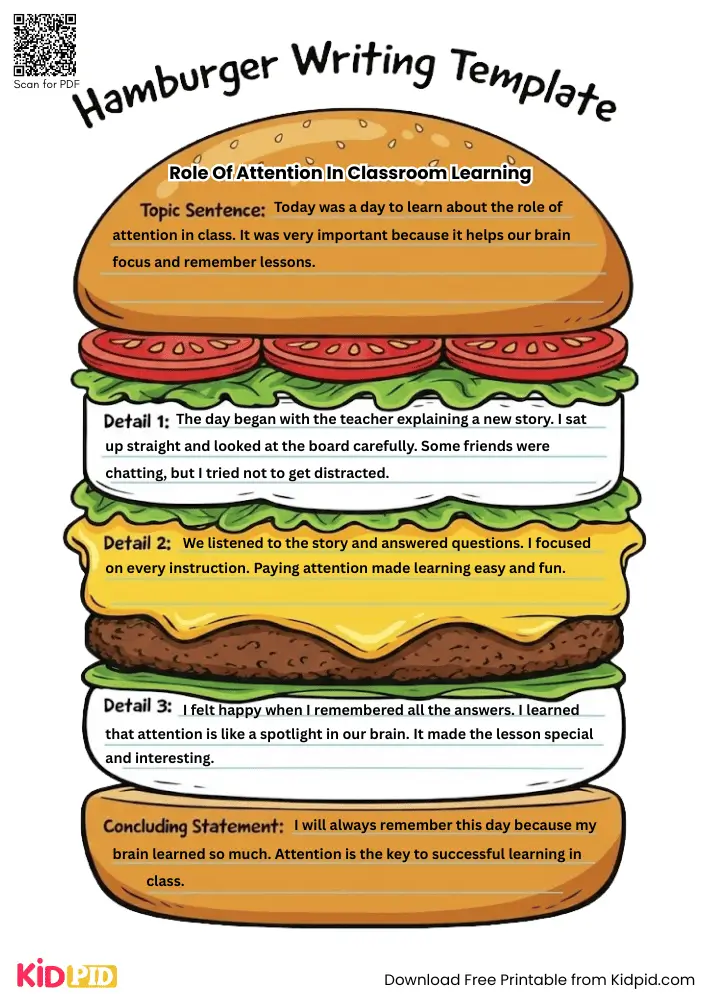
Explains how paying attention in class improves understanding, memory, and academic performance. Encourages focus, active listening, and disciplined learning habits.
How School Teaches Life Skills

Explains how school develops life skills like teamwork, discipline, responsibility, and communication. Promotes holistic learning beyond textbooks.
Learning Respect Through School Behavior
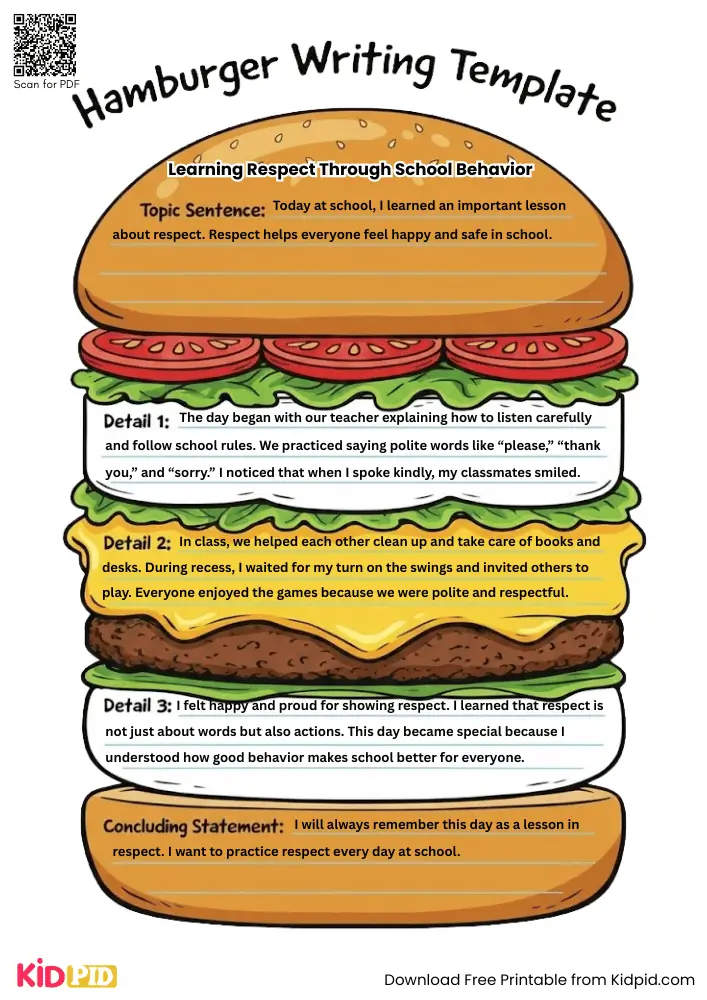
Explores how school behavior teaches respect for teachers, classmates, and rules. Promotes kindness, discipline, and positive character development.
Importance Of Self-Study Habits

Explains how self-study builds independent learning, deeper understanding, and academic improvement. Encourages discipline, curiosity, and consistent learning habits.
Role Of Responsibility In Student Life
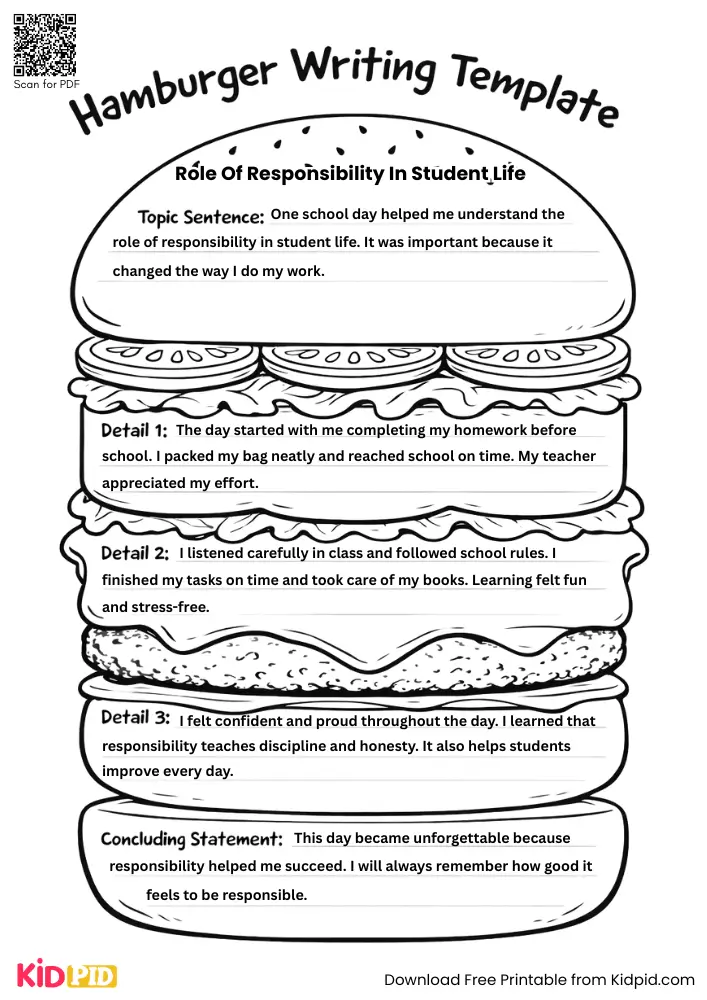
Explores how responsibility helps students manage studies, tasks, and behavior. Promotes accountability, discipline, and personal growth in education.