Respecting rules even when alone teaches children honesty, responsibility, and self-discipline. Following rules without supervision builds strong character and ensures safety at home, at school, and outside. Children who learn this habit early develop good judgment, gain trust from others, and grow into dependable, responsible, and mature individuals.
5 Pointers on ‘Respecting Rules Even When Alone’
- Following rules even when no one is watching shows true honesty.
- It builds self-discipline and responsibility in children.
- Respecting rules ensures safety and prevents problems.
- Good habits formed alone help in school, home, and community life.
- Respecting rules privately strengthens character and earns trust from others.
‘Respecting Rules Even When Alone’ Paragraph Writing
Hamburger Paragraph on ‘Respecting Rules Even When Alone’ (Free Template)

Topic Sentence: Today was a special day because I learned how important it is to respect rules even when alone. Following rules helps us stay safe and be honest.
Details 1: In the morning, I was playing in the park by myself. I remembered not to run near the slides. I stayed careful and followed the rules.
Details 2: Later, I cleaned up my toys after playing. I did not need anyone to tell me. It felt nice to do the right thing on my own.
Details 3: I felt proud of myself for being responsible. I learned that rules help us stay safe. This made my day very special.
Concluding Statement: I will always remember this day because it taught me to follow rules even when no one is watching. It made me feel honest and strong.
Short Paragraph on ‘Respecting Rules Even When Alone’ – 50 Words for Grade 4
Respecting rules even when alone shows honesty and self-discipline. Children who follow rules without supervision develop responsibility and good habits. It keeps them safe and teaches them to make the right choices. Following rules privately builds strong character and earns the trust and respect of parents, teachers, and friends.
Long Paragraph on ‘Respecting Rules Even When Alone’ – 100 Words for Grade 5

Respecting rules even when no one is watching is very important. It shows that children are honest, responsible, and disciplined. Rules at home, school, and outside keep children safe and organized. Following rules alone, like not running indoors or cleaning after yourself, helps develop self-control and maturity. Parents and teachers can encourage this by explaining why rules matter. Children who respect rules privately form strong habits, gain trust, and build character. Learning to follow rules even when alone prepares children to make good choices in life and grow into responsible and reliable adults.
‘Respecting Rules Even When Alone’ Essay Writing
‘Respecting Rules Even When Alone’—150 to 200 Words Essay for Grades 6 to 8 Students
Respecting rules even when you are alone is one of the most important ways to show you have strong character and integrity. It means you do the right thing not because you are afraid of getting in trouble, but because you know it is the right thing. For example, you might pick up litter in the park even if no one sees you, or you might turn off a dripping tap to save water. This shows you respect your community and the planet.
When you follow rules alone, you also protect yourself. Safety rules, like not playing with matches or looking both ways before crossing a quiet street, are there for your protection at all times. Choosing to follow them shows you are smart and responsible. It builds self-respect because you know you can trust yourself to make good choices. Respecting rules when alone proves your honesty and builds a powerful inner strength that guides you even when others aren’t there to remind you.
‘Respecting Rules Even When Alone’ – 300 Words Essay for Grades 9 to 10 Students

Respecting rules even when you are completely alone is the ultimate test of your integrity and character. It’s easy to follow instructions when a teacher, parent, or coach is watching. But the real measure of who you are is what you choose to do when you think no one will ever know. This practice is called having integrity, and it is like having an honest compass inside your heart that always points toward what is right.
There are many important reasons for this. First, many rules exist for safety and well-being. Wearing a helmet while biking alone, not opening the door to strangers, or avoiding dangerous shortcuts are rules that protect you, regardless of whether someone is there to supervise. Your own safety is worth more than cutting a corner. Second, rules often protect our shared world and community. Throwing trash in a bin instead of on the ground, turning off lights to save energy, or being quiet in a library hallway—these actions show you care about others and the environment, even in their absence.
When you make the choice to follow rules alone, you accomplish something powerful: you build self-trust and inner strength. You prove to yourself that you are a person of your word, responsible and reliable. This self-respect is the foundation of confidence. It also strengthens your “inner compass,” making it easier to make good choices in bigger situations, like standing up to peer pressure or choosing honesty on a test. Ultimately, respecting rules when alone isn’t about restriction; it’s about freedom—the freedom that comes from knowing you are a person of strong, honest, and admirable character, all on your own
Related Essay & Paragraph Topics
- Why Following Rules Alone Shows Character
- Learning Self-Discipline by Respecting Rules
- Honesty and Responsibility When No One is Watching
- How Rules Keep Us Safe and Organized
- Building Strong Character by Respecting Rules
You May like this:
Managing Anger Calmly
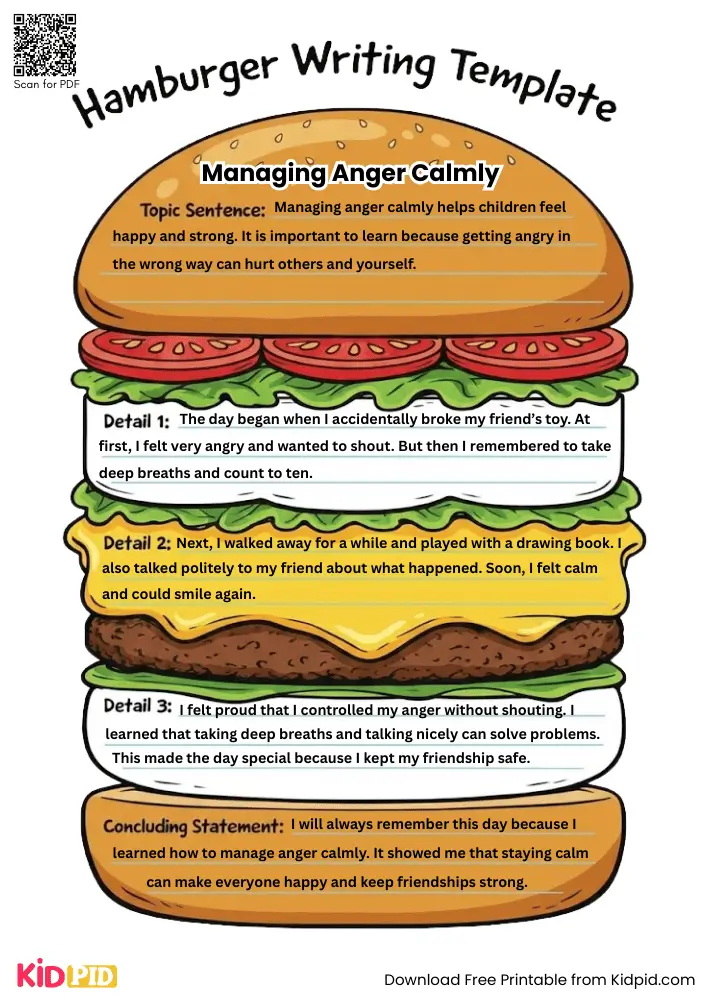
Calm anger management promotes emotional balance, healthy communication, and self-control. Techniques like deep breathing, reflection, and patience reduce conflict, improve relationships, and support mental well-being.
Importance Of Routine

A structured routine improves discipline, productivity, and mental clarity. Regular schedules support time management, reduce stress, and help individuals maintain balance, focus, and consistency in daily life for long-term personal and academic success.
Managing Time Wisely

Wise time management improves productivity, balance, and success. Prioritizing tasks, avoiding procrastination, and planning schedules help individuals achieve goals efficiently.
Practicing Self-Control

Self-control improves discipline, emotional balance, and decision-making. Managing impulses helps individuals stay focused, responsible, and successful in personal and social life.
Strength Of Togetherness

Togetherness builds unity, support, and resilience. Standing together during challenges strengthens relationships, promotes cooperation, and encourages collective success and emotional security.