Learning respect through actions helps children show kindness, care, and understanding. Simple acts like listening carefully, sharing, helping friends, and following rules teach respect in daily life. Respectful behavior makes friends, family, teachers, and classmates happy. Practicing respect every day helps children grow into responsible and caring adults.
5 Pointers on ‘Learning Respect Through Actions’
- Respect means treating everyone kindly, no matter who they are.
- Actions like listening carefully and speaking politely show respect.
- Helping others and sharing are ways to show respect.
- Respecting rules, elders, and classmates keeps schools and homes happy.
- Learning respect through actions helps children grow into responsible and caring adults.
‘Learning Respect Through Actions’ Paragraph Writing
Hamburger Paragraph on ‘Learning Respect Through Actions’ (Free Template)
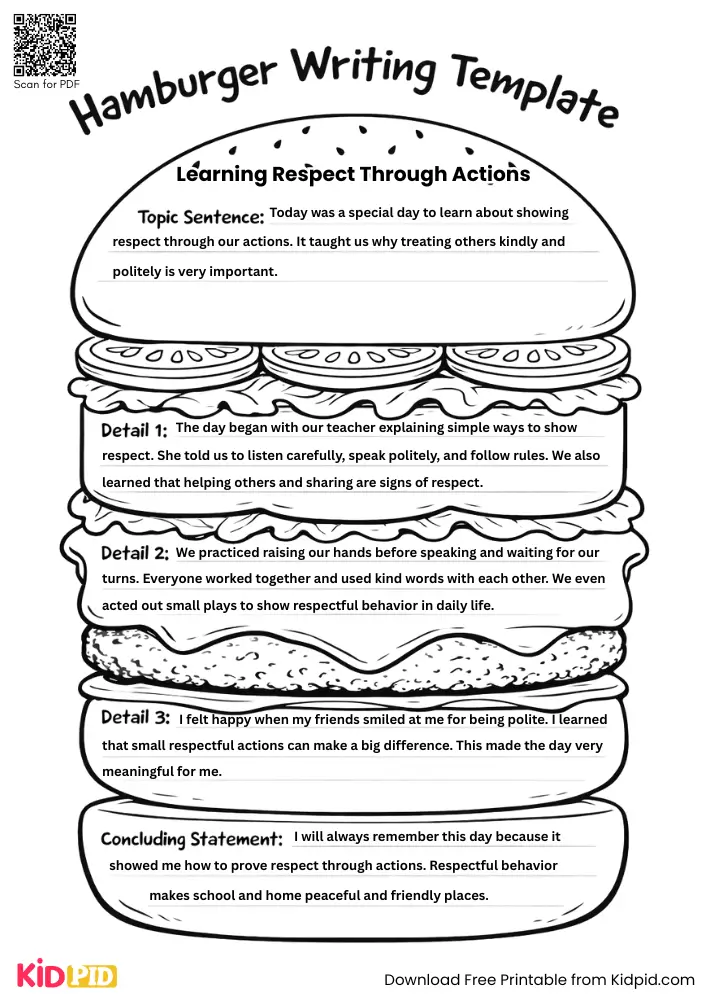
Topic Sentence: Today was a special day to learn about showing respect through our actions. It taught us why treating others kindly and politely is very important.
Detail 1: The day began with our teacher explaining simple ways to show respect. She told us to listen carefully, speak politely, and follow rules. We also learned that helping others and sharing are signs of respect.
Detail 2: We practiced raising our hands before speaking and waiting for our turns. Everyone worked together and used kind words with each other. We even acted out small plays to show respectful behavior in daily life.
Detail 3: I felt happy when my friends smiled at me for being polite. I learned that small respectful actions can make a big difference. This made the day very meaningful for me.
Concluding Statement: I will always remember this day because it showed me how to prove respect through actions. Respectful behavior makes school and home peaceful and friendly places.
Short Paragraph on ‘Learning Respect Through Actions’ – 50 Words for Grade 3
Learning respect through actions is very important. Children show respect by listening carefully, speaking politely, helping others, and following rules. Respect makes friends, teachers, and family happy. Actions of respect create safe, kind, and friendly schools, homes, and playgrounds. Respectful behavior helps children grow into caring and responsible adults.
Long Paragraph on ‘Learning Respect Through Actions’ – 100 Words for Grade 4
Respect is not just a word; it is shown through actions. Children can learn respect by listening to others, speaking politely, sharing, helping friends, and following rules at school and home. Respectful actions make friends, family, and teachers feel valued and happy. When children act with respect, schools and playgrounds become safe and friendly. Respect also helps children grow into responsible, kind, and confident adults. Small actions like saying “please” and “thank you,” helping a friend, or following rules are all ways to show respect. Learning respect through actions makes life happier and more peaceful for everyone.
‘Learning Respect Through Actions’ Essay Writing
‘Learning Respect Through Actions’ – 150 to 200 Words Essay for Grade 5 Student
Respect isn’t just a word we say; it’s something we do. We learn what it truly means by showing it with our actions every day. Think of it as the language of kindness that everyone understands.
You show respect when you listen patiently to a friend’s story without looking at your phone. You show it when you wait for your turn on the swings without pushing. You show it when you carefully handle a library book that others will read after you. These actions are like little messages that say, “I see you, and you matter.” They show you care about people’s feelings, their time, and the things you share. The amazing thing is that when you show respect through your actions, you almost always get it back. It makes friendships stronger, classrooms happier, and the whole world a more polite and pleasant place to be. So, don’t just talk about respect—let your actions do the talking!
‘Learning Respect Through Actions’ – 300 Words Essay for Grades 6 to 9 Students
Respect is a powerful feeling, but on its own, it can be invisible and hard to understand. How do we learn it? We learn it the best way possible: not by just hearing about it, but by doing it. Learning respect through actions is like learning to swim by getting in the water—it’s the practice that makes the concept real and meaningful.
Our actions are the proof of our respect. For example, saying “I respect my teacher” is just words. But when you show it by handing in your homework on time, listening during lessons, and following classroom rules, your actions make that respect visible and true. The same goes for friends. You can say they’re important to you, but you show it by standing up for them if someone is mean, by sharing your snacks, or by being happy for them when they succeed. Even respect for ourselves is shown through actions, like taking care of our bodies, trying our best, and not putting ourselves down.
These respectful actions create a positive chain reaction. When you hold the door for someone, they often smile and thank you and might hold the next door for another person. When you listen carefully, people feel heard and are more likely to listen to you in return. Actions like caring for a pet, helping a neighbor, or even putting your shopping cart back in its stall show respect for living things, people, and shared spaces. They build a habit of considering how your behavior affects the world around you.
Ultimately, a respectful action is a choice. It’s choosing kindness over indifference, patience over frustration, and responsibility over carelessness. Every time you make that choice, you are not only showing respect to others, but you are also training yourself to become a respectful person. You are building a reputation as someone who is kind, reliable, and thoughtful—and that is a character built on the solid foundation of action, not just words.
Related Essay & Paragraph Topics
- Showing Respect Through Words and Actions
- How Respect Makes Friends and Families Happy
- Small Actions That Teach Respect
- Respect in Schools, Homes, and Playgrounds
- Learning Patience and Kindness Through Respect
You May like this:
Saving Water In Daily Life
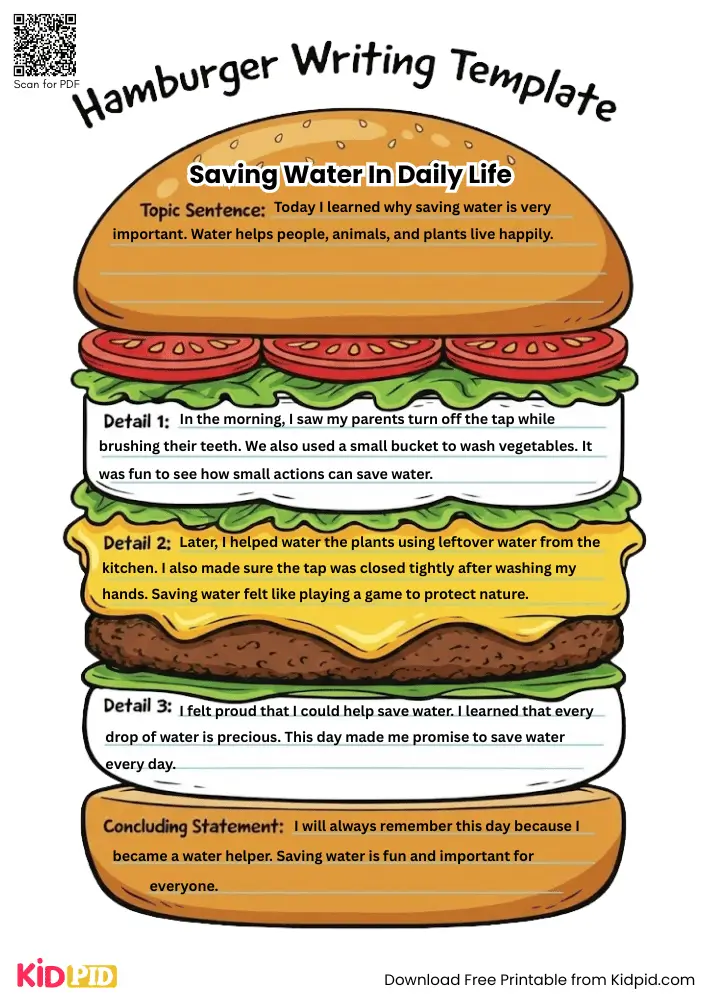
Saving water through mindful usage, fixing leaks, and conservation habits protects natural resources, supports agriculture, reduces shortages, and ensures sustainable living, making daily water conservation essential for environmental protection and future generations.
Effects Of Littering
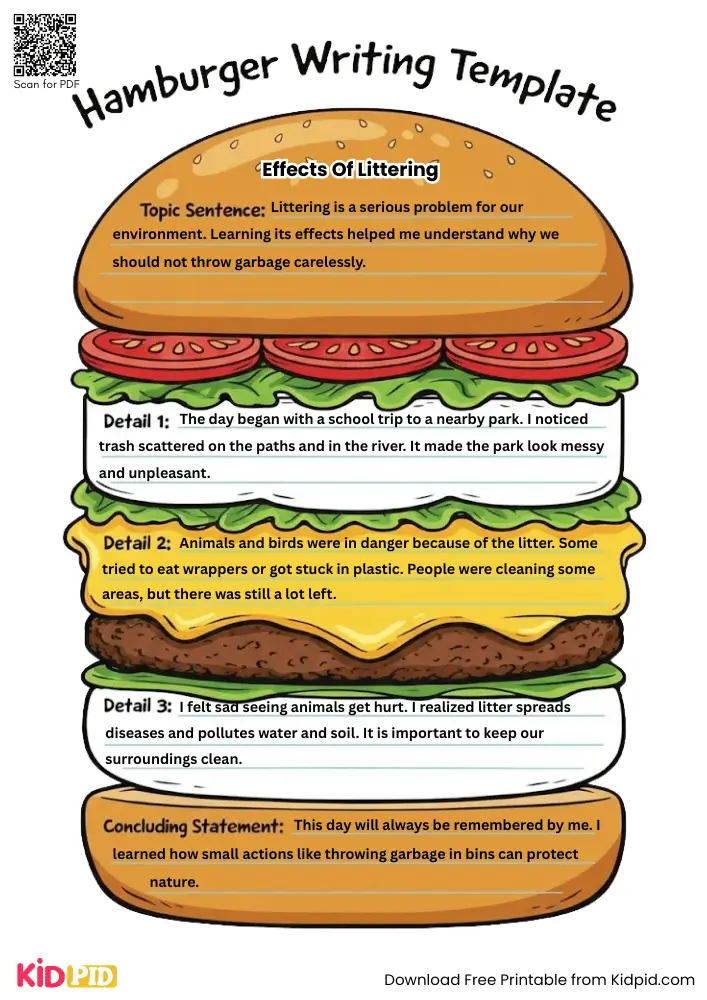
Littering causes pollution, spreads diseases, harms wildlife, blocks drainage, and damages ecosystems. Responsible waste disposal protects communities, improves hygiene, supports environmental sustainability, and keeps public spaces clean and safe.
Importance Of Clean Air
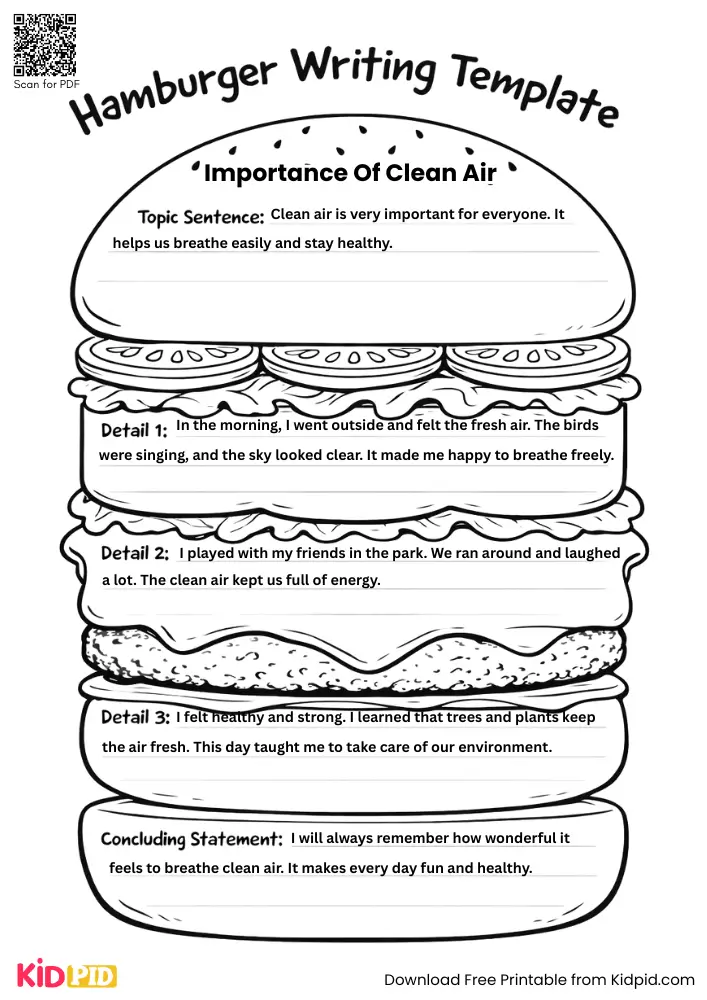
Clean air prevents respiratory diseases, supports healthy living, and protects ecosystems. Reducing pollution, planting trees, and controlling emissions improve air quality, ensuring safer environments, better health, and sustainable urban development.
Living In Harmony With Nature
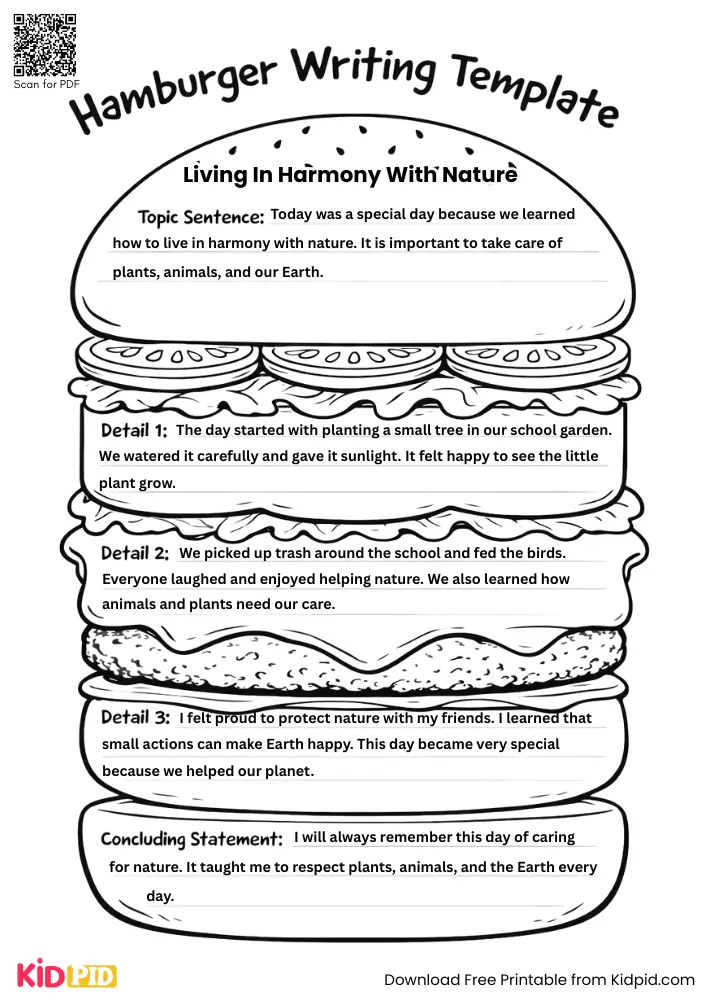
Living sustainably by conserving resources, respecting wildlife, and reducing waste supports ecological balance, climate stability, and human wellbeing, encouraging environmentally responsible lifestyles that ensure a healthy planet for future generations.
Protecting Rivers
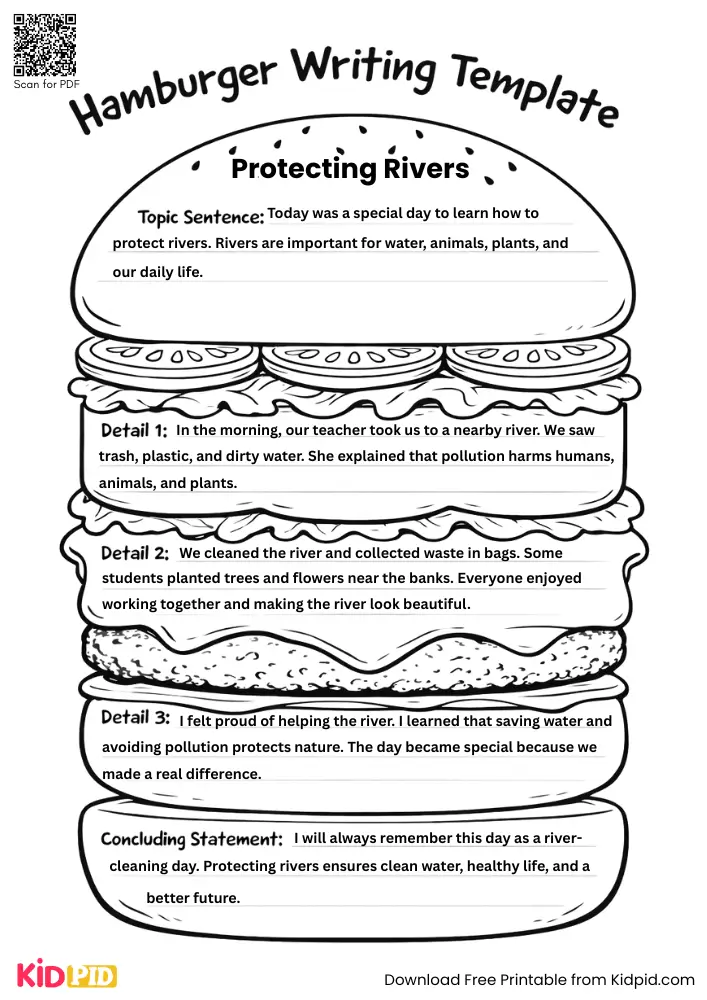
Protecting rivers by reducing pollution, conserving water, and restoring ecosystems ensures clean drinking water, biodiversity survival, and agricultural sustainability, making river conservation essential for environmental health and human life.