Learning discipline is like training your mind and habits step by step. When we practice regularly, whether in studies, sports, or daily routines, we become more focused, responsible, and patient. Discipline grows slowly, but with consistent effort, it helps us achieve goals and feel proud of ourselves.
5 Pointers on “Learning Discipline Through Practice”
- Discipline means following rules and doing tasks on time.
- Practice helps make discipline a habit in daily life.
- Small daily routines teach patience and responsibility.
- Staying focused during practice improves self-control.
- Discipline through practice leads to success and confidence.
‘Learning Discipline Through Practice’ Paragraph Writing
Hamburger Paragraph on ‘Learning Discipline Through Practice’ (Free Template)
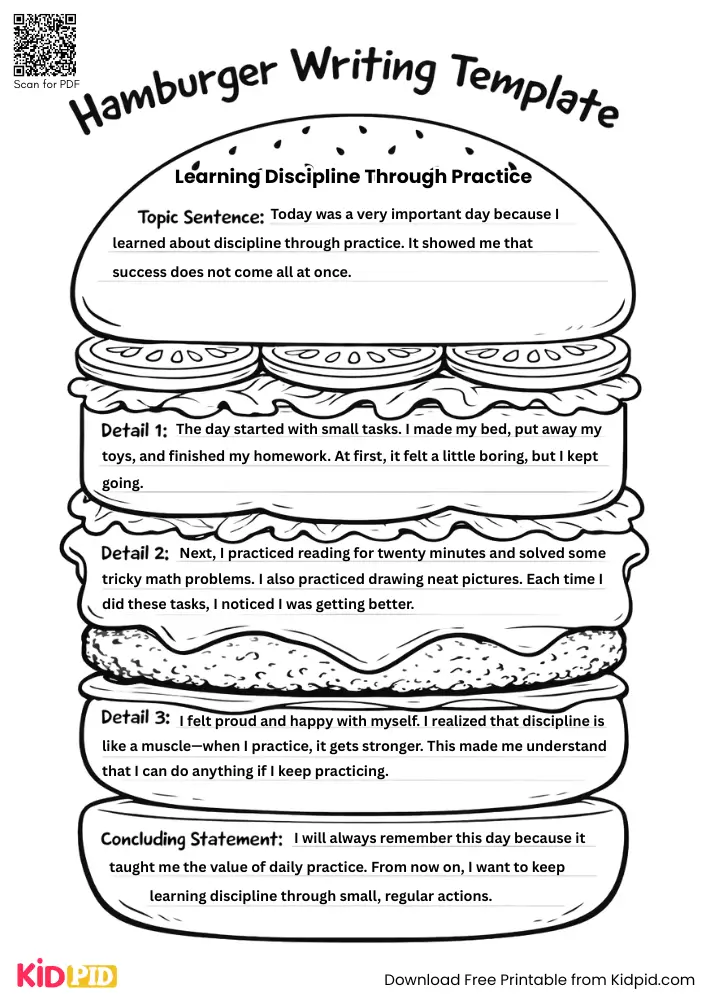
Topic Sentence: Today was a very important day because I learned about discipline through practice. It showed me that success does not come all at once.
Detail 1: The day started with small tasks. I made my bed, put away my toys, and finished my homework. At first, it felt a little boring, but I kept going.
Detail 2: Next, I practiced reading for twenty minutes and solved some tricky math problems. I also practiced drawing neat pictures. Each time I did these tasks, I noticed I was getting better.
Detail 3: I felt proud and happy with myself. I realized that discipline is like a muscle—when I practice, it gets stronger. This made me understand that I can do anything if I keep practicing.
Concluding Statement: I will always remember this day because it taught me the value of daily practice. From now on, I want to keep learning discipline through small, regular actions.
Short Paragraph on ‘Learning Discipline Through Practice’ – 50 Words for Grade 3
Learning discipline is like training a muscle. You practice every day. Do your homework first. Tidy your toys. These small habits build strength. It is not always easy, but it gets better. Soon, you will feel proud and strong. You can do anything with good discipline!
Long Paragraph on ‘Learning Discipline Through Practice’ – 100 Words for Grade 4
Learning discipline means building good habits through practice. Start with small, easy tasks. Make your bed each morning. Finish your homework before playing. Put your toys back in their box. Doing these things regularly is like practice for a superpower! At first, it might be hard, but don’t give up. Each time you do it, you get better. This practice helps you finish important work and reach your goals. You will feel organized, proud, and ready for bigger challenges. Remember, discipline is not about being perfect. It is about trying again every day. You can do it
‘Learning Discipline Through Practice’ Essay Writing
‘Learning Discipline Through Practice’ – 150 to 200 Words Essay for Grades 5 to 7 Students
Imagine you want to learn to ride a bicycle. The first time, you might wobble and even fall. But what do you do? You get back on and try again! Each time you practice, your balance gets better, your pedaling gets stronger, and soon you’re zooming down the street with the wind in your hair. This is how we learn discipline—through practice.
Discipline isn’t just about following rules; it’s about training yourself. When you practice something every day, like reading for 20 minutes, putting your toys away, or working on a tricky math problem, you are building a powerful skill. At first, it might feel hard to remember, or you might not feel like doing it. But each time you choose to do it, you get stronger at making the right choice. Just like a muscle, your self-control grows with exercise. Soon, these small acts of practice add up. You’ll find you can focus better, finish your projects, and feel proud of what you can accomplish. The practice itself is the lesson in discipline, teaching you that you can achieve amazing things one step at a time.
‘Learning Discipline Through Practice’ – 300 Words Essay for Grades 8 to 10 Students
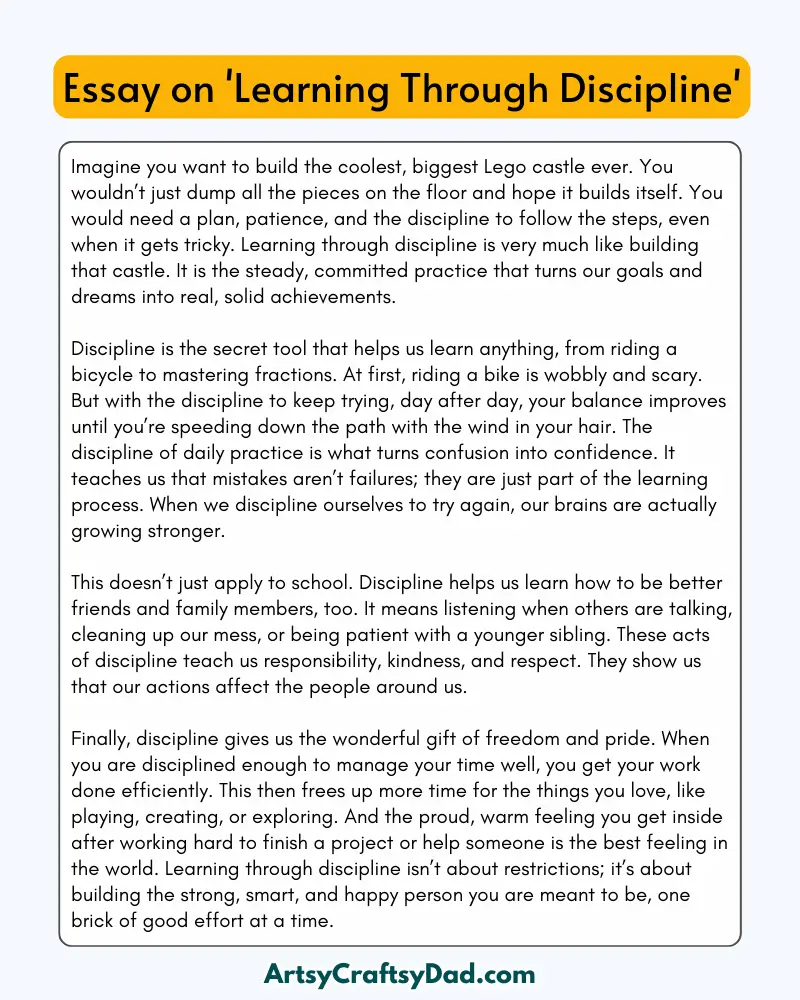
Have you ever watched a towering oak tree and wondered how it grew so big and strong? It didn’t happen overnight. It grew a little bit every single day, reaching its roots deep into the earth and stretching its branches toward the sun, rain, or shine. Our own discipline grows in the very same way—not by magic, but through daily practice.
Think of discipline as a superpower you are building inside yourself. Every time you practice something, you are adding a brick to your fortress of focus and strength. Let’s say you’re learning the piano. On Monday, your fingers feel clumsy on the keys. But you sit down for just fifteen minutes. You do the same on Tuesday and Wednesday. By Friday, that tricky scale is starting to sound smooth. You didn’t just learn the scale; you practiced the discipline of showing up, even when it was challenging. This practice is the secret ingredient!
This doesn’t mean you have to be perfect. In fact, making mistakes is a crucial part of the practice! If you forget to do your daily reading one night, the most disciplined thing you can do is not give up, but simply start again the next day. Getting back on track is the most important practice of all.
So, what can you practice? Start small! It could be making your bed as soon as you get up, organizing your school bag each evening, or spending ten minutes drawing. With each small act, you are telling your brain, “I can finish what I start.” You will begin to notice a wonderful feeling of pride and control. This is the gift of discipline—it turns “I have to” into “I did it!” and finally into “I can do anything I practice.” So begin your practice today, and watch your own mighty tree of discipline grow tall and strong.
Related Essay & Paragraph Topics
- The Power of Daily Habits in Building Discipline
- How Consistent Practice Shapes a Disciplined Mind
- Learning to Stay Focused
- The Role of Patience and Effort in Developing Discipline
- Lessons in Self-Control
You May like this:
Preparing For Challenges In Life
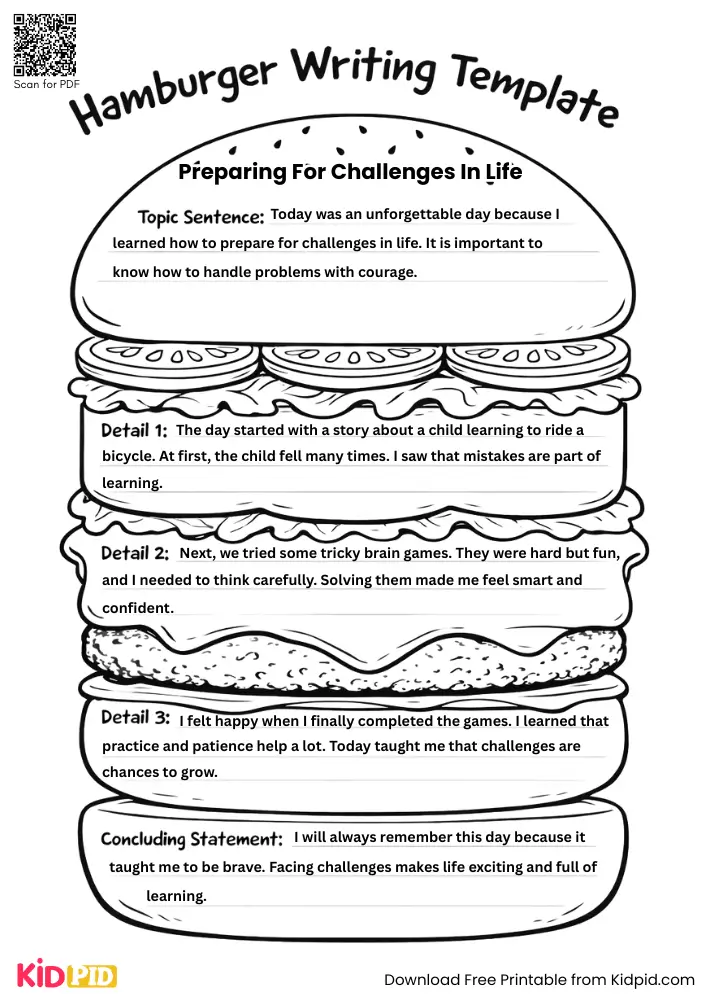
Learn why preparation and resilience help overcome life challenges. Promotes problem-solving skills, emotional strength, adaptability, and determination.
Life Skills For Independence

Understand essential life skills that build independence and responsibility. Promotes decision-making, problem-solving, self-management, and personal confidence.
Understanding Cause And Effect
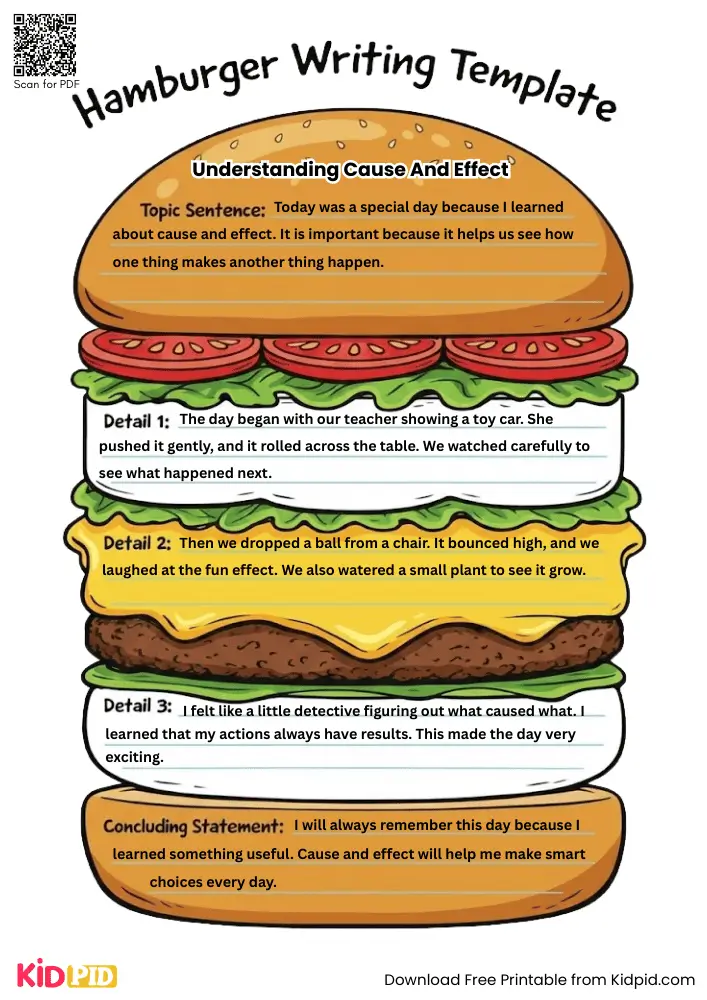
Discover how understanding cause and effect improves decision-making and problem-solving. Encourages logical thinking, responsibility for actions, and better life choices.
Learning From Real Situations
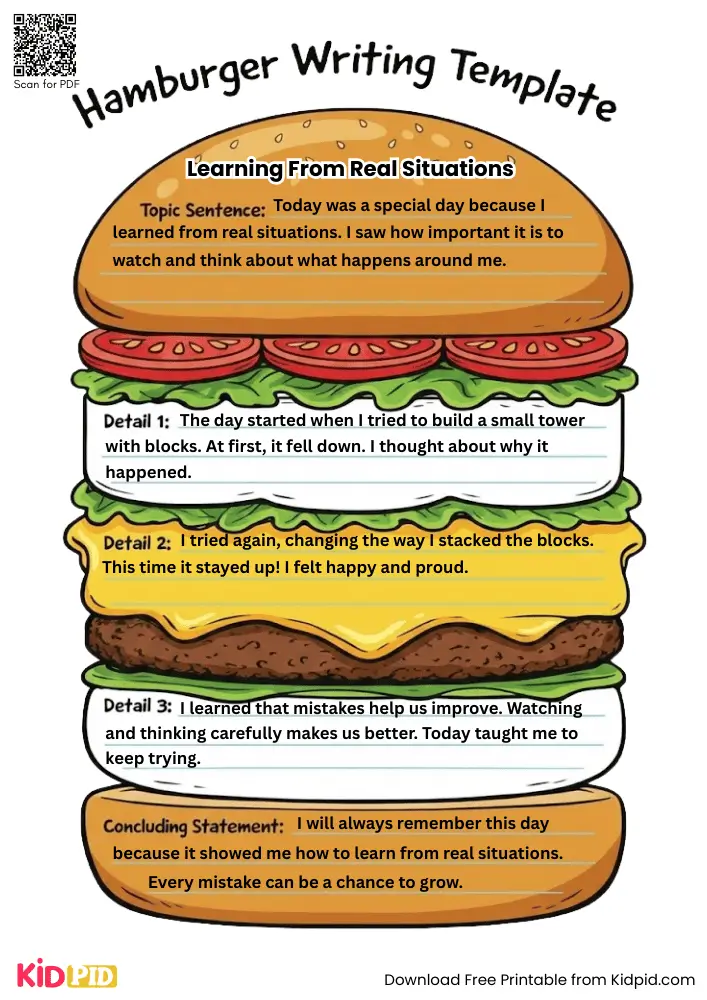
Discover how real-life situations provide valuable lessons and practical knowledge. Promotes problem-solving skills, critical thinking, personal growth, and learning through everyday experiences.
Understanding Consequences Of Actions

Learn why every action has consequences that shape decisions and outcomes. Encourages responsible behavior, thoughtful choices, accountability, and learning from mistakes.