Responsible digital communication means using phones, computers, and the internet in a kind and safe way. It helps us share ideas clearly, respect others, and avoid misunderstandings. By thinking before we type or send messages, we can make online spaces friendly, trustworthy, and fun for everyone.
5 Pointers on ‘Responsible Digital Communication’
- Use polite and kind words while messaging or emailing.
- Avoid sharing hurtful, rude, or mean messages online.
- Never share personal or private information with strangers.
- Think before sending messages, photos, or videos.
- Ask parents or teachers for guidance if unsure about online communication.
‘Responsible Digital Communication’ Paragraph Writing
Hamburger Paragraph on ‘Responsible Digital Communication’ (Free Template)
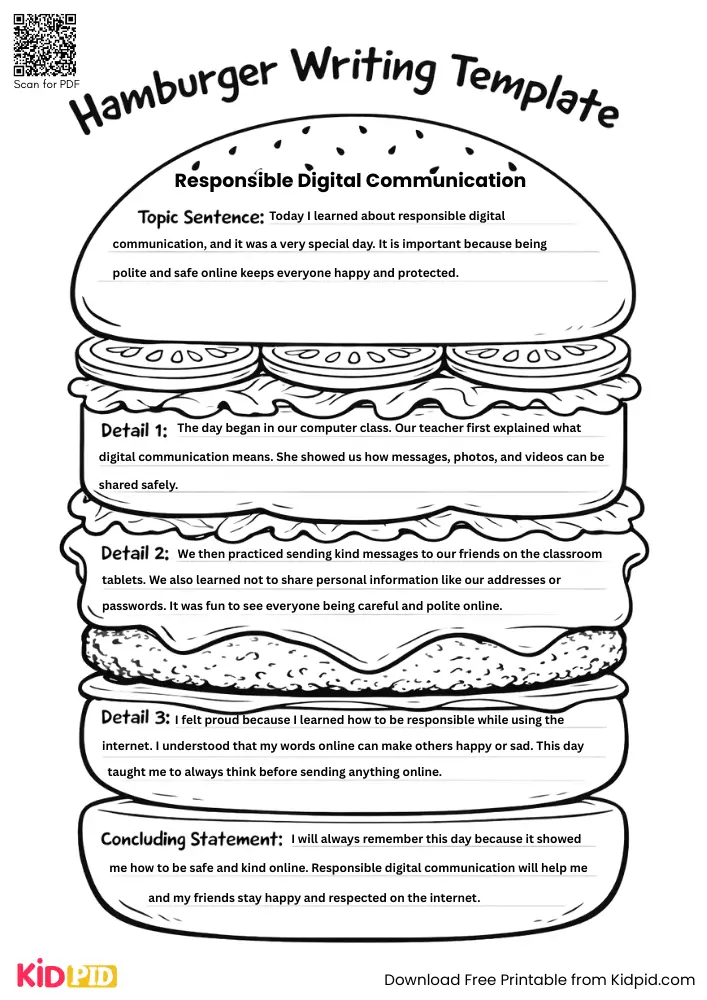
Topic Sentence : Today I learned about responsible digital communication, and it was a very special day. It is important because being polite and safe online keeps everyone happy and protected.
Details 1 : The day began in our computer class. Our teacher first explained what digital communication means. She showed us how messages, photos, and videos can be shared safely.
Details 2 : We then practiced sending kind messages to our friends on the classroom tablets. We also learned not to share personal information like our addresses or passwords. It was fun to see everyone being careful and polite online.
Details 3 : I felt proud because I learned how to be responsible while using the internet. I understood that my words online can make others happy or sad. This day taught me to always think before sending anything online.
Concluding Statement : I will always remember this day because it showed me how to be safe and kind online. Responsible digital communication will help me and my friends stay happy and respected on the internet.
Short Paragraph on ‘Responsible Digital Communication’ – 50 Words for Grade 4
Responsible digital communication means being polite, kind, and safe online. Children should use respectful words, avoid sharing personal information, and think before sending messages, photos, or videos. Asking parents for guidance helps. Responsible communication keeps children safe and teaches respect, honesty, and good online habits.
Long Paragraph on ‘Responsible Digital Communication’ – 100 Words for Grade 5

Responsible digital communication is very important for children. Using computers, tablets, or smartphones allows children to talk and share, but they should always be polite and safe. Hurtful words, mean messages, or sharing private information with strangers can cause problems. Children should think carefully before sending messages, photos, or videos. Parents and teachers can guide children on safe and kind communication. Responsible communication also teaches children respect, honesty, and self-control. Children who communicate responsibly online build good relationships, stay safe, and enjoy technology wisely, preparing them to be confident and thoughtful adults in the future.
‘Responsible Digital Communication’ Essay Writing
‘Responsible Digital Communication’ – 150 to 200 Words Essay for Grades 6 to 8 Students
Responsible digital communication is very important for children. Using gadgets and the internet allows children to talk, share, and learn. But online communication should always be safe, polite, and responsible.
Children should use kind and polite words when sending messages, emails, or chats. Hurtful or mean words can hurt others and create problems. Thinking before sending messages, photos, or videos ensures safety and respect. Children should never share personal information like addresses, phone numbers, or passwords with strangers.
Parents and teachers can guide children on how to communicate responsibly online. Responsible communication also means responding politely and avoiding arguments or rude behavior. Learning these habits helps children develop respect, honesty, and safety in the digital world.
When children practice responsible digital communication, they stay safe, respectful, and kind. It also helps them build positive relationships online. Using technology wisely for communication teaches children to be thoughtful and careful while enjoying the benefits of digital tools.
‘Responsible Digital Communication’ – 300 Words Essay for Grades 9 to 10 Students

In a world where we connect through screens as much as in person, responsible digital communication is a vital life skill. It’s the practice of using our devices to build up, inform, and connect, rather than to tear down, mislead, or harm. This responsibility rests on a few key principles that turn our online interactions into forces for good.
First and foremost is empathy. When we type a message, we miss the visual cues of a frown or a hurt look. Responsible communicators actively imagine how their words might be received. They avoid sarcasm that can be misinterpreted, harsh jokes, or language that could bully or exclude. They remember the golden rule: treat others online as you wish to be treated. Closely linked is the concept of our permanent digital footprint. Every post, comment, and like contributes to a public record of who we are. Responsible users ask, “Does this message represent the best version of me?” before sharing.
Furthermore, responsible communication requires integrity and critical thinking. The digital world is full of information, but not all of it is reliable. Being responsible means not forwarding shocking stories or funny memes without checking if they are true. It means refusing to participate in spreading gossip or hate. When we encounter disagreements—which are natural—responsible communicators focus on the issue, not the person. They express different views with respectful language, avoiding personal attacks and the aggressive tone that ALL CAPS can create.
By embracing these practices, we do more than just protect ourselves; we shape the online environment. We choose to be creators of a respectful digital culture. We use our power to type, post, and share to foster understanding, share genuine joy, offer support, and spread accurate information. This turns our digital spaces from potential zones of conflict into communities of collaboration and kindness, reflecting the very best of how humans can communicate.
Related Essay & Paragraph Topics
- Talking Politely Online
- Safe Messaging and Emails
- Using Technology Responsibly
- Respectful Digital Communication
- Thinking Before Sending Messages
You May like this:
Community Cleanliness Drives
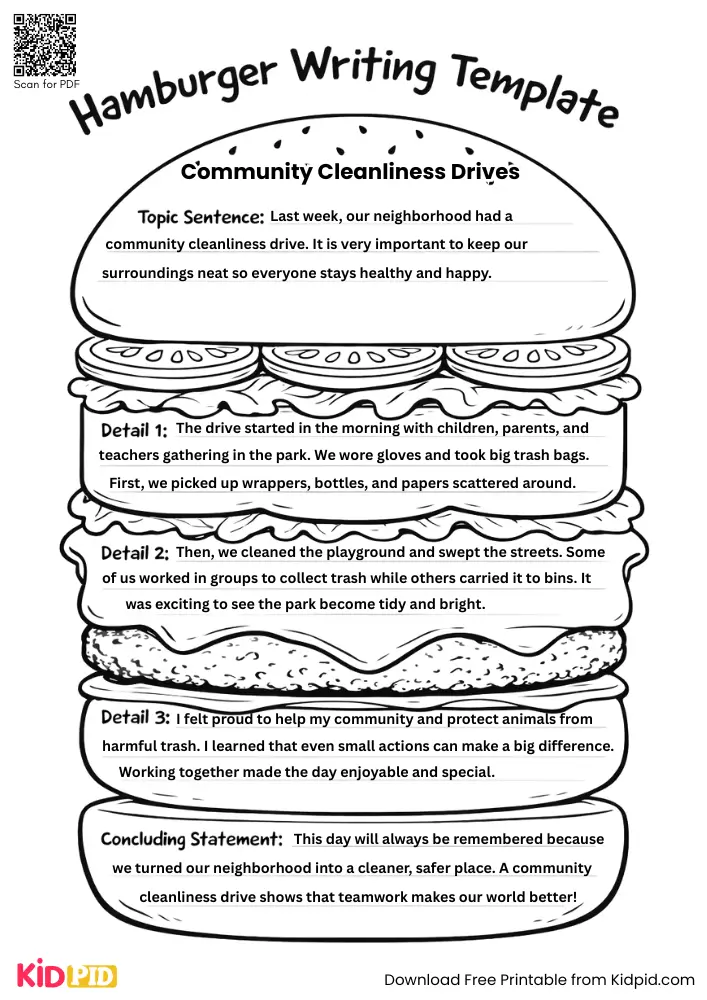
Community cleanliness drives improve hygiene, environmental protection, civic responsibility, teamwork, and public awareness.
Helping Underprivileged People
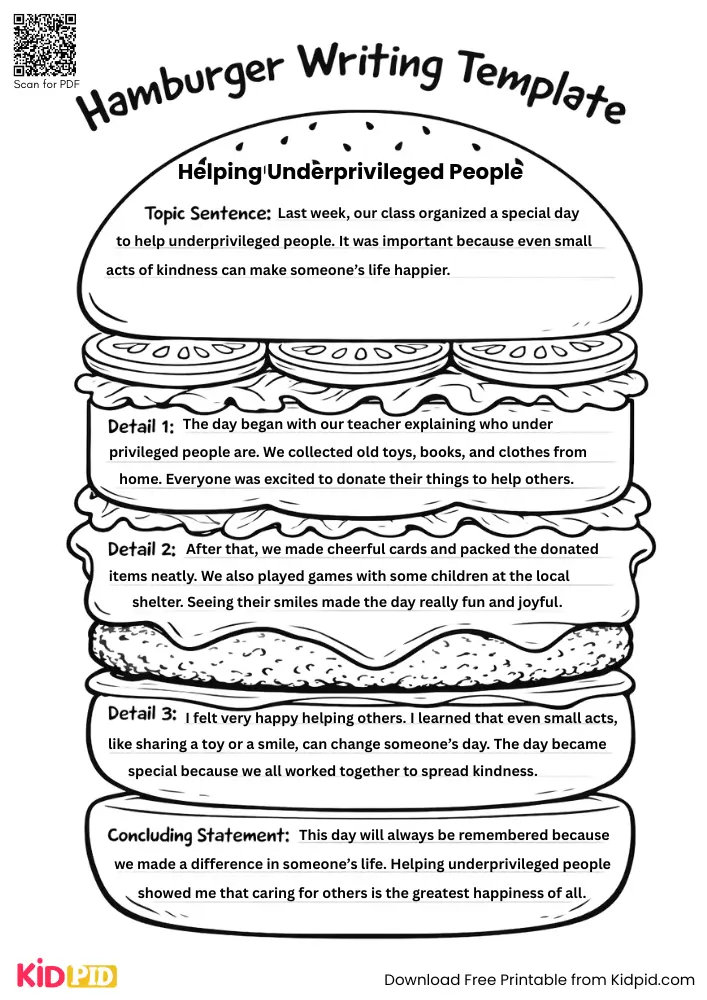
Helping underprivileged people promotes equality, compassion, social justice, community support, and human dignity.
Living A Simple Life

Living a simple life encourages minimalism, gratitude, mindfulness, peace, financial stability, and contentment.
Practicing Patience Daily
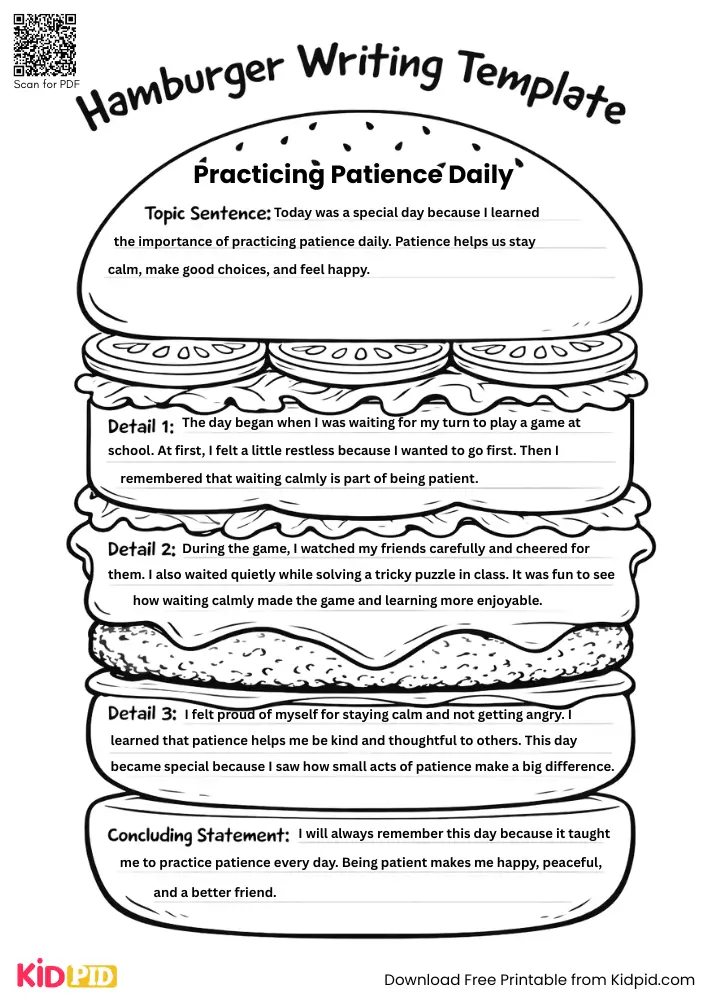
Practicing patience daily builds emotional control, resilience, mindfulness, stress management, and personal growth.
Staying Calm Under Pressure
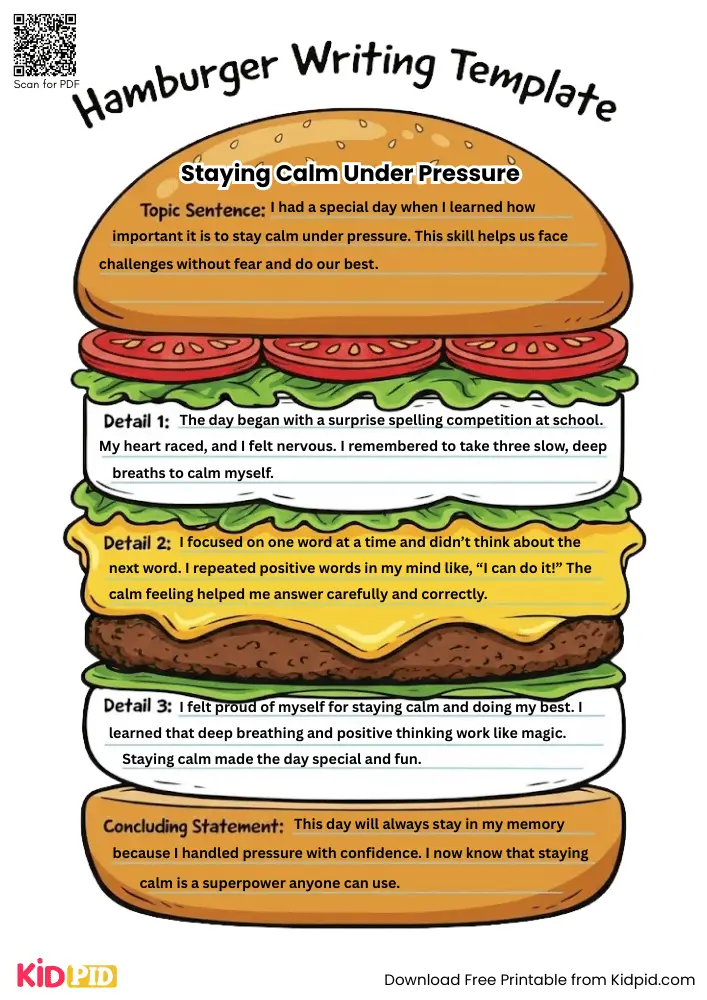
Staying calm under pressure improves decision-making, resilience, confidence, stress control, and leadership skills.