Learning responsibility through actions helps children understand the value of doing the right thing. When kids act responsibly in daily tasks, they develop discipline, honesty, and confidence. These small actions shape strong character and prepare children to face future challenges with responsibility and care.
5 Pointers on ‘Learning Responsibility Through Actions’
- An aim gives direction to our life.
- It helps us work hard and stay focused.
- Our aim inspires us to learn new skills.
- A clear aim helps us make good choices.
- It motivates us to become better every day.
‘Learning Responsibility Through Actions’ Paragraph Writing
Hamburger Paragraph on ‘Learning Responsibility Through Actions’ (Free Template)
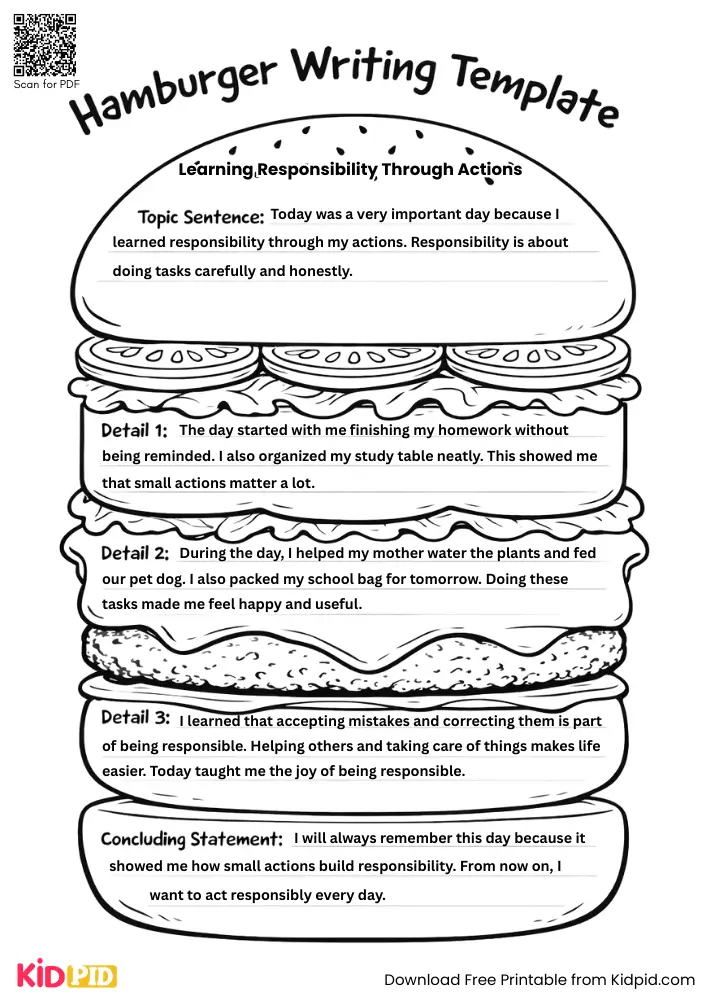
Topic Sentence: Today was a very important day because I learned responsibility through my actions. Responsibility is about doing tasks carefully and honestly.
Details 1: The day started with me finishing my homework without being reminded. I also organized my study table neatly. This showed me that small actions matter a lot.
Details 2: During the day, I helped my mother water the plants and fed our pet dog. I also packed my school bag for tomorrow. Doing these tasks made me feel happy and useful.
Details 3: I learned that accepting mistakes and correcting them is part of being responsible. Helping others and taking care of things makes life easier. Today taught me the joy of being responsible.
Concluding Statement: I will always remember this day because it showed me how small actions build responsibility. From now on, I want to act responsibly every day.
Short Paragraph on ‘Learning Responsibility Through Actions’ – 50 Words for Grades 3 to 4
Learning responsibility through actions means doing our duties properly. When children complete tasks on time and accept mistakes, they become responsible. Small actions like keeping things tidy and helping others teach responsibility in daily life.
Long Paragraph on ‘Learning Responsibility Through Actions’ – 100 Words for Grade 5
Learning responsibility through actions is very important for children. Responsibility means doing our work honestly and carefully. When children finish homework on time, help at home, and follow rules, they learn responsibility. Accepting mistakes and trying to improve is also part of being responsible. Actions show how responsible we are, not just words. Responsible actions help children gain confidence and trust. Learning responsibility early helps children grow into disciplined and caring individuals who can handle life’s challenges well.
‘Learning Responsibility Through Actions’ Essay Writing
‘Learning Responsibility Through Actions’—150 to 200 Words Essay for Grades 6 to 7 Students
You can’t learn to ride a bike just by reading about it—you have to get on and pedal! Responsibility is the same way. We learn it best not by hearing words, but by doing things. Every action you take is like practice for being a responsible person. When you make your bed, you are taking care of your space. When you do your homework, you are taking charge of your learning. When you remember to give your pet fresh water, you are protecting a life that depends on you. These actions might seem small, but they are powerful teachers. They show you that you are capable and in control. You also learn from actions you forget or choose not to do, like leaving a mess or forgetting a promise. That uncomfortable feeling is a lesson, too! It teaches you to do better next time. So, look for ways to act responsibly every day. Each action, like a single brick, helps build the strong house of your character.
‘Learning Responsibility Through Actions’ – 300 Words Essay for Grades 8 to 10 Students
Think of responsibility as a muscle. How do you make a muscle stronger? You exercise it! For responsibility, actions are the very best exercise. You can’t become responsible just by thinking about it or by someone telling you to be. You build this important skill through the things you choose to do every single day.
Learning through action starts with small, manageable tasks. When you put your dirty clothes in the hamper, you are taking action to care for your belongings. When you pack your own school bag the night before, you are taking action to prepare for your day. These successful actions give you a little boost of pride and show you, “I can do this!” They are the training wheels for bigger responsibilities, like helping a younger sibling with a puzzle or managing a weekly chore.
Our actions also come with natural consequences, which are the world’s best teachers. The action of studying for a spelling test often leads to the consequence of a good grade. The action (or inaction) of leaving your bike in the rain leads to the consequence of a rusty chain. These results aren’t about punishment; they are direct feedback that helps your brain connect what you do with what happens. This is how you learn to make smarter choices.
Most importantly, responsible actions build trust and show who you really are. When your friend sees you return their crayons with all the tips intact, they learn you are careful. When your teacher sees you quietly help a classmate who is confused, they learn you are kind and reliable. Your reputation is built action by action. So, don’t just wait to be told what to do. Look for ways to act—to help, to complete, to care. With every action, you are not just getting a task done; you are building the strong, capable, and trustworthy person you are meant to be.
Related Essay & Paragraph Topics
- Responsibility Shown by Our Actions
- Learning Responsibility in Daily Life
- Actions That Teach Responsibility
- Being Responsible Through Good Actions
- How Actions Shape Responsible Behavior
You May like this:
Appreciating Small Joys
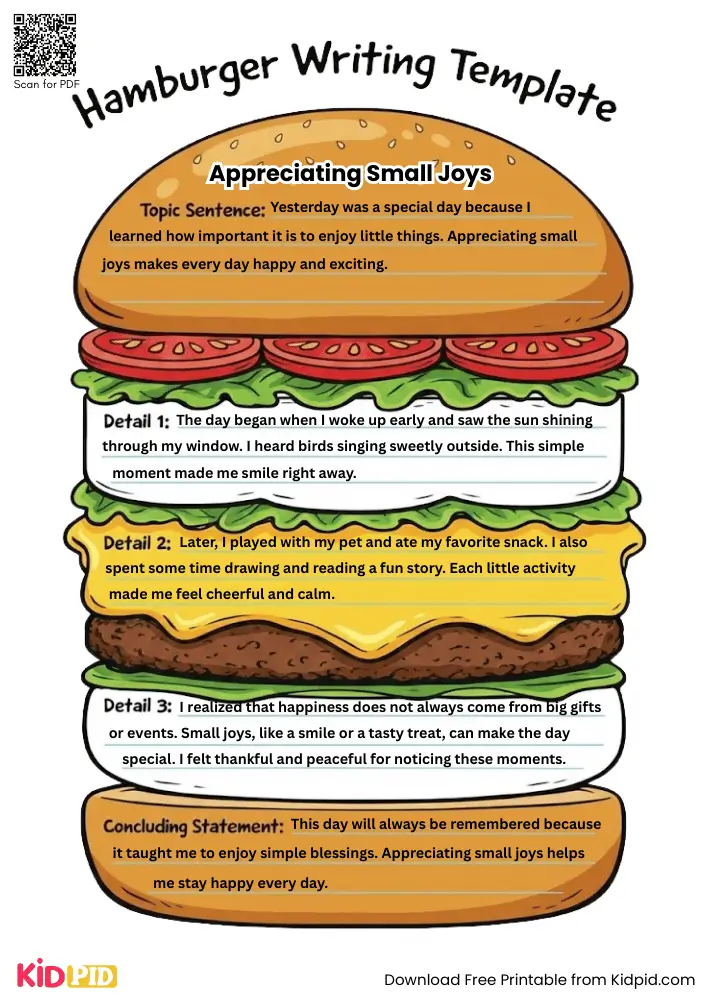 Appreciating small joys increases happiness, gratitude, positivity, life satisfaction, mindfulness, and emotional well-being.
Staying Calm Under Pressure
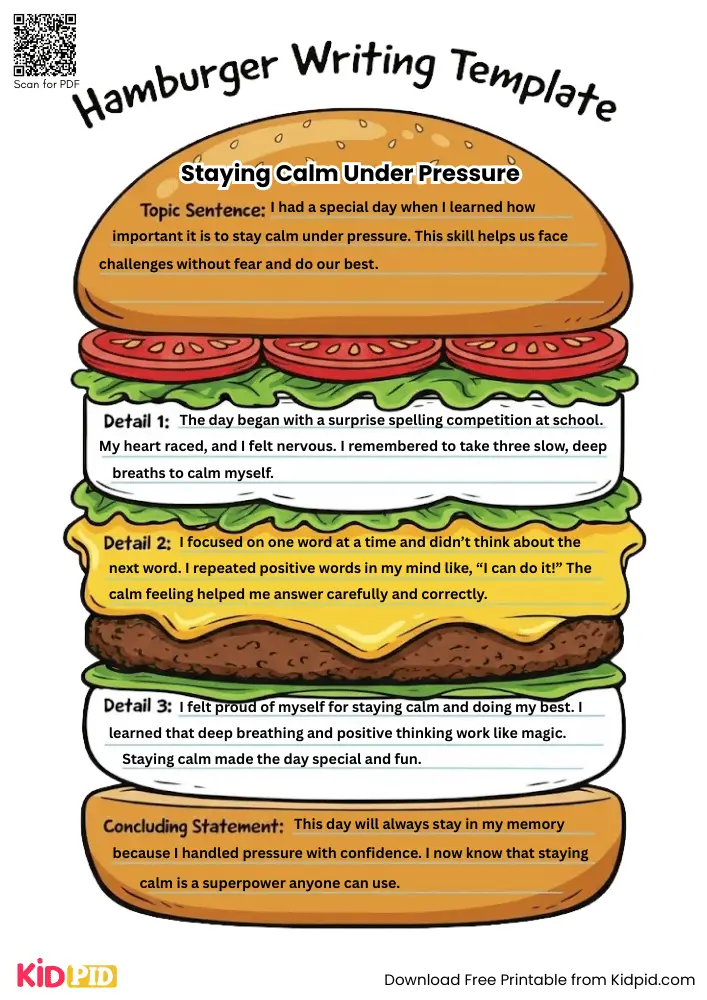
Staying calm under pressure improves decision-making, resilience, confidence, stress control, and leadership skills.
Practicing Patience Daily
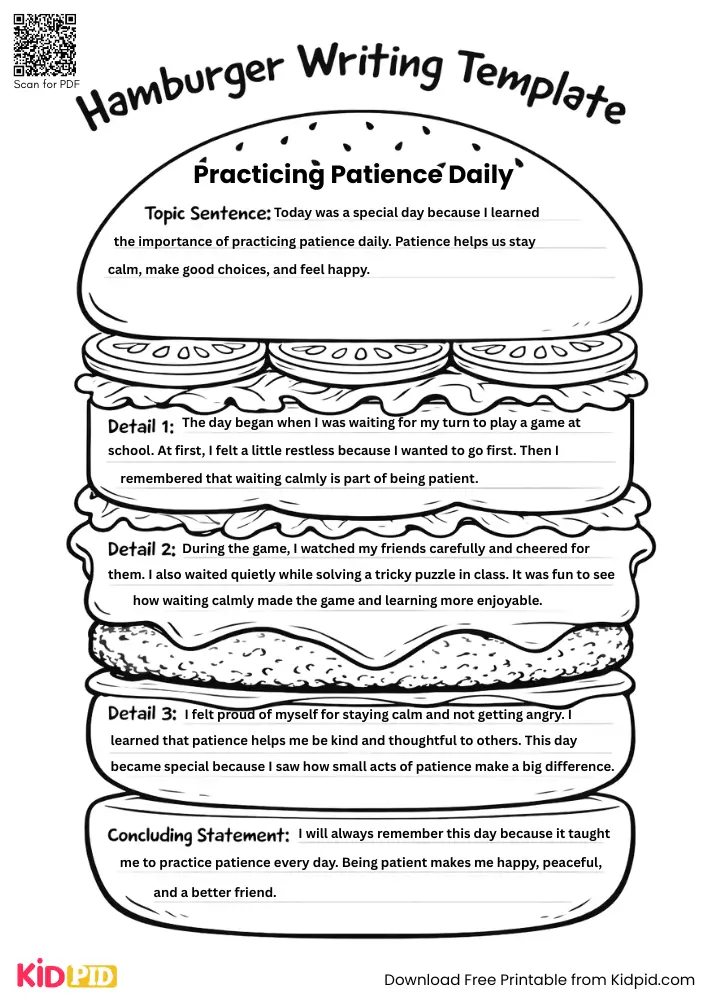
Practicing patience daily builds emotional control, resilience, mindfulness, stress management, and personal growth.
Living A Simple Life
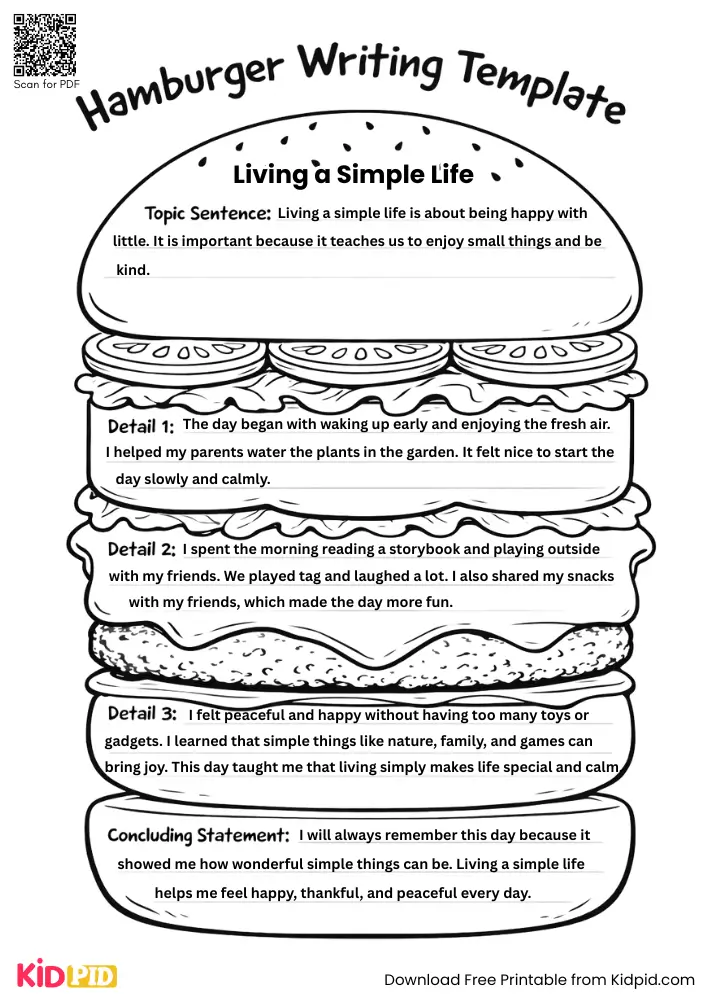
Living a simple life encourages minimalism, gratitude, mindfulness, peace, financial stability, and contentment.
Helping Underprivileged People
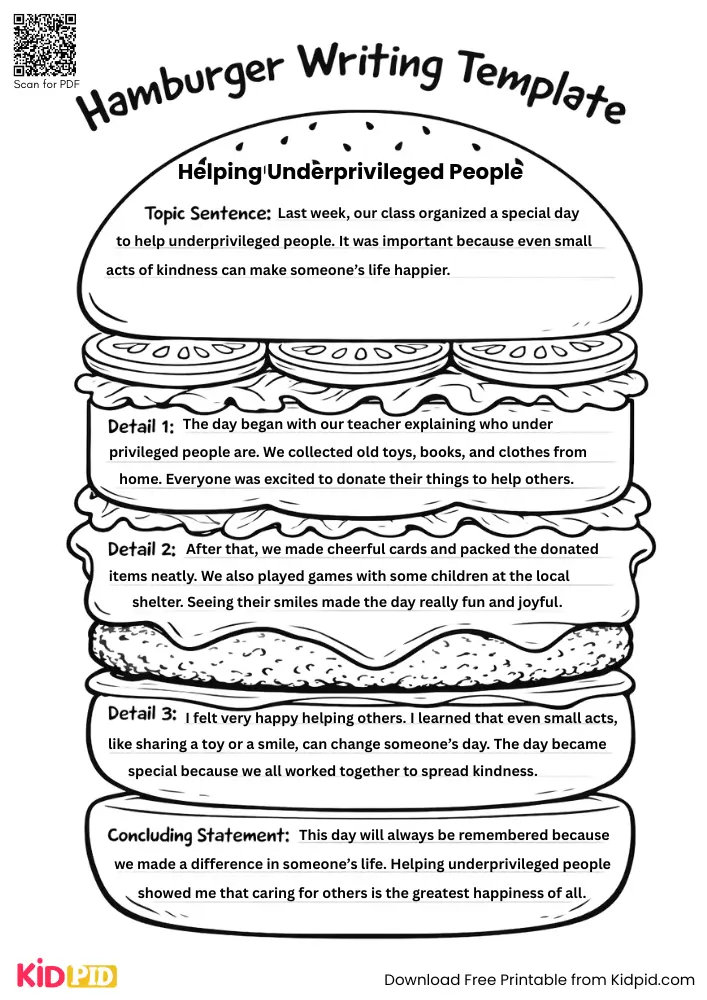
Helping underprivileged people promotes equality, compassion, social justice, community support, and human dignity.