Learning calmness during difficulties helps us think clearly when life feels confusing or stressful. Instead of panicking, staying calm allows us to make better choices and handle problems with patience. This habit builds inner strength and teaches us how to face challenges with confidence and hope.
5 Pointers on “Learning Calmness During Difficulties”
- Calmness helps us think clearly when problems feel big or scary.
- Taking deep breaths can slow down our mind and body.
- Staying calm helps us make better choices instead of rushing.
- Calm people listen, understand, and solve problems more easily.
- Learning calmness makes us stronger and more confident in hard times.
‘Learning Calmness During Difficulties’ Paragraph Writing
Hamburger Paragraph on ‘Learning Calmness During Difficulties’ (Free Template)

Topic Sentence: Today was an unforgettable day because I learned how to stay calm during difficulties. It showed me a way to manage big feelings and think clearly.
Detail 1: The day began with a tough situation—a tricky math problem and a small argument with a friend. My mind felt like a snow globe shaken up. Everything seemed confusing, and I didn’t know what to do first.
Detail 2: I practiced calmness by taking deep breaths and noticing what was around me. I felt my feet on the floor and listened to my own breathing. I paused and thought before acting. Slowly, the problem became clearer, and I could fix my mistake and talk kindly to my friend.
Detail 3: I felt proud and happy that I stayed calm. I learned that even when things feel messy, I can find my quiet center. Calmness is like a magic power that helps me make better choices.
Concluding Statement: I will always remember this day because it taught me how to handle hard situations. Staying calm can help me in life whenever I face challenges.
Short Paragraph on ‘Learning Calmness During Difficulties’ – 50 Words for Grade 3
When things get hard, take a deep breath. It’s okay to feel upset. Try to slow down. Think of your favorite quiet place. Being calm helps your brain find a good solution. You are stronger than you think. Practice being peaceful, especially when things are tricky.
Long Paragraph on ‘Learning Calmness During Difficulties’ – 100 Words for Grade 4
When you face a tough time, it can feel scary or upsetting. The first step to calmness is to stop for a moment. Take a few slow, deep breaths, like you’re blowing up a big balloon. This tells your body to relax. Remember, it’s okay to feel your feelings, but don’t let them be the boss. Think of something that makes you feel safe and happy, like a cozy hug or a sunny day. Staying calm is like having a superpower—it helps you see the problem clearly and find a smart way through it.
‘Learning Calmness During Difficulties’ Essay Writing
‘Learning Calmness During Difficulties’ – 150 to 200 Words Essay for Grades 5 to 6
Imagine your mind is like a snow globe. When something difficult happens—like a tricky math problem or an argument with a friend—it’s like someone shook the globe. Everything gets swirled up and you can’t see clearly! Learning calmness is learning how to set the snow globe down gently so the glitter can settle.
Calmness isn’t about never feeling upset or scared. Those feelings are important messages. Calmness is about listening to those messages without letting them take over the whole show. When you feel the “shake,” you can pause. You can take deep breaths, which are like magic anchors for your body. You can notice what’s really happening around you right now—the feeling of your feet on the floor, the sound of your own breathing. This helps the storm inside you slow down.
By practising these small steps, you build a superpower. You become the person who can think, “This is tough,” but then add, “and I will figure it out.” You learn that even in difficulties, you can find your own quiet centre, wait for the glitter to settle, and see the way forward again.
‘Learning Calmness During Difficulties’ – 300 Words Essay for Grades 7 to 10

Life is full of wonderful adventures, but sometimes we hit a bumpy patch. Maybe you have a big test, a disappointment in a game, or a problem with a friend. In these moments, feelings like worry, anger, or frustration can bubble up like a volcano inside us. Learning calmness is like becoming a friendly volcano scientist—you learn to understand the rumbles without getting burned by the lava.
First, it’s important to know that feeling upset is completely normal and okay. It means you care! The goal isn’t to erase those feelings, but to learn how to be friends with them so they don’t make all the decisions. Think of your big feelings as loud, energetic visitors. Calmness is how you invite them in, offer them a seat, and listen to what they have to say, instead of letting them run around knocking over all the furniture!
So, how do we practice this friendship? It starts with your breath, which is a secret remote control for your body. When things feel hard, slow, deep breaths tell your nervous system, “We are safe. We can handle this.” Next, use your senses. Look around and name what you see—a blue pencil, a green plant, a sunny window. Feel your chair under you. This “grounding” pulls your mind away from the scary “what if” thoughts and back to the solid, real world of right now.
You can also talk to yourself with kindness. Would you yell at a friend who was struggling? Of course not! So, whisper to yourself, “It’s okay to feel this way. This is a challenge, and I am learning.” Finally, remember that sometimes the bravest thing you can do is take a short break. Walk away, find a quiet spot, and let the emotional storm pass. Clouds don’t stay forever.
By practicing these tools, you build an inner strength called resilience. You discover that difficulties are like tough puzzles—they might make you frown for a bit, but with a calm mind, you can find the pieces and solve them. You learn that you are stronger than any stormy feeling, and that calmness is your very own superpower for navigating life’s bumpy, beautiful road.
Related Essay & Paragraph Topics
- Staying Calm When Problems Appear
- Why Calmness Helps Us in Tough Times
- Learning to Be Peaceful During Challenges
- How Staying Calm Makes Problems Easier
- The Power of Calm Thinking in Difficult Situations
You May like this:
Becoming Better Daily

Daily improvement builds discipline, confidence, and growth. Small consistent efforts enhance skills, habits, and mindset while encouraging lifelong personal development.
Learning Self-Reflection
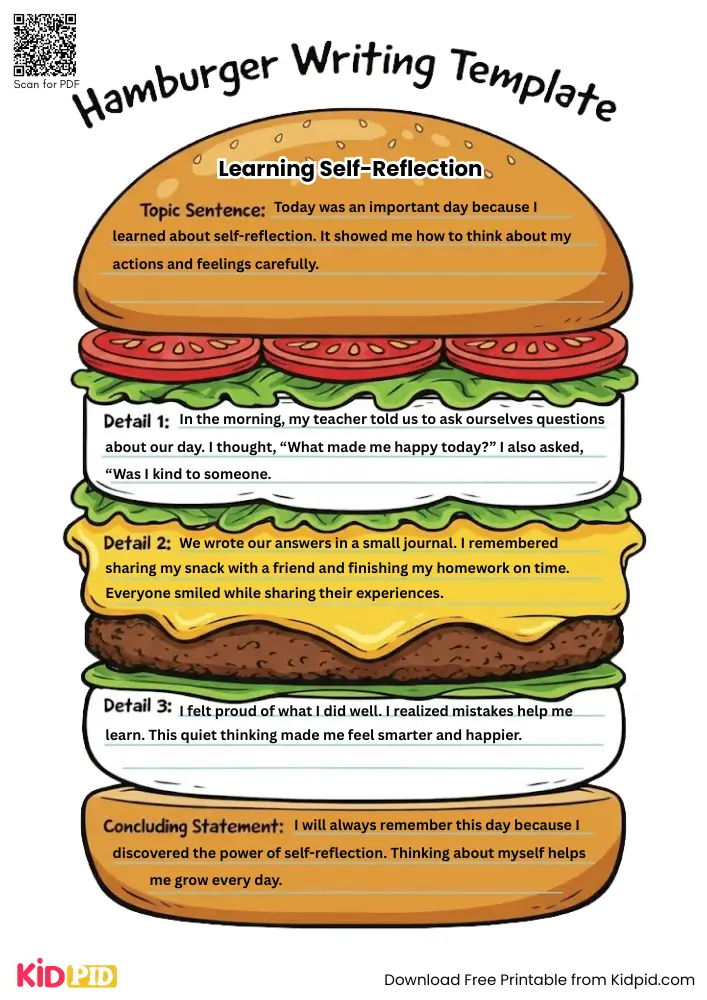
Self-reflection improves awareness, decision-making, and growth. Evaluating actions helps individuals learn from experiences and improve behavior.
Working On Weaknesses

Addressing weaknesses strengthens skills, confidence, and progress. Focused effort transforms limitations into strengths and supports development.
Continuous Self-Growth

Self-growth encourages learning, adaptability, and success. Seeking improvement builds confidence and lifelong development.
Personal Development Journey

Personal growth journeys build resilience, confidence, and purpose. Continuous learning shapes character and success.