“Working on weaknesses is an important step toward personal growth and success. Every child has areas that need improvement, and that is perfectly natural. With regular practice, guidance, and a positive mindset, challenges become opportunities. Facing difficulties bravely helps build confidence, strength, and lifelong learning skills.”
5 Pointers on “Working on Weaknesses”
- Everyone has weaknesses, and that is a normal part of life.
- Accepting our weaknesses helps us improve ourselves.
- Practice and patience can turn weaknesses into strengths.
- Asking for help shows courage, not fear.
- Learning from mistakes helps us grow and succeed.
‘Working on Weaknesses’ Paragraph Writing
Hamburger Paragraph on ‘Working on Weaknesses’ (Free Template)

Topic Sentence: Today was an important day because I decided to work on my weakness. I wanted to become better at something I found hard.
Details 1: The morning began with me thinking about my struggles. I noticed that math problems were tricky for me. I told my teacher I wanted some help.
Details 2: I practiced a few problems every day. My friends and teacher guided me patiently. Slowly, I solved more problems and felt happy.
Details 3: I felt proud of myself for trying. I learned that patience and practice are important. Working on weaknesses makes me stronger and smarter.
Concluding Statement: This day will always be remembered because it taught me to face challenges. I know that with practice, I can improve every day.
Short Paragraph on ‘Working on Weaknesses’ – 50 Words for Grades 2 & 3
Everyone has weaknesses. That is okay! A weakness is just something you need to practice. Maybe reading is hard. Or you get shy. Work on it a little each day. Ask for help. Celebrate small wins. You will get better and feel proud. Keep trying!
Long Paragraph on ‘Working on Weaknesses’ – 100 Words for Grade 4

We all have things we find difficult. These are called weaknesses. It might be a school subject, a sport, or feeling nervous. Remember, weaknesses are not bad. They are just areas to grow! The trick is to practice. Try for a few minutes daily. Don’t be afraid to ask a teacher or friend for help. Every time you try, you get a little stronger. Be kind to yourself. Getting better takes time. Celebrate your progress, even if it’s small. You are not trying to be perfect. You are learning to be braver and smarter every day
‘Working on Weaknesses’ Essay Writing
‘Working on Weaknesses’ – 150 to 200 Words Essay for Grades 5 to 7 Students
Working on a weakness can feel scary, but it’s actually one of the bravest things you can do! Think of a weakness not as a permanent label, but as a locked door. Inside that door is a new skill or a stronger you, just waiting to be discovered. The key to unlocking it is a positive attitude and practice.
Maybe you find math tricky or get nervous speaking in class. That’s okay! Start with a tiny step. For math, it could be mastering one type of problem. For speaking, it could be sharing an idea with just one friend. Remember, asking for help from a teacher or parent is a super-smart strategy—they’ve unlocked their own doors and can guide you. Every time you try, you are building your “courage muscle.” You might not see changes immediately, but with patience, you will. The goal isn’t to become perfect overnight; it’s to become a little better than you were yesterday. So be kind to yourself, cheer for your own effort, and watch yourself grow stronger!
‘Working on Weaknesses’ – 300 Words Essay for Grades 8 to 10 Students

Everyone has things they find difficult. You might feel frustrated if you struggle with reading, a sport, drawing, or making friends. This is completely normal! The important thing isn’t what your weakness is, but what you decide to do about it. Working on your weaknesses is like being an explorer on a treasure hunt, where the treasure is a more confident and capable you.
The first step is to change how you see a “weakness.” Instead of thinking, “I’m bad at this,” try thinking, “This is a challenge I can learn from.” This simple shift turns a scary monster into a fun puzzle to solve. Once you see it as a puzzle, you need a plan. You can’t eat a whole apple in one bite, so don’t try to tackle a big challenge all at once. Break it down! If you’re weak in soccer, don’t focus on winning the whole game. Focus on practicing passing for ten minutes each day. Small steps lead to big improvements.
On this journey, you don’t have to go alone. Asking for help is a secret weapon of all successful people. A teacher can give you tips, a parent can encourage you, and a friend can practice with you. Their support makes the challenge feel lighter. Then comes the most important tool: practice. You didn’t learn to walk or ride a bike perfectly on the first try. You fell, got up, and tried again. The same goes for any weakness. Practice might not make you “perfect,” but it will definitely make you better.
Finally, be your own best friend. Pay less attention to the final score and more attention to your bravery for trying. Say to yourself, “I’m proud I didn’t give up.” Every time you face a weakness, you are building courage, resilience, and confidence. These qualities are worth more than any trophy. So, embrace your challenges—they are your training ground to become an even more amazing you!
Related Essay & Paragraph Topics
- Turning Weaknesses into Strengths
- Learning from Our Mistakes
- Why Improving Our Weaknesses Matters
- Self-Improvement Through Practice and Effort
- Building Confidence by Overcoming Weaknesses
You May like this:
Value Of Experience

Experience builds knowledge, maturity, and confidence. Real-life learning improves judgment, adaptability, and practical skills while guiding smarter future decisions.
Value Of Imagination

Imagination supports discovery, creativity, and innovation. Visual thinking inspires solutions, artistic growth, and future possibilities while expanding knowledge and confidence.
Developing Innovative Thinking

Innovative thinking promotes progress, adaptability, and success. Exploring ideas, experimenting with solutions, and embracing change help individuals grow creatively and professionally.
Importance Of Originality

Original ideas inspire creativity, innovation, and authenticity. Being unique builds confidence, encourages self-expression, and helps individuals contribute fresh perspectives in learning, work, and life.
Expressing Ideas Freely
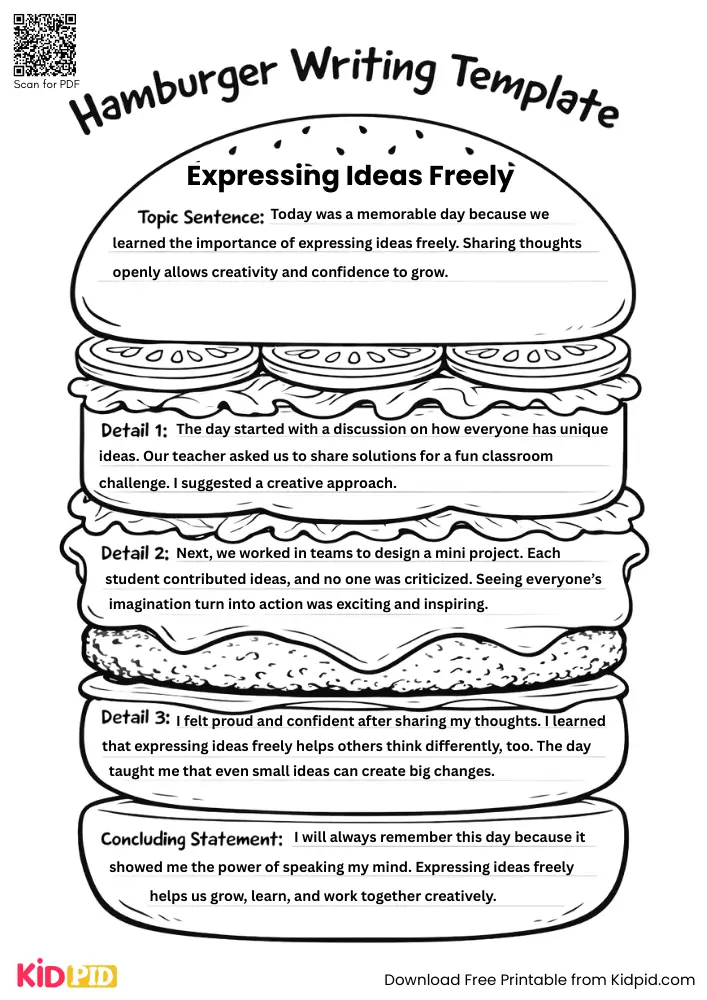
Free expression encourages creativity, confidence, and communication skills. Sharing thoughts openly promotes innovation, collaboration, and self-belief while helping individuals develop unique perspectives and strong voices.