Recycling helps keep our planet clean and safe. It teaches us to reuse waste instead of throwing it away. By recycling paper, plastic, and metal, we save natural resources and reduce pollution. This essay explains the simple benefits of recycling and why everyone should practice it every day.
5 Pointers on ‘Benefits of Recycling’
- Recycling helps keep our environment clean.
- It saves natural resources like trees, water, and minerals.
- Recycling reduces the amount of waste in landfills.
- It saves energy and reduces pollution.
- It helps protect animals and nature for the future.
‘Benefits of Recycling’ Paragraph Writing
Hamburger Paragraph on ‘Benefits of Recycling’ (Free Template)

Topic Sentence: Recycling is a fun and helpful activity that can make a big difference for our planet. Learning how to recycle is important because it keeps the Earth clean and safe for everyone.
Details 1: The day started with a visit to the school recycling center. We learned how to sort paper, plastic, and cans into different bins. Everyone was excited to see how our trash could become new things.
Details 2: Next, we did a fun activity, making crafts from old bottles and cardboard. Some students turned cans into pencil holders, and others made toys from boxes.
Details 3: I felt proud of helping the Earth by recycling. I learned that even small actions can save trees, water, and energy. This day showed me that recycling is not only helpful but also fun and rewarding.
Concluding Statement: I will always remember this day because it taught me how important recycling is. From now on, I want to recycle every day to protect animals, nature, and our planet.
Short Paragraph on ‘ Benefits of Recycling’ – 50 Words for Grade 3
Recycling has great benefits. It saves trees, water, and energy. It makes less trash for landfills. This keeps our air and water cleaner. Recycling also protects animals from harmful litter. When we recycle a bottle, it can become a new toy or jacket!
Long Paragraph on ‘Benefits of Recycling’ – 100 Words for Grade 4

Recycling is good for our planet. It helps save Earth’s precious resources. Making new things from old materials uses less water and energy. This means less pollution. Recycling also reduces the trash in big landfills. This keeps our soil and water cleaner and safer for animals. When you recycle a can, it might come back as a bicycle part. When you recycle paper, you help save trees. Every bottle, can, and box you put in the blue bin helps create a healthier world and protects nature for the future. It’s an easy way to be a hero for Earth!
‘Benefits of Recycling’ Essay Writing
‘Benefits of Recycling’ – 150 to 200 Words Essay for Grades 5 to 7
Recycling is like giving our trash a superhero’s second chance! When we recycle, we help our planet in three amazing ways. First, it saves precious resources. An old soda can can be melted and made into a new bike frame, and old newspapers can become egg cartons. This means we don’t have to cut down as many trees or mine as much metal from the Earth.
Second, recycling saves a lot of energy. It takes much less power to make products from recycled materials than from raw ones. For example, making new aluminum cans from old ones uses 95% less energy! Saving energy also means creating less pollution that causes climate change.
Finally, recycling keeps our world cleaner. It reduces the amount of trash we send to smelly, overflowing landfills. This protects soil and water from pollution and helps animals who might mistake plastic for food. By simply sorting our bottles, cans, and paper, we are making a powerful choice for a healthier planet every single day.
‘Benefits of Recycling’ – 300 Words Essay for Grades 8 to 10

Imagine if everything you ever threw away just stayed in a giant pile forever. That’s what would happen without recycling! Recycling is one of the easiest and most powerful habits we can have to protect our planet. Its benefits touch everything from deep forests to our own neighborhoods.
The most important benefit is that recycling conserves Earth’s limited natural resources. Our planet only has so much wood, metal, and oil. When we recycle paper, we save trees that provide oxygen and animal homes. When we recycle plastic, we use less petroleum. And when we recycle metals like aluminum and steel, we avoid the destructive mining that scars the land. Recycling turns what we call “waste” into valuable raw material for new products, closing a smart loop.
This process also saves tremendous amounts of energy, which is a huge win for our climate. Creating products from scratch is energy-intensive. For instance, manufacturing new aluminum requires mining bauxite ore, transporting it, and processing it at extremely high temperatures—a very “dirty” process. Making aluminum from recycled cans, however, uses about 95% less energy. This massive energy saving means power plants burn fewer fossil fuels, leading to less air pollution and fewer greenhouse gases that cause global warming.
On a more local level, recycling directly improves our environment and community. It dramatically reduces the waste sent to landfills. Fewer landfills mean less groundwater pollution from trash juice (leachate) and fewer methane gases (a powerful greenhouse gas) released into the air. It also means less litter in our parks, rivers, and oceans, protecting wildlife from harm. Furthermore, the recycling industry creates jobs for people who collect, sort, process, and sell recycled materials, boosting our local economy.
Related Essay & Paragraph Topic
- Why Recycling Is Important for Our Planet
- How Recycling Helps Protect the Environment
- Benefits of Recycling for a Clean and Green Earth
- Recycling: A Simple Way to Save Nature
- How Recycling Helps Reduce Waste and Pollution
You May like this:
Learning From Daily Experiences
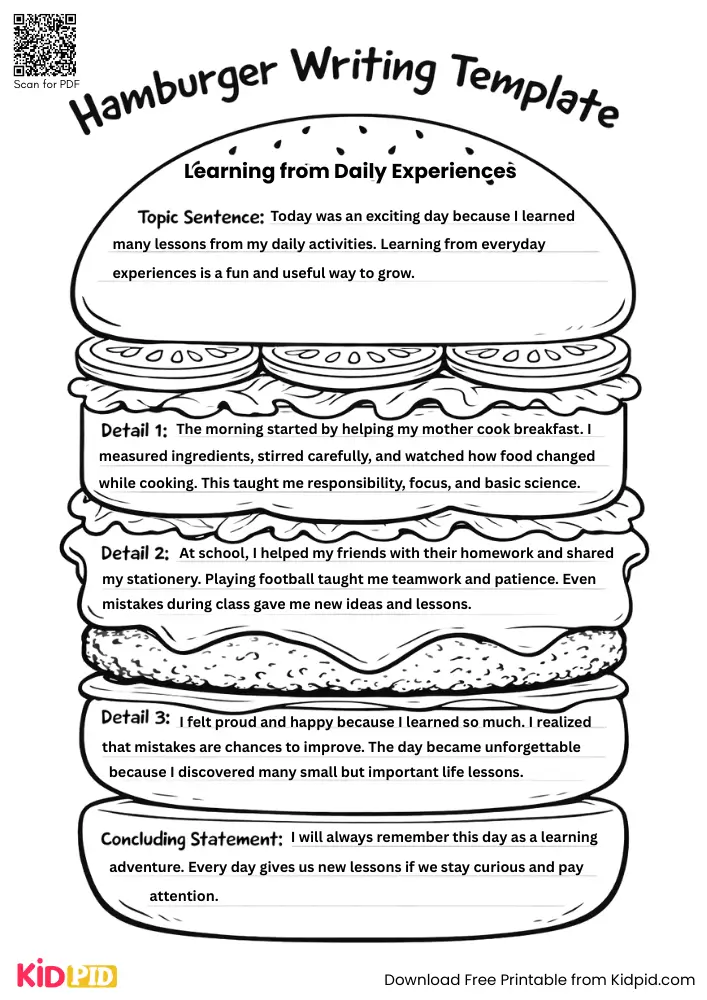
Everyday experiences provide valuable life lessons, practical knowledge, and emotional growth. Reflecting on daily events improves decision-making, self-awareness, and adaptability, helping individuals learn continuously from real-life situations.
Observing To Learn

Observation improves understanding, awareness, and analytical skills. Watching surroundings carefully helps individuals learn patterns, behaviors, and solutions, strengthening knowledge, creativity, and problem-solving abilities.
Learning From Elders

Elders offer wisdom, life experience, and cultural knowledge. Listening to their guidance teaches patience, values, decision-making, and resilience while strengthening family bonds and helping younger generations learn practical lessons for life and character development.
Gaining Knowledge From Life
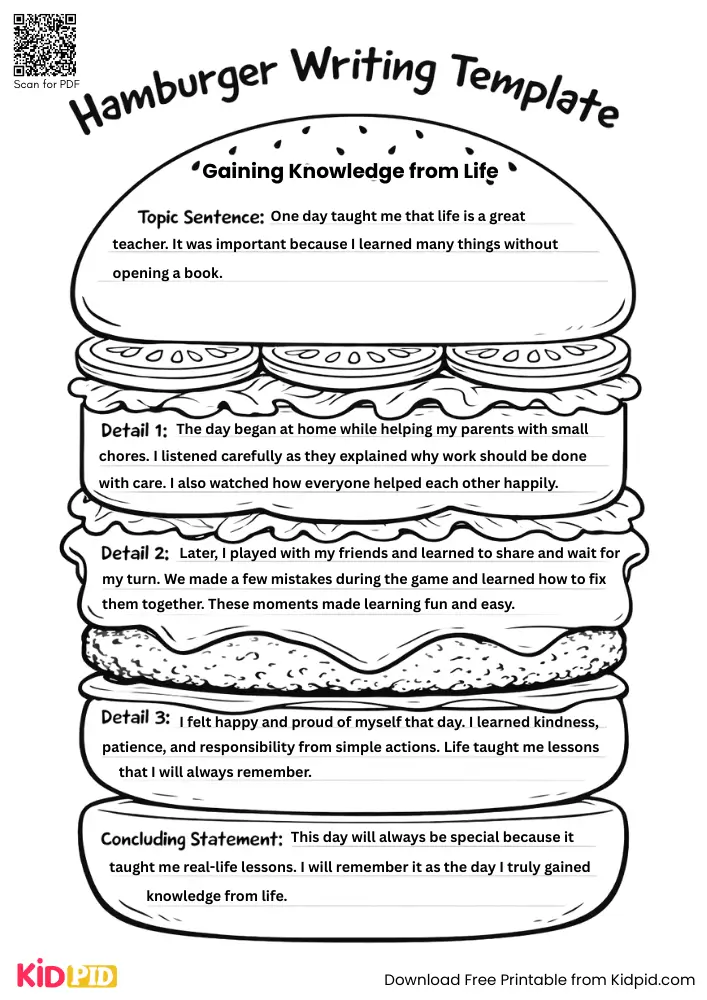
Life experiences teach practical wisdom, adaptability, and emotional strength. Real-world learning improves decision-making, awareness, and maturity while helping individuals grow through challenges, relationships, and everyday situations beyond textbooks.
Self-Learning Habits
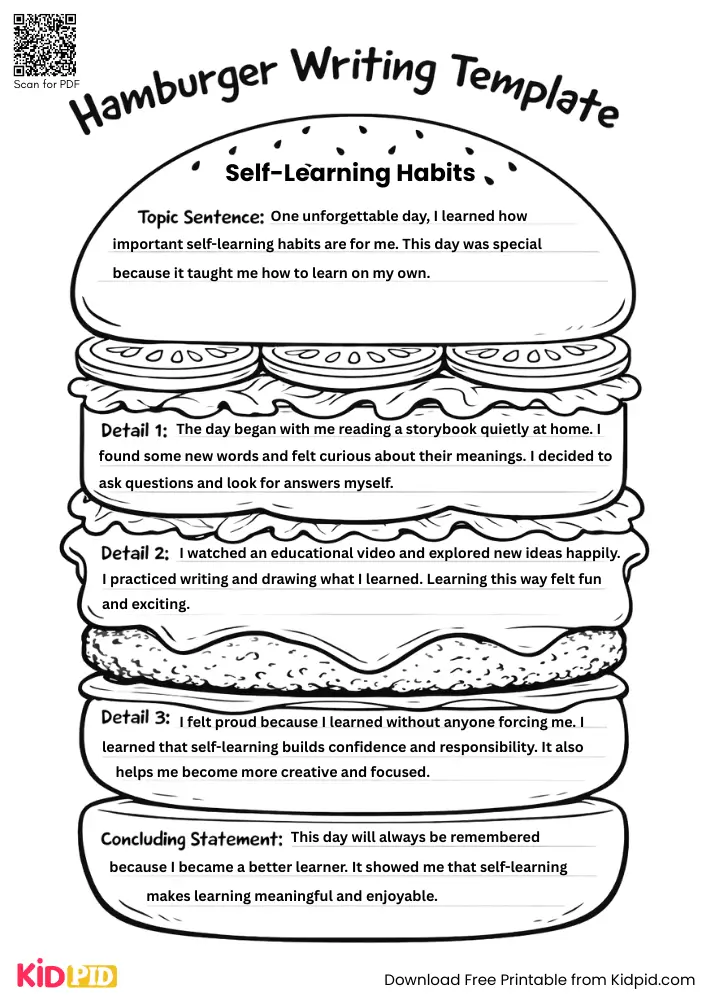
Self-learning encourages independence, curiosity, and lifelong education. Reading, exploring resources, and practicing regularly improve knowledge, creativity, and problem-solving skills while fostering confidence and continuous personal growth.