“Creative problem-solving helps children think in new and clever ways to fix challenges. It teaches them to stay calm, explore ideas, and try different solutions. By using imagination and curiosity, kids can solve school tasks, daily problems, and games more easily. Creativity turns obstacles into fun learning opportunities.”
5 Pointers on ‘Creative Problem-Solving’
- Creative problem-solving means finding new and smart ways to fix a problem.
- It helps us think beyond the usual answers.
- It teaches us to stay calm and not give up.
- It makes learning fun and exciting.
- It helps us in school, at home, and while playing.
‘Creative Problem-Solving’ Paragraph Writing
Hamburger Paragraph on ‘Creative Problem-Solving’ (Free Template)

Topic Sentence: Today was an exciting day because we discovered the power of creative problem-solving. It is important because it helps us turn challenges into opportunities to think and invent.
Details 1: The day began with a simple scenario: a favorite toy was stuck under the couch. We first tried to reach it, but it was too far. Our teacher encouraged us to think of new ways.
Details 2: We brainstormed ideas like using a broom, tape, or even asking a friend to help. Some ideas were silly, but they led to the smart solution. Everyone enjoyed experimenting and learning together.
Details 3: I felt proud and excited when our idea worked. I learned that mistakes are part of the process. This experience showed me that creative problem-solving can be fun and useful in daily life.
Concluding Statement: I will always remember this day because it taught me to think like an inventor. Creative problem-solving is a skill I can use every day to solve challenges.
Short Paragraph on ‘Creative Problem-Solving’ – 50 Words for Grade 4
Creative problem-solving means thinking in new ways to fix problems. It helps us stay calm and smart. We learn to try different ideas. This skill makes learning fun and helps us in school, at home, and while playing.
Long Paragraph on ‘Creative Problem-Solving’ – 100 Words for Grade 5
Creative problem-solving is the ability to think of smart and new ideas to solve problems. Everyone faces problems, just like humans do. Instead of giving up, we try different ways to find answers. This skill helps us in school, games, and daily life. When we think creatively, learning becomes fun and exciting. We also learn that mistakes are okay and help us improve. Creative problem-solving builds confidence and teaches us to think better every day.
Have you ever been faced with a tricky puzzle, a stubborn Lego piece that won’t fit, or a big homework question that seemed impossible? These moments are calling for a special superpower we all have: creative problem-solving. It’s not about being the smartest or knowing all the answers. It’s about being a detective, an artist, and an explorer with your ideas.
‘Creative Problem-Solving’ Essay Writing
‘Creative Problem-Solving’ – 150 to 200 Words Essay for Grades 6 to 8 Students
Imagine your favorite toy is stuck under the couch. Your first thought might be to reach for it, but your arm is too short! This is a problem, but it’s also a chance for creative problem-solving. Instead of giving up, you get to think like an inventor.
First, you could look at the problem from a new angle. Maybe you lie on the floor to see better. Then, you brainstorm. You could use a broom, a ruler, or even a roll of tape on a stick to grab it. You might even train the family dog to fetch it! Not all ideas will work, and that’s okay. The silly ideas often lead to the smart ones. Finally, you experiment. You try the ruler and find it’s too slippery. So, you tweak your idea by adding some sticky tape to the end. Success! Creative problem-solving isn’t just for big inventions; it’s a superpower you use every day to turn “I can’t” into “I found a way!”
‘Creative Problem-Solving’ – 300 Words Essay for Grades 9 to 10 Students
Have you ever been faced with a tricky puzzle, a stubborn Lego piece that won’t fit, or a big homework question that seemed impossible? These moments are calling for a special superpower we all have: creative problem-solving. It’s not about being the smartest or knowing all the answers. It’s about being a detective, an artist, and an explorer with your ideas.
Creative problem-solving starts with looking at a challenge in a fresh way. Think of a snail trying to get over a rock. It doesn’t just push harder; it might go around it or use its slimy trail to slide over. We can do the same! If one path is blocked, we find another. Next comes the best part: brainstorming. This is like a free-for-all of ideas in your mind. Let every thought out—the sensible ones, the wild ones, even the seemingly silly ones. What if you could use a balloon to lift the toy? What if you could move the couch with magic? There’s no “wrong” idea here.
This process teaches us that mistakes are our friends. A failed attempt isn’t a stop sign; it’s a helpful guidepost saying, “Try a different way.” When the great inventor Thomas Edison was making the light bulb, he didn’t fail thousands of times. He said he learned thousands of ways not to make one, which finally led him to the right way.
Finally, you build and tweak. You might combine two ideas, like using a broom and a magnet. You keep improving your solution, just like revising a drawing to make it more beautiful. So next time you face a problem, big or small, get excited! Put on your thinking cap, unleash your imagination, and remember that with curiosity and creativity, you can build a bridge over any obstacle. The world needs problem-solvers, and that means the world needs you.
Related Essay & Paragraph Topics
- Creative Problem-Solving
- Thinking Smart to Solve Problems
- New Ideas for Everyday Problems
- How Creative Thinking Helps Us
- Solving Problems the Smart Way
- The Power of Creative Thinking
You May like this:
A day I felt emotionally Strong

A reflection about a day when emotional strength helped overcome difficulties. Encourages resilience, confidence, positive mindset, and emotional maturity.
A Situation Where I Stayed Calm
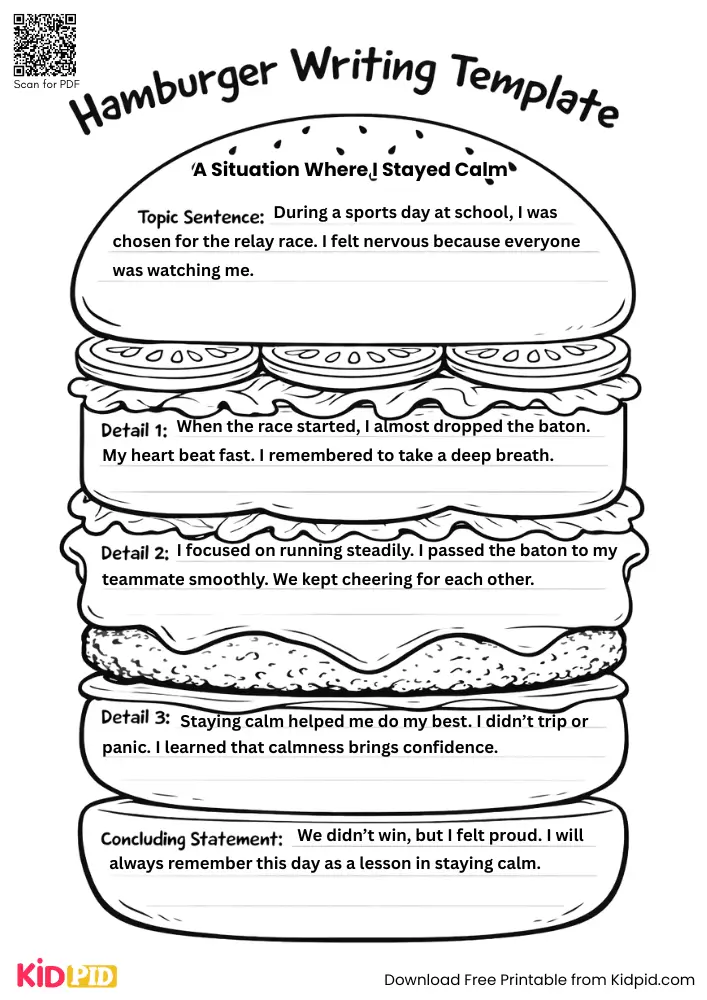
A personal reflection about staying calm in a challenging situation. Highlights emotional control, patience, problem-solving skills, and the importance of calm thinking during stressful moments.
How I Learned To Value Time

A reflection about understanding the importance of time management. Encourages discipline, punctuality, productivity, and responsible daily habits.
A Choice I Am Proud Of
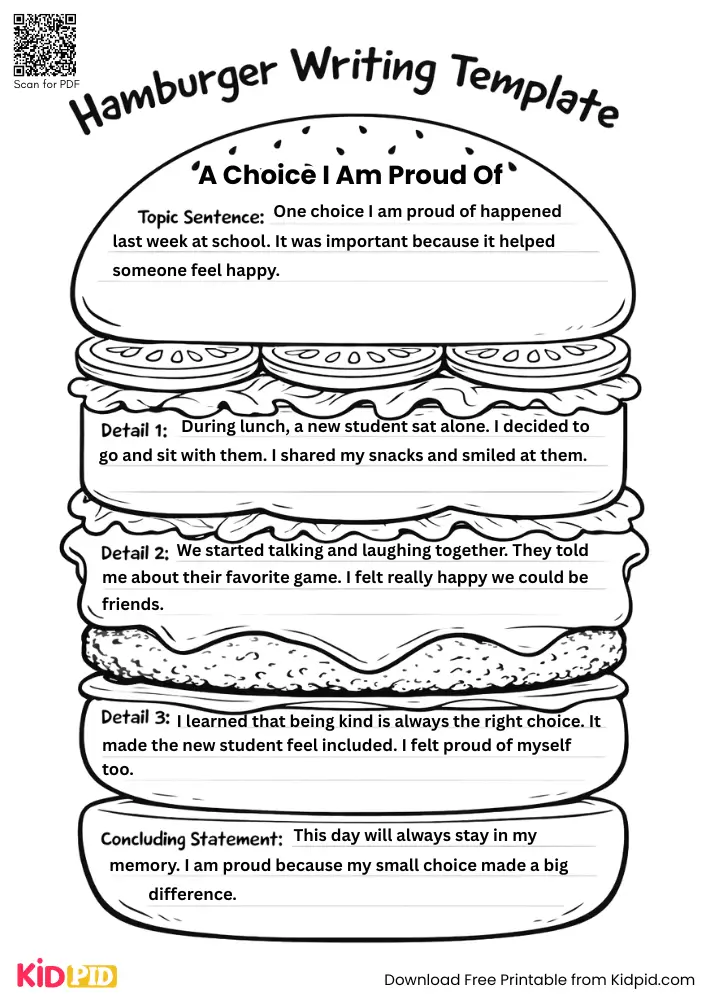
A personal story about making a positive decision and feeling proud. Encourages responsible decision-making, integrity, confidence, and strong moral values.
Learning To Say Sorry Sincerely
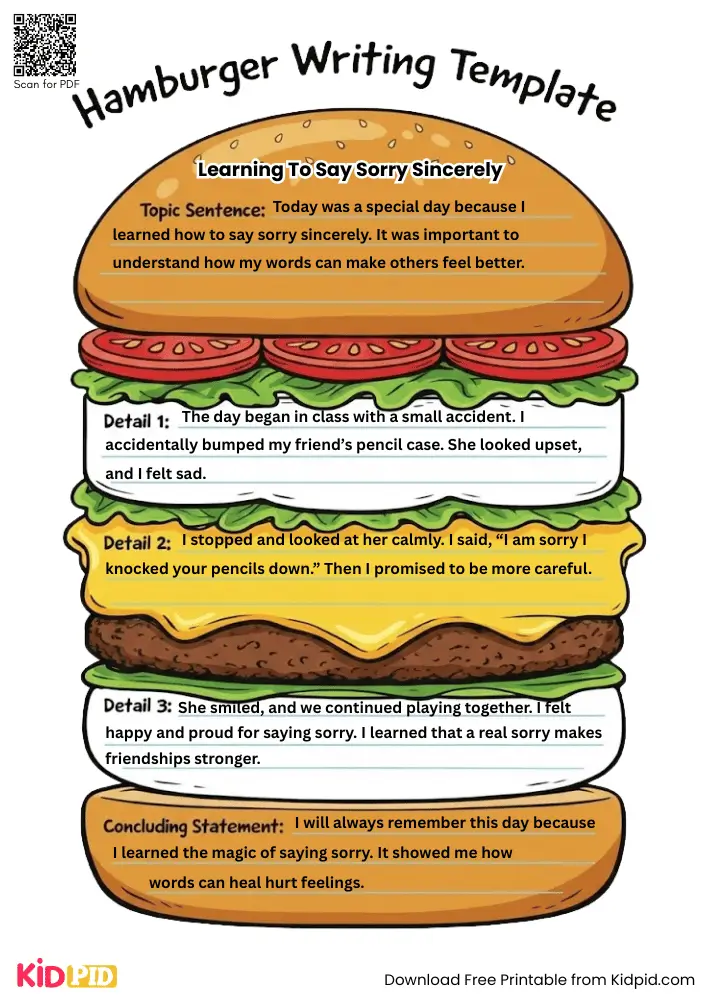
A personal experience about apologizing sincerely and repairing relationships. Highlights honesty, humility, emotional maturity, empathy, and strong character development.