“Emotional awareness is the ability to recognize and understand what we feel inside. It helps children and teens identify emotions clearly and respond thoughtfully instead of reacting quickly. By improving emotional awareness, students build self-control, empathy, confidence, and stronger relationships, creating a healthier and happier life.”
5 Pointers on ‘Emotional Awareness’
- Emotional awareness means understanding our own feelings.
- It helps us know why we feel happy, sad, angry, or excited.
- Talking about feelings increases emotional awareness.
- Emotional awareness helps us control our reactions.
- It helps children build kindness, confidence, and strong relationships.
‘Emotional Awareness’ Paragraph Writing
Hamburger Paragraph on ‘Emotional Awareness’ (Free Template)

Topic Sentence: Today was a special day because we learned about our feelings. Emotional awareness is important because it helps us understand how we feel inside.
Details 1: The day began with our teacher asking us how we felt that morning. Some children said they felt happy, and some felt a little sleepy or nervous. We all learned that every feeling is okay.
Details 2: We played a game to name our emotions and shared stories about happy, sad, or excited moments. We also practiced talking about our feelings with friends. It was fun to see everyone smile and feel understood.
Details 3: I felt proud when I could explain my feelings clearly. I learned that noticing emotions helps me stay calm and make good choices. The day became special because I understood myself and my friends better.
Concluding Statement: I will always remember this day because I learned how to know and share my feelings. Emotional awareness will help me be kind, patient, and confident every day.
Short Paragraph on ‘Emotional Awareness’ – 50 Words for Grade 4
Emotional awareness means understanding our feelings. Knowing when we feel happy, sad, or angry helps us stay calm. Talking about feelings helps children feel better. Emotional awareness builds kindness and confidence. It helps children control emotions and make good choices every day.
Long Paragraph on ‘Emotional Awareness’ – 100 Words for Grade 5

Emotional awareness is important for children. It means knowing and understanding our feelings. Children feel happy, sad, angry, or excited, and all these emotions are normal. Talking about feelings with parents or friends helps children feel safe. Emotional awareness helps children stay calm and think before acting. It also helps them understand how others feel. Children with emotional awareness are kind, patient, and confident. They handle problems better and build strong friendships. Emotional awareness helps children grow emotionally strong and happy.
‘Emotional Awareness’ Essay Writing
‘Emotional Awareness’ – 150 to 200 Words Essay for Grades 6 to 8 Students
Imagine your mind is a clear, deep lake. Your feelings are like weather on that lake—sometimes sunny and still, sometimes rippled with breeze, sometimes stormy with huge waves. Emotional awareness is the skill of learning to look at your own lake and accurately describe the weather you see.
Being emotionally aware means you can answer the question, “How am I feeling?” with more than just “good” or “bad.” You can tell if you’re feeling proud, anxious, hopeful, or lonely. You start by paying attention to the signals in your body, like a flutter in your stomach or a feeling of warmth in your chest. Then, you practice finding the right name for that feeling. This is a superpower because when you know what you’re feeling, you can figure out why and decide what to do about it. Emotional awareness doesn’t make the stormy weather go away, but it gives you a raincoat and an umbrella. It helps you navigate your inner world with confidence and kindness toward yourself.
‘Emotional Awareness’ – 300 Words Essay for Grades 9 to 10 Students

Emotional awareness is like having a friendly, wise guide who lives inside you. This guide’s job is to gently point out the landscapes of your heart. It helps you notice when you’ve wandered into the “Forest of Frustration,” when you’re relaxing on the “Beach of Contentment,” or when a sudden “Thunderstorm of Anger” is rolling in. Developing this inner guide is one of the most important things you can do for your happiness and health.
This skill begins with curious observation, not judgment. Instead of thinking, “I shouldn’t feel this way,” you simply think, “Hmm, I notice I’m feeling a strong emotion. What is it?” You tune into physical sensations: a clenched jaw, tired eyes, or energetic butterflies. These are the signposts your body uses to communicate. Next, you become a feeling-word detective, searching your vocabulary for the perfect match. The difference between “I feel bad” and “I feel left out” is huge—one is fuzzy, the other gives you a clear direction to address.
With practice, emotional awareness allows you to see the links between events, thoughts, and feelings. You might realize, “Every time I have a big test, I get a headache and feel nervous.” This knowledge is power. It means you can prepare, talk about your nerves, or use calming techniques. It also helps you understand others better, as you recognize similar emotional patterns in them.
Ultimately, emotional awareness turns the mystery of your inner world into a map you can read. It leads to better choices, stronger friendships, and a deep sense of being at home with yourself. You learn that all feelings are valid visitors, and by welcoming them with awareness, you become the confident, compassionate leader of your own emotional life.
Related Essay & Paragraph Topics
- Understanding Our Emotions
- Importance of Emotional Awareness
- Knowing and Expressing Feelings
- Emotional Awareness in Daily Life
- Learning to Understand Feelings
You May like this:
Importance Of Prioritizing Wisely

Prioritizing wisely improves time management, productivity, and goal achievement by focusing on the most important tasks.
Importance Of Responsible Decision-Making

Responsible decision-making promotes accountability, thoughtful planning, and ethical behavior that support personal and social well-being.
How Choices Reflect Character

Choices reflect character by showing values, responsibility, and ethical thinking, revealing a person’s integrity and judgment.
Learning From Wrong Decisions

Wrong decisions provide valuable lessons, improving judgment, experience, and decision-making abilities for future success.
Importance Of Careful Thinking
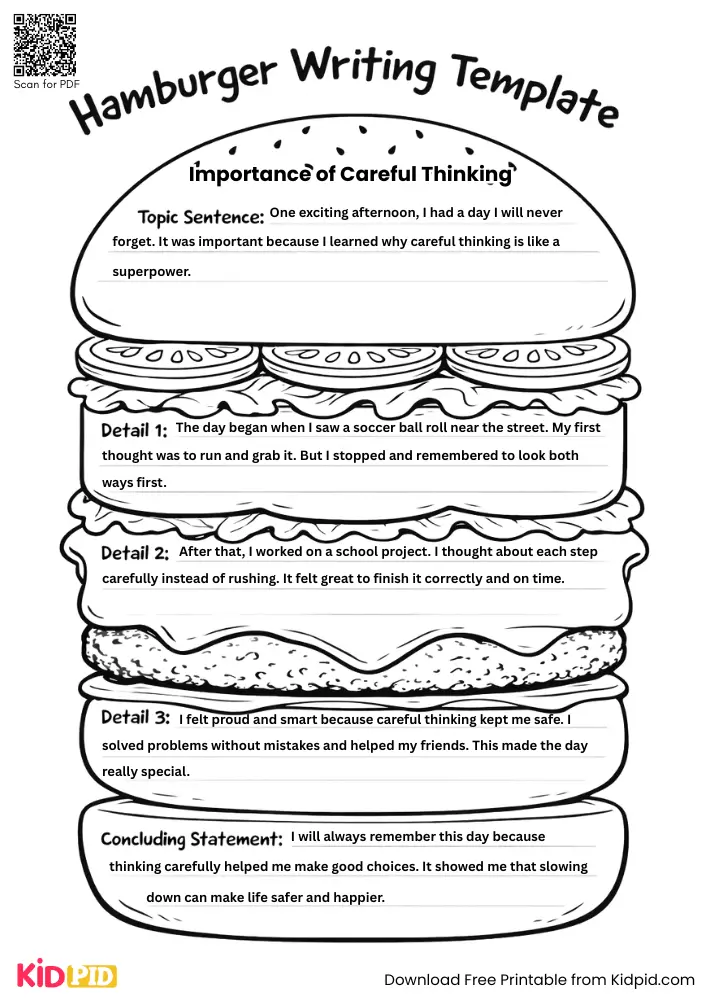
Careful thinking improves problem-solving, responsible decision-making, and balanced choices, helping individuals avoid mistakes and achieve positive results.