Staying motivated in school is crucial for achieving academic success and fostering personal growth. This essay on staying motivated in school explains the importance of goal setting, developing positive habits, and cultivating self-discipline. It highlights effective study tips, encouragement, and a positive mindset that help students remain focused, confident, and enthusiastic about learning every day.
5 Pointers on ‘ How to Stay Motivated in School ‘
- Setting clear goals and having a positive attitude.
- Developing good study habits and routines.
- Staying organized and managing time wisely.
- Finding interest and enjoyment in learning.
- Getting support from teachers, friends, and family.
‘How to Stay Motivated in School’ Paragraph Writing
Hamburger Paragraph on ‘How to Stay Motivated in School’ (Free Template)

Topic Sentence: Staying motivated in school helps me do my best every day. It makes learning fun and exciting.
Details 1: I start my day by making a small plan for school. I write down the easiest things first. Finishing them makes me feel happy and ready.
Details 2: During class, I break big tasks into little steps. I take short breaks to stretch or play. This makes studying more fun and not too hard.
Details 3: I feel proud when I complete my work on time. Asking teachers and friends for help teaches me more. Staying motivated helps me learn better and reach my dreams.
Concluding Statement: Being motivated in school makes every day special. I will always remember that small steps lead to big success.
Short Paragraph on ‘How to Stay Motivated in School’ – 50 Words for Grade 3
Staying motivated starts with small goals. Break big tasks into tiny steps. Celebrate each win! Connect your work to your dreams. Make a fun study schedule with breaks. Ask for help from friends and teachers. Remember, every little bit of effort adds up to big success.
Long Paragraph on ‘How to Stay Motivated in School’ – 100 Words for Grade 4
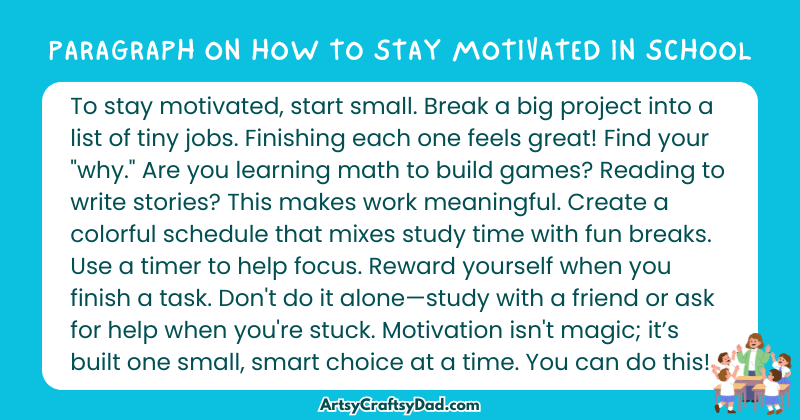
To stay motivated, start small. Break a big project into a list of tiny jobs. Finishing each one feels great! Find your “why.” Are you learning math to build games? Reading to write stories? This makes work meaningful. Create a colorful schedule that mixes study time with fun breaks. Use a timer to help focus. Reward yourself when you finish a task. Don’t do it alone—study with a friend or ask for help when you’re stuck. Motivation isn’t magic; it’s built one small, smart choice at a time. You can do this!
‘How to Stay Motivated in School’ Essay Writing
‘How to Stay Motivated in School’ – 150 to 200 Words Essay for Grades 5 to 7 Students
Staying motivated in school is like being the captain of your own ship—you get to steer! The secret is not look at the whole ocean at once but to focus on sailing one mile at a time. Start by breaking big assignments into tiny steps. Instead of “study for a test,” try “review my notes for 10 minutes.” Checking off each small job makes you feel successful.
Next, remember your “why.” Why are you learning this? Maybe you need math to design video games or history to understand amazing true stories. Connecting school to your own dreams makes the work feel important. Also, create a simple, fun routine. Use a timer: work hard for 25 minutes, then take a 5-minute break to stretch or doodle. This keeps your energy up!
Finally, don’t sail alone. Share your goals with your family or form a study group with friends. When you work together, challenges become adventures. Motivation isn’t a magic feeling that’s always there; it’s something you build yourself, one small step at a time.
‘How to Stay Motivated in School’ – 300 Words Essay for Grades 8 to 10 Students

Staying motivated in school isn’t about always feeling excited to do homework. Let’s be real—sometimes you just don’t feel like it! True motivation is more like a skill you can practice. It’s about learning how to keep going, even when things get challenging or boring. The good news is you have some super tools to help you.
First, be a goal-getter, not a goal-setter. A huge goal like “get better at math” is too vague and can be discouraging. Instead, break it down. Your goal becomes “master my 7 times tables this week” or “complete three practice problems every night.” Each time you conquer one of these mini-missions, your brain gets a boost of confidence. This feeling is fuel! It proves you can do it and makes you want to tackle the next step.
The most powerful tool is finding your “why.” Try to connect your school subjects to your own interests and future. Are you studying fractions because you have to, or because you need them to double a cookie recipe or calculate a soccer player’s stats? Are you learning about ecosystems because it’s in a textbook, or because you want to help protect animals? When you see your daily work as a stepping stone toward your own dreams, it changes from a chore into a choice. You’re not just doing homework; you’re building your future.
Your environment matters, too. Create a dedicated study zone that’s organized and free from major distractions. Then, build a visual routine—a fun chart or checklist that mixes focused work time with guaranteed breaks. Using a timer can help (like 25 minutes of work, 5 minutes of play). This structure saves your willpower for learning, not for deciding when to start.
Related Essay & Paragraph Topic
- Ways to Stay Motivated in School
- How I Keep Myself Motivated at School
- Tips for Staying Focused and Motivated in Class
- The Importance of Motivation for School Success
- How to Enjoy Learning and Stay Motivated Every Day
Respecting Cultural Diversity
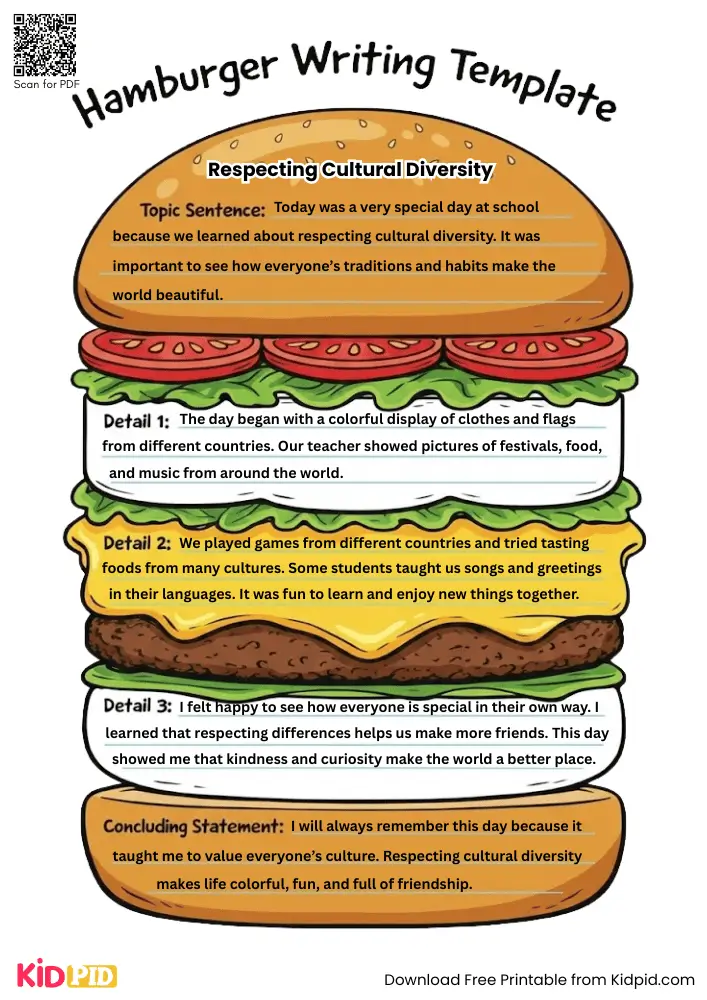
Respecting cultural diversity encourages inclusion, tolerance, global understanding, equality, social harmony, and peaceful coexistence.
Obeying Laws Responsibly
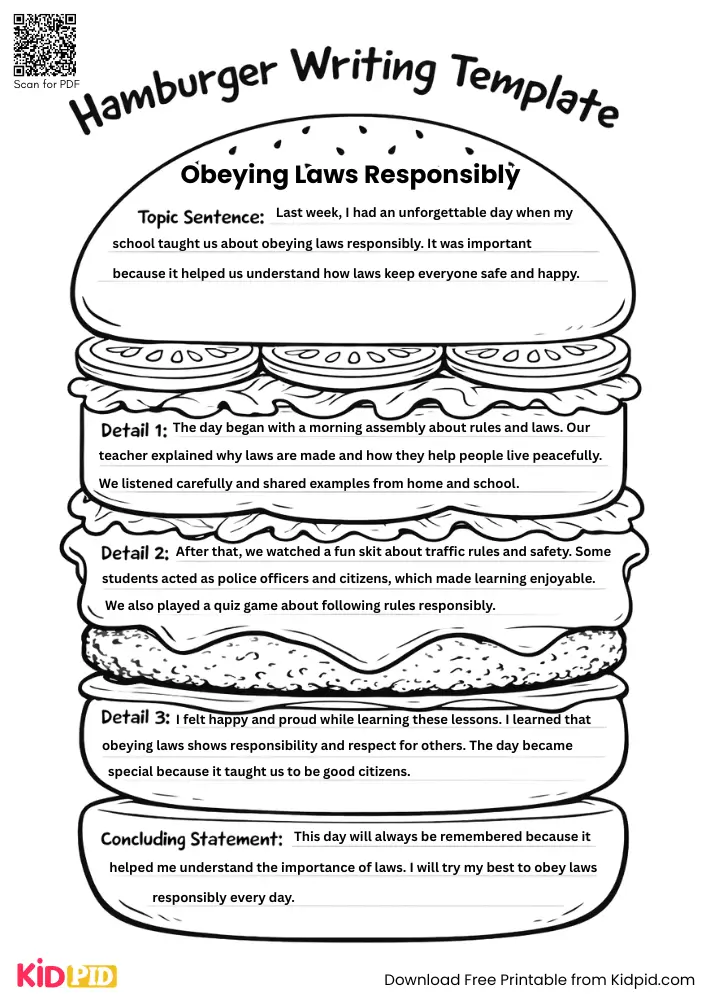
Obeying laws ensures justice, safety, equality, discipline, social order, and responsible citizenship.
Being Aware Of Civic Duties
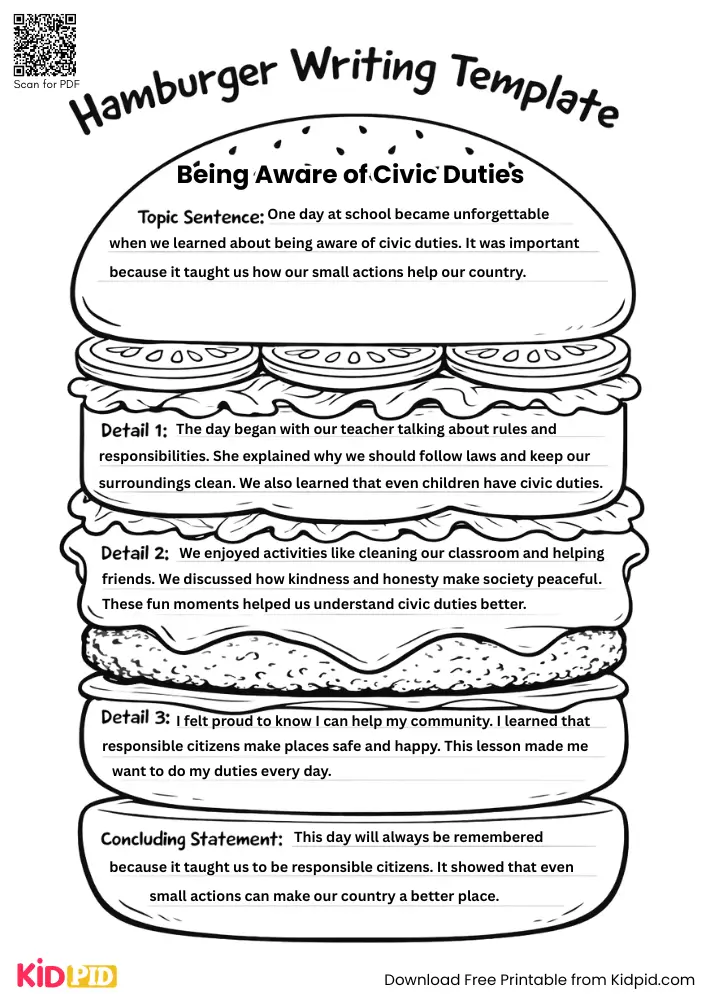
Civic awareness promotes responsible behavior, democratic participation, social responsibility, and active citizenship.
Staying Safe Online

Staying safe online requires strong passwords, privacy settings, cyber awareness, avoiding scams, and responsible digital behavior.
Balancing Online And Offline Life

Balancing online and offline life improves mental health, productivity, relationships, focus, and overall well-being.