Children can help protect nature by making smart and caring choices every day. Simple habits like saving water, planting trees, and avoiding waste can keep the Earth healthy. When children learn to love nature early, they grow into responsible citizens who care for the planet.
5 Pointers on ‘How Children Can Protect Nature’
- Children can save water by turning off taps after use.
- They can plant trees and take care of plants around them.
- Children should not throw garbage on roads or in parks.
- They can reuse books, toys, and bags instead of wasting them.
- Children can love animals and protect birds and insects.
‘How Children Can Protect Nature’ Paragraph Writing
Hamburger Paragraph on ‘How Children Can Protect Nature’ (Free Template)

Topic Sentence: Today was an exciting day to learn how children can protect nature. Nature is important because it gives us air, water, trees, and animals to enjoy.
Details 1: We started by cleaning the school playground and collecting waste. We learned to throw trash in dustbins and avoid using plastic. Then, we planted flowers and small trees together.
Details 2: We also learned to save water by turning off taps and save electricity by switching off lights. Using reusable bottles and bags was fun. Watching animals safely without disturbing them was a special moment.
Details 3: I felt happy and proud helping nature. I learned that small actions matter. This day taught me to care for the Earth every day.
Concluding Statement: I will remember this day because I became a nature helper. Every child can protect nature in easy ways.
Short Paragraph on ‘How Children Can Protect Nature’—50 Words for Grade 3
Children can protect nature by saving water and electricity. They should plant trees and keep their surroundings clean. Using less plastic and caring for animals helps nature stay safe. Small actions by children can make the Earth green and healthy.
Long Paragraph on ‘ How Children Can Protect Nature’—100 Words for Grade 4

Children can protect nature in many easy ways. They can save water by closing taps and save electricity by switching off lights. Planting trees and watering plants keeps the air fresh. Children should throw waste in dustbins and avoid plastic bags. Reusing books, bottles, and toys reduces waste. Being kind to animals and birds also helps protect nature. When children follow these good habits every day, they help keep the Earth clean, green, and beautiful for everyone.
‘How Children Can Protect Nature’ Essay Writing
‘How Children Can Protect Nature’—150 to 200 Words Essay for Grades 5 to 6 Students
Nature is our beautiful home, giving us clean air, fresh water, and amazing animals. Just like we take care of our rooms, we must take care of nature! We can all be planet protectors with simple daily actions. Start by being a waste warrior: use reusable bags and bottles, recycle correctly, and never litter. This keeps trash out of forests and oceans.
We can also be water guardians by turning off taps tightly and taking shorter showers. Saving water protects fish and all creatures that need it. In our gardens or parks, we can help wildlife by planting flowers for bees and watching animals gently from afar without disturbing them. Remember, trees are our best friends—they clean the air we breathe. We can help by saving paper and planting new trees.
Finally, the most powerful tool we have is our voice. Share what you learn about nature with your family and friends. When we all work together, even small actions create a big, healthy difference for our planet!
‘How Children Can Protect Nature’ – 300 Words Essay for Grades 7 to 8 Students

Our planet is a wonderful, living home filled with lush green forests, sparkling blue oceans, and incredible animals. This magical world, called nature, gives us everything we need to live and be happy. But it needs our help to stay healthy and strong. Every child can become a superhero for the Earth by making simple choices every day.
One of the biggest ways to help is by managing our waste wisely. This means reducing, reusing, and recycling. Choose a fun reusable water bottle and lunchbox instead of plastic ones. Always put paper, plastic, and cans in the recycling bin, and never drop litter on the ground. When trash ends up in nature, it can hurt animals and spoil beautiful places.
Water is precious. We can all be guardians of this vital resource by using it carefully. Turn off the tap while brushing your teeth, take shorter showers, and help fix any drips at home. Saving water means more will be left for the fish, frogs, and plants that depend on it. We can also be kind to wildlife. Observe bugs, birds, and other creatures with respect, without chasing or touching them. Planting native flowers on a balcony or in a garden creates a happy cafeteria for important pollinators like butterflies and bees.
Trees are the planet’s lungs, cleaning our air. We can love them by using less paper, recycling our notebooks, and planting new trees when possible. But perhaps the most important thing we can do is to learn and speak up. Talk to your friends and family about why protecting nature is cool. The more people who care, the bigger change we can make. Remember, you are never too small to make a difference. Your actions, combined with others, create a powerful force for a greener, happier world for all.
Related Essay & Paragraph Topics
- Little Hands Saving Nature
- Children as Nature Protectors
- Small Steps to Save the Earth
- How Kids Can Care for the Environment
- Young Heroes of Nature
You May like this:
Benefits Of Regular Exercise

Regular exercise improves cardiovascular health, strength, flexibility, mental health, weight management, immunity, and longevity.
Screen Time: Good Or Bad?

Screen time offers learning opportunities and entertainment but excessive use affects eyesight, sleep patterns, mental health, and productivity.
The Importance Of Mental Health
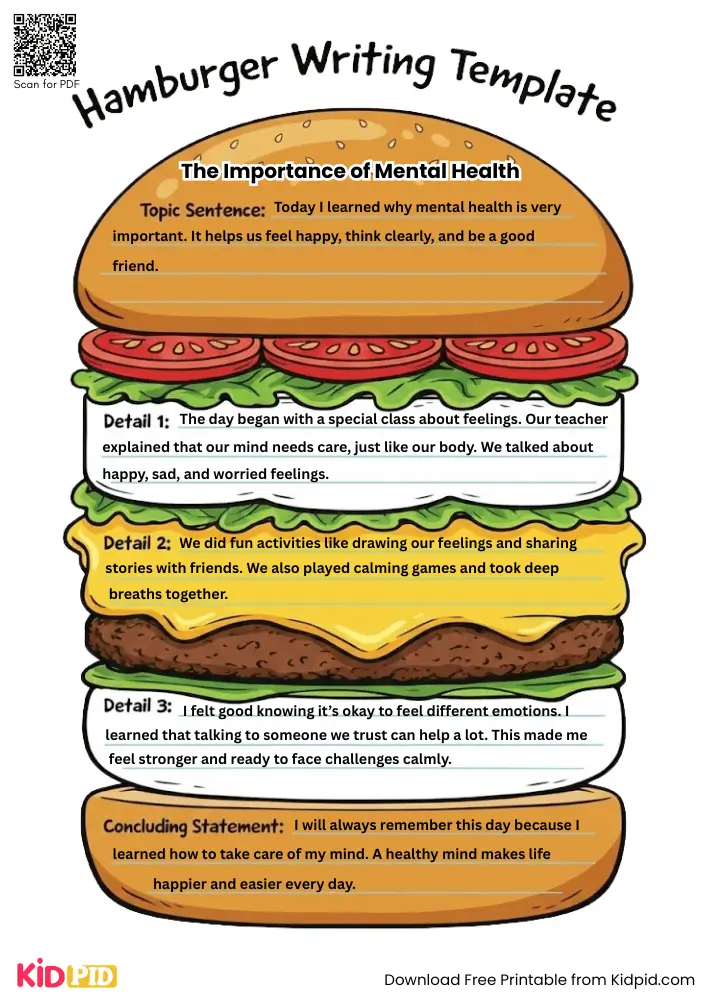
Mental health awareness promotes emotional well-being, stress management, self-care, resilience, healthy relationships, productivity, and overall life satisfaction.
The Effects Of Fast Food
Fast food consumption increases obesity risk, heart disease, poor nutrition, low energy, digestive problems, and long-term health complications.
Should Homework Be Reduced?

Reducing homework may decrease stress, improve work-life balance, enhance creativity, increase family time, and support mental well-being.