Staying focused helps children learn better and complete tasks with confidence. When kids practice concentration and avoid distractions, they understand lessons easily and use time wisely. Learning how to stay focused builds discipline, improves performance, and supports success in school, games, and everyday activities.
5 Pointers on ‘How I Learned to Stay Focused’
- Keep toys and noise away while working.
- Finishing little tasks helps stay focused.
- Rest helps the mind stay fresh.
- Paying attention improves understanding.
- Focus becomes stronger with regular practice.
‘How I Learned to Stay Focused’ Paragraph Writing
Hamburger Paragraph on ‘How I Learned to Stay Focused’ (Free Template)
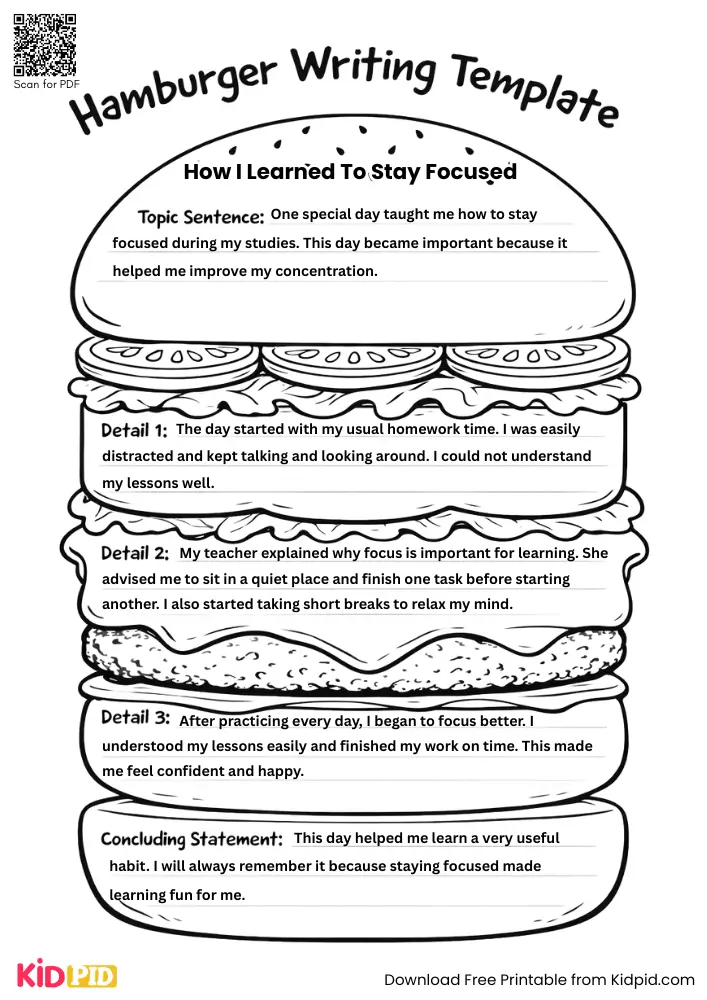
Topic Sentence: One special day taught me how to stay focused during my studies. This day became important because it helped me improve my concentration.
Details 1: The day started with my usual homework time. I was easily distracted and kept talking and looking around. I could not understand my lessons well.
Details 2: My teacher explained why focus is important for learning. She advised me to sit in a quiet place and finish one task before starting another. I also started taking short breaks to relax my mind.
Details 3: After practicing every day, I began to focus better. I understood my lessons easily and finished my work on time. This made me feel confident and happy.
Concluding Statement: This day helped me learn a very useful habit. I will always remember it because staying focused made learning fun for me.
Short Paragraph on ‘How I Learned to Stay Focused’ – 50 Words for Grade 4
I learned to stay focused by practicing every day. Earlier, I got distracted easily while studying. My teacher advised me to sit quietly and finish one task at a time. Slowly, I improved. Now, I complete my work on time and feel proud of myself.
Long Paragraph on ‘How I Learned to Stay Focused’ – 100 Words for Grade 5

Earlier, I found it hard to stay focused during my studies. I often looked around and talked to friends. My teacher helped me understand the importance of concentration. I started sitting in a quiet place and completing one task at a time. I also took short breaks to relax my mind. Slowly, I learned to focus better and understand lessons easily. This change helped me finish my work on time and feel confident in class. Staying focused made learning enjoyable and less stressful for me.
‘How I Learned to Stay Focused’ Essay Writing
‘How I Learned to Stay Focused’- 150 to 200 Words Essay for Grades 6 to 8 Students
I learned to stay focused by turning homework into a game. I used to stare at a messy desk, getting distracted by toys, noises, or my own daydreams. My dad taught me the “Focus Sprint” method. First, we cleared my desk of everything except my book, one pencil, and a simple timer. We set the timer for just 15 minutes. The rule was simple: for those 15 minutes, I had to work only on my math sheet. I couldn’t get up, fiddle with things, or think about anything else. If I did, the “sprint” was over. The first few times were hard, but I wanted to “win” the sprint. When the timer rang, I got a 5-minute break to move around. Then, we’d start another sprint. Breaking my work into these small, timed chunks made it feel like a race against the clock, not a boring chore. Soon, I found I could work through an entire assignment in a few sprints without even wanting to quit. I learned that focus is a skill you can practice, and a timer can be your best coach!
‘How I Learned to Stay Focused’ – 300 Words Essay for Grades 9 to 10 Students
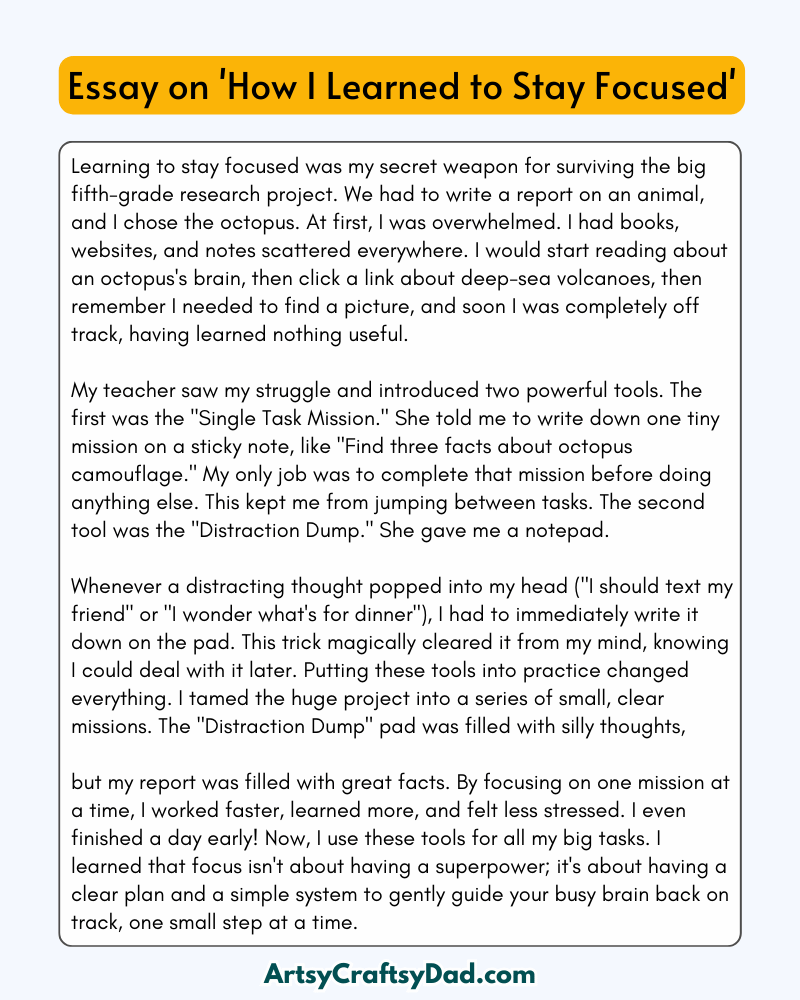
Learning to stay focused was my secret weapon for surviving the big fifth-grade research project. We had to write a report on an animal, and I chose the octopus. At first, I was overwhelmed. I had books, websites, and notes scattered everywhere. I would start reading about an octopus’s brain, then click a link about deep-sea volcanoes, then remember I needed to find a picture, and soon I was completely off track, having learned nothing useful.
My teacher saw my struggle and introduced two powerful tools. The first was the “Single Task Mission.” She told me to write down one tiny mission on a sticky note, like “Find three facts about octopus camouflage.” My only job was to complete that mission before doing anything else. This kept me from jumping between tasks. The second tool was the “Distraction Dump.” She gave me a notepad. Whenever a distracting thought popped into my head (“I should text my friend” or “I wonder what’s for dinner”), I had to immediately write it down on the pad. This trick magically cleared it from my mind, knowing I could deal with it later.
Putting these tools into practice changed everything. I tamed the huge project into a series of small, clear missions. The “Distraction Dump” pad was filled with silly thoughts, but my report was filled with great facts. By focusing on one mission at a time, I worked faster, learned more, and felt less stressed. I even finished a day early! Now, I use these tools for all my big tasks. I learned that focus isn’t about having a superpower; it’s about having a clear plan and a simple system to gently guide your busy brain back on track, one small step at a time.
Related Essay & Paragraph Topics
- The Importance of Concentration in Studies
- How I Improved My Attention in Class
- Learning to Avoid Distractions
- A Habit That Helped Me Focus Better
- Why Focus Is Important for Success
You May like this:
The Effects Of Bullying
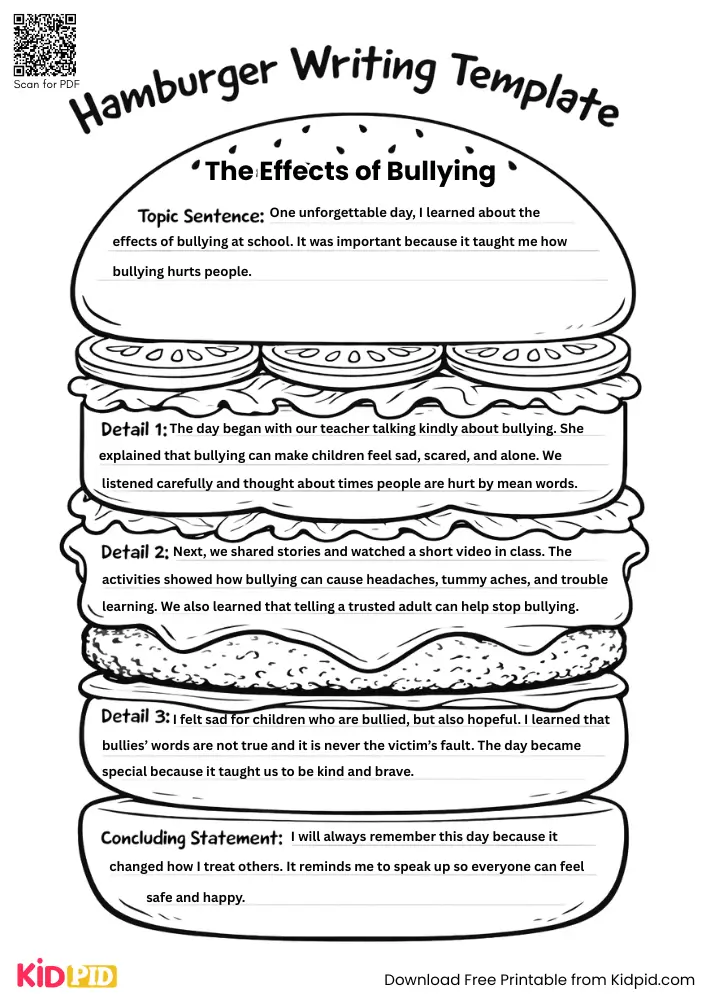
Bullying causes emotional trauma, low self-esteem, anxiety, depression, academic decline, social isolation, and long-term psychological harm, highlighting the need for anti-bullying awareness.
Should Kids Do Chores At Home?
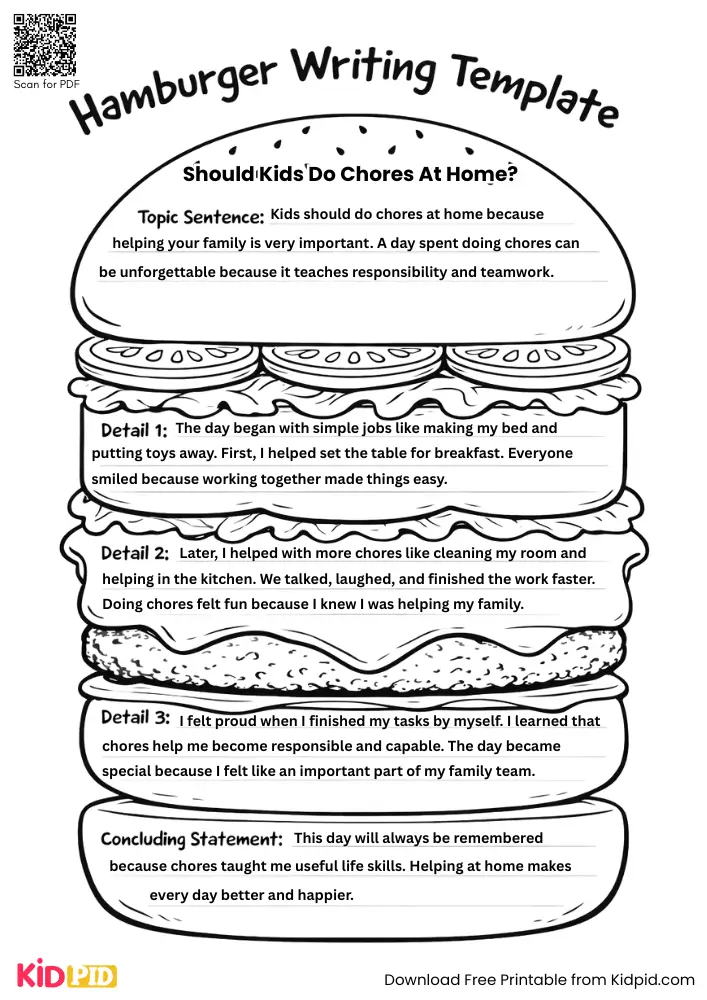
Doing chores teaches responsibility, discipline, teamwork, independence, time management, life skills, family cooperation, and strong work ethics.
Why Teamwork Matters
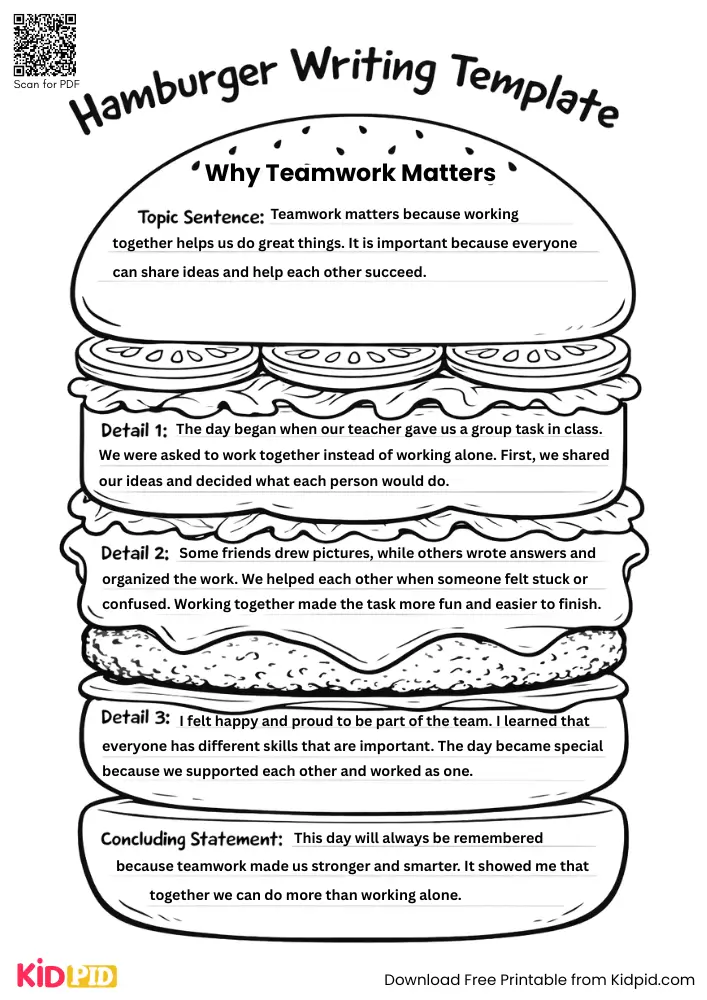
Teamwork enhances collaboration, communication skills, leadership development, problem-solving, productivity, trust-building, and shared success in school and workplace environments.
The Value Of Good Friendships
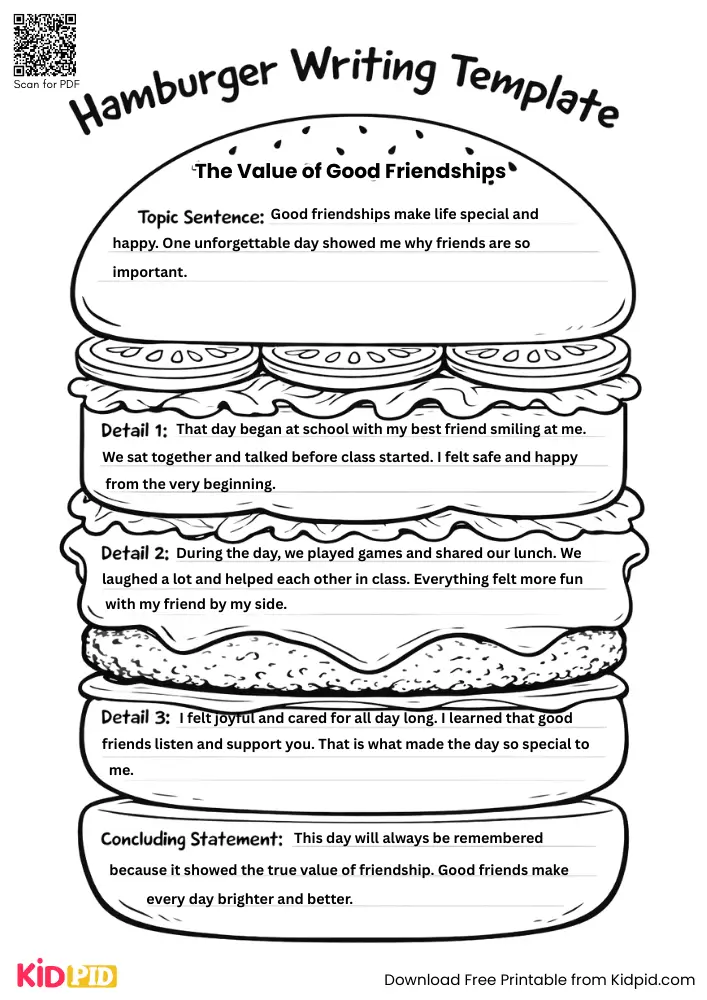
Good friendships provide emotional support, trust, loyalty, happiness, shared experiences, mental health benefits, and personal growth.
How Music Affects Mood
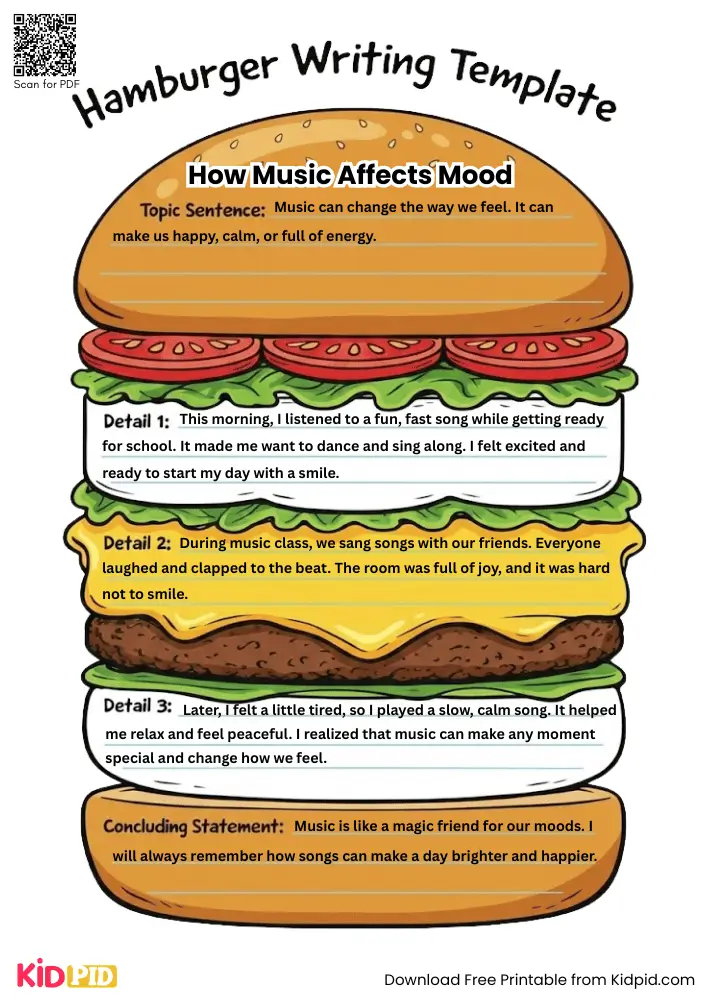
Music influences emotions, reduces stress, boosts motivation, improves concentration, enhances relaxation, and supports mental health.