“Protecting local wildlife is important for a healthy planet. Simple actions like keeping our neighborhoods clean, planting trees and flowers, and giving animals safe water can make a big difference. By respecting their homes and being careful visitors, we help birds, bees, and other creatures live safely and happily.”
5 Pointers on ‘How to Protect Local Wildlife’
- We should not harm animals and should respect their natural homes.
- Keeping our surroundings clean helps animals live safely.
- Planting trees and protecting green spaces gives wildlife shelter and food.
- We should avoid using plastic and harmful chemicals.
- Helping injured animals and spreading awareness can protect wildlife
‘How to Protect Local Wildlife’ Paragraph Writing
Hamburger Paragraph on ‘How to Protect Local Wildlife’ (Free Template)

Topic Sentence: Last Saturday was an unforgettable day because our class learned how to protect local wildlife. It was important because we discovered how small actions can keep animals safe.
Details 1: The day began with a morning walk in the park near our school. Our teacher showed us birds, insects, and small animals living there. We talked about why they need clean water and safe homes.
Details 2: We planted local flowers to help bees and birds find food. We also placed a small dish of clean water under a tree. Everyone enjoyed picking up trash and putting it in bins.
Details 3: I felt happy helping animals in our neighborhood. I learned to watch wildlife quietly from far away and stay on paths. I also learned that keeping cats indoors can protect birds.
Concluding Statement: This day will always be remembered because we became wildlife friends. It taught us that small acts can make a big difference for animals.
Short Paragraph on ‘How to Protect Local Wildlife’ – 50 Words for Grade 3
Be a wildlife friend! Plant local flowers for bees and birds. Give them clean water in a dish. Always put trash in bins. Keep cats indoors. Watch animals quietly from far away. Stay on paths when hiking. Small acts make a big difference. You can help keep animals safe and happy.
Long Paragraph on ‘How to Protect Local Wildlife’ – 100 Words for Grade 4

You can protect local wildlife every day. Start at home: plant native flowers and trees for food and shelter. A shallow dish of clean water helps all animals. Always throw away trash so it doesn’t harm creatures. When you see wildlife, be a quiet observer and keep your distance to avoid scaring them. If you’re exploring, stay on marked trails to protect animal homes on the ground. Keeping pet cats indoors saves birds. Avoid using chemicals in your garden. Remember, even small actions make our neighborhood a better, safer home for the animals who share it with us.
‘How to Protect Local Wildlife’ Essay Writing
‘How to Protect Local Wildlife’ – 150 to 200 Words Essay for Grades 5 to 7 Students
Protecting local wildlife is about being a good neighbor to the animals who share our home. You can start right in your own yard! Create a mini-habitat by planting native plants that offer birds and bugs food and a safe place to live. A simple bird feeder or a shallow dish of water is a big help. Next, keep your neighborhood clean. Litter, especially plastic bags and rings, can be dangerous for curious animals. Always put trash in a bin.
When you’re out exploring, be a quiet observer. Use your eyes and ears, not your hands. Getting too close can scare animals away from their babies or their food. Always stay on the trail when hiking to avoid crushing the plants and homes that are hiding underfoot. Remember, we are visitors in their home. Every small action, like planting a flower or picking up a piece of trash, makes our community a safer, happier place for all creatures.
‘How to Protect Local Wildlife’ – 300 Words Essay for Grades 8 to 10 Students

Imagine if someone came into your house, moved your furniture, left dangerous toys on the floor, and made a lot of noise. You wouldn’t like it! Protecting local wildlife means remembering that forests, parks, and even our backyards are home to animals, and we should be respectful visitors. We can all be wildlife guardians with some thoughtful habits.
The most powerful thing you can do is create a safe space. Turn your balcony or garden into a wildlife cafe and hotel by planting native flowers, bushes, and trees. These plants provide the perfect nectar, seeds, and berries that local birds, butterflies, and bees need to survive. Add a water source, like a birdbath with clean water, and you’ve made a five-star resort! It’s also crucial to remove dangers. Keeping your cats indoors protects songbirds. Putting up window decals stops birds from flying into glass. Always disposing of trash properly, especially plastic, ensures animals don’t mistake it for food or get trapped.
When we visit natural areas, our behavior matters most. Be a calm and quiet explorer. Use binoculars to watch animals from afar. Loud shouts and fast movements stress wildlife, wasting the energy they need to find food and care for their young. Always stick to marked paths. When we wander off-trail, we can accidentally trample on delicate plants, destroy insect homes, or scare animals from their nests. If you find a baby animal alone, it’s best to leave it—its parent is likely nearby. Don’t touch it or try to take it home.
Finally, you can help by making smart choices. Avoid using harmful chemicals on your lawn. Support local nature centers and parks that protect animal habitats. By being a mindful neighbor, a careful visitor, and a vocal supporter, you help ensure that foxes, frogs, fireflies, and all our wild neighbors have a safe and healthy place to live for generations to come.
Related Essay & Paragraph Topic
- Ways to Protect Animals Around Us
- Saving Our Local Wildlife
- How We Can Help Wild Animals
- Caring for Birds and Animals Near Us
- Protecting Nature and Wildlife
You May like this:
Learning Patience For Growth
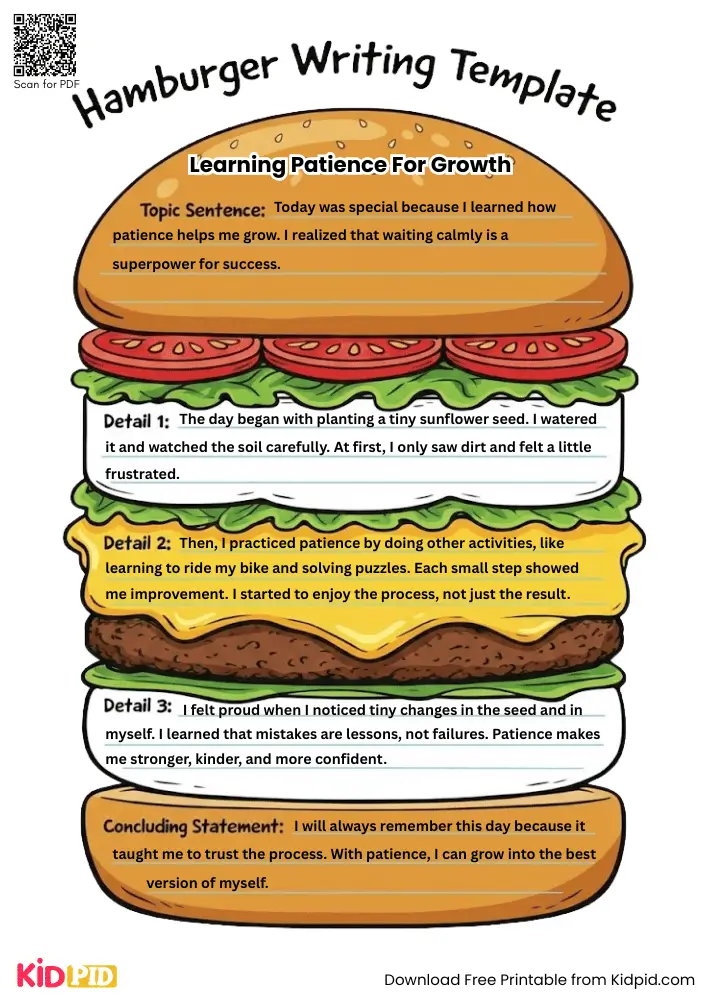
Learning patience supports personal growth, emotional intelligence, and long-term success. Patience helps manage challenges, improve decision-making, and build resilience while encouraging consistent effort and steady progress.
Why Character Matters More Than Talent

Character reflects honesty, integrity, and responsibility. Strong character builds trust, leadership, and respect, proving that values and ethical behavior matter more than natural talent alone.
Importance Of Inner Stability

Inner stability builds emotional strength, calm thinking, and balanced decision-making. A stable mindset helps handle challenges and supports mental well-being.
Learning Independence Responsibly
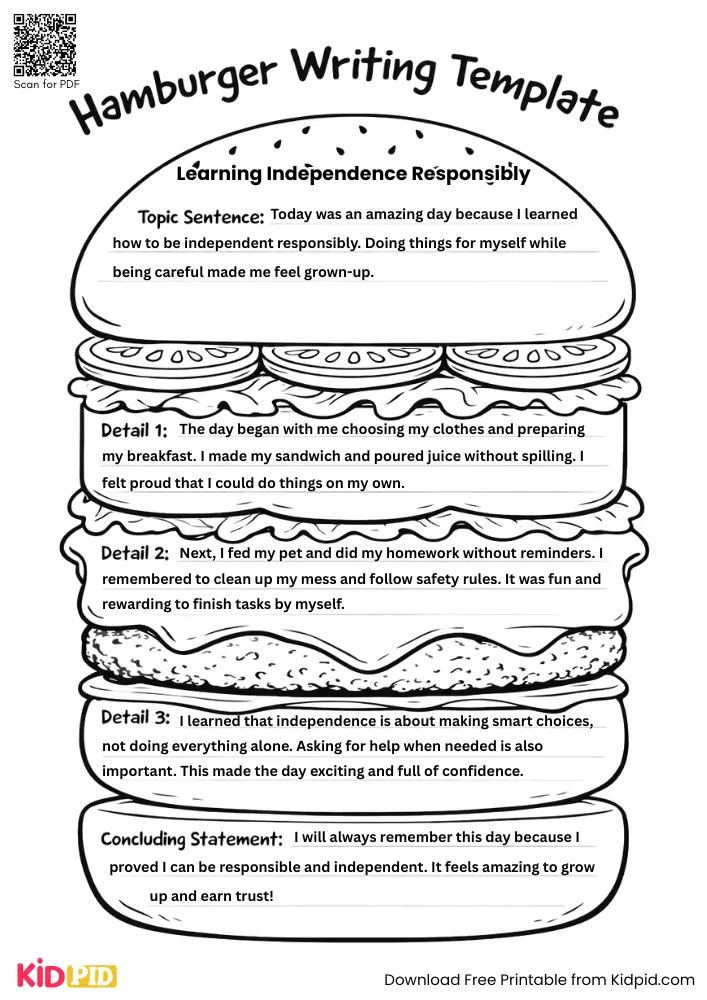
Responsible independence encourages self-confidence, accountability, and decision-making skills. Learning to manage responsibilities builds maturity and personal growth.
Learning Resilience Slowly

Resilience develops gradually through challenges, patience, and experience. Learning to recover from difficulties builds emotional strength and confidence.