“Problem-solving skills help children face challenges calmly and confidently. Learning to find solutions teaches patience, creativity, and smart thinking. These skills are useful in school, games, and everyday life. Children who practice problem-solving become independent, brave, and ready for future challenges, making life easier and more fun.”
5 Pointers on ‘Importance of Problem-Solving Skills’
- Problem-solving helps children think clearly and calmly.
- It teaches kids how to find solutions instead of giving up.
- These skills help in schoolwork, games, and daily life.
- Problem-solving builds confidence and independence.
- It prepares children for future challenges.
‘Importance of Problem-Solving Skills’ Paragraph Writing
Hamburger Paragraph on ‘Importance of Problem-Solving Skills’ (Free Template)

Topic Sentence : Problem-solving skills are very important for children. They help kids think clearly and find smart solutions to problems.
Details 1 : The day began with a fun puzzle game in class. Everyone was excited to play and solve the challenges. At first, it seemed tricky, and some children felt confused.
Details 2 : Then, the teacher gave hints and showed how to break problems into small steps. Children worked together and shared ideas to find answers. They laughed and cheered when they solved each puzzle.
Details 3 : By the end of the day, everyone felt proud and confident. They learned that mistakes are okay and can help us think better. The day became special because they realized problem-solving is fun and helpful.
Concluding Statement : This day will always be remembered because it taught children to stay calm and find solutions. Problem-solving skills will help them in school, at home, and in life.
Short Paragraph on ‘Importance of Problem-Solving Skills’ – 50 Words for Grades 3 to 4
Problem-solving skills help children think better. They learn how to fix small problems. These skills help in school and at home. Children feel confident when they find solutions. Problem-solving also teaches patience and smart thinking.
Long Paragraph on ‘Importance of Problem-Solving Skills’ – 100 Words for Grade 5

Problem-solving skills are important for children. They help kids think clearly and calmly. When children face problems, they learn to find solutions instead of giving up. These skills help in school subjects like math and science. Problem-solving also helps children work with others and share ideas. It builds confidence and independence. Children who solve problems learn from mistakes and try again. These skills prepare them for future challenges and help them become strong and smart individuals
‘Importance of Problem-Solving Skills’ Essay Writing
‘Importance of Problem-Solving Skills’ – 150 to 200 Words Essay for Grades 5 to 7 Students
Imagine your bike chain is stuck. You could get upset and give up. Or, you could take a deep breath and figure it out. That’s problem-solving! It’s one of the most important skills you can learn. Why? Because life is full of little puzzles, from tough homework to building the tallest Lego tower without it falling.
When you practice solving problems, you become braver. You stop being afraid of mistakes and start seeing them as clues. Each problem you crack is like leveling up in a game—it fills you with confidence! It also makes your brain super creative. You start thinking of cool, new ways to do things, like using a cardboard box as a spaceship.
Plus, problems are easier to solve with friends. You learn to talk about the issue, listen to ideas, and work as a team. So, next time you face a problem, don’t run away. Put on your thinking cap, be a detective, and find a solution. You’ll discover that you are smarter and more capable than you ever imagined!
‘Importance of Problem-Solving Skills’ – 300 Words Essay for Grades 8 to 10 Students

Have you ever been stuck on a difficult level in a video game? You don’t just quit; you try different moves until you win! That’s problem-solving in action. It’s not just for games or school—it’s a superpower for everyday life. Learning to solve problems is like having a special toolkit for your brain that helps you handle anything.
First, problem-solving turns “I can’t” into “Let’s see.” When you face a challenge, like a tricky science project or a disagreement with a sibling, your problem-solving skills kick in. You learn to stay calm, look at the situation, and think of possible fixes. Maybe the first idea won’t work, and that’s okay! Trying different ways teaches you patience and perseverance. Every time you find a solution, you grow more confident. You realize that no puzzle is too big for you to tackle.
Second, it makes you a creative inventor. Your brain gets better at connecting different ideas. You might use an old sock as a puppet or find a new route to win a board game. This creativity is fun and useful everywhere. Third, it turns you into a teamwork champion. Big problems are often solved together. You learn to share your thoughts, listen to others, and combine your ideas to create the best solution ever. This is how great things are built, both in the classroom and in the world.
Finally, these skills prepare you for the future. Grown-ups use problem-solving every day at work, at home, and in their communities. By starting now, you’re training to be a capable, smart, and helpful person. So, embrace challenges! See every problem as a mystery waiting for your brilliant solution. Remember, the most amazing explorers, scientists, and leaders were all kids who never stopped asking, “How can I fix this?”
Related Essay & Paragraph Topic
- Why Problem-Solving Skills Matter
- Learning to Solve Problems in Daily Life
- How Problem-Solving Helps Children Grow
- Problem-Solving Skills for a Better Future
- Thinking Smart: The Power of Problem-Solving
You May like this:
Importance Of Routine

A structured routine improves discipline, productivity, and mental clarity. Regular schedules support time management, reduce stress, and help individuals maintain balance, focus, and consistency in daily life for long-term personal and academic success.
Managing Anger Calmly
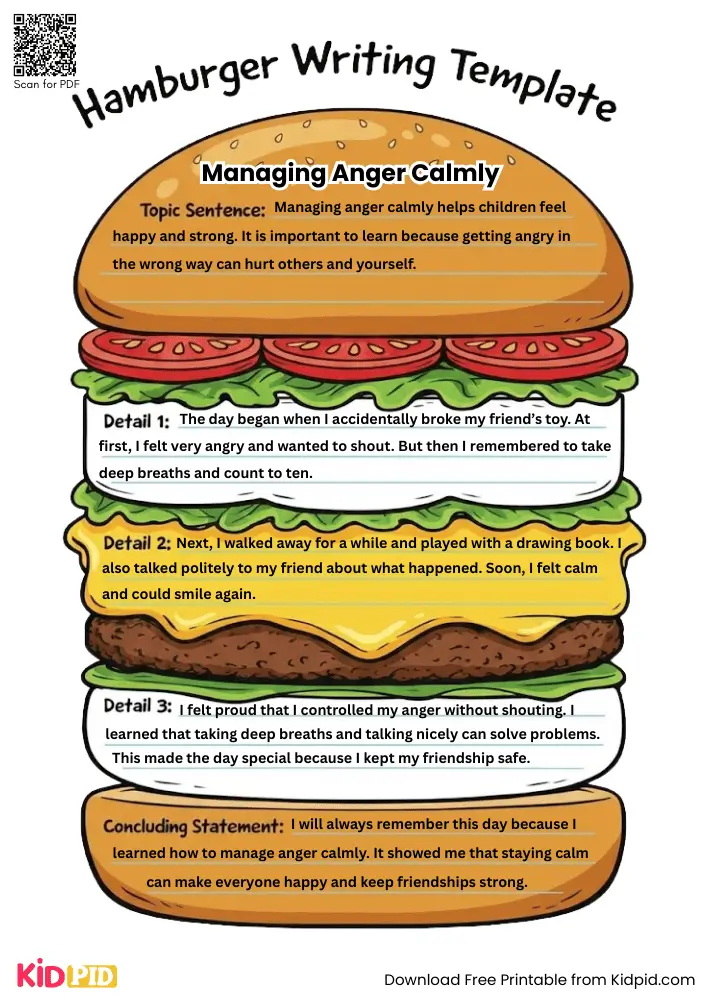
Calm anger management promotes emotional balance, healthy communication, and self-control. Techniques like deep breathing, reflection, and patience reduce conflict, improve relationships, and support mental well-being.
Expressing Feelings Positively

Positive emotional expression improves communication, relationships, and well-being. Sharing thoughts calmly builds trust, reduces misunderstandings, and promotes supportive connections.
Learning Empathy

Empathy strengthens compassion, communication, and social harmony. Understanding others’ feelings builds trust, kindness, and meaningful relationships while encouraging responsible social behavior.
Emotional Maturity
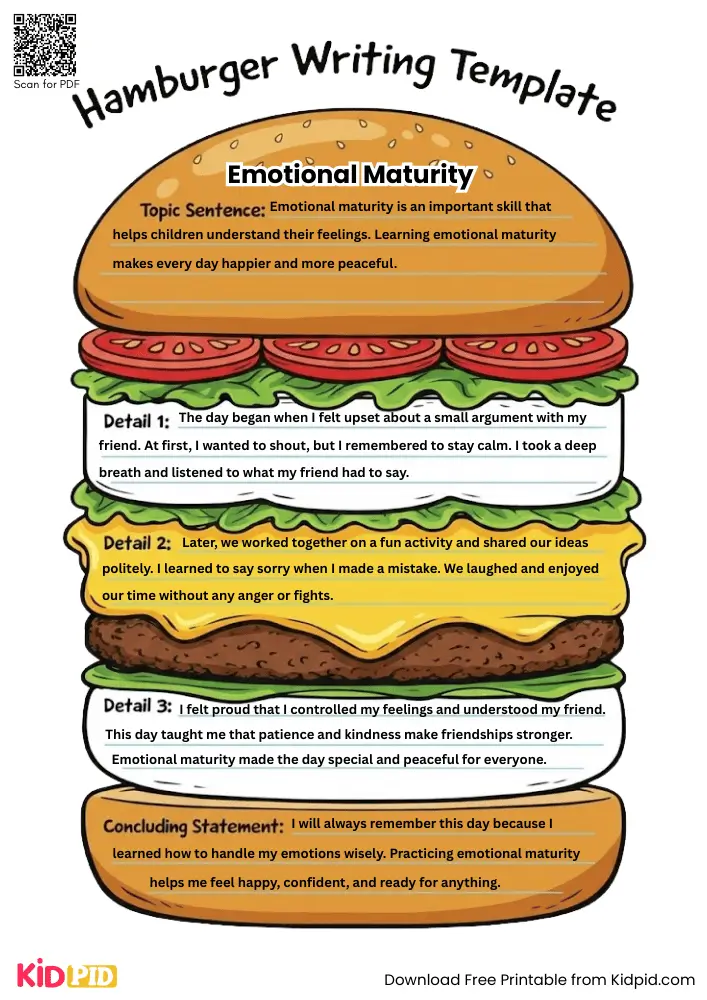
Emotional maturity improves decision-making, stability, and relationships. Controlling reactions, accepting responsibility, and showing understanding support strong character and social success.