Learning to care for the environment from a young age helps children grow into responsible adults. By understanding the importance of nature, saving resources, and protecting animals, kids can develop habits that make the planet cleaner and healthier. Early lessons in eco-responsibility create lifelong positive impact.
5 Pointers on “Learning Environmental Responsibility Early”
- Learning to care for the environment should start at a young age.
- Simple habits like saving water and electricity help protect nature.
- Children can reduce waste by reusing and recycling items.
- Planting trees and caring for plants teaches respect for living things.
- Early responsibility creates mindful citizens for a greener future.
‘Learning Environmental Responsibility Early’ Paragraph Writing
Hamburger Paragraph on ‘Learning Environmental Responsibility Early’ (Free Template)
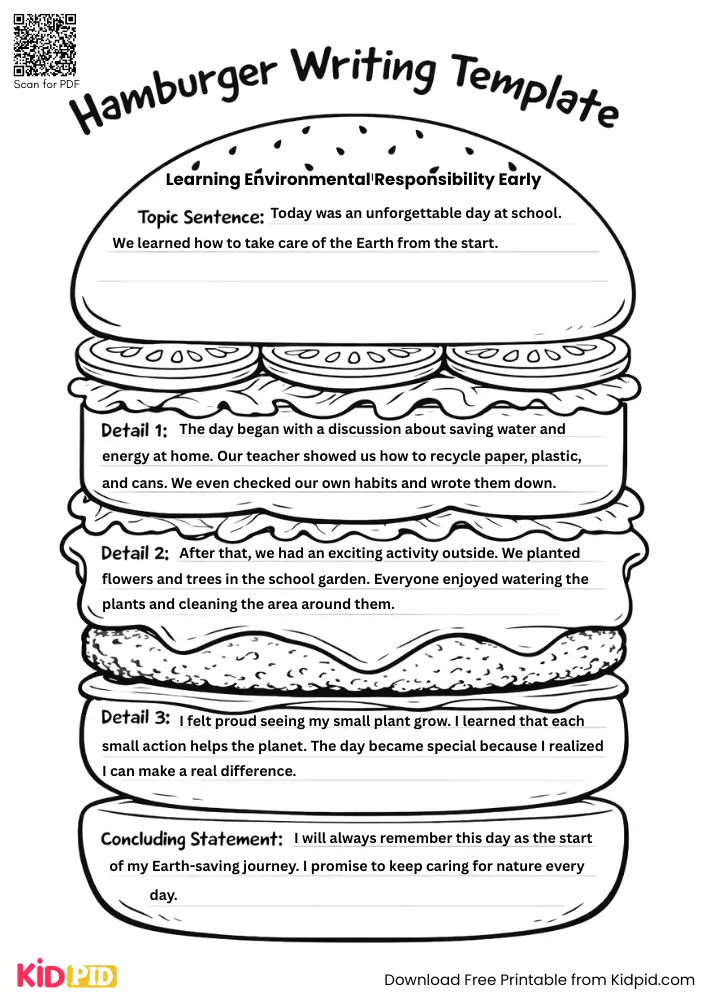
Topic Sentence: Today was an unforgettable day at school. We learned how to take care of the Earth from the start.
Details 1: The day began with a discussion about saving water and energy at home. Our teacher showed us how to recycle paper, plastic, and cans. We even checked our own habits and wrote them down.
Details 2: After that, we had an exciting activity outside. We planted flowers and trees in the school garden. Everyone enjoyed watering the plants and cleaning the area around them.
Details 3: I felt proud seeing my small plant grow. I learned that each small action helps the planet. The day became special because I realized I can make a real difference.
Concluding Statement: I will always remember this day as the start of my Earth-saving journey. I promise to keep caring for nature every day.
Short Paragraph on ‘Learning Environmental Responsibility Early’ – 50 Words for Grade 2 & 3
Learning to care for our planet is fun! We can start small. Turn off the lights to save energy. Use both sides of the paper. Recycle bottles and cans. Plant a seed and watch it grow. Every little action helps the Earth. When we start early, protecting nature becomes a happy habit for life.
Long Paragraph on ‘Learning Environmental Responsibility Early’ – 100 Words for Grade 4
Learning to care for our planet is an important adventure that can start right now. It begins with simple, everyday choices. Remember to turn off the tap while brushing your teeth to save water. Recycle your paper, plastic, and cans instead of throwing them away. Walk or bike when you can, instead of asking for a car ride. These small acts are like superpowers for the Earth! When we learn these good habits early, they stay with us forever. We grow up knowing that our planet is a special home for everyone, and it’s our job to keep it clean and healthy.
‘Learning Environmental Responsibility Early’ Essay Writing
‘Learning Environmental Responsibility Early’ – 150 to 200 Words Essay for Grades 5 to 7 Students
Learning to take care of our planet when we are young is like learning a superpower! When kids practice environmental responsibility, they are becoming heroes for Earth. It starts with simple, everyday actions. We can be “planet protectors” by turning off the water while we soap our hands, recycling our juice boxes, and using both sides of our drawing paper. These small habits add up to a big difference. We also learn to love nature by exploring parks and gardens, understanding that we must leave them clean and beautiful for the birds, bugs, and other kids. When we grow a small plant, we see how important water, sun, and clean soil are for life. By starting early, these actions become as natural as saying “please” and “thank you.” We grow up knowing that our choices matter, and that we have the power to help keep our home—planet Earth—healthy, happy, and green for a very long time.
‘Learning Environmental Responsibility Early’ – 300 Words Essay for Grades 8 to 10 Students
Learning environmental responsibility from a young age is one of the most important lessons we can ever learn. It means understanding that the Earth is our shared home, and just like we clean our rooms and take care of our pets, we must take care of our planet. When kids start early, they grow up to be adults who automatically make kind choices for the environment.
So, how can kids be eco-heroes? It begins with small, mindful actions right where we live. At home, we can be in charge of turning off lights in empty rooms, shortening our shower time, and helping to sort plastic, glass, and paper into the recycling bin. We can also reduce waste by using a reusable water bottle and lunchbox instead of throw-away plastic. These actions save precious resources like water and energy, and they prevent trash from piling up.
Our responsibility continues outdoors. When we visit a beach, forest, or park, we must remember to leave it just as we found it, or even cleaner! Picking up our own trash—and maybe even a piece someone else left behind—protects animals from harm. We can also help wildlife by planting native flowers in a garden or pot, which gives bees and butterflies a snack. Planting a seed, whether it’s for a tomato or a sunflower, is a magical way to learn. It teaches us patience, shows us where food comes from, and helps us appreciate the clean air, water, and soil that all living things need.
The best part about learning this early is that it becomes a natural part of who we are. We don’t see it as a chore, but as a normal way of living. We become more creative, thinking of new ways to reuse old things. We feel proud and powerful knowing our choices, no matter how small, create a ripple of good. By starting now, we ensure that our beautiful planet, with all its amazing forests, oceans, and creatures, stays vibrant and healthy for our own future and for all the generations to come.
Related Essay & Paragraph Topics
- Why Kids Should Care for the Environment from a Young Age
- Teaching Environmental Responsibility in Childhood
- Small Actions, Big Impact: Learning Green Habits Early
- How Early Awareness Shapes Future Environmental Leaders
- The Importance of Eco-Friendly Habits for Young Minds
You May like this:
Following Rules In Society

Following societal rules promotes order, discipline, harmony, legal compliance, safety, fairness, and community well-being.
Respecting Cultural Diversity
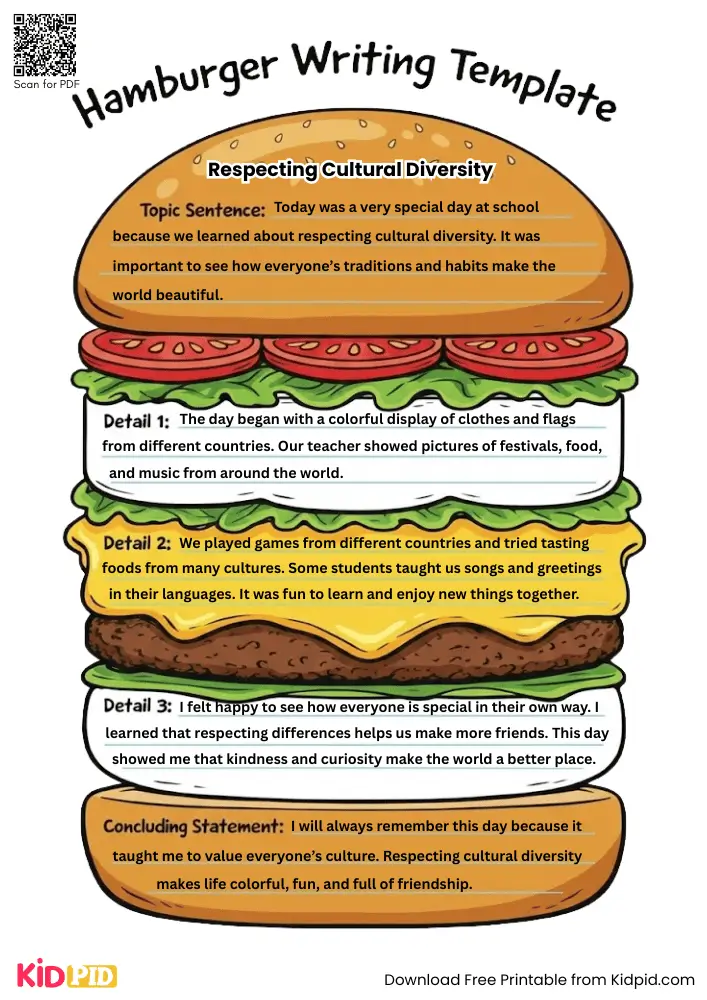
Respecting cultural diversity encourages inclusion, tolerance, global understanding, equality, social harmony, and peaceful coexistence.
Obeying Laws Responsibly
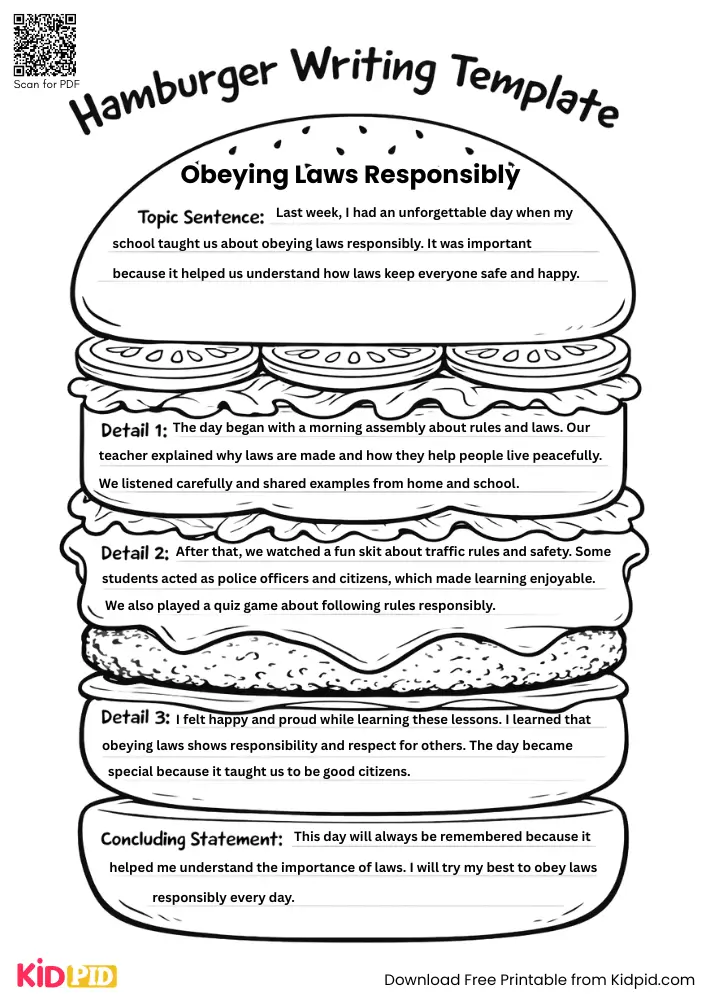
Obeying laws ensures justice, safety, equality, discipline, social order, and responsible citizenship.
Being Aware Of Civic Duties
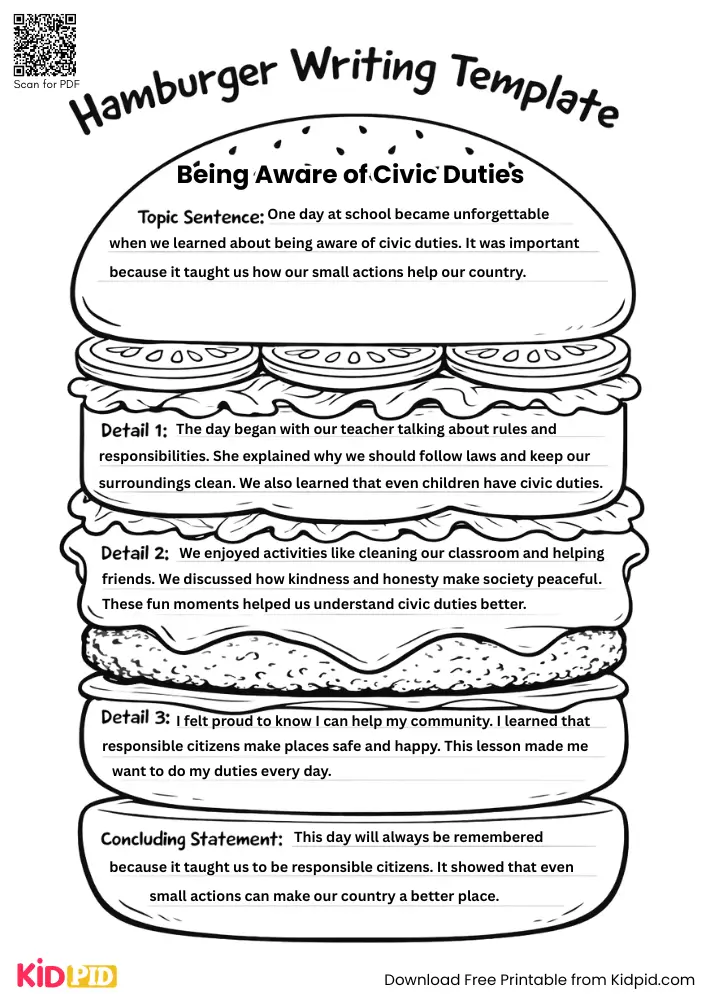
Civic awareness promotes responsible behavior, democratic participation, social responsibility, and active citizenship.
Staying Safe Online

Staying safe online requires strong passwords, privacy settings, cyber awareness, avoiding scams, and responsible digital behavior.