“School activities are more than fun—they are powerful ways to learn. From sports and art to debates and science projects, these activities teach teamwork, creativity, and problem-solving. By taking part, students discover their talents, gain confidence, and enjoy learning in ways that books alone cannot provide.”
5 Pointers on “Learning From School Activities”
- School activities help us learn teamwork and cooperation.
- They make learning fun and exciting beyond textbooks.
- Activities like sports, debates, and art teach important life skills.
- They improve confidence, creativity, and problem-solving.
- Participating in activities helps us discover our interests and talents.
‘Learning From School Activities’ Paragraph Writing
Hamburger Paragraph on ‘Learning From School Activities’ (Free Template)

Topic Sentence: Yesterday’s school activities were very exciting and special. They helped me learn new skills while having fun.
Detail 1: The day began with a sports activity on the playground. We played team games and learned to help each other. Everyone joined in with smiles and energy.
Detail 2: Later, we did a science project in class. We mixed colors and observed reactions carefully. It was interesting to discover new things.
Detail 3: I felt proud of my teamwork and creativity. I also learned patience and how to solve problems. This day became memorable because I learned while enjoying myself.
Concluding Statement: I will always remember this special school day. It taught me that school activities are both fun and educational.
Short Paragraph on ‘Learning From School Activities’ – 50 Words for Grades 2 & 3
School activities are fun. We play games and do projects. These activities teach us new things. We learn to work together. We learn to solve problems. They make learning exciting. So always join in. You will learn more than from books alone.
Long Paragraph on ‘Learning From School Activities’ – 100 Words for Grade 4

School activities are more than just fun. When we play sports, we learn teamwork. In art class, we learn to be creative. Science projects teach us how to solve problems. These activities help us discover what we are good at and what we enjoy. They also show us how to share, listen, and cooperate with friends. Sometimes we might make a mistake, but that is how we learn. Every game, play, or project is a chance to grow smarter and stronger. So, always take part. You will learn important lessons that stay with you for life.
‘Learning From School Activities’ Essay Writing
‘Learning From School Activities’ – 150 to 200 Words Essay for Grades 5 to 7 Students
School is about so much more than just lessons from books! Think about all the fun things you do, like sports day, art class, school plays, and science projects. These activities are secret super-trainers for your life! When you play football or work on a group poster, you are learning how to be a good team player and a kind friend. If you forget your lines in the play, you learn that it’s okay to make a mistake and try harder next time. Planting seeds in the garden teaches you to be patient and responsible. These activities help you discover what you love. Maybe you’ll find out you’re a fantastic storyteller, a speedy runner, or a curious scientist. So, jump into every school activity you can. Pay attention not just to winning or the final grade, but to what you learn about yourself and others. The memories and skills you gain from these fun times will stay with you forever!
‘Learning From School Activities’ – 300 Words Essay for Grades 8 to 10 Students

While reading, writing, and arithmetic form the core of our education, some of the most important lessons we learn in school come from the activities we do outside the textbook. School activities like sports, drama, music, debates, and science clubs are not just breaks from routine; they are practical classrooms for life itself.
Firstly, these activities are laboratories for essential life skills. A team sport like basketball isn’t just about scoring points; it’s a live lesson in cooperation, strategy, and graceful sportsmanship. A group project for a history fair teaches negotiation, delegation, and collaborative problem-solving. When you forget a step in a dance performance or your experiment fails at the science fair, you learn resilience. You understand that setbacks are not dead ends, but stepping stones, teaching you to persevere and improve.
Secondly, co-curricular activities are fantastic for self-discovery. The quiet student might find a powerful voice in a poetry recitation. The one who struggles with equations might excel at designing sets for the school play, revealing a talent for art and engineering. These experiences help us answer the question, “What am I good at?” and “What do I enjoy?” They can spark passions that turn into lifelong hobbies or even future careers.
Finally, these activities build our social and emotional character. They force us out of our comfort zones to interact with different people, fostering empathy, communication, and leadership. The shared pride of a successful concert or the collective effort of cleaning up after a school fair builds a strong sense of community and responsibility.
In conclusion, the playground, the auditorium, and the art room are just as important as the classroom. They teach us how to work with others, how to face challenges, and most importantly, they help us understand who we are. So, the next time you have a chance to join a club or participate in an event, embrace it wholeheartedly. You’re not just having fun—you’re learning crucial lessons that will shape the person you become.
Related Essay & Paragraph Topics
- How Sports Teach Teamwork and Discipline
- The Value of Art and Music in School
- Learning Leadership Through Class Projects
- Science Experiments: Fun Ways to Discover Knowledge
- School Events and the Lessons They Bring
You May like this:
Learning To Say No Politely

This essay explains how politely saying no helps maintain boundaries and respect. Encourages confidence, good communication skills, self-respect, and responsible decision-making.
Importance Of Awareness In Daily Life
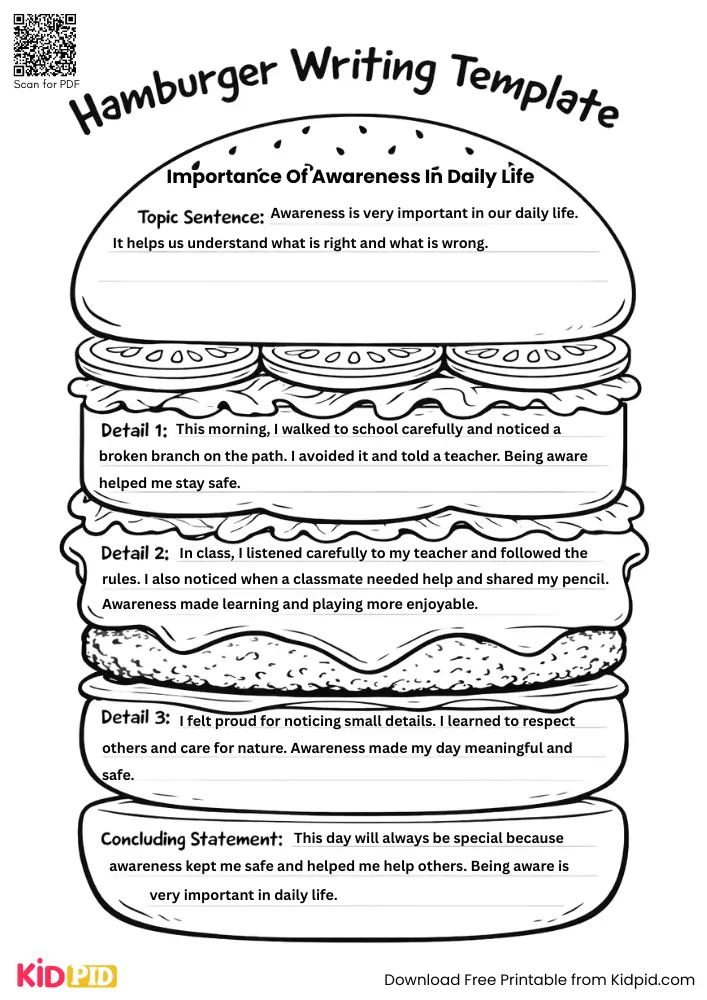
This essay highlights how awareness helps people make safe and smart decisions. Encourages alertness, responsibility, careful observation, and mindful living.
Why Discipline Begins At Home

This essay explains how discipline starts with habits learned at home. Encourages respect, good manners, responsibility, and positive family values for strong character building.
Power of Good Thoughts

This essay explains how positive thoughts influence behavior, happiness, and success. Encourages optimism, healthy mindset, emotional balance, and personal growth.
Importance Of Clear Thinking

This essay highlights how clear thinking helps solve problems and make better decisions. Encourages focus, logical reasoning, calm mindset, and effective decision-making.