Learning responsibility early in life helps children understand right choices, daily duties, and caring for others. When kids learn to manage small tasks, they build confidence and honesty. These early habits guide them to become reliable, thoughtful, and successful individuals in school, family, and future life.
5 Pointers on “Learning Responsibility Early in Life”
- Responsibility teaches children to care for their actions and choices.
- It helps kids become independent and confident in daily life.
- Early responsibility builds honesty, discipline, and self-control.
- It prepares children to handle school, home, and social duties well.
- Responsible habits make children respectful and trustworthy adults.
‘Learning Responsibility Early in Life’ Paragraph Writing
Hamburger Paragraph on ‘Learning Responsibility Early in Life’ (Free Template)
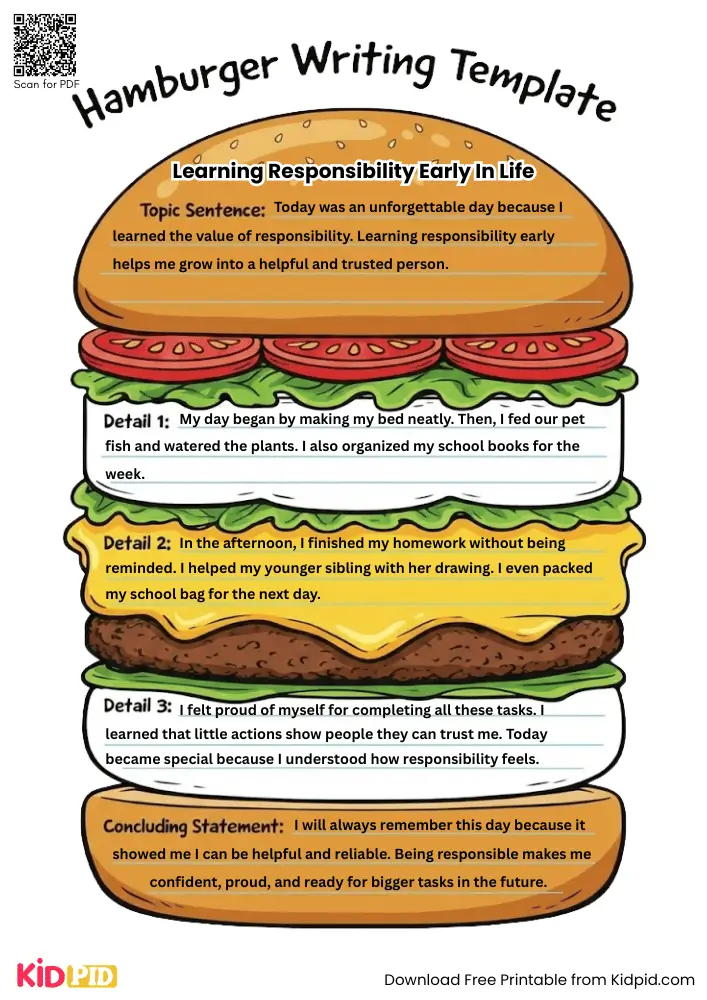
Topic Sentence: Today was an unforgettable day because I learned the value of responsibility. Learning responsibility early helps me grow into a helpful and trusted person.
Details 1: My day began by making my bed neatly. Then, I fed our pet fish and watered the plants. I also organized my school books for the week.
Details 2: In the afternoon, I finished my homework without being reminded. I helped my younger sibling with her drawing. I even packed my school bag for the next day.
Details 3: I felt proud of myself for completing all these tasks. I learned that little actions show people they can trust me. Today became special because I understood how responsibility feels.
Concluding Statement: I will always remember this day because it showed me I can be helpful and reliable. Being responsible makes me confident, proud, and ready for bigger tasks in the future.
Short Paragraph on ‘Learning Responsibility Early in Life’ – 50 Words for Grades 2 & 3
Learning responsibility early is important. Start with small tasks. Like keeping your room tidy. Or finishing homework on time. These habits teach you to be reliable. You feel proud when you get things done. It helps you grow into a capable person everyone can trust.
Long Paragraph on ‘Learning Responsibility Early in Life’ – 100 Words for Grade 4

Learning responsibility early helps you grow strong and confident. Start with simple things. Make your bed each morning. Feed your pet. Put your toys away. These small acts teach you to care for your things and your promises. When you finish your homework without being told, you feel great. It shows you can be trusted. Being responsible means others can count on you. This makes you a good friend and family member. These good habits, learned young, will help you succeed in school and later in life. You become someone who can handle bigger tasks with ease.
‘Learning Responsibility Early in Life’ Essay Writing
‘Learning Responsibility Early in Life’ – 150 to 200 Words Essay for Grades 5 to 7 Students
Learning responsibility when you are young is like growing a superpower! It starts with little jobs, like putting your dirty clothes in the basket or helping to sort the recycling. When you do these things, you are learning to take care of yourself and the world around you. It feels great to know you are a helpful part of your family and classroom.
Think of it as practice for being a fantastic grown-up. When you remember to feed your fish or water a plant, you are keeping another living thing happy and healthy. If you forget your library book, you learn what happens and try to remember next time. That’s how you get smarter and stronger! Grown-ups will be so proud of you for trying, and you will feel proud of yourself, too. Being responsible means people know they can count on you. It’s the first step to becoming someone who can do amazing things!
‘Learning Responsibility Early in Life’ – 300 Words Essay for Grades 8 to 10 Students

Learning responsibility early in life is one of the most important lessons we can learn. It isn’t just about doing chores; it’s about becoming a person others can trust and rely on. This journey starts in small, everyday ways. For a young child, responsibility might mean putting toys away after playing. For an older student, it could be managing homework without being reminded, caring for a pet, or helping a younger sibling.
Why is this so crucial? First, it builds self-confidence. Every time you complete a task, you prove to yourself, “I can do this!” This feeling of capability is powerful. Second, it teaches you about consequences. If you responsibly finish your homework, you get to enjoy free time. If you forget to pack your soccer cleats, you might not be able to play. These natural lessons are far more effective than constant scolding. They help your brain understand cause and effect.
Furthermore, early responsibility shows you that you are a valuable part of a community—your family, your class, your team. When you do your part, you make everything run more smoothly for everyone. You learn empathy and understand that your actions affect others. This is the foundation of good citizenship.
Finally, the habits you form as a child stick with you. The discipline you learn from finishing your chores transfers to studying for a test, saving money for a goal, or later, doing well in a job. Responsibility is the muscle that helps you tackle bigger and bigger challenges. It’s not always fun in the moment, but the freedom, trust, and pride it earns you are priceless rewards. By starting young, you are not just helping out today; you are building the blueprint for a successful and happy future.
Related Essay & Paragraph Topics
- Why Learning Responsibility Early Shapes a Better Future
- Understanding Responsibility in Childhood
- How Responsibility Helps Children Grow Strong and Independent
- A Key Life Skill from a Young Age
- Lessons We Learn Early in Life
You May like this:
Role of Children in Society
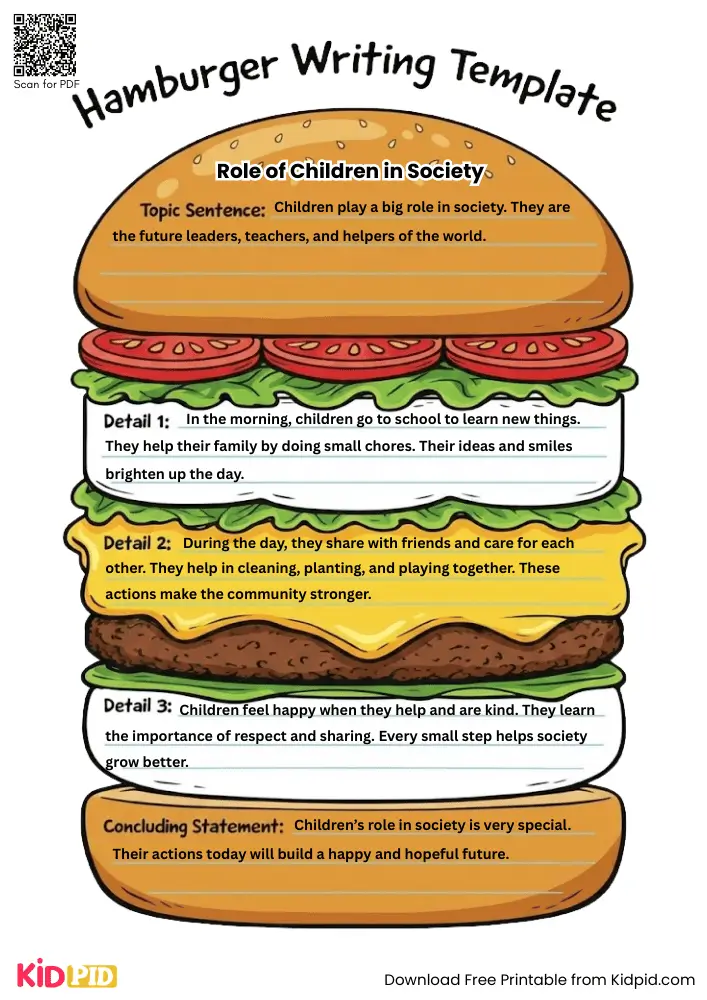
This essay explains how children contribute to society by learning good values, respecting others, helping communities, and becoming responsible future citizens who build a better world.
Importance of Social Responsibility

This essay explains how social responsibility encourages people to help others, protect the environment, and contribute positively to society, promoting kindness, cooperation, and responsible citizenship.
Being a Responsible Neighbor

This essay highlights how kindness, respect, and cooperation create good relationships with neighbors. Encourages helping others, maintaining peace, and building strong community bonds.
Importance of Digital Safety
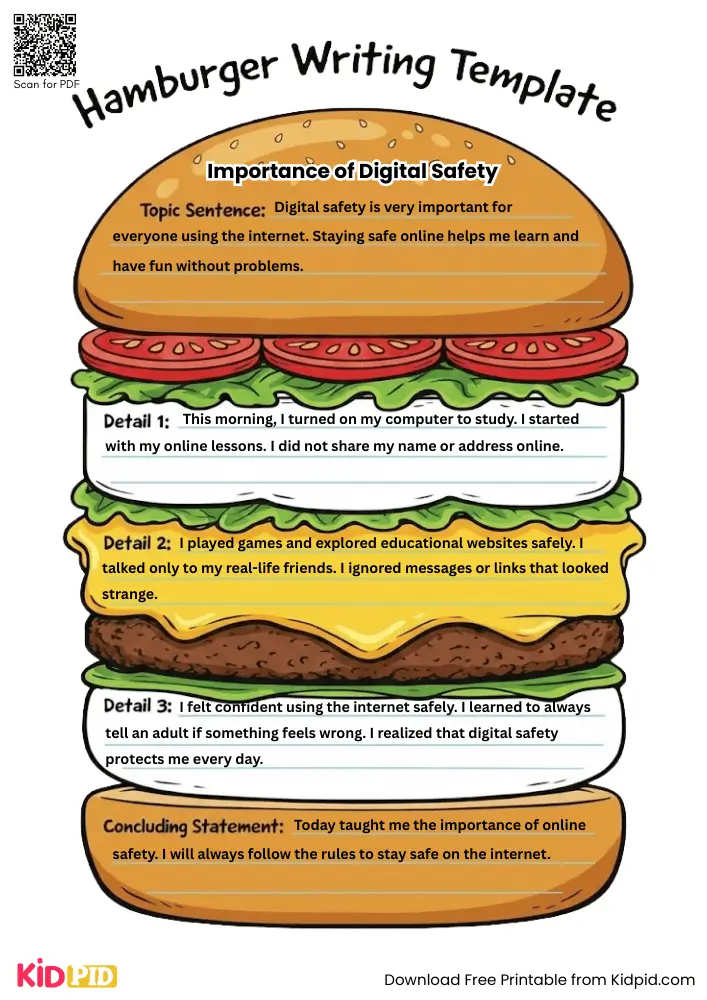
This essay highlights why digital safety is important while using the internet. Encourages children to protect personal information, avoid online risks, and use technology responsibly.
Benefits of Educational Apps
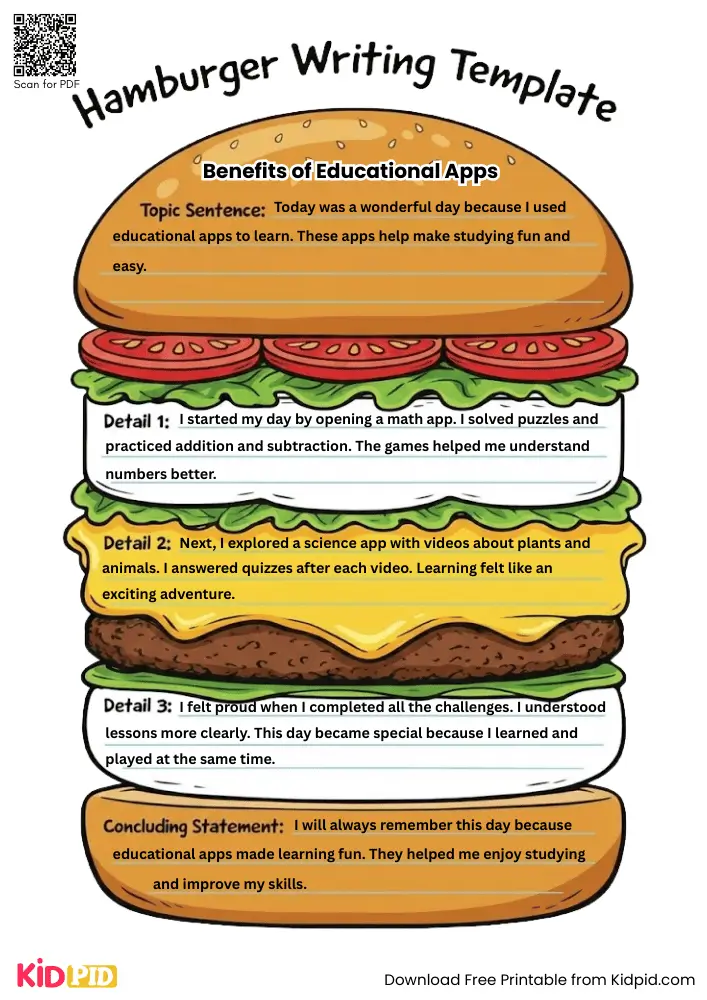
This essay explains how educational apps support learning through interactive lessons, games, and digital resources. Encourages smart technology use for improving knowledge and study skills.