“Teamwork is an important skill students learn at school. Working together with classmates helps children share ideas, solve problems, and complete tasks more easily. Learning teamwork teaches cooperation, patience, and respect for others. These skills make school activities fun and prepare students to work well with people in the future.”
5 Pointers on ‘Learning Teamwork at School’
- Teamwork teaches students to work together with friends.
- It helps share ideas and solve problems easily.
- Teamwork encourages listening and respecting others’ opinions.
- It builds patience, cooperation, and confidence.
- Learning teamwork prepares students for real-life challenges.
‘Learning Teamwork at School’ Paragraph Writing
Hamburger Paragraph on ‘Learning Teamwork at School’ (Free Template)
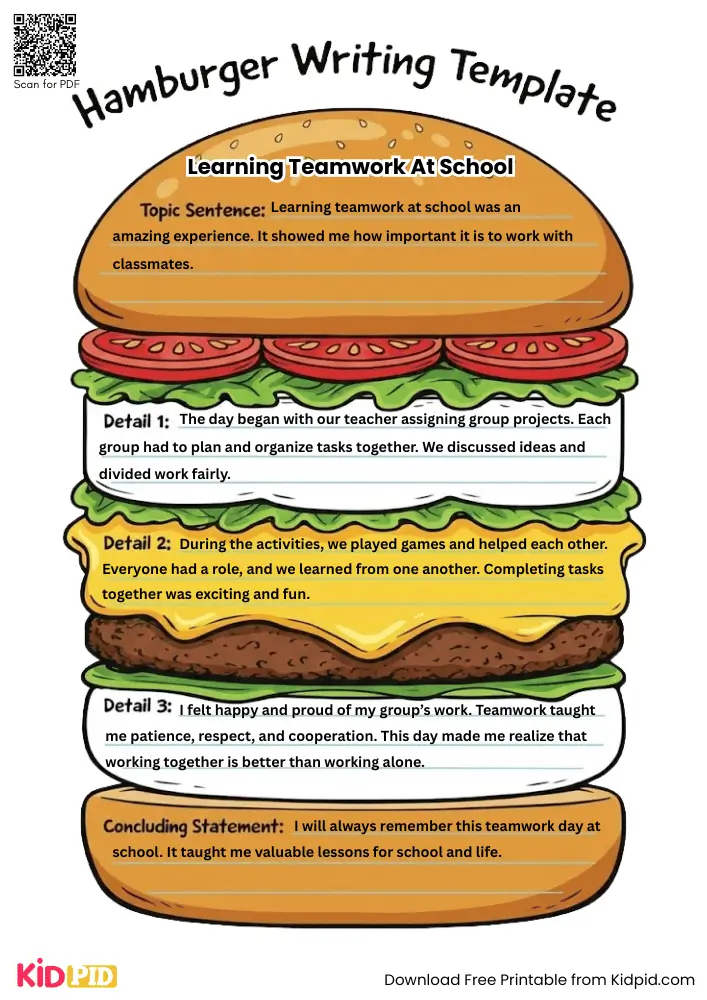
Topic Sentence: Learning teamwork at school was an amazing experience. It showed me how important it is to work with classmates.
Details 1: The day began with our teacher assigning group projects. Each group had to plan and organize tasks together. We discussed ideas and divided work fairly.
Details 2: During the activities, we played games and helped each other. Everyone had a role, and we learned from one another. Completing tasks together was exciting and fun.
Details 3: I felt happy and proud of my group’s work. Teamwork taught me patience, respect, and cooperation. This day made me realize that working together is better than working alone.
Concluding Statement: I will always remember this teamwork day at school. It taught me valuable lessons for school and life.
Short Paragraph on ‘Learning Teamwork at School’ – 50 Words for Grades 3 to 4
Learning teamwork at school is very important. When we work with classmates, we share ideas and help each other. Teamwork teaches us to listen, respect others, and solve problems together. It makes school activities fun and helps us become confident and responsible students.
Long Paragraph on ‘Learning Teamwork at School’ – 100 Words for Grade 5

Teamwork is an important skill we learn at school. When students work in teams, they share ideas and help each other complete tasks. Teamwork teaches patience, cooperation, and respect for classmates’ opinions. It also helps students solve problems together and finish projects faster. Activities like group assignments, games, and classroom tasks give students practice in working together. Teamwork makes school life more enjoyable and prepares children for the future. By learning how to work with others, students become confident, responsible, and better at handling challenges in school and life.
‘Learning Teamwork at School’ Essay Writing
‘Learning Teamwork at School’ – 150 to 200 Words Essay for Grades 6 to 7 Students
Exams might feel stressful, but they play an important role in our learning journey. Think of school like training for a big race. You practice and learn new techniques every day. An exam is like the race day itself—it’s a chance to show what you’ve learned and how strong you’ve become. Without this check-in, it would be hard to know if you’re truly ready for the next level.
Studying for an exam does more than just help you remember facts. It teaches you how to be a better learner. You figure out how to organize your notes, manage your time, and ask good questions when you’re confused. This is practice for solving problems in real life. Finally, taking a test builds courage and shows you what you’re capable of. When you finish, you get a clear picture of your progress, which helps you feel proud of your hard work and excited to learn even more.
‘Learning Teamwork at School’ – 300 Words Essay for Grades 8 to 10 Students

It’s easy to see exams as a scary hurdle, but if we look closer, they are actually a helpful and necessary tool. Imagine learning to ride a bike. Your parents give you instructions and hold the seat while you practice. The real test comes when they let go. That moment of riding on your own shows you—and them—that you’ve truly learned the skill. Exams work the same way. They are the point where your teacher “lets go,” allowing you to show how well you can balance and steer your new knowledge all by yourself.
The process of preparing for an exam teaches some of school’s most valuable lessons. It pushes you to look back over everything you’ve learned, connect different ideas, and see how they all fit together like pieces of a puzzle. You build “learning muscles” you’ll use forever: discipline to study a little each day, focus to concentrate without distraction, and resilience to keep trying on tough topics. These aren’t just school skills; they are life skills that will help you with future hobbies, jobs, and goals.
Exams also give everyone—you, your teacher, and your family—a clear snapshot of your progress. This helps your teacher know how to help you best. For you, it turns the invisible process of learning into a visible result. The pride you feel after doing well is a powerful reward. Even if the result isn’t what you hoped, it gives you a specific map of what to work on next. In this way, exams aren’t an ending; they’re a guidepost. They help make your learning solid, build your confidence, and prepare you to succeed in all the exciting challenges ahead.
Related Essay & Paragraph Topics
- Learning Teamwork at School
- Importance of Teamwork in School
- How Teamwork Helps Students
- Teamwork: Working Together in School
- Skills We Learn Through Teamwork
You May like this:
Importance Of Goal Clarity

Discover why clear goals improve focus and motivation. Promotes effective planning, productivity, disciplined effort, and successful goal achievement.
Preparing For Challenges In Life
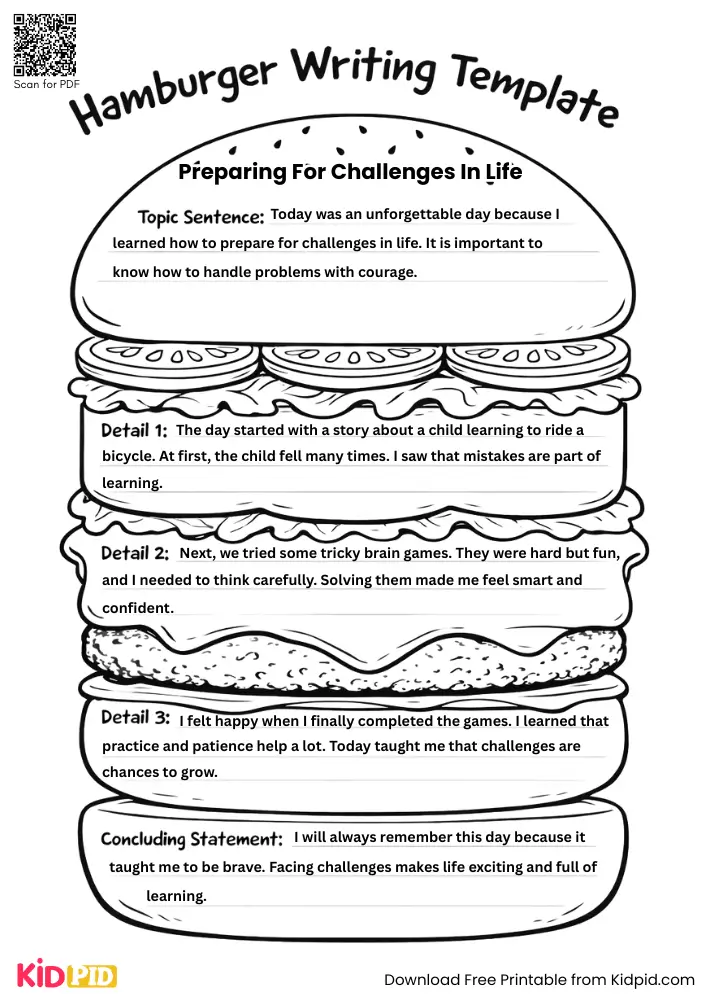
Learn why preparation and resilience help overcome life challenges. Promotes problem-solving skills, emotional strength, adaptability, and determination.
Life Skills For Independence

Understand essential life skills that build independence and responsibility. Promotes decision-making, problem-solving, self-management, and personal confidence.
Understanding Cause And Effect
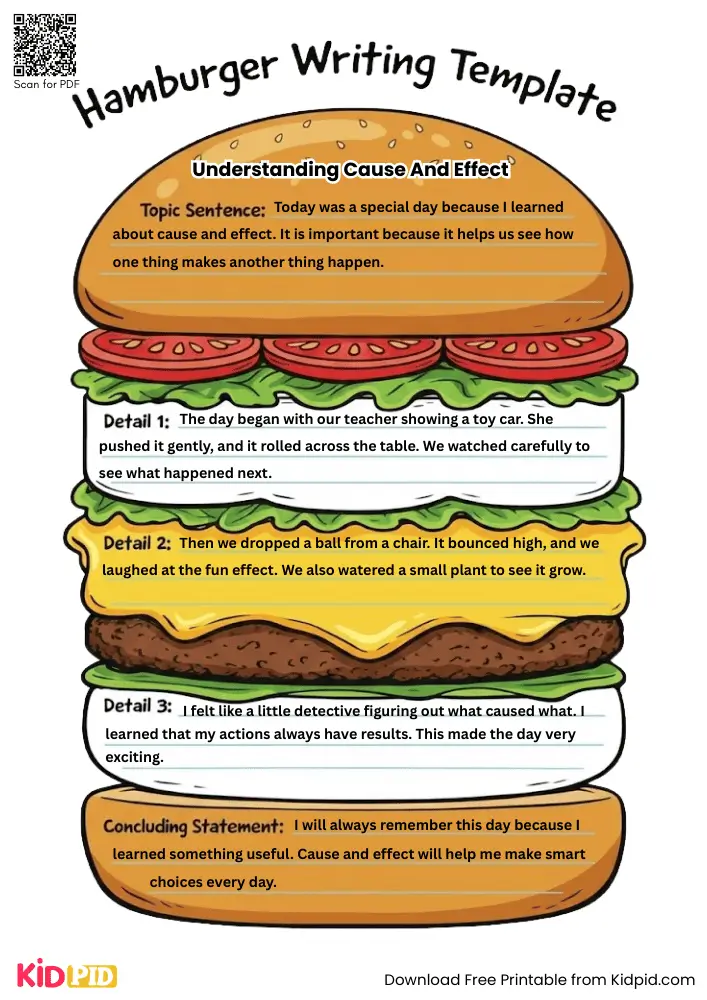
Discover how understanding cause and effect improves decision-making and problem-solving. Encourages logical thinking, responsibility for actions, and better life choices.
Learning From Real Situations
Discover how real-life situations provide valuable lessons and practical knowledge. Promotes problem-solving skills, critical thinking, personal growth, and learning through everyday experiences.