Learning to break problems into steps helps us stay calm and focused when things feel confusing. Instead of feeling stuck, we can solve one small part at a time. This smart habit improves thinking skills, builds confidence, and makes even difficult tasks easier to handle every day.
5 Pointers on “Learning to Break Problems Into Steps”
- Big problems feel easier when we divide them into small parts.
- Step-by-step thinking helps us stay calm and focused.
- Solving one step at a time builds confidence.
- Mistakes are easier to fix when problems are broken down.
- This skill helps in schoolwork, daily life, and future challenges.
‘Learning to Break Problems Into Steps’ Paragraph Writing
Hamburger Paragraph on ‘Learning to Break Problems Into Steps’ (Free Template)

Topic Sentence: This was an unforgettable day because I discovered a secret to solving big problems. Learning to break problems into steps made everything seem possible and fun.
Detail 1: The morning started with a huge pile of blocks to sort. I felt overwhelmed at first. Then, our teacher explained that we should focus on one small task at a time.
Detail 2: We picked up all the red blocks first, then the blue ones. Each step gave us a little win. It was exciting to see the pile get smaller and neater.
Detail 3: I felt proud as I completed each step. I learned that big problems are easier when divided into small parts. This strategy made the whole day special and memorable.
Concluding Statement: I will always remember this day because it taught me a helpful life skill. Breaking problems into steps will make any challenge easier in the future.
Short Paragraph on ‘Learning to Break Problems Into Steps’ – 50 Words for Grade 3
When a problem seems too big, break it into small steps. First, understand what you need to do. Then, make a simple list of tasks. Do them one at a time. This makes hard problems feel easy. You can solve anything by taking it step-by-step!
Long Paragraph on ‘Learning to Break Problems Into Steps’ – 100 Words for Grade 4

Learning to break problems into steps is like building with blocks. You don’t build a whole tower at once. You add one block at a time. First, look at the big problem. What is the goal? Next, think of the small jobs you need to do. Write them down in order. Then, just focus on the first job. Finish it, then move to the next. Before you know it, you’ve solved the whole problem! This trick works for homework, cleaning your room, or learning a new game. Small steps make big tasks much less scary and more fun to do.
‘Learning to Break Problems Into Steps’ Essay Writing
‘Learning to Break Problems Into Steps’ – 150 to 200 Words Essay for Grades 5 to 6
Have you ever looked at a huge, messy pile of toys and thought, “I’ll never get this clean!”? Or stared at a hard math worksheet and felt your brain freeze? The secret is to break the big problem into small, friendly steps. Think of it like eating a giant pizza—you wouldn’t try to eat it whole! You eat it one slice at a time.
First, press your pause button. Take a breath and look at the whole “pizza” of your problem. Next, name it: “I need to clean my room.” Then, find your first slice—your first step. Maybe it’s just “pick up all the clothes and put them in the hamper.” Do only that! Then find your next slice: “put all the books on the shelf.” See? You’re not cleaning the whole room at once; you’re just doing one small job. Every time you finish a step, you get a little win, and the big problem gets smaller and less scary. Before you know it, the whole “pizza” is gone, and you solved your problem all by yourself!
‘Learning to Break Problems Into Steps’ – 300 Words Essay for Grades 7 to 10

Imagine you’re given a huge, mysterious puzzle with a thousand pieces, all dumped in a heap. If you try to solve it all at once, you’ll just feel overwhelmed. But if you have a strategy—like sorting the edge pieces first, then grouping pieces by color—the impossible task becomes a fun adventure. Learning to break problems into steps is like having that superpower for everything in life, from schoolwork to building a treehouse.
The first and most important step is to stop and understand the problem. Don’t rush! Read the instructions twice, figure out what the end goal is, and make sure you know what you’re working with. This is like looking at the picture on the puzzle box. Next, you plan your attack. Ask yourself: “What is the very first thing I need to do?” For a science project, that might be “choose a topic.” Then, “gather materials,” then “do the experiment,” then “write down what happened.” Writing these steps down as a simple list can be a huge help.
As you take each small step, you build confidence. Finishing step one gives you the energy to tackle step two. It also lets you check your work as you go. If you’re following a recipe and you mix the dry ingredients before realizing you need softened butter, you’ve caught a mistake early! This is much better than baking the whole cake only to find it’s ruined.
Finally, breaking things down teaches you patience and makes you smarter. You learn that even the most brilliant scientists, artists, and engineers solve giant problems one piece at a time. So next time you face a tough homework assignment, a tricky robot to build, or even a conflict with a friend, remember your puzzle strategy. Press pause, make your plan, and conquer it one peaceful, manageable step at a time. You can do it!
Related Essay & Paragraph Topics
- Small Steps Make Big Problems Easier
- Solving Problems One Step at a Time
- How Breaking Tasks into Steps Helps Us Think Better
- Step-by-Step Thinking for Smart Problem Solving
- Why Dividing Problems into Steps Leads to Success
You May like this:
Community Cleanliness
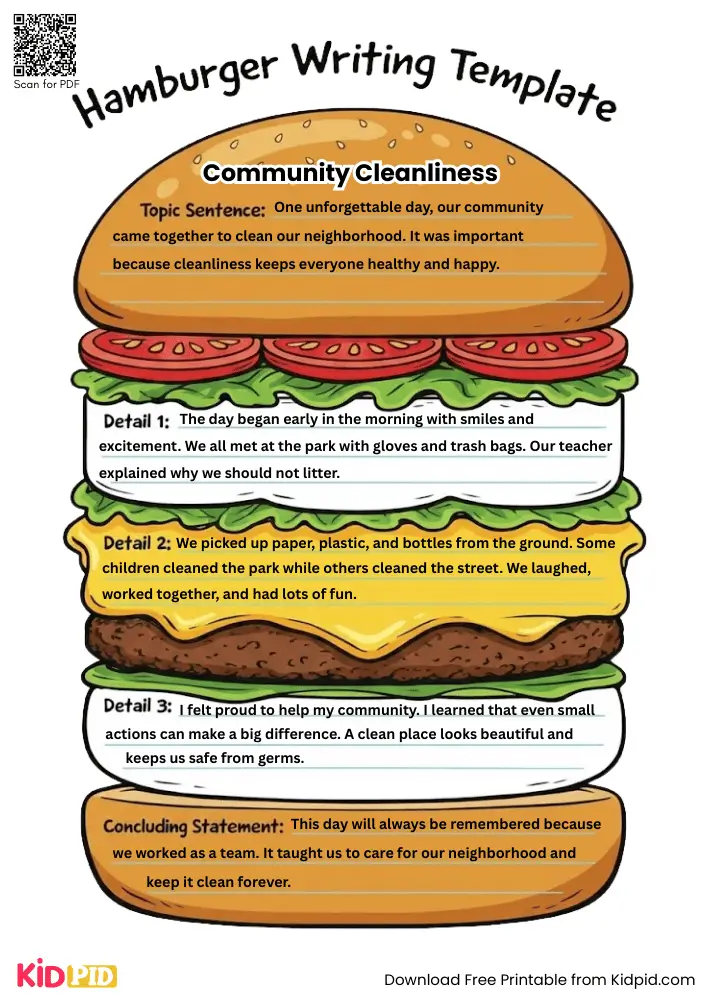
Clean communities promote health, pride, and environmental care. Proper waste disposal, hygiene, and participation in cleanliness drives improve living standards and public health.
Following Daily Routines

Daily routines build discipline, productivity, and stability. Structured habits improve time management, focus, and efficiency while supporting healthy, organized living.
Being Responsible For Actions

Taking responsibility builds integrity, trust, and maturity. Accepting consequences encourages accountability, growth, and stronger relationships.
Building Consistency
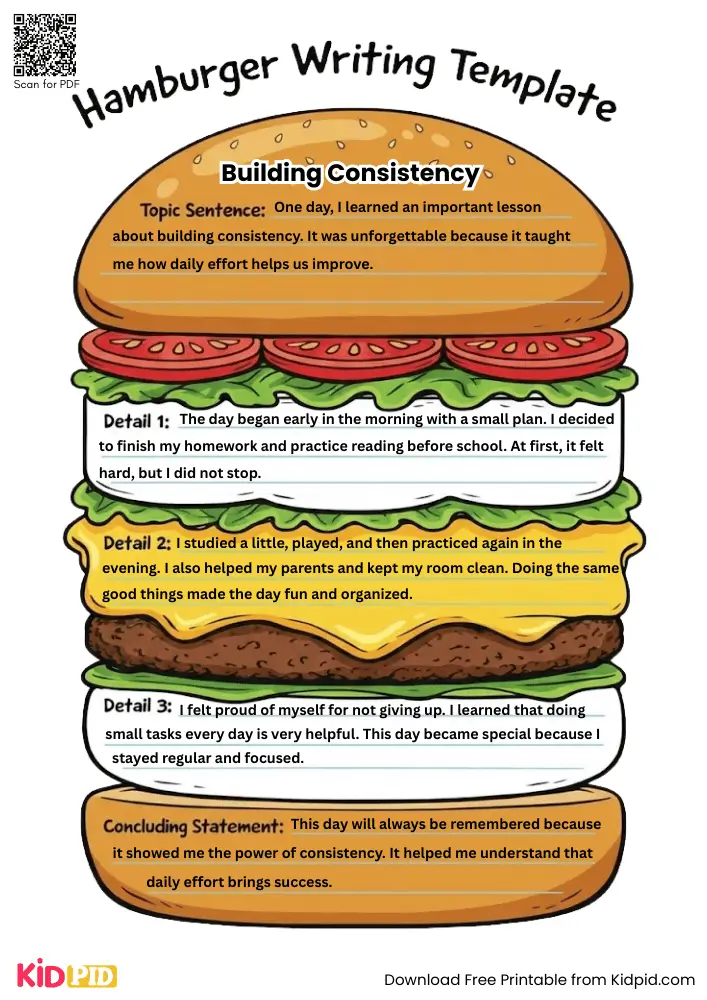
Consistency strengthens habits, discipline, and success. Regular effort improves skills, reliability, and long-term achievements while building confidence and stability.
Understanding Feelings
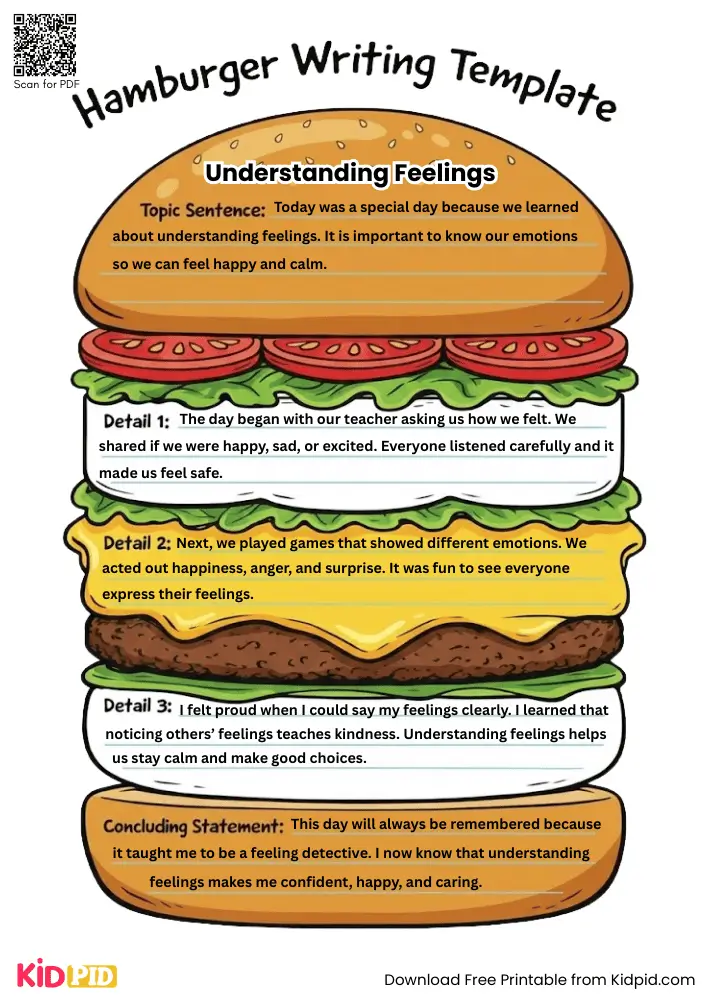
Understanding emotions improves self-awareness, relationships, and emotional intelligence. Recognizing feelings helps individuals communicate better, manage reactions, and build empathy while supporting mental health and personal growth.