Learning to stay balanced means knowing how to manage our thoughts, emotions, and daily activities wisely. When life feels busy or confusing, balance helps us remain calm and focused. It teaches children to handle responsibilities and have fun together, making life healthier, happier, and more peaceful.
5 Pointers on “Learning to Stay Balanced”
- Staying balanced means giving time to studies, play, rest, and family.
- It helps us stay calm even when things feel busy or stressful.
- A balanced life keeps both our body and mind healthy.
- Learning balance teaches us to manage time wisely.
- Balance helps us enjoy life without feeling tired or upset.
‘Learning to Stay Balanced’ Paragraph Writing
Hamburger Paragraph on ‘Learning to Stay Balanced’ (Free Template)
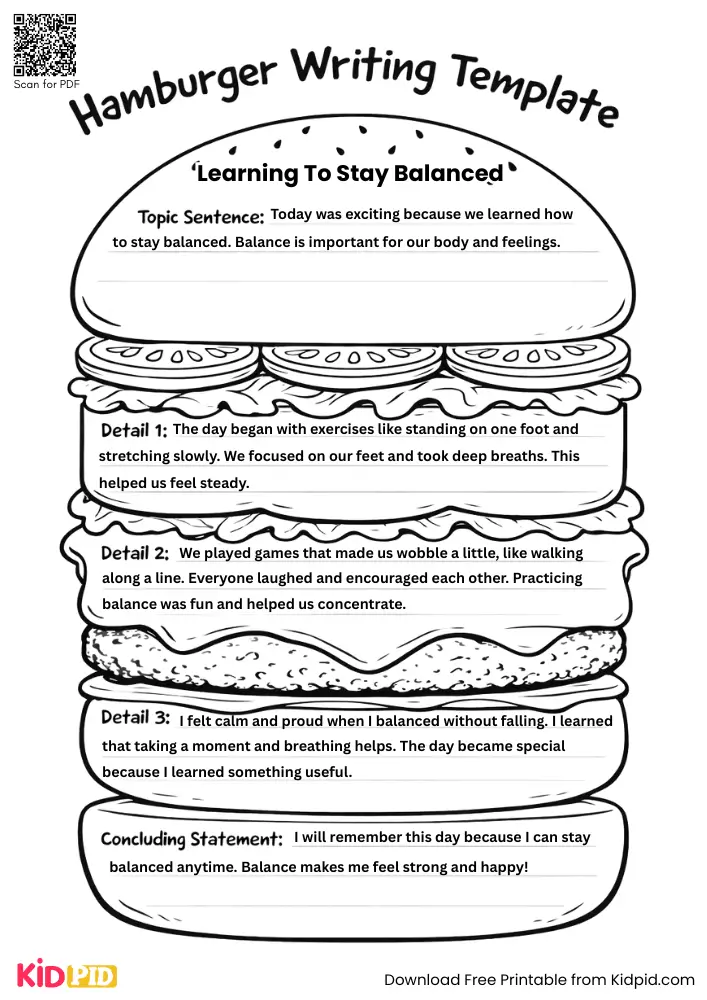
Topic Sentence: Today was exciting because we learned how to stay balanced. Balance is important for our body and feelings.
Details 1: The day began with exercises like standing on one foot and stretching slowly. We focused on our feet and took deep breaths. This helped us feel steady.
Details 2: We played games that made us wobble a little, like walking along a line. Everyone laughed and encouraged each other. Practicing balance was fun and helped us concentrate.
Details 3: I felt calm and proud when I balanced without falling. I learned that taking a moment and breathing helps. The day became special because I learned something useful.
Concluding Statement: I will remember this day because I can stay balanced anytime. Balance makes me feel strong and happy!
Short Paragraph on ‘Learning to Stay Balanced’ – 50 Words for Grades 2 & 3
Learning to stay balanced is like being a tree. You need strong roots! Feel your feet on the ground. Take deep breaths. When things feel wobbly, stop for a moment. Find your center again. It helps you feel calm and strong, ready for anything!
Long Paragraph on ‘Learning to Stay Balanced’ – 100 Words for Grade 4

Learning to stay balanced means keeping your body and feelings steady. Just like riding a bike, you practice to not fall over. When you are tired or upset, your feelings can wobble. To balance, plant your feet firmly. Take a slow breath in and out. Notice what is happening around you without getting dizzy. Balance isn’t about being perfect. It’s about knowing how to catch yourself when you start to tilt. Find what makes you feel calm, like listening to music or hugging a pet. With practice, you can feel centered and peaceful every day.
‘Learning to Stay Balanced’ Essay Writing
‘Learning to Stay Balanced’ – 150 to 200 Words Essay for Grades 5 to 7 Students
Learning to stay balanced is like being on a seesaw. If you sit only on one side, it doesn’t work right! Balance means making sure no one part of your life gets too heavy or too light.
First, balance your body. Try standing on one foot like a flamingo! A calm body helps you think clearly. Next, balance your heart. You will feel happy, sad, and angry sometimes. That’s normal. When big feelings come, take slow, deep breaths to find your calm center again. Then, balance your day. You need time for schoolwork, time for play with friends, and quiet time alone to relax and dream. All three are important!
Remember, balance isn’t about being perfect. It’s about noticing when you feel wobbly and knowing how to steady yourself. Sometimes, you might need to ask a parent, teacher, or friend for a little help to get back on track. When you practice balance, you feel stronger, happier, and ready for anything!
‘Learning to Stay Balanced’ – 300 Words Essay for Grades 8 to 10 Students

Imagine you are a squirrel running along a thin branch. To get to the other side, you can’t lean too far left or too far right. You must stay in the middle, focused and steady. That’s what learning to stay balanced in life is all about—finding your center so you don’t tip over!
Balance starts with your body. When you run, play sports, or even just walk, you are using balance. You can practice this by playing games that test your steadiness. Try walking heel-to-toe along a crack in the sidewalk or holding the “tree pose” for ten seconds. A body that feels grounded helps your mind feel peaceful, too.
But balance isn’t just physical; it’s also about your feelings. Think of your emotions like different colors of paint. If you only used black, your painting would be dark. If you only used yellow, it would be too bright. You need a mix! It’s okay to feel angry, scared, or super excited. The key is not to get stuck in one feeling. If you’re very upset, it helps to stop, breathe deeply, and talk about what’s wrong. This helps bring your emotions back to a calm, middle place.
Another big part of balance is how you spend your time. Your day is like a pizza, and you get to slice it into pieces. One big slice should be for work, like school and homework. Another big slice is for play, like games and hobbies. And a very important slice is for rest, like sleep and quiet reading. If you spend the whole day only on video games or only on homework, your “pizza” won’t be very tasty or satisfying!
Finally, remember that everyone loses their balance sometimes. When you feel wobbly—maybe you’re overwhelmed, tired, or frustrated—the best thing you can do is ask for help. Talk to a parent, a teacher, or a friend. They can be your guardrails, helping you find your center again. By practicing balance every day, you build a strong, happy, and resilient you, ready to walk any branch that comes your way
Related Essay & Paragraph Topics
- Learning to Stay Balanced in Everyday Life
- The Importance of Staying Balanced in Thoughts and Actions
- How Balance Helps Us Handle Challenges Calmly
- Learning to Stay Balanced Between Work, Rest, and Play
- Why Staying Balanced Makes Life Happier and Healthier
You May like this:
Why Kindness Matters

Kindness builds strong relationships, fosters empathy, improves emotional health, strengthens communities, promotes positivity, and encourages cooperation.
Why Every Student Should Read More

Reading more enhances vocabulary, comprehension skills, imagination, academic performance, focus, knowledge expansion, and lifelong learning habits.
Benefits Of Outdoor Play
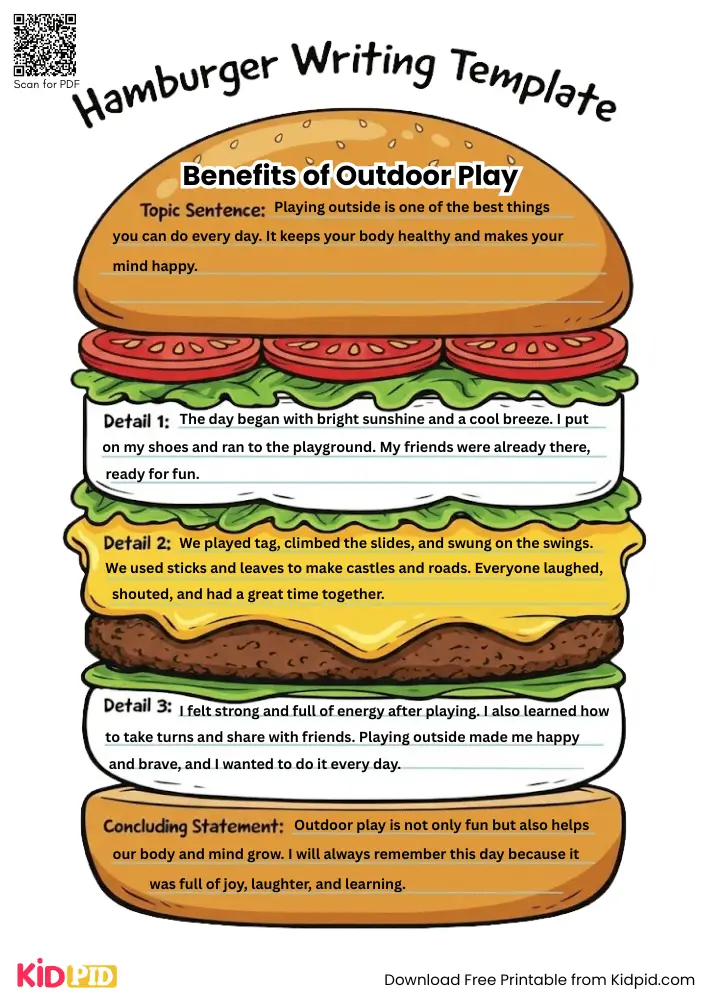
Outdoor play improves physical fitness, social skills, creativity, mental health, teamwork, confidence, and overall child development.
Healthy Habits For Students
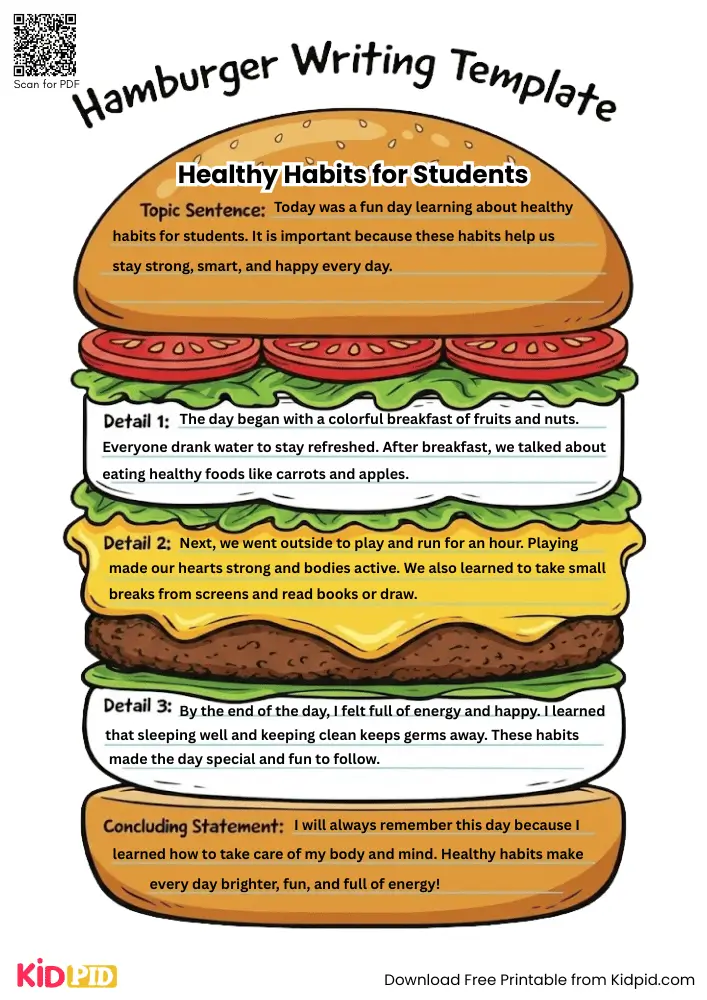
Healthy habits for students include balanced nutrition, regular exercise, proper sleep, time management, positive thinking, hydration, and consistent study routines.
How Hobbies Improve Life
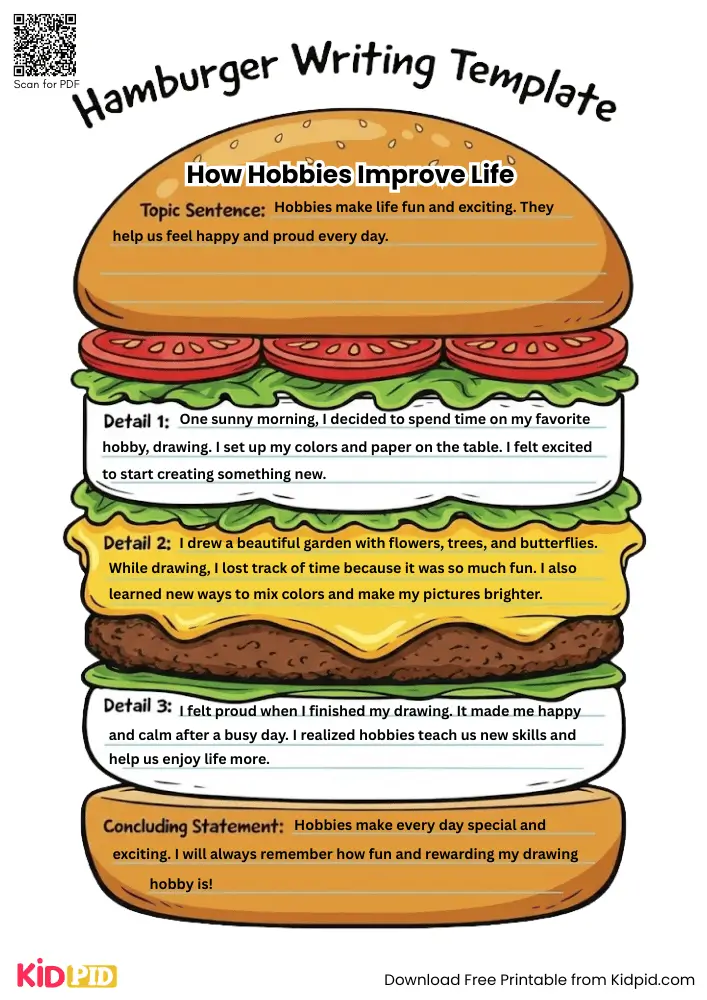
Hobbies improve life by reducing stress, boosting creativity, enhancing mental health, building skills, increasing productivity, encouraging relaxation, and supporting personal development.