Spending too much time online can take away fun, learning, and real-life friends. Limiting online use helps us enjoy hobbies, play outside, and focus on schoolwork. When we balance screen time, life becomes healthier, happier, and more exciting. Learning this habit early makes a big difference every day.
5 Pointers on ‘Limiting Online Dependency’
- Spend limited time on gadgets and the internet each day.
- Focus on homework, reading, and outdoor activities first.
- Avoid using gadgets during meals, bedtime, and study time.
- Balance online activities with hobbies, games, and family time.
- Ask parents for help if screen time feels too long.
‘Limiting Online Dependency’ Paragraph Writing
Hamburger Paragraph on ‘Limiting Online Dependency’ (Free Template)

Topic Sentence : Yesterday was a special day when I learned about limiting online dependency. It was important because too much screen time can make children tired and forget real fun.
Details 1 : The day started with a lesson at school about using gadgets wisely. Our teacher asked us to write down how much time we spend on phones and tablets. We all felt surprised to see our numbers!
Details 2 : Then, we played outdoor games instead of using screens. We rode bicycles, drew pictures, and played ball with friends. It was so much fun to laugh and run together.
Details 3 : I felt happy and proud because I didn’t check my phone all day. I learned that reading, playing, and spending time with family is more fun than endless screen time. This day taught me to balance my online and offline life.
Concluding Statement : I will always remember this day because it showed me the joy of offline activities. Limiting online dependency makes life healthier and happier.
Short Paragraph on ‘Limiting Online Dependency’ – 50 Words for Grade 4
Limiting online dependency means not spending too much time on gadgets or the internet. Children should focus on homework, reading, and outdoor activities first. Balancing screen time with hobbies, games, and family helps children stay healthy and happy. Small steps today make children responsible and smart.
Long Paragraph on ‘Limiting Online Dependency’ – 100 Words for Grade 5
Limiting online dependency is important for children. Spending too much time on gadgets can affect studies, health, and sleep. Children should complete homework, read, and play outside before using screens. Setting time limits, avoiding unnecessary apps, and balancing screen time with hobbies, games, and family activities helps. Parents and teachers can guide children to use technology safely. Learning to limit online dependency teaches self-control and responsibility. Children who balance online activities with studies, play, and family time stay healthy, active, and happy while using gadgets in a smart and safe way.
‘Limiting Online Dependency’ Essay Writing
‘Limiting Online Dependency’ – 150 to 200 Words Essay for Grades 6 to 7 Students
Limiting online dependency means making sure your digital life doesn’t become your whole life. It’s about remembering that the most exciting adventures and the deepest connections happen in the real world. Being dependent means reaching for a screen without thinking, feeling restless without it, or choosing it over friends and family. To break this habit, start by creating screen-free spaces. Make your bedroom, especially at night, a place for sleep and quiet, not for videos. During meals, put all devices away to focus on conversation. Next, rediscover the joy of offline hobbies. What did you love before you had a tablet? Was it riding your bike, painting, or building forts? Schedule time for those activities just like you would for screen time. Most importantly, learn to be comfortably bored. The next time you feel that “I need my phone” itch, wait five minutes. Look out the window, doodle, or just let your mind wander. You’ll often find a better, more fulfilling idea emerges when you give your brain a chance to think for itself.
‘Limiting Online Dependency’ – 300 Words Essay for Grades 8 to 10 Students

In our connected world, limiting online dependency is a crucial skill for staying balanced, healthy, and truly engaged with life. Dependency isn’t just using technology; it’s when we feel we need it to avoid boredom, discomfort, or even silence. It’s when the virtual world starts to feel more immediate and rewarding than the physical one right in front of us. Breaking this dependency is about taking back control and rediscovering the richness of the offline world.
The first step is conscious awareness. Start noticing your automatic habits. Do you grab your phone the second you wake up or sit down on the bus? By simply pausing and asking “What do I really need right now?” you interrupt the autopilot reflex. The next step is intentional replacement. We often go online to fill small gaps of time. Prepare for this by having a list of “offline options” ready: a book on your nightstand, a sketchpad in your bag, a basketball by the door. When the urge strikes, you have a positive alternative already planned.
Building structural barriers into your day is also powerful. Establish firm tech-free zones, like the dinner table, and tech-free times, like the hour before bed. These rules aren’t punishments; they are protections for your sleep, your family relationships, and your own creativity. They force your brain to engage differently. Ultimately, limiting dependency is about valuing depth over distraction. The internet offers endless, shallow bits of information. Offline, you can experience depth: the sustained focus of finishing a puzzle, the deep conversation with a friend where you read their facial expressions, or the profound calm of watching a sunset without trying to capture it for others. By consciously choosing to limit your online time, you aren’t missing out—you are making room for the deeper, more meaningful experiences that build a happy and resilient self.
Related Essay & Paragraph Topics
- Healthy Screen Time for Kids
- Balancing Online and Offline Life
- Using Gadgets Wisely
- Avoiding Too Much Screen Time
- Being Smart with Technology
You May like this:
Positive Use Of Social Platforms

Positive social platform use encourages meaningful connections, knowledge sharing, creativity, responsible engagement, and digital growth.
Building Good Digital Habits

Building good digital habits promotes cybersecurity, balanced usage, productivity, online etiquette, privacy protection, and healthy screen time.
Learning Adaptability

Adaptability builds resilience, flexibility, growth mindset, confidence, coping skills, and success in changing environments.
Developing Leadership Skills
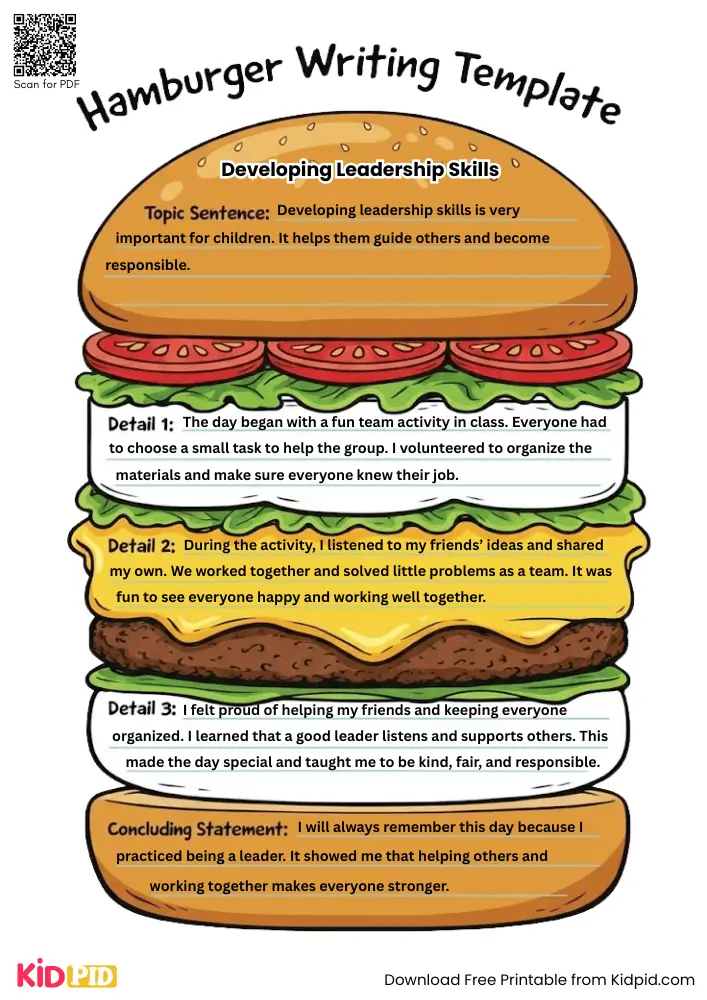
Leadership skills promote responsibility, communication, teamwork, decision-making, confidence, influence, and success.
Critical Thinking For Students
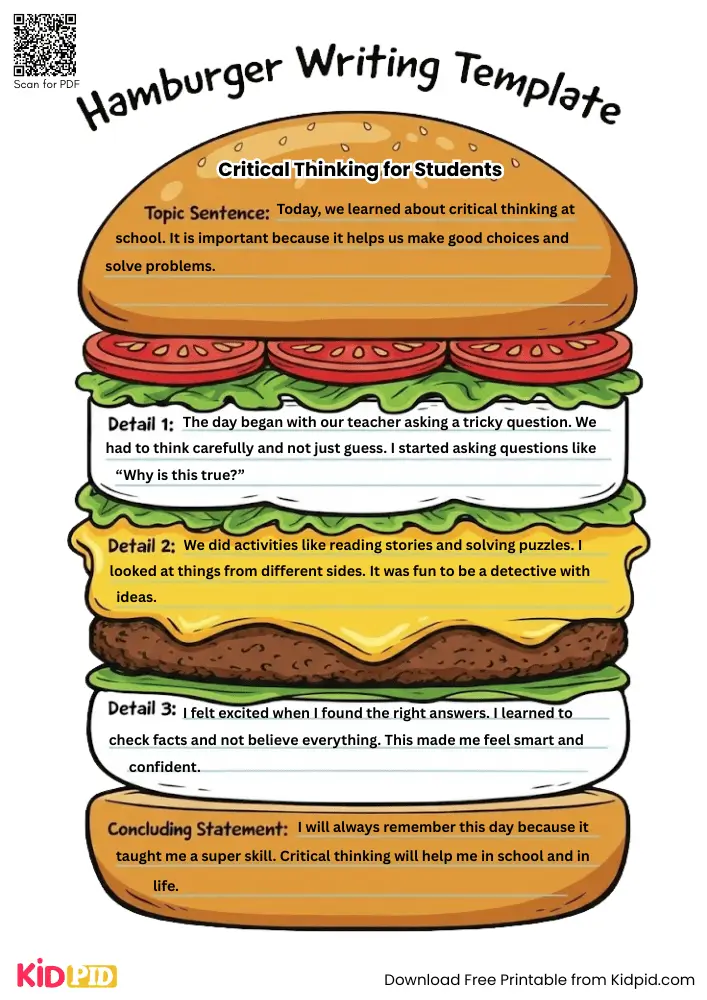
Critical thinking improves analysis, reasoning, decision-making, academic performance, creativity, and independent learning.