Standing against injustice means speaking up when something is unfair. It shows courage and care for others. Even small actions, like helping someone being treated wrongly, can make a big difference. Learning to notice unfairness and act bravely helps build a kinder, fairer, and stronger community for everyone.
5 Pointers on ‘Standing Against Injustice’
- Injustice means something unfair or wrong.
- We should speak up when someone is treated badly.
- Helping others shows courage and kindness.
- Standing against injustice supports fairness and equality.
- Small brave actions can bring big positive change.
‘Standing Against Injustice’ Paragraph Writing
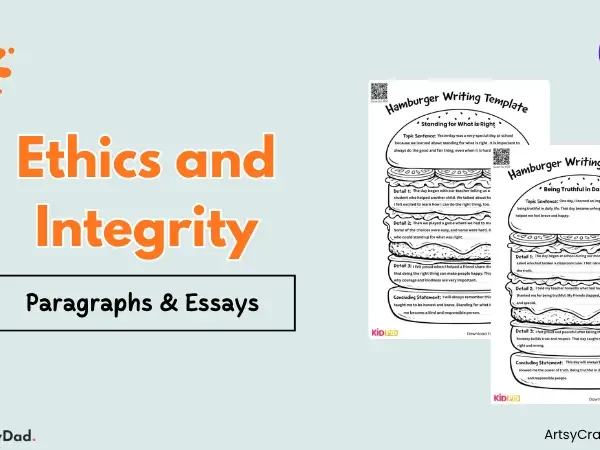
Hamburger Paragraph on ‘Standing Against Injustice’ (Free Template)

Topic Sentence: Today was an unforgettable day because I learned how important it is to stand against injustice. Injustice means treating someone unfairly, and standing up for what is right can make a big difference.
Details 1: The day began at school during morning assembly. Our teacher talked about how sometimes kids are treated unfairly. She shared examples of small acts of injustice and asked us how we could help.
Details 2: Later, in class, we played a game that showed how it feels to be left out. I helped a classmate who was alone and invited them to join us. Everyone felt happy, and we laughed together while learning about fairness.
Details 3: I felt proud that I could help someone in need. I realized that even small actions, like kind words, can stop unfairness. This day became special because I understood how courage and kindness make the world better.
Concluding Statement: I will always remember this day because it taught me to speak up when I see wrong. Standing against injustice makes everyone feel safe, respected, and happy.
Short Paragraph on ‘Standing Against Injustice’ – 50 Words for Grade 3
Standing against injustice means speaking up when something is wrong. We should help people who are treated unfairly. Kind words and brave actions can stop bad behavior. Standing for what is right makes the world fair and safe.
Long Paragraph on ‘Standing Against Injustice’ – 100 Words for Grade 4

Standing against injustice is important for children. Injustice means someone is treated unfairly. We should not ignore such actions. Helping a friend, speaking politely, or telling a teacher shows courage. Standing up for others makes them feel safe and supported. It teaches kindness and fairness. When children stand against injustice, they help create a peaceful and caring environment. Being brave and fair makes us good human beings.
‘Standing Against Injustice’ Essay Writing
‘Standing Against Injustice’ – 150 to 200 Words Essay for Grades 5 to 7 Students
Standing against injustice means being brave enough to speak up when something is unfair or unkind. It’s about being an upstander, not just a bystander who watches. Injustice can be big, like a rule that hurts people, but it often starts small—like watching a classmate get teased for their clothes or seeing someone left out of a game because they are different. To stand against it, you first have to see it and know it’s wrong in your heart. Then, you can use your voice. You can say, “That’s mean,” or “Let’s play together.” Your action doesn’t have to be huge; it can be walking over to sit with someone who is alone or telling a teacher what you saw. It might feel scary at first, but standing up for what’s right is how we make our schools, teams, and neighborhoods safe and fair for everyone. When you choose kindness over silence, you become a hero for justice.
‘Standing Against Injustice’ – 300 Words Essay for Grades 8 to 10 Students

Standing against injustice is one of the bravest and most important things a person can do. It means looking at unfairness—whether it’s a hurtful word, a cruel joke, or someone being left out—and deciding you won’t let it pass. The world is made fairer not by a few huge acts, but by millions of small, brave choices from people like you.
First, you have to recognize injustice. It often happens when someone is mistreated because they are seen as different. It might be because of how they look, where they are from, what they believe, or simply because they are new or quiet. When you see this happen, your first job is to be an upstander. This doesn’t mean you have to start a big fight. In fact, the safest and often most powerful way to stand up is to use the “Three Ds”: Distract (change the subject), Delegate (get a trusted adult), or Direct (calmly say, “That’s not okay”). Simply walking over to stand beside the person being targeted can make a bully stop and shows the victim they are not alone.
It’s also about building a community where injustice has a harder time starting. This means being a kind friend to everyone, celebrating differences, and making sure your own words and actions are fair. Talk with your friends and family about why fairness matters. When we all agree that treating people with disrespect is wrong, it becomes easier to stand together against it. Remember, courage is contagious. When one person speaks up, it gives others permission to be brave too. By choosing to stand against small injustices every day, you help create a ripple of respect and kindness that can change your whole world for the better. You become a builder of a more just and caring future.
Related Essay & Paragraph Topics
- Standing Up for What Is Right
- Courage Against Unfairness
- Helping Others in Wrong Situations
- Speaking Up for Justice
- Being Brave and Fair
You May like this:
Should Kids Learn A Second Language?

Learning a second language improves cognitive development, communication skills, cultural awareness, memory, career opportunities, and global understanding.
Why Students Should Plant Trees
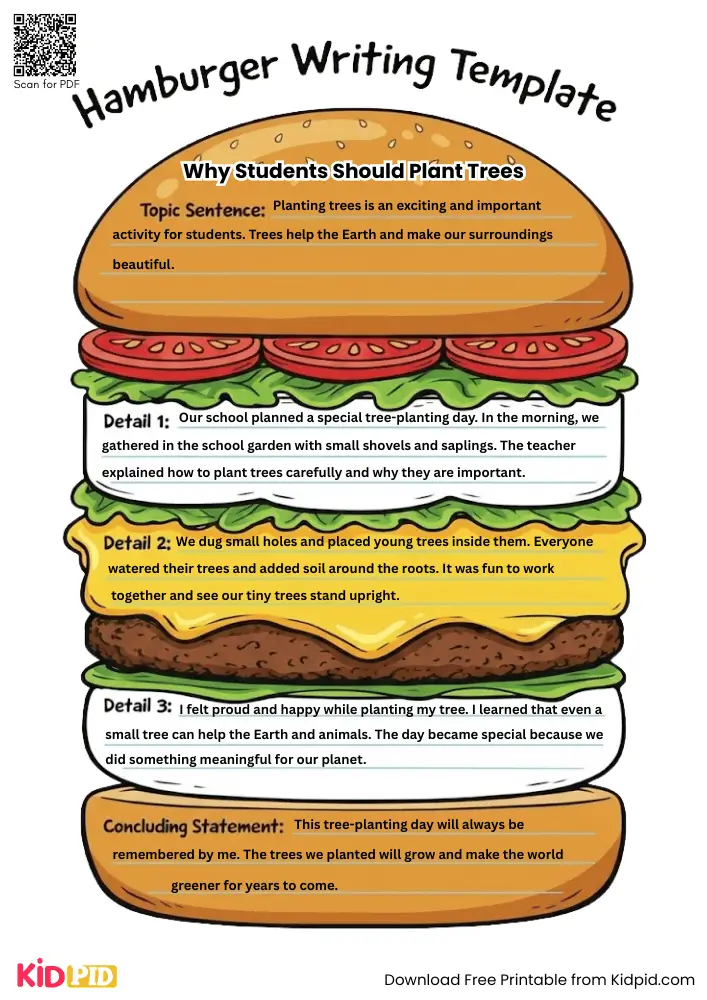
Planting trees supports environmental sustainability, reduces carbon footprint, improves air quality, combats climate change, and teaches ecological responsibility.
Should Pets Be Allowed In School?
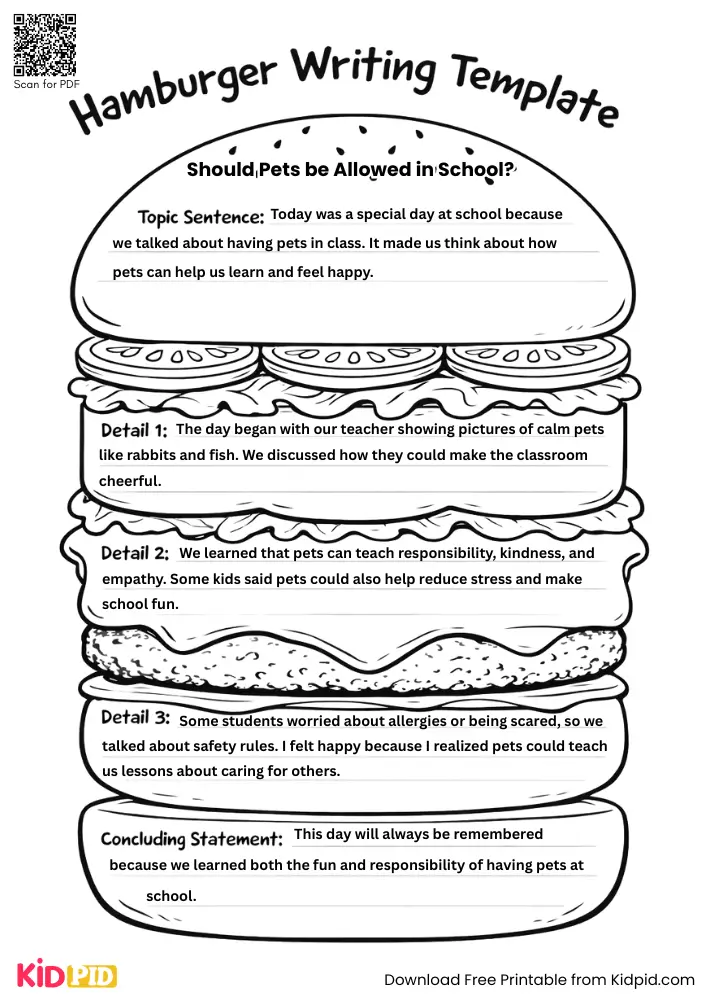
Allowing pets in school may reduce stress, improve emotional well-being, encourage responsibility, enhance social interaction, and create positive learning environments.
Is Art As Important As Science?
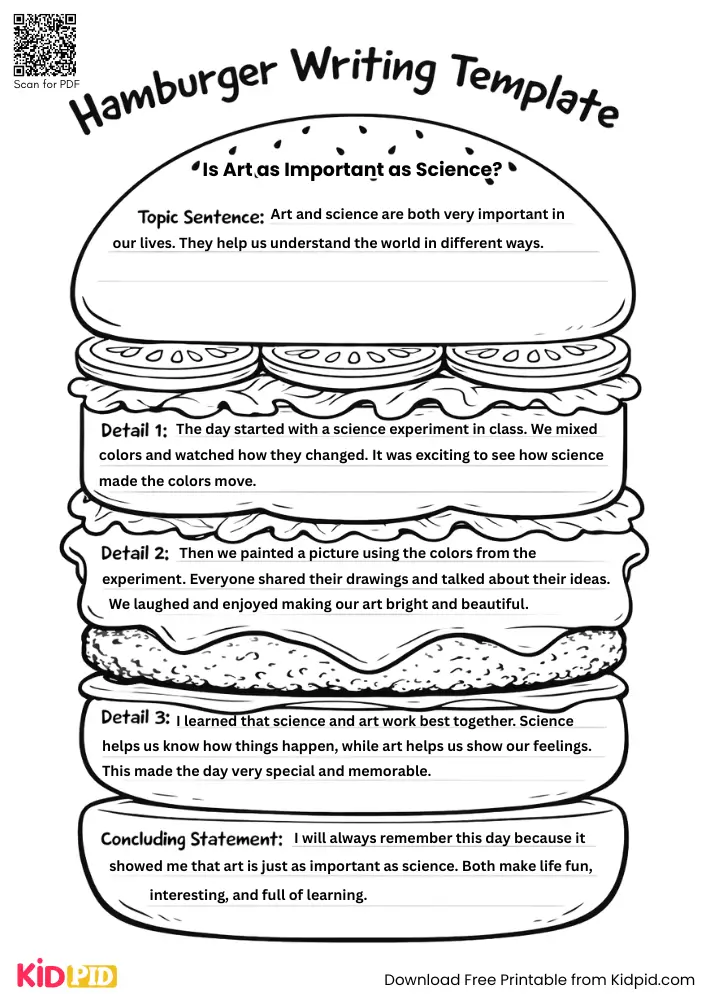
Art and science both foster creativity, innovation, critical thinking, problem-solving, cultural expression, and balanced education.
Describe Your Favorite Place
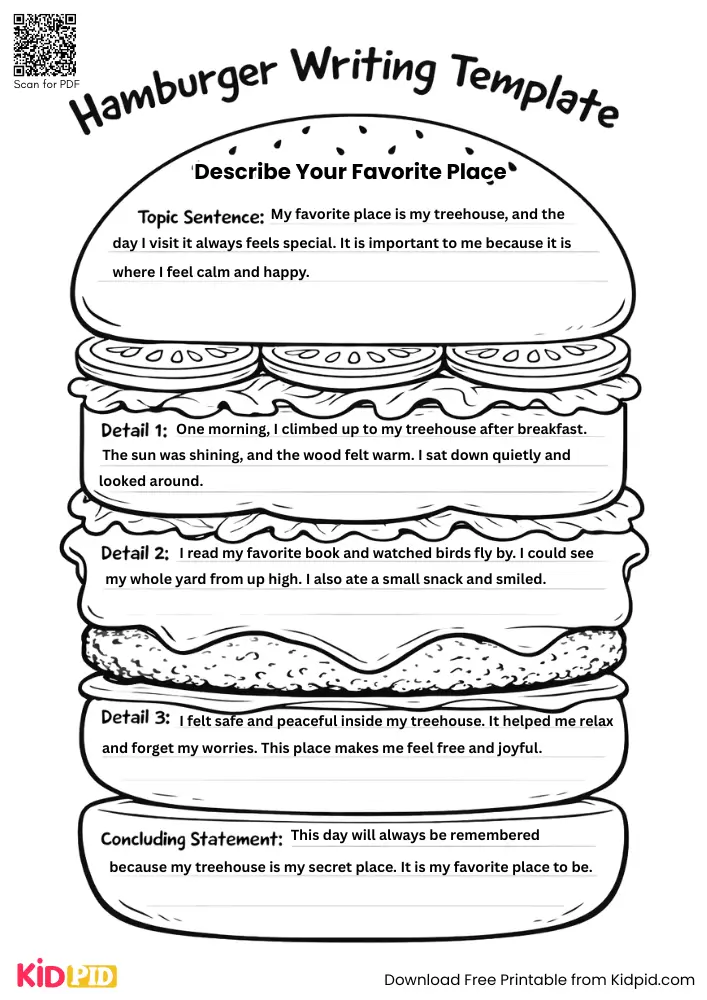
My favorite place offers peace, natural beauty, comfort, positive energy, relaxation, memorable experiences, scenic views, and emotional connection.