Technology plays a big role in our daily lives, shaping how we study, play, and manage time. When used with personal discipline, digital tools can help us stay organized, focused, and responsible. Learning to control technology use teaches good habits that support success, balance, and positive growth in everyday life.
5 Pointers on “Technology and Personal Discipline”
- Technology is useful only when we use it with self-control.
- Personal discipline helps us decide when and how long to use gadgets.
- Limiting screen time improves focus, health, and study habits.
- Using technology for learning builds good daily routines.
- Discipline turns technology into a helpful tool, not a distraction.
‘Technology and Personal Discipline’ Paragraph Writing
Hamburger Paragraph on ‘Technology and Personal Discipline’ (Free Template)

Topic Sentence:
Today was an unforgettable day about learning how technology and personal discipline go hand in hand. It showed us how to enjoy technology without letting it control our lives.
Detail 1: The day began with our teacher asking us to imagine our brains as super muscles. She explained that technology is like a gym that helps our minds grow. We learned that too much screen time can tire us out, just like exercising too much.
Detail 2: We tried setting timers for games and shows and practiced finishing homework first. Some friends took breaks to read a book or play outside. It was fun to enjoy technology while still staying in control.
Detail 3: I felt proud when I followed the rules and stayed disciplined. I learned that taking breaks and turning off screens before bed is important. This day made me realize personal discipline makes technology more helpful and fun.
Concluding Statement: I will always remember this day because it taught me to be the boss of my choices. Using technology wisely makes life balanced, happy, and healthy.
Short Paragraph on ‘Technology and Personal Discipline’ – 50 Words for Grade 3
Technology is fun, but it needs rules. Set a timer when you play games or watch videos. Take breaks to stretch and move. Turn off screens one hour before bed. These small acts of discipline help your brain rest and keep you healthy and happy.
Long Paragraph on ‘Technology and Personal Discipline’ – 100 Words for Grade 4
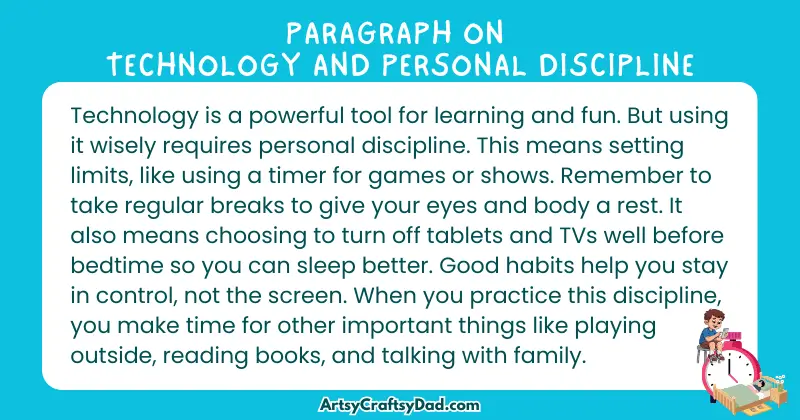
Technology is a powerful tool for learning and fun. But using it wisely requires personal discipline. This means setting limits, like using a timer for games or shows. Remember to take regular breaks to give your eyes and body a rest. It also means choosing to turn off tablets and TVs well before bedtime so you can sleep better. Good habits help you stay in control, not the screen. When you practice this discipline, you make time for other important things like playing outside, reading books, and talking with family.
‘Technology and Personal Discipline’ Essay Writing
‘Technology and Personal Discipline’ – 150 to 200 Words Essay for Grades 5 to 7 Students
Imagine your brain is like a super muscle. Technology can be like a fantastic gym for that muscle, helping you learn amazing facts, solve puzzles, and create cool things. But just like you can’t exercise all day without rest, you can’t use technology all the time without it causing problems. This is where personal discipline comes in! It simply means being the boss of your choices.
Being the boss means deciding when to use a tablet and when to put it down. It means finishing your homework and chores before watching videos, because you’re in charge of your responsibilities. It means noticing when you’ve been sitting still for too long and choosing to go play outside or read a book instead. When you practice this discipline, you get the best of both worlds. You get to enjoy all the fun and knowledge technology offers, but you also have time for running, laughing with friends, and using your own imagination. By being disciplined, you make technology a helpful tool in your life, not the thing that runs it.
‘Technology and Personal Discipline’ – 300 Words Essay for Grades 8 to 10 Students
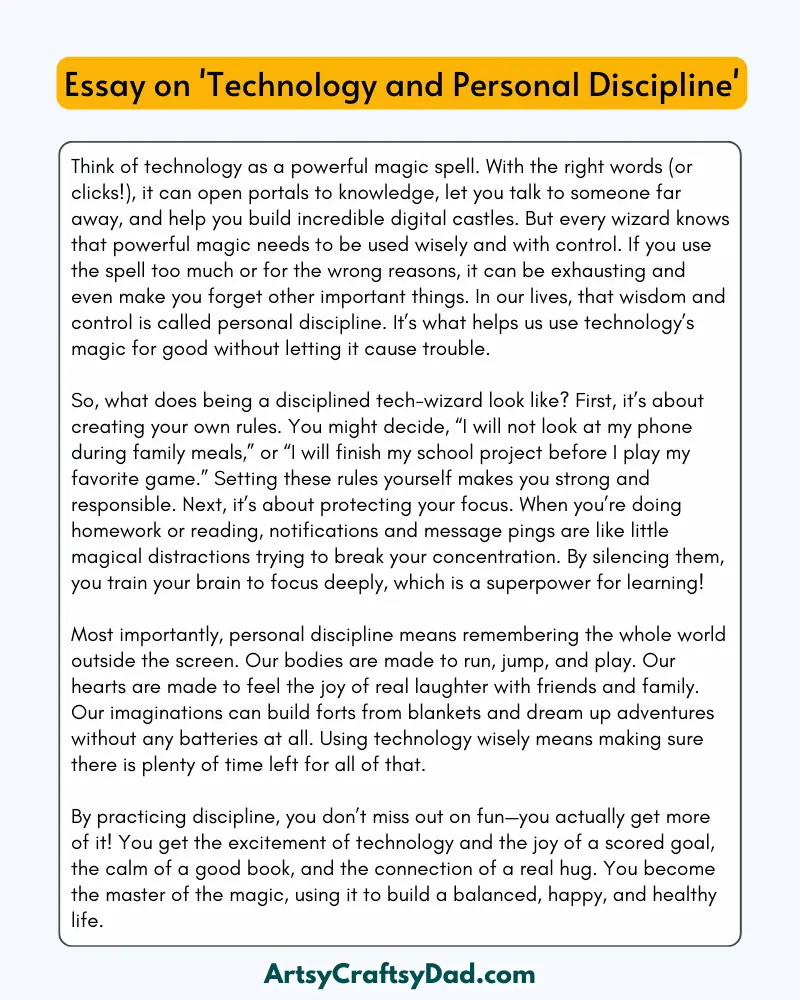
Think of technology as a powerful magic spell. With the right words (or clicks!), it can open portals to knowledge, let you talk to someone far away, and help you build incredible digital castles. But every wizard knows that powerful magic needs to be used wisely and with control. If you use the spell too much or for the wrong reasons, it can be exhausting and even make you forget other important things. In our lives, that wisdom and control is called personal discipline. It’s what helps us use technology’s magic for good without letting it cause trouble.
So, what does being a disciplined tech-wizard look like? First, it’s about creating your own rules. You might decide, “I will not look at my phone during family meals,” or “I will finish my school project before I play my favorite game.” Setting these rules yourself makes you strong and responsible. Next, it’s about protecting your focus. When you’re doing homework or reading, notifications and message pings are like little magical distractions trying to break your concentration. By silencing them, you train your brain to focus deeply, which is a superpower for learning!
Most importantly, personal discipline means remembering the whole world outside the screen. Our bodies are made to run, jump, and play. Our hearts are made to feel the joy of real laughter with friends and family. Our imaginations can build forts from blankets and dream up adventures without any batteries at all. Using technology wisely means making sure there is plenty of time left for all of that.
By practicing discipline, you don’t miss out on fun—you actually get more of it! You get the excitement of technology and the joy of a scored goal, the calm of a good book, and the connection of a real hug. You become the master of the magic, using it to build a balanced, happy, and healthy life.
Related Essay & Paragraph Topics
- How Technology Helps Us Build Good Habits
- Using Gadgets Wisely in Daily Life
- Technology as a Tool for Self-Control
- Balancing Screen Time and Responsibility
- Learning Discipline Through Smart Use of Technology
You May like this:
Gaining Knowledge From Life
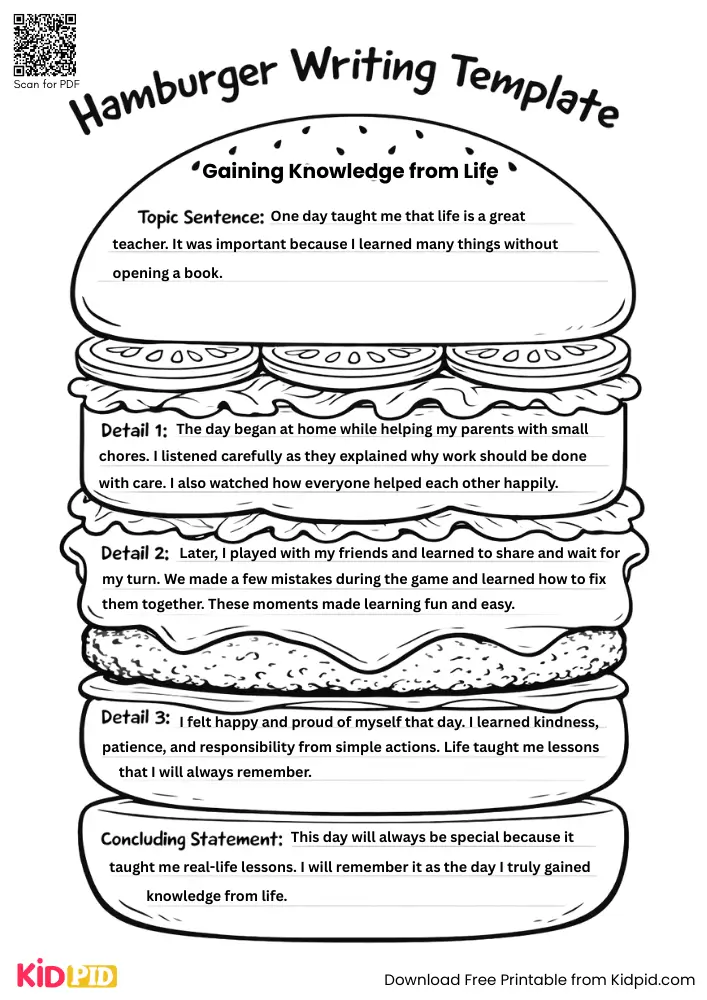
Life experiences teach practical wisdom, adaptability, and emotional strength. Real-world learning improves decision-making, awareness, and maturity while helping individuals grow through challenges, relationships, and everyday situations beyond textbooks.
Learning From Elders

Elders offer wisdom, life experience, and cultural knowledge. Listening to their guidance teaches patience, values, decision-making, and resilience while strengthening family bonds and helping younger generations learn practical lessons for life and character development.
Observing To Learn

Observation improves understanding, awareness, and analytical skills. Watching surroundings carefully helps individuals learn patterns, behaviors, and solutions, strengthening knowledge, creativity, and problem-solving abilities.
Learning From Daily Experiences
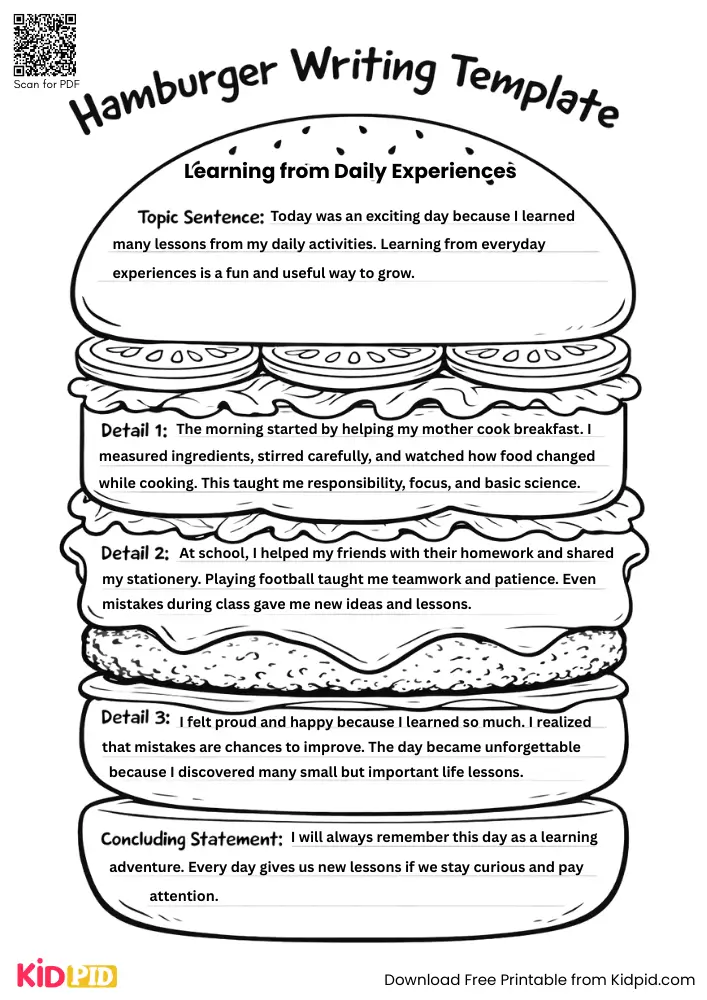
Everyday experiences provide valuable life lessons, practical knowledge, and emotional growth. Reflecting on daily events improves decision-making, self-awareness, and adaptability, helping individuals learn continuously from real-life situations.
Responsible Digital Communication
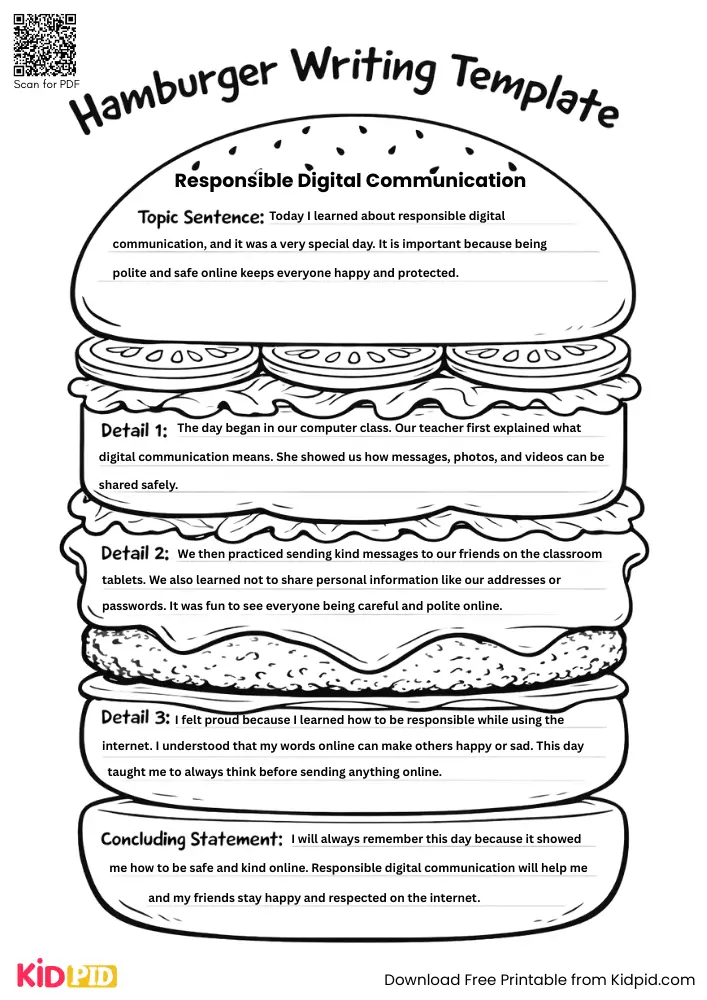
Respectful digital communication builds trust, clarity, and professionalism. Using polite language, verifying information, and avoiding harmful messages promote healthy online interactions and responsible social media behavior.