“Accepting emotions is an important part of emotional growth for children. Every feeling, whether joyful or uncomfortable, has meaning. Learning to recognize and welcome these emotions builds self-awareness and inner strength. When children openly share their feelings, they develop confidence, healthy relationships, and a peaceful state of mind.”
5 Pointers on ‘Accepting Emotions’
- Emotions are feelings like happiness, sadness, anger, or fear.
- Accepting emotions means recognizing what we feel.
- It is okay to feel happy, sad, angry, or scared.
- Talking about emotions with family or friends helps us feel better.
- Accepting emotions helps children stay calm, confident, and kind.
‘Accepting Emotions’ Paragraph Writing
Hamburger Paragraph on ‘Accepting Emotions’ (Free Template)
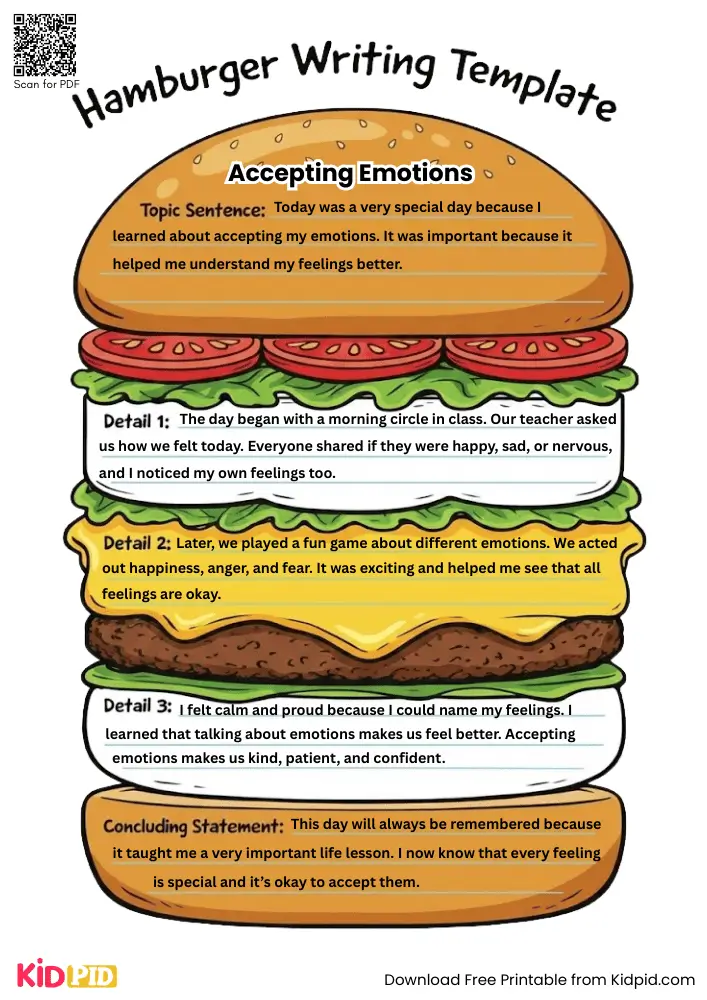
Topic Sentence: Today was a very special day because I learned about accepting my emotions. It was important because it helped me understand my feelings better.
Details 1: The day began with a morning circle in class. Our teacher asked us how we felt today. Everyone shared if they were happy, sad, or nervous, and I noticed my own feelings too.
Details 2: Later, we played a fun game about different emotions. We acted out happiness, anger, and fear. It was exciting and helped me see that all feelings are okay.
Details 3: I felt calm and proud because I could name my feelings. I learned that talking about emotions makes us feel better. Accepting emotions makes us kind, patient, and confident.
Concluding Statement: This day will always be remembered because it taught me a very important life lesson. I now know that every feeling is special and it’s okay to accept them.
Short Paragraph on ‘Accepting Emotions’ – 50 Words for Grades 3 to 4
Accepting emotions means noticing and understanding our feelings. Feeling happy, sad, angry, or scared is normal. Talking about emotions with parents or friends helps us feel better. Accepting emotions makes children calm, confident, and kind. It also teaches understanding and patience.
Long Paragraph on ‘Accepting Emotions’ – 100 Words for Grade 5
Accepting emotions is important for children. Emotions like happiness, sadness, anger, or fear are natural. Accepting emotions means recognizing what we feel without hiding it. Talking about feelings with parents, teachers, or friends helps children feel supported and safe. Accepting emotions teaches patience, self-awareness, and empathy. Children who understand and accept their emotions control anger or fear better. They also understand how others feel and treat them kindly. Accepting emotions helps children make wise decisions, stay happy, and build good relationships. It is an important skill for growing into confident and kind adults.
‘Accepting Emotions’ Essay Writing
‘Accepting Emotions’ – 150 to 200 Words Essay for Grades 6 to 7 Students
Think of your heart as a big, comfortable house. Accepting emotions means letting every feeling walk through the front door. Happy, silly Joy might dance in the living room. Quiet Sadness might want to sit by the window. And loud, stomping Anger might need to pace in the hallway for a bit. The key is to let them all in without trying to hide them or push them out the back door.
Why is this so important? Because when you try to lock a feeling out, it often just knocks louder or comes in through a window! It takes more energy to fight a feeling than to simply notice it and say, “Okay, I feel this right now.” Accepting that you’re scared before a big test doesn’t mean you’ll fail—it just means you’re human. It gives you the chance to be kind to yourself, take a deep breath, and then decide what to do next. When you accept all your emotions, you become the wise and welcoming host of your own wonderful, feeling-filled heart.
‘Accepting Emotions’ – 300 Words Essay for Grades 8 to 9 Students
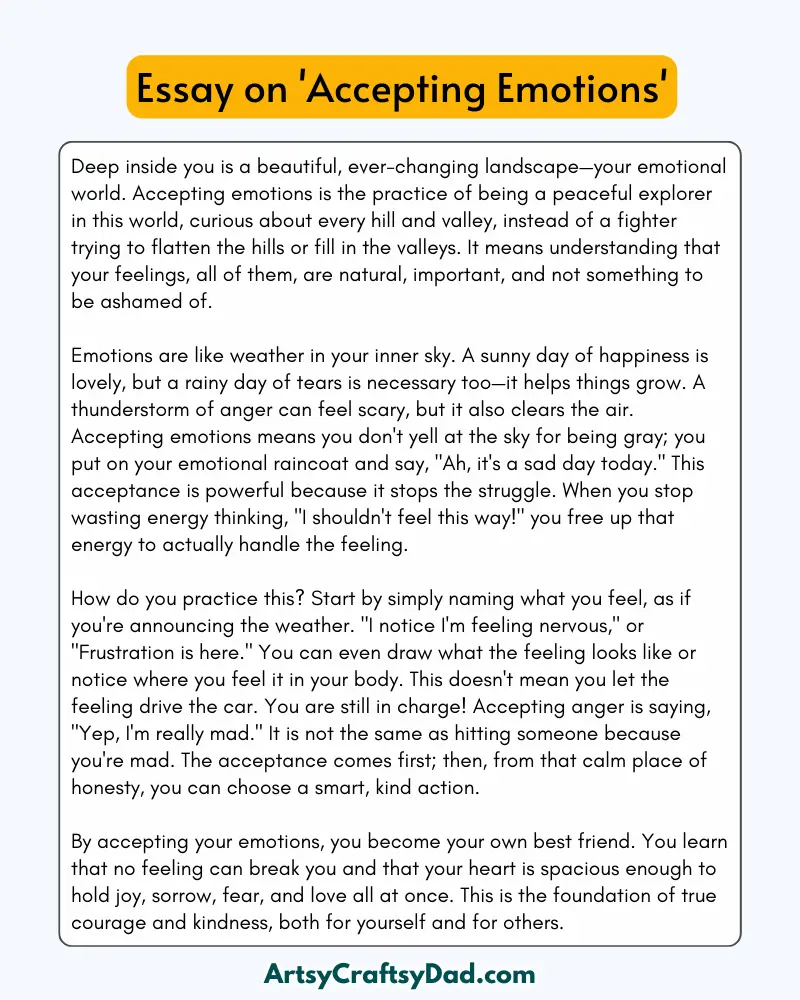
Deep inside you is a beautiful, ever-changing landscape—your emotional world. Accepting emotions is the practice of being a peaceful explorer in this world, curious about every hill and valley, instead of a fighter trying to flatten the hills or fill in the valleys. It means understanding that your feelings, all of them, are natural, important, and not something to be ashamed of.
Emotions are like weather in your inner sky. A sunny day of happiness is lovely, but a rainy day of tears is necessary too—it helps things grow. A thunderstorm of anger can feel scary, but it also clears the air. Accepting emotions means you don’t yell at the sky for being gray; you put on your emotional raincoat and say, “Ah, it’s a sad day today.” This acceptance is powerful because it stops the struggle. When you stop wasting energy thinking, “I shouldn’t feel this way!” you free up that energy to actually handle the feeling.
How do you practice this? Start by simply naming what you feel, as if you’re announcing the weather. “I notice I’m feeling nervous,” or “Frustration is here.” You can even draw what the feeling looks like or notice where you feel it in your body. This doesn’t mean you let the feeling drive the car. You are still in charge! Accepting anger is saying, “Yep, I’m really mad.” It is not the same as hitting someone because you’re mad. The acceptance comes first; then, from that calm place of honesty, you can choose a smart, kind action.
By accepting your emotions, you become your own best friend. You learn that no feeling can break you and that your heart is spacious enough to hold joy, sorrow, fear, and love all at once. This is the foundation of true courage and kindness, both for yourself and for others.
Related Essay & Paragraph Topics
- Understanding and Accepting Emotions
- Importance of Accepting Feelings
- How to Express Emotions Kindly
- Empathy and Emotional Awareness
- Learning to Manage Emotions
You May like this:
Awareness Leads To Maturity

Discover how awareness improves understanding, decision-making, and emotional maturity. Promotes mindfulness, responsible thinking, personal growth, and better life choices.
Importance Of Having Direction In Life
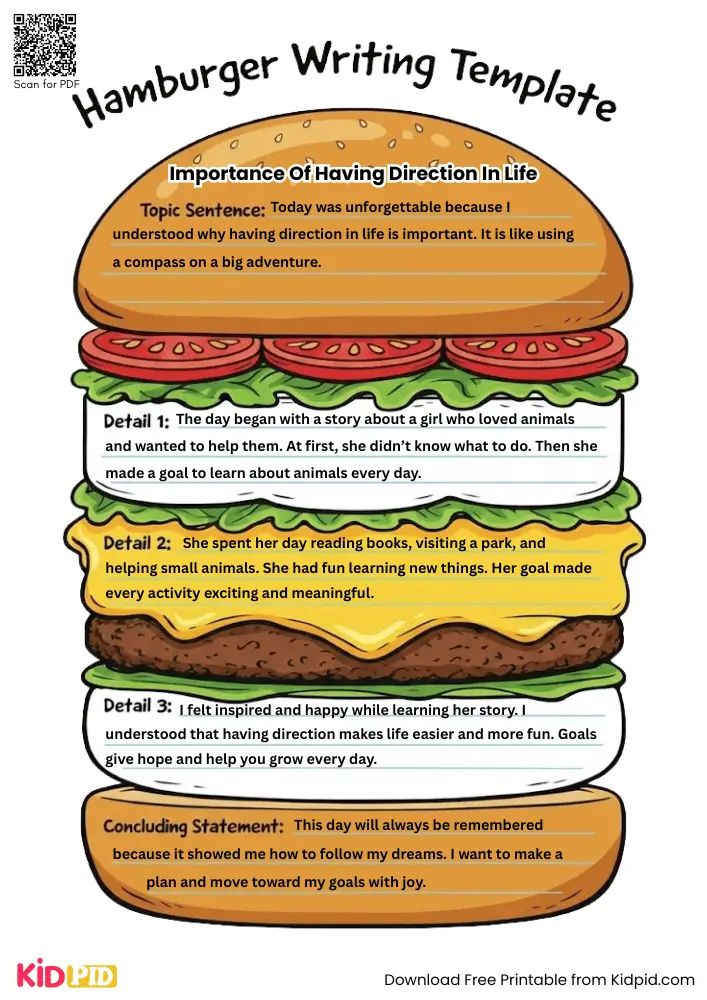
Learn why having clear direction helps focus on goals and future success. Encourages planning, motivation, determination, and purposeful living.
Understanding Personal Responsibility
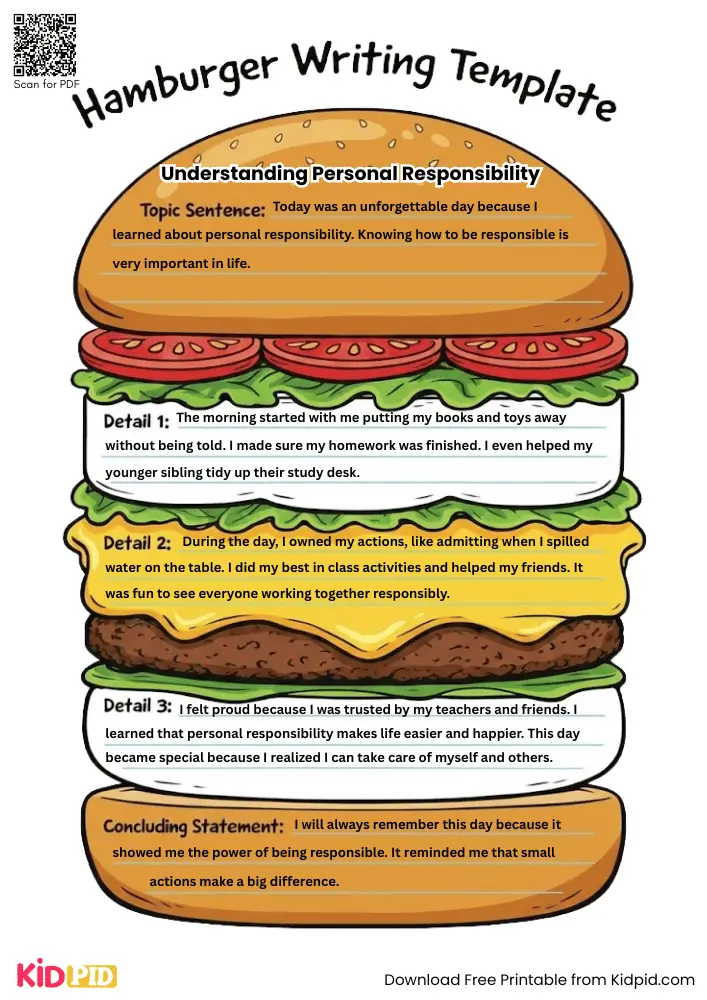
Learn how personal responsibility builds accountability, discipline, and trust. Encourages self-management, ethical behavior, and responsible decision-making.
Preparing Mentally For The Future
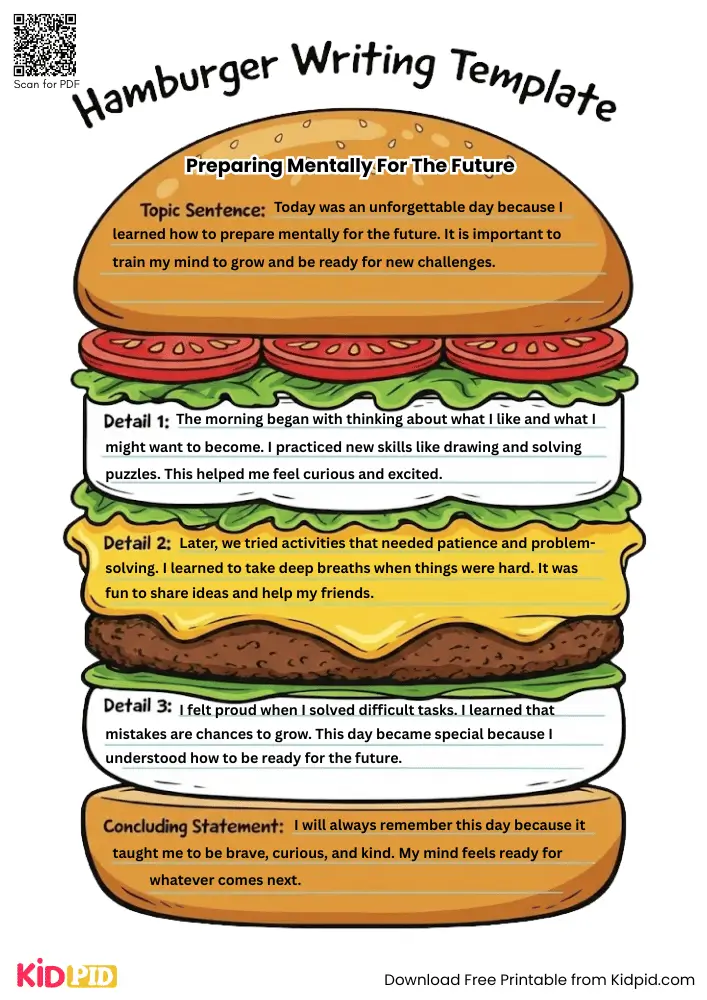
Learn why mental preparation builds resilience, confidence, and readiness for life challenges. Encourages positive mindset, goal planning, and emotional strength.
My First Experience Of Helping a Stranger
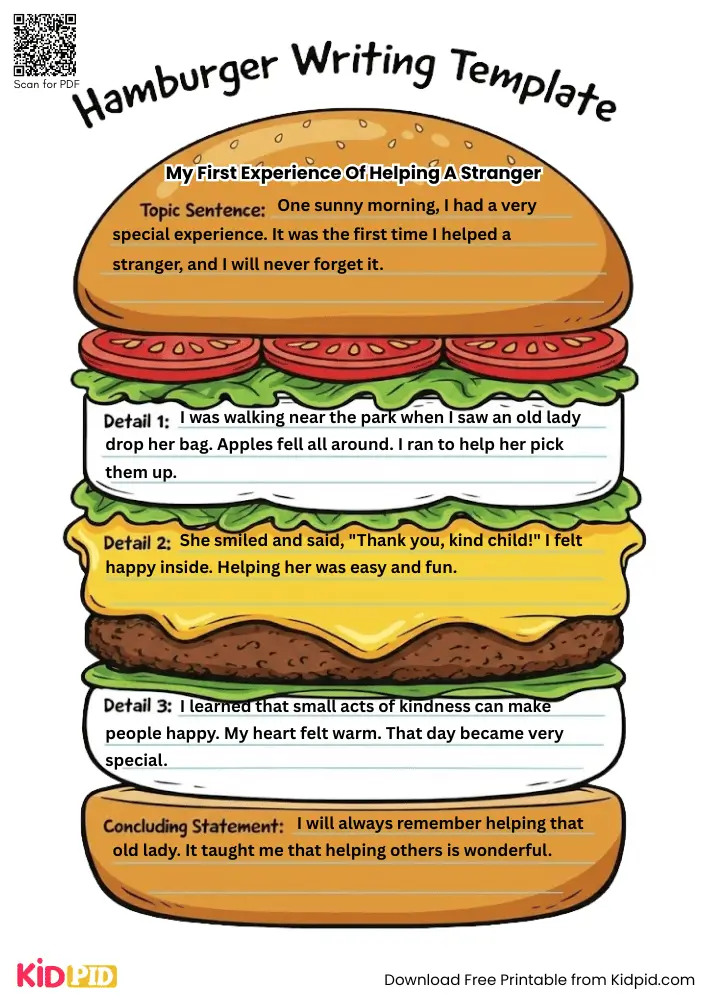
A personal story about helping a stranger and learning kindness, empathy, and social responsibility. Encourages compassion, generosity, and positive human connections.