Caring for things we borrow teaches children responsibility and respect. When kids handle borrowed items carefully and return them on time, they learn honesty and kindness. This simple habit builds trust, improves relationships, and helps children grow into thoughtful and reliable individuals.
5 Pointers on ‘Caring for Things We Borrow’
- We should use borrowed things gently and carefully.
- Borrowed items must be returned on time.
- We should not damage or lose borrowed things.
- Cleaning borrowed items before returning them shows good manners.
- Caring for borrowed things builds trust and honesty.
‘Caring for Things We Borrow’ Paragraph Writing
Hamburger Paragraph on ‘Caring for Things We Borrow’ (Free Template)
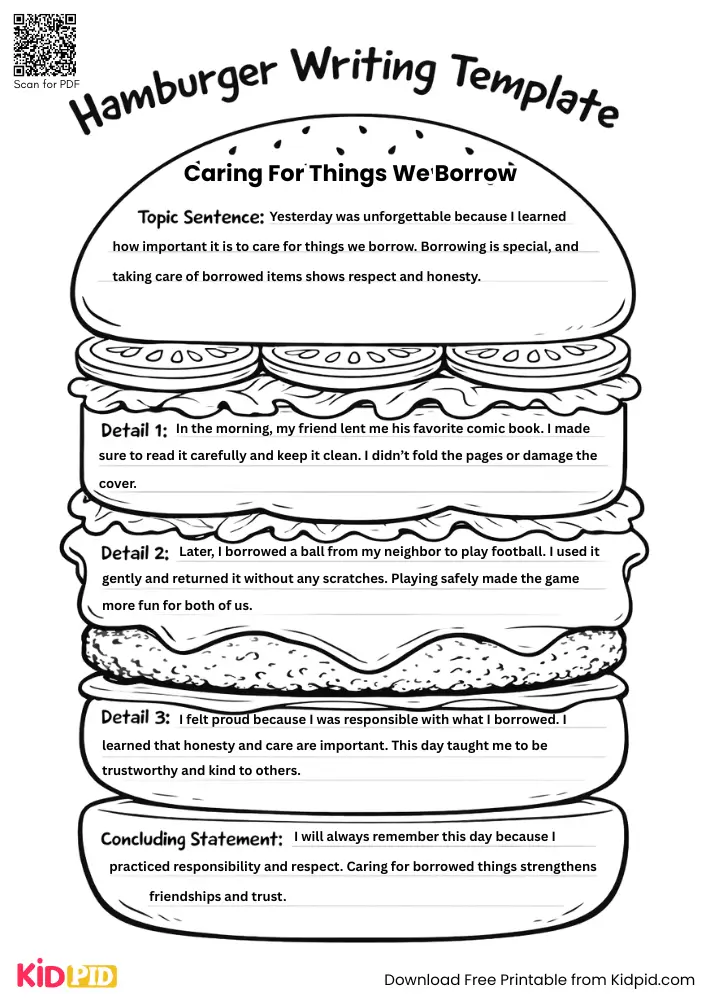
Topic Sentence: Yesterday was unforgettable because I learned how important it is to care for things we borrow. Borrowing is special, and taking care of borrowed items shows respect and honesty.
Detail 1: In the morning, my friend lent me his favorite comic book. I made sure to read it carefully and keep it clean. I didn’t fold the pages or damage the cover.
Detail 2: Later, I borrowed a ball from my neighbor to play football. I used it gently and returned it without any scratches. Playing safely made the game more fun for both of us.
Detail 3: I felt proud because I was responsible with what I borrowed. I learned that honesty and care are important. This day taught me to be trustworthy and kind to others.
Concluding Sentence: I will always remember this day because I practiced responsibility and respect. Caring for borrowed things strengthens friendships and trust.
Short Paragraph on ‘Caring for Things We Borrow’ – 50 Words for Grades 2 to 3
Caring for things we borrow is a good habit. We should use borrowed items carefully and keep them safe. Returning them on time shows respect. This habit teaches honesty, responsibility, and kindness in our daily life.
Long Paragraph on ‘Caring for Things We Borrow’ – 100 Words for Grades 4 to 5
Caring for things we borrow is very important. Borrowed items belong to someone else, so we should handle them gently. We must keep them clean and return them on time. If something gets damaged, we should be honest and say sorry. This habit shows good manners and respect for others. When we care for borrowed things, people trust us more. It helps us become responsible children and good friends. Learning this habit early makes us kind and trustworthy in daily life.
‘Caring for Things We Borrow’ Essay Writing
‘Caring for Things We Borrow’—150 to 200 Words Essay for Grades 6 to 7 Students
When someone lets you borrow something, they are giving you a special gift—the gift of trust. Caring for borrowed things is how we prove we deserve that trust. Imagine if your friend lent you their favorite book. You would want to keep it safe from spills, use a bookmark instead of folding the pages, and make sure it doesn’t get torn in your backpack. Why? Because it’s not just a book; it’s a symbol of your friendship! The same rule applies to toys, games, or even a bicycle. Always ask how to use it properly, and be extra careful. When you’re finished, return it on time, clean, and in one piece. A simple “thank you” when you give it back makes the owner feel happy they shared with you. By treating borrowed things with respect, you show that you are a responsible and caring person. People will see that you are reliable, and they will be much more likely to share with you again in the future!
‘Caring for Things We Borrow’ – 300 Words Essay for Grade 8 Students
Have you ever felt that happy, excited feeling when a friend or family member says, “Sure, you can borrow it!”? Whether it’s a cool graphic novel, a video game, or a bike, borrowing is a wonderful part of friendship and sharing. But it comes with a very important job: being a superhero protector of that item!
Think of a borrowed object as a tiny planet of trust. The owner is trusting you, its guardian, to keep it safe. Your mission is to return it in perfect shape. This means being super careful. Read that book in a clean space, not at the messy dinner table. Play with that toy in a safe area, not where it could get lost or broken. If something minor happens, like a loose page, tell the owner right away and help fix it. Honesty is a big part of caring.
Before you even start using something, it’s smart to ask questions. “Is there anything special I should know?” Maybe the game controller needs gentle buttons, or the stuffed animal shouldn’t get wet. Following these “care instructions” is a key part of your job.
Finally, a great guardian is also punctual. Return what you borrowed when you said you would, or as soon as you’re done. Don’t make the owner have to ask for it back. When you hand it over, clean and ready, add a big, sincere “Thank you for letting me use this.” That shows you don’t just care about the thing; you care about the person’s kindness.
When you take excellent care of borrowed things, you build a reputation as a responsible and respectful person. People learn they can count on you. This makes sharing more joyful for everyone and opens the door to more borrowing adventures in the future!
Related Essay & Paragraph Topics
- The Importance of Caring for Borrowed Things
- Why We Should Respect Borrowed Items
- A Good Habit: Taking Care of Borrowed Things
- Learning Responsibility Through Borrowing
- Caring for Borrowed Things in Daily Life
You May like this:
Growing Through Challenges
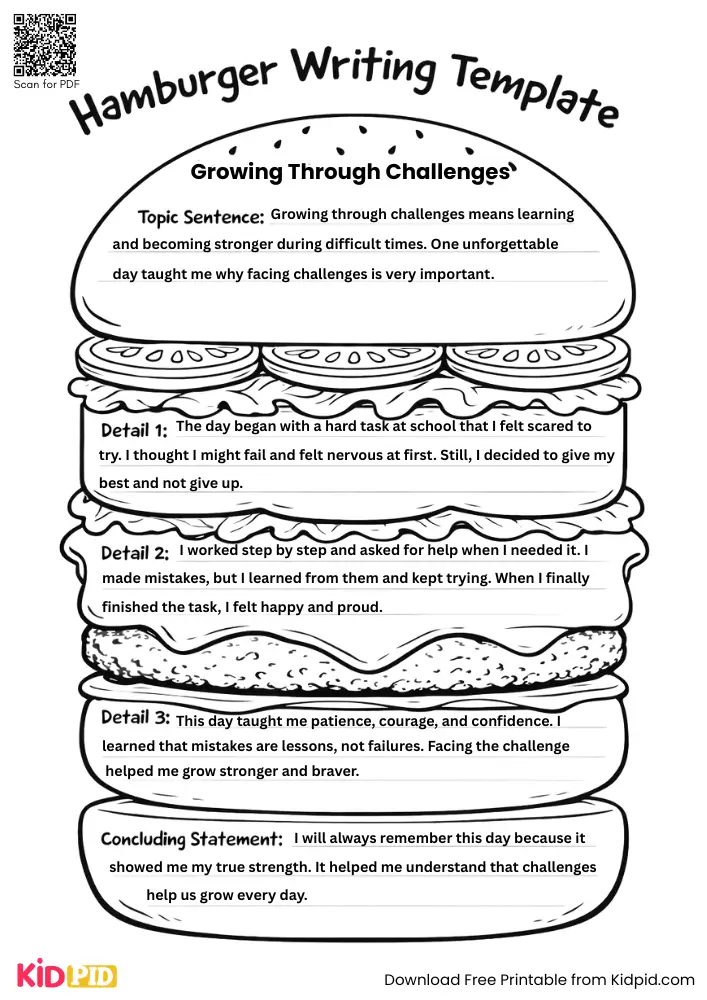
Growing through challenges builds resilience, emotional strength, confidence, perseverance, adaptability, and success.
Importance Of Continuous Improvement

Continuous improvement enhances productivity, skills, innovation, adaptability, efficiency, and long-term success.
Accepting Feedback Positively
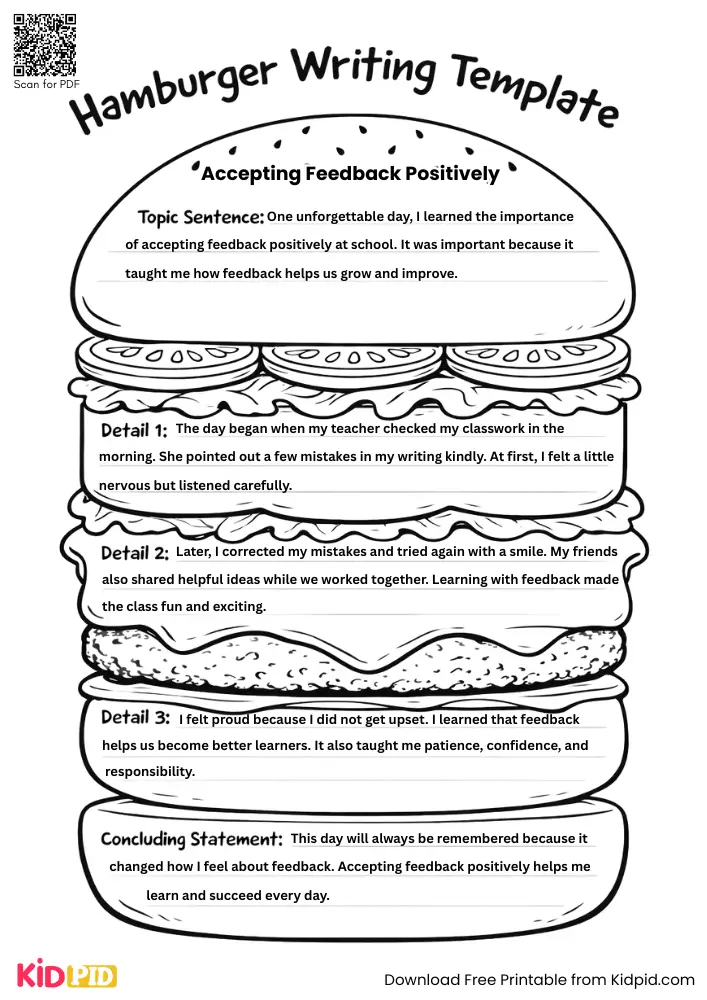
Accepting feedback positively improves performance, self-awareness, learning, personal development, communication skills, and professional growth.
Learning From Failures
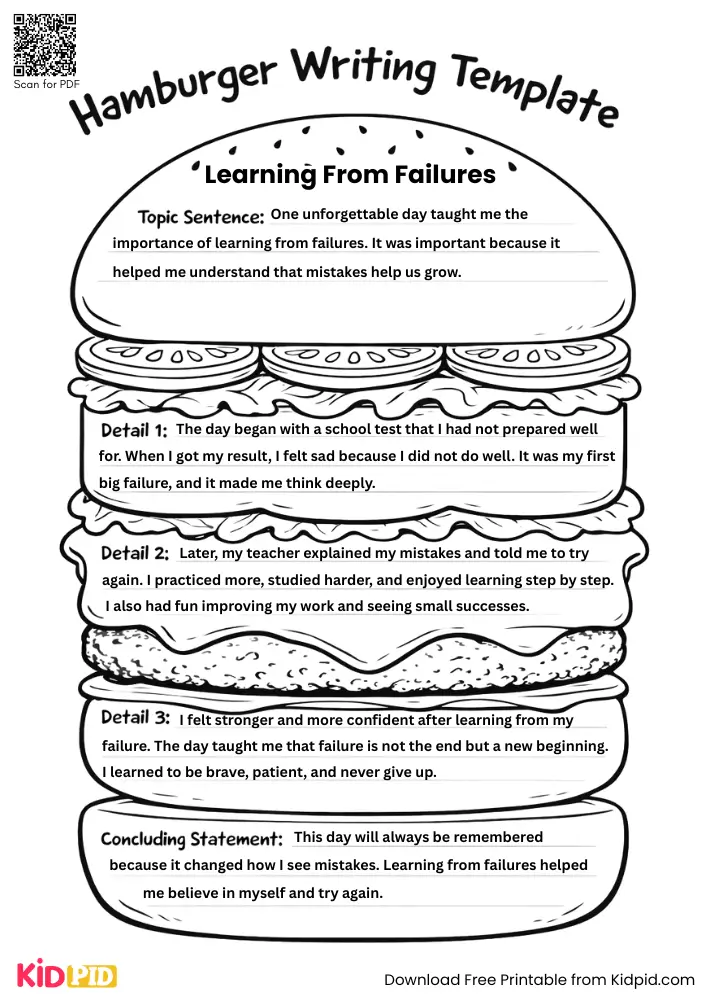
Learning from failures builds resilience, growth mindset, problem-solving skills, perseverance, confidence, and improvement.
Living With Principles

Living with principles ensures ethical conduct, consistency, strong values, discipline, responsibility, and trustworthy character.