“Building peaceful communities starts with small, kind actions. Listening to others, helping neighbors, and solving problems calmly create trust and happiness. When people respect each other, share, and work together, everyone feels safe and included. Simple acts like picking up litter, greeting neighbors, or helping friends make a big difference.”
5 Pointers on ‘How to Build Peaceful Communities’
- Treat everyone with kindness and respect, no matter who they are.
- Solve problems with talking and understanding, not fighting.
- Help people in need and share resources with others.
- Follow rules and laws to keep the community safe.
- Work together in activities that bring people closer, like cleaning parks or planting trees.
‘How to Build Peaceful Communities’ Paragraph Writing
Hamburger Paragraph on ‘How to Build Peaceful Communities’ (Free Template)

Topic Sentence: Our class had an unforgettable day about how to build peaceful communities. It was important because we learned how our small actions can make everyone feel safe and happy.
Details 1: The day began with our teacher greeting us with a warm smile. She talked about using kind words and listening carefully to others. We first learned that peace starts with each one of us.
Details 2: We played games where everyone was included and no one was left out. We practiced solving small problems by talking calmly instead of arguing. Helping friends and sharing made the activities fun and joyful.
Details 3: I felt proud because I learned how to be kinder and more helpful. I understood that listening and respecting others can stop fights. The day became special because it showed how teamwork creates peace.
Concluding Statement: This day will always be remembered because it taught us how to build peaceful communities together.
Short Paragraph on ‘How to Build Peaceful Communities’ – 50 Words for Grade 4
A peaceful community starts with you. Use kind words and listen to others. Include everyone in games and activities. Solve disagreements by talking calmly. Help neighbors and care for shared spaces. When everyone shows respect and works together, it creates a safe and happy place for all.
Long Paragraph on ‘How to Build Peaceful Communities’ – 100 Words for Grade 5

Building a peaceful community is like being on a great team. It starts with showing kindness every day. Greet people with a smile and use helpful words. Make sure no one is left out—always invite others to join in. If there’s a disagreement, talk it out calmly and listen to each other. Take pride in your neighborhood by picking up litter and helping those in need. Stand up for others if you see someone being treated unfairly. When everyone chooses to be respectful, caring, and fair, the whole community becomes a stronger, safer, and happier place to live.
‘How to Build Peaceful Communities’ Essay Writing
‘How to Build Peaceful Communities’ – 150 to 200 Word Essay for Grades 6 to 7 Students
A peaceful community is a happy place where everyone feels safe and welcome. You can help build one starting today! It begins with you. Use kind words and friendly smiles. If you see someone alone, invite them to join you. Including others is a powerful way to create peace.
Listening is another superpower for peace. When you listen carefully to understand how someone else feels, it helps solve problems. If you disagree with a friend, talk about your feelings calmly instead of arguing. Say, “I feel upset when…” and work together to find a fair answer.
Peace also means taking care of our shared world. Pick up litter in the park, be helpful to neighbors, and stand up for someone being treated unfairly. Remember, a peaceful community is like a big team. Every kind act, every listening ear, and every helpful hand make the team stronger. When we all choose to be builders of peace, we create a wonderful place for everyone to live.
‘How to Build Peaceful Communities’ – 300 Words Essay for Grades 8 t0 10 Students

A peaceful community isn’t just a place without fights. It’s a place where people feel they belong, where they are respected, and where they work together. Building this kind of community is an important job, and kids can be some of the best builders! Here’s how.
First, peace starts with our own actions. Think of kindness as your main tool. Greet people by name, hold the door open, and offer to help carry groceries. These small acts are like dropping pebbles in a pond—the ripples of kindness spread out and touch everyone. Another crucial tool is inclusion. Look around at lunch or recess. Is someone sitting alone? Be the one to walk over and say hello. A community is peaceful when everyone feels like they are an important part of it.
Second, we need to be good communicators to keep the peace. This means being a great listener. When someone is talking, really pay attention to their words and feelings. This helps you understand them better. When conflicts happen, as they sometimes will, use your words to solve them. Instead of yelling or blaming, explain how you feel. You could say, “I felt sad when the game rules changed without telling me.” This calm approach helps find a solution that makes everyone feel okay.
Finally, peace means being an active, responsible member of your town or neighborhood. You can help by caring for shared spaces—like planting flowers in a community garden or recycling. Have the courage to be an “upstander.” If you see someone being bullied or teased, tell a trusted adult or offer support to the person being hurt. Protecting others is a powerful way to build peace.
Remember, a peaceful community is built every day by the choices we all make. When you choose kindness, inclusion, calm problem-solving, and helpfulness, you are not just living in your community—you are actively building a better, happier, and more peaceful home for everyone.
Related Essay & Paragraph Topic
- Ways to Make Our Community Peaceful
- How to Live Happily in a Community
- Building Friendship and Harmony in Neighborhoods
- Steps to Create a Safe and Peaceful Community
- Caring, Sharing, and Helping in Our Community
You May like this:
Importance Of Controlling Negative Thoughts

Controlling negative thoughts enhances mental health, focus, and positivity. Mindfulness, emotional control, and positive thinking improve well-being and decision-making.
Learning To Observe My Own Behavior
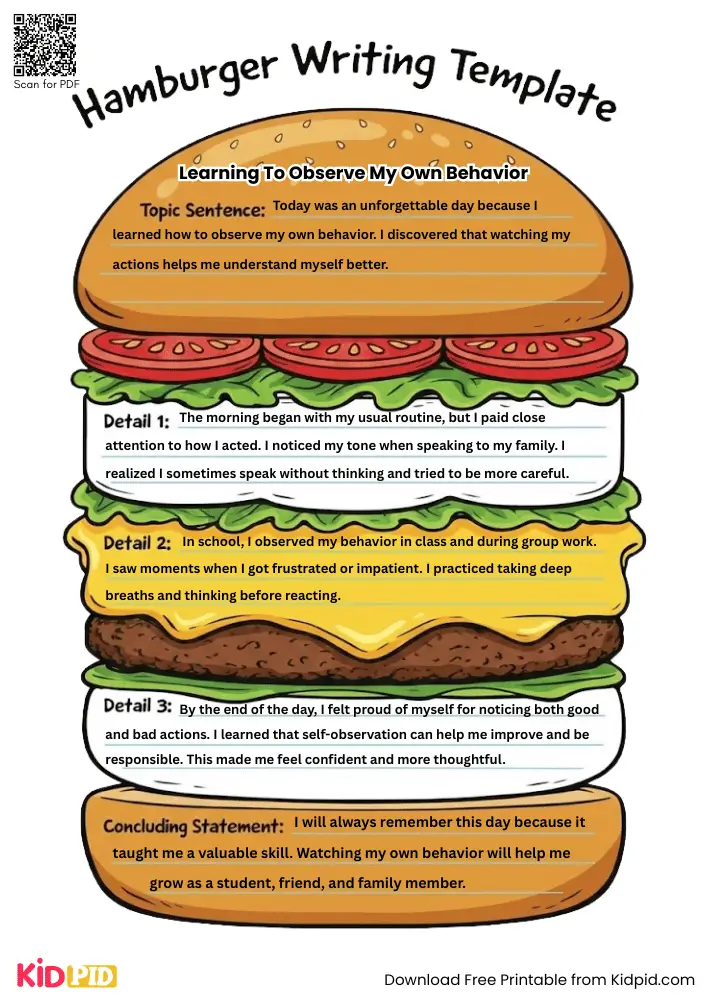
Observing behavior builds self-awareness, emotional intelligence, and personal growth. Reflection helps identify strengths, weaknesses, and areas for improvement.
How Mindset Affects Daily Life

Mindset shapes attitudes, productivity, and emotional well-being. Positive thinking, resilience, and focus improve daily life and long-term personal success.
Learning To Respond Instead Of React

Responding instead of reacting encourages emotional control, thoughtful communication, and better decision-making. Calm responses reduce conflicts and support healthy relationships and personal growth.
How Thoughts Influence Actions
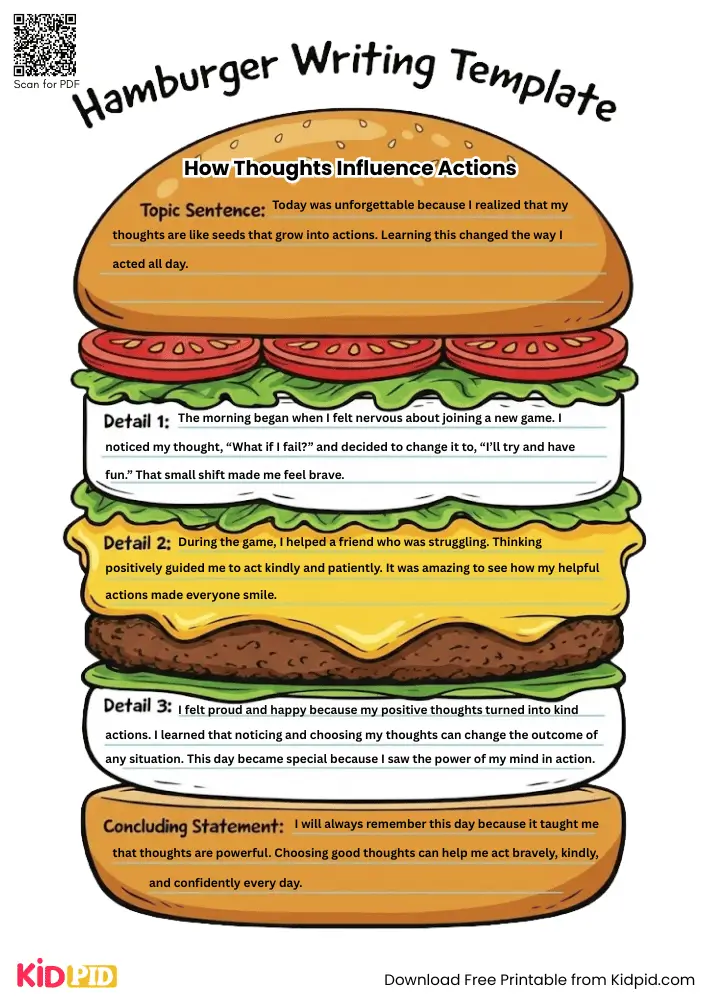
Thoughts influence actions, behavior, and decision-making. Positive thinking encourages productive habits, emotional balance, and responsible choices that support personal growth.