Classroom discipline helps students focus, learn faster, and behave responsibly. Following rules, listening carefully, and staying calm make lessons easier to understand. Discipline creates a safe and organized environment where students can enjoy learning, participate in activities, and build habits that support success in school and everyday life.
5 Pointers on ‘How Classroom Discipline Helps Learning’
- Discipline helps students focus in class.
- Classroom rules create a safe and organized environment.
- Listening politely improves learning for everyone.
- Discipline helps finish homework and assignments.
- Being disciplined allows better understanding and problem-solving.
‘How Classroom Discipline Helps Learning’ Paragraph Writing
Hamburger Paragraph on ‘How Classroom Discipline Helps Learning’ (Free Template)

Topic Sentence: One classroom day became unforgettable because everyone followed discipline. It was important because it helped us learn better and faster.
Details 1: The day started with students entering the class quietly. We listened carefully as the teacher explained the rules. Everyone paid attention from the beginning.
Details 2: We completed our classwork and homework on time. Students raised their hands to speak and respected each other. Learning activities became enjoyable and smooth.
Details 3: I felt proud to be part of a disciplined class. I learned that discipline creates a safe and happy learning place. It also helps us build good habits.
Concluding Statement: This day will always be remembered because learning felt peaceful. Classroom discipline made our school life better.
Short Paragraph on ‘How Classroom Discipline Helps Learning’ – 50 Words for Grades 3 to 4
Classroom discipline helps students learn better. Following rules, listening to teachers, and staying calm make learning easier. When students are disciplined, they focus on lessons, complete tasks on time, and respect others. Discipline creates a happy and safe environment where everyone can enjoy learning and grow.
Long Paragraph on ‘How Classroom Discipline Helps Learning’ – 100 Words for Grade 5

Classroom discipline is very important for learning. When students follow rules and pay attention, lessons become easier to understand. Listening carefully to teachers and respecting friends helps everyone focus. Discipline also teaches us to complete homework and classwork on time. When students stay calm and organized, the classroom becomes a happy and safe place for learning. I have noticed that disciplined classmates learn faster, participate in activities, and enjoy school more. Classroom discipline helps us develop good habits that make us responsible and confident in school and in life.
‘How Classroom Discipline Helps Learning’ Essay Writing
‘How Classroom Discipline Helps Learning’- 150 to 200 Words Essay for Grades 6 to 7 Students
Classroom discipline is like the guardrails on a winding road—it doesn’t slow us down; it keeps us safe so we can go further, faster. In a class without it, there’s constant noise and interruptions. It’s impossible to hear the teacher’s exciting story or focus on a tricky math problem. But when our class follows simple rules, like raising a hand to speak or listening when others share, magic happens. The room becomes calm. This calmness is the secret ingredient for learning. My brain can finally settle down and absorb information. I can ask a question and know I’ll be heard. The teacher can plan fun experiments instead of wasting time managing chaos. Discipline isn’t about being strict; it’s about being fair. It ensures that everyone’s right to learn is protected. It turns our classroom from a noisy room into a learning workshop where we can all build knowledge together. I learn more, and I enjoy it more, because good discipline creates the peace we need to think and grow.
‘How Classroom Discipline Helps Learning’ – 300 Words Essay for Grade 8 Students

At first, I thought classroom discipline was just a list of “don’ts” designed to spoil our fun. I’ve since discovered it’s actually the opposite—it’s the framework that makes deep, engaging learning possible. The best example came during our month-long science fair project. Our teacher, Mr. Lee, set clear guidelines from the start: use indoor voices during work time, respect each other’s materials, and clean your station every day. These simple rules of discipline transformed our classroom into a buzzing laboratory of creativity, not chaos.
Because we followed the “indoor voices” rule, my group could actually hear each other’s ideas as we brainstormed solutions for our volcano model. The rule about respecting materials meant I could leave my carefully painted planets on the drying rack without fear they’d be knocked over. Most importantly, the daily cleanup ritual, which I once saw as a chore, ensured we started each session with a clear, organized space, ready to pick up right where we left off. This saved precious time and mental energy.
Without this shared discipline, our project would have been a stressful mess of lost pieces, arguments over noise, and wasted time. With it, we were self-directed scientists. Mr. Lee was freed from being a referee and could instead move from group to group as a guide, offering clever hints and asking questions that pushed our thinking further. The discipline created a structured freedom where real discovery thrived. I learned that discipline isn’t the enemy of fun and learning; it’s the foundation. It builds the calm, respectful, and organized environment where curiosity can flourish, collaboration can happen, and everyone’s mind has the space to stretch and learn to its fullest potential.
Related Essay & Paragraph Topics
- Why Listening to Teachers Helps Learning
- How Following Rules Makes School Better
- The Role of Discipline in Class Activities
- Learning Respect and Patience Through Discipline
- How Good Behavior Improves Learning
You May like this:
Why Renewable Energy Matters

Renewable energy reduces carbon emissions, combats climate change, promotes sustainability, conserves resources, and supports clean energy solutions.
How To End Food Waste
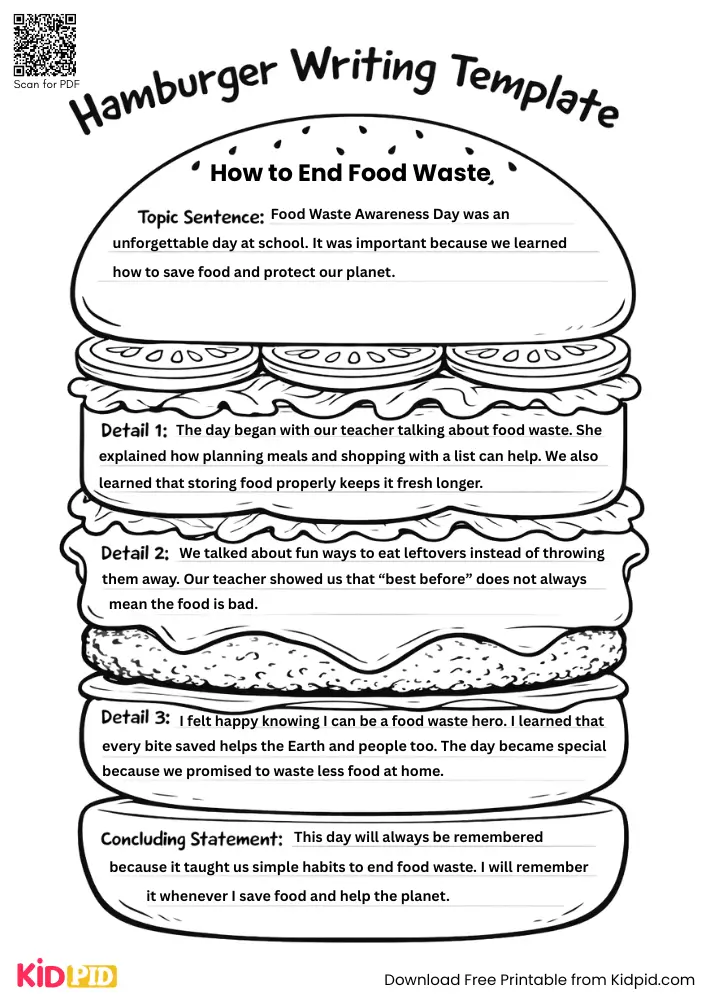
Ending food waste requires meal planning, proper storage, portion control, food donation, awareness campaigns, and sustainable consumption habits.
Why Volunteering Is Important

Volunteering builds compassion, social responsibility, leadership skills, community support, empathy, and positive social impact.
How To Build Peaceful Communities

Building peaceful communities requires respect, tolerance, communication, cooperation, social harmony, conflict resolution, and active community participation.
Patience While Standing In A Queue

Practicing patience in a queue builds self-control, emotional intelligence, discipline, respect for others, stress management, and social responsibility.