“Learning forgiveness helps children let go of anger and feel lighter inside. It teaches them to be kind, patient, and understanding, even when someone makes a mistake. Forgiving others restores friendships, builds peace, and makes hearts happy. Practicing forgiveness every day helps children grow confident, caring, and emotionally strong.”
5 Pointers on ‘Learning Forgiveness’
- Forgiveness means letting go of anger and hurt.
- Forgiving others helps us feel calm and happy.
- Forgiveness makes friendships strong again.
- It teaches kindness, patience, and understanding.
- Learning forgiveness helps children grow peaceful and confident.
‘Learning Forgiveness’ Paragraph Writing
Hamburger Paragraph on ‘Learning Forgiveness’ (Free Template)

Topic Sentence : An unforgettable day taught me a powerful lesson about forgiveness. It was important because it helped me release hurt and anger.
Details 1 : The day began when I had a disagreement with a classmate. His words made me feel upset and confused. I carried those feelings all morning.
Details 2 : Later, I talked to a trusted teacher about my feelings. My classmate explained his mistake and said sorry. We decided to move on peacefully.
Details 3 : I felt lighter and calmer after forgiving him. I learned that holding anger only causes pain. Forgiveness brings peace and strength.
Concluding Statement : This day will always be remembered as a turning point. It showed me that forgiveness helps me grow kinder and stronger.
Short Paragraph on ‘Learning Forgiveness’ – 50 Words for Grades 2 to 3
Forgiveness means letting go of anger and hurt. Children who forgive feel calm and happy. Forgiveness helps fix friendships and build peace. It teaches kindness, patience, and understanding. Practicing forgiveness every day helps children grow into caring and confident individuals.
Long Paragraph on ‘Learning Forgiveness’ – 100 Words for Grade 4

Forgiveness is important for children. It means letting go of anger when someone makes a mistake. Everyone makes mistakes, and forgiving helps build strong friendships. Forgiveness teaches kindness, patience, and understanding. Children who forgive feel calm and happy inside. Holding anger makes us sad, but forgiveness brings peace. Parents and teachers guide children to forgive and say sorry. Learning forgiveness helps children solve problems and live peacefully with others. Children who practice forgiveness grow into caring, confident, and respectful individuals. Forgiveness makes life happier and relationships stronger.
‘Learning Forgiveness’ Essay Writing
‘Learning Forgiveness’ – 150 to 200 Words Essay for Grades 5 to 7 Students
Learning forgiveness is like learning to put down a heavy backpack full of hurt and anger that you’ve been carrying around. Forgiveness is important because it allows you to feel light and free again. It doesn’t mean that what the other person did was right or that you have to be best friends with them again. It simply means you choose to stop letting that bad feeling control your happiness. Think of your heart like a whiteboard. When someone hurts you, it’s like a mean scribble on your board. Staying angry keeps that scribble there, dark and messy. Forgiveness is the eraser. It clears the board, so you have space to draw happy pictures again. It takes practice and courage. Start by talking about your feelings with a trusted adult. Sometimes, forgiving someone also means setting a kind but firm boundary to keep yourself safe. When you learn to forgive, you become stronger, kinder, and more at peace.
‘Learning Forgiveness’ – 300 Words Essay for Grades 8 to 9 Students

Learning forgiveness is one of the bravest and most important lessons we can learn. It’s not about weakness; it’s about incredible emotional strength. Forgiveness is deciding to make peace with a hurtful event so that it no longer causes you pain and anger every day.
Imagine your heart is a beautiful garden. When someone hurts your feelings or treats you unfairly, it’s like a weed has been planted. If you stay angry and hold a grudge, you are watering that weed every day, letting its roots grow deep and spread until it might choke your beautiful flowers. Forgiveness is the act of deciding to stop watering that weed. You pull it out so your garden—your heart—has space for joy, kindness, and new friendships to grow again.
It’s crucial to understand that forgiveness has nothing to do with saying the hurtful action was acceptable. It also doesn’t always mean you must trust the person again right away or even be their friend. Trust is earned back through changed behavior over time. Forgiveness is primarily for you. It’s saying, “What you did hurt me, but I won’t let that hurt live inside me forever.”
Learning forgiveness is a process. First, it’s okay to feel your feelings—sadness, anger, or confusion. Talk about them. Then, try to understand that everyone makes mistakes, sometimes big ones. Finally, make a choice to let the negative feelings go. This might mean telling the person, “I forgive you,” or it might just be a quiet decision in your own heart.
By practicing forgiveness, you break the cycle of hurt. You become the kind of person who builds peace instead of holding onto pain. You learn that while you can’t control what others do, you can always control your own response. Choosing forgiveness is choosing your own freedom and peace.
Related Essay & Paragraph Topics
- Importance of Forgiveness
- Learning to Let Go of Anger
- Forgiveness Builds Peace
- Why Forgiveness Matters
- Growing Through Forgiveness
You May like this:
Avoiding Wastefulness
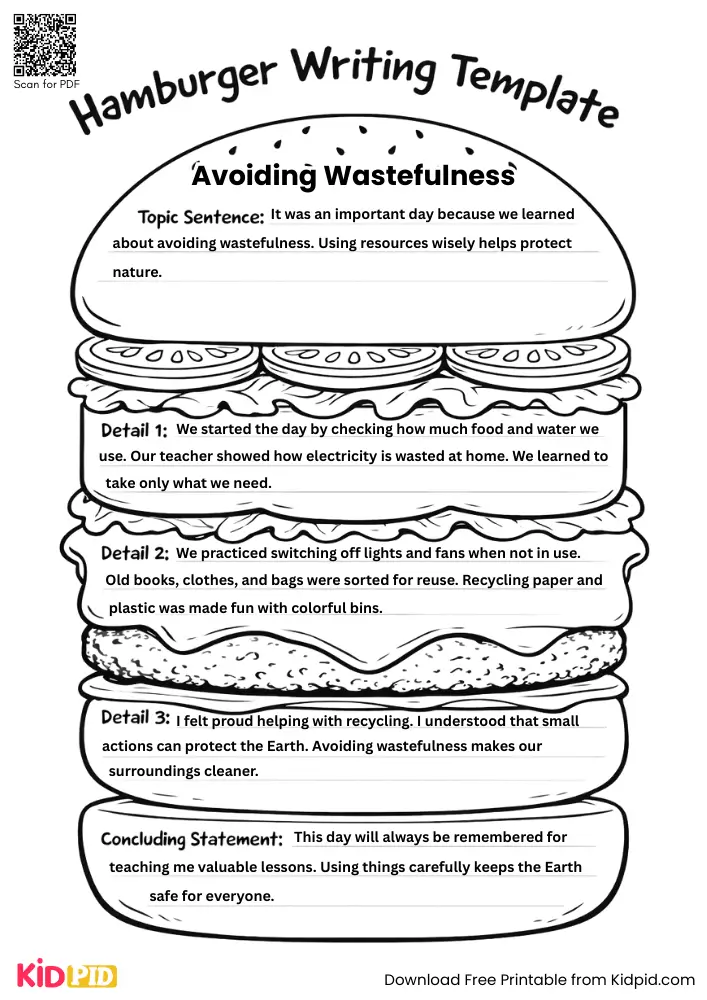
Avoiding waste saves resources, money, and energy. Responsible consumption encourages sustainability, efficiency, and mindful living while protecting the environment.
Environmental Duty
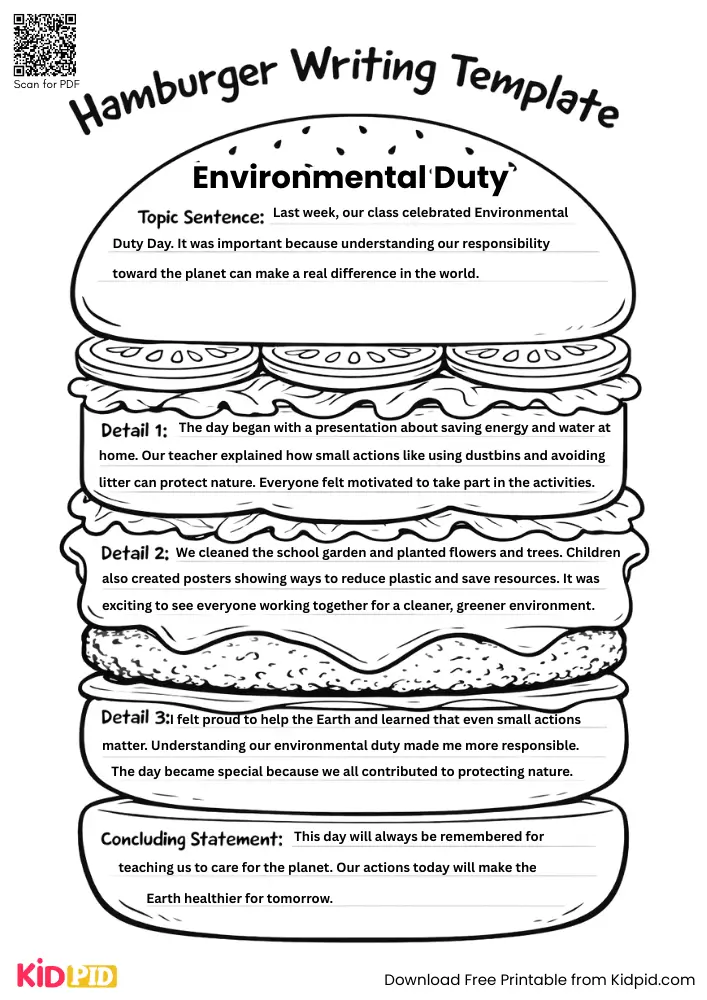
Environmental duty encourages responsible actions toward nature. Conservation, recycling, and awareness protect ecosystems and ensure sustainability for future generations.
Power Of Imagination
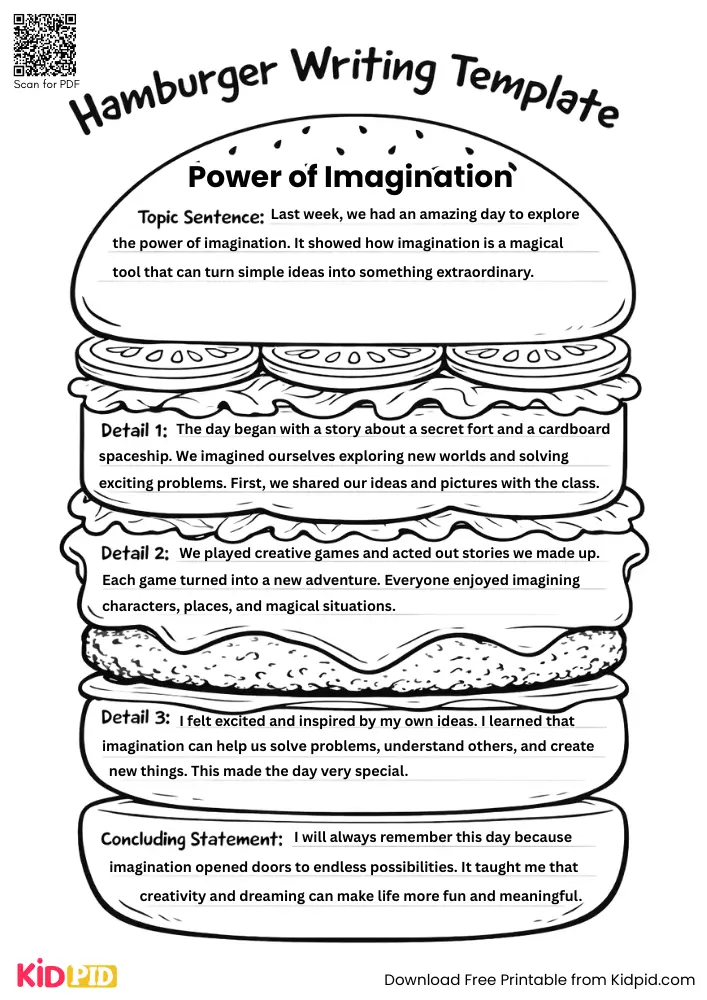
Imagination fuels creativity, innovation, and problem-solving. Visualizing ideas encourages invention, artistic expression, and new possibilities while helping individuals think freely, explore solutions, and develop original approaches to challenges.
Expressing Ideas Freely
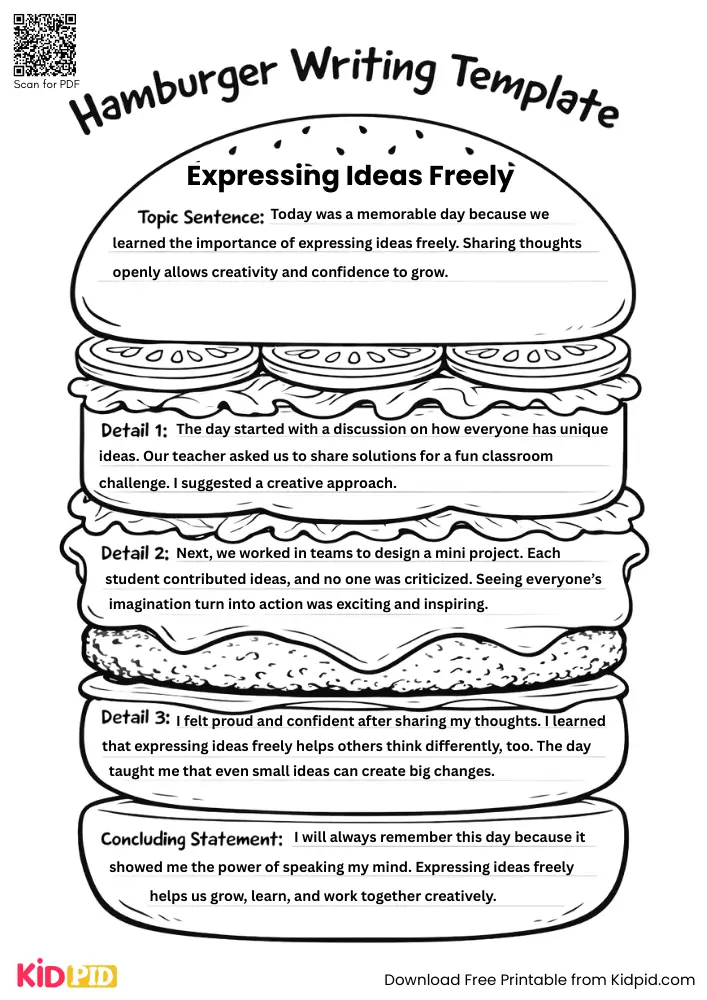
Free expression encourages creativity, confidence, and communication skills. Sharing thoughts openly promotes innovation, collaboration, and self-belief while helping individuals develop unique perspectives and strong voices.
Importance Of Originality

Original ideas inspire creativity, innovation, and authenticity. Being unique builds confidence, encourages self-expression, and helps individuals contribute fresh perspectives in learning, work, and life.