“Compassion is the gentle care we show when others feel sad or need help. It teaches children to notice feelings, lend a hand, and speak kindly. This caring attitude builds strong bonds and happy hearts. Learning the importance of compassion helps kids become thoughtful, helpful, and loving people.”
5 Pointers on ‘Importance of Compassion’
- Compassion means caring about others and their feelings.
- Compassion helps us understand and help people in need.
- Being compassionate makes friendships strong and kind.
- Compassion teaches empathy, patience, and kindness.
- Practicing compassion makes children caring and responsible.
‘Importance of Compassion’ Paragraph Writing
Hamburger Paragraph on ‘Importance of Compassion’ (Free Template)

Topic Sentence : One day in my class became very special because I learned about compassion. It was important because I understood how caring for others makes everyone happy.
Details 1 : The day began like any normal school day with morning prayers. Soon, our teacher talked to us about helping others. She told us that compassion means caring about people and their feelings.
Details 2 : We shared stories about helping friends and family. Some children talked about sharing lunch and helping classmates. We also played a small role-play that showed kind actions.
Details 3 : I felt happy listening to these stories. I learned that small acts of kindness matter a lot. Compassion helps us become good and caring children.
Concluding Statement : This day will always be remembered because it taught me to be kind. I will never forget how compassion makes the world better.
Short Paragraph on ‘Importance of Compassion’ – 50 Words for Grade 4
Compassion means caring about others and their feelings. Children who show compassion help people in need. Compassion teaches kindness, patience, and empathy. Small acts of care make others happy. Practicing compassion every day helps children grow into caring, responsible, and kind individuals.
Long Paragraph on ‘Importance of Compassion’ – 100 Words for Grade 5

Compassion is very important for children. It means caring about others and understanding their feelings. Compassion helps children notice when someone is sad or needs help. Being compassionate builds strong friendships and teaches kindness and patience. Children learn to help family, friends, animals, and nature. Small acts like sharing, listening, or comforting show compassion. Parents and teachers encourage children to be caring and helpful. Children who practice compassion feel good inside and earn love and respect. Compassion makes life peaceful and happy and helps children grow into kind and responsible individuals.
‘Importance of Compassion’ Essay Writing
‘Importance of Compassion’ – 150 to 200 Words Essay for Grades 6 to 8 Students
Compassion is one of the most important superpowers our hearts can have. It’s the feeling that stirs inside you when you see someone else hurting, and it pushes you to want to help. Compassion is important because it connects us all. When a friend falls and you help them up, or when you see someone being left out and invite them to play, you are showing compassion. These actions do two amazing things: they ease another person’s pain, and they make you feel good for making a difference. Compassion breaks down walls of loneliness and teaches us that everyone deserves kindness, even people we don’t know very well. It moves us from just seeing a problem to doing something about it. A compassionate world is a safer, friendlier, and happier place for everyone. By practicing compassion—through a helping hand, a shared snack, or a listening ear—you become a hero who heals with kindness.
‘Importance of Compassion’ – 300 Words Essay for Grades 9 to 10 Students
Have you ever felt a real ache in your heart when you saw someone crying? That feeling, followed by a desire to help, is called compassion. It is often described as “walking a mile in someone else’s shoes.” Compassion is not just a feeling; it’s a powerful force that is crucial for building a caring world. Its importance lies in its power to heal, unite, and inspire action.
First, compassion is a healing force. When someone is sad, scared, or hurt, a compassionate friend doesn’t just stand and watch. They offer comfort—maybe with a hug, a note, or simply by sitting quietly with them. This tells the person, “You are not alone. I see your pain, and I care.” This connection can be more powerful than medicine for a hurting heart.
Second, compassion is our greatest tool for understanding others. It helps us look past our own experiences and imagine what life might be like for someone else—a classmate who is struggling to learn, a new neighbor who misses their old home, or an animal that is lost. Compassion dissolves fear and judgment, replacing it with empathy and a willingness to reach out, even to those who seem different from us.
Finally, compassion is the spark that leads to action. Pity might make us feel sad and then walk away. Compassion makes us ask, “What can I do?” It turns feeling into doing, whether it’s donating a toy, standing up for someone being bullied, or helping a family member with a chore when they are tired.
In a world that can sometimes seem cold or unfair, compassion is the warm light that guides us. It reminds us that we are all connected and that everyone deserves dignity and kindness. By nurturing compassion in our own hearts, we don’t just become better friends and family members; we become builders of a more gentle and just world, one kind act at a time.
Related Essay & Paragraph Topics
- Learning to Be Compassionate
- Why Compassion Matters
- Caring for Others with Compassion
- Compassion Makes the World Better
- Growing Through Compassion
You May like this:
Acting Responsibly

Responsible actions build reliability, maturity, and trust. Fulfilling duties, making thoughtful decisions, and considering consequences strengthen character, relationships, and social stability while promoting ethical living and accountability.
Ethical Choices In Life

Making ethical choices promotes honesty, fairness, and responsibility. Thoughtful decisions based on values improve relationships, trust, and long-term success while supporting social harmony and personal integrity.
Protecting Natural Surroundings

Protecting surroundings supports ecological balance, wildlife safety, and sustainability. Caring for land, water, and green spaces encourages environmental awareness, conservation, and responsible citizenship.
Living Eco-Friendly

Eco-friendly living supports sustainability, reduced pollution, and conservation. Using reusable items, saving energy, and reducing waste help protect the planet and promote responsible lifestyles.
Caring For Environment
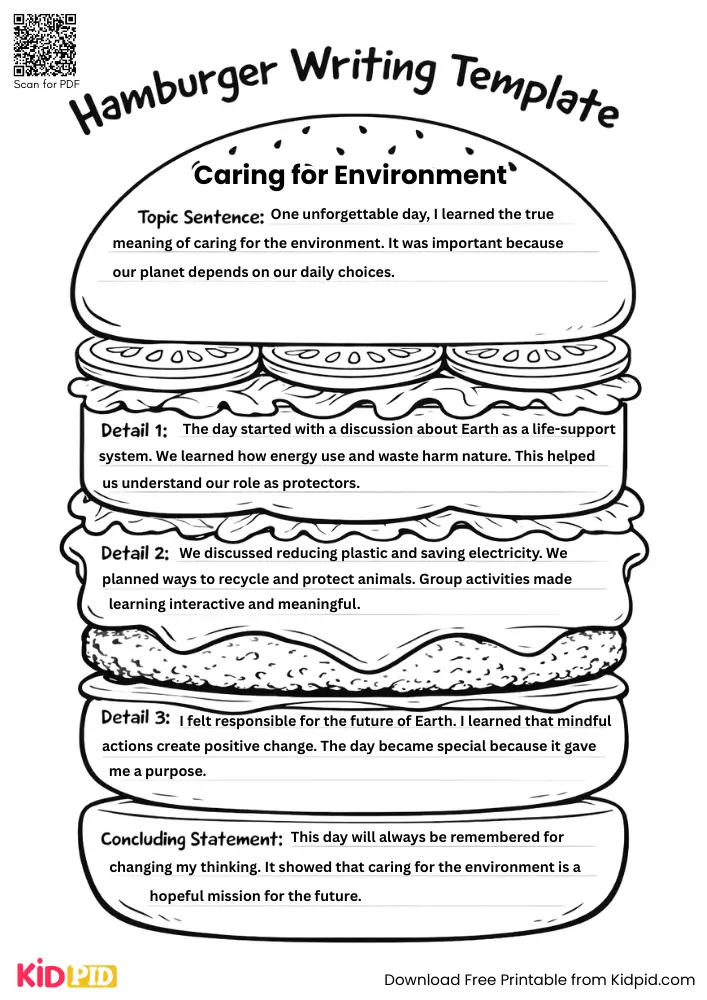
Environmental care promotes clean air, water, and biodiversity. Sustainable habits, waste reduction, and conservation efforts protect ecosystems and support global well-being.