Assignments are more than just schoolwork; they help students become responsible. By completing tasks on time, planning carefully, and checking our work, we learn important habits for life. Taking responsibility through assignments teaches focus, honesty, and self-discipline, making us better learners and more dependable individuals every day.
5 Pointers on ‘Learning Responsibility Through Assignments’
- Assignments teach students to complete tasks on time.
- They help children plan their work and manage time effectively.
- Doing assignments encourages focus and self-discipline.
- They make students accountable for their own learning.
- Assignments prepare children for responsibilities in future life.
‘Learning Responsibility Through Assignments’ Paragraph Writing
Hamburger Paragraph on ‘Learning Responsibility Through Assignments’ (Free Template)

Topic Sentence: One important day at school taught me the value of responsibility. Assignments are not just work—they help us learn to manage our time.
Details 1: The day started when the teacher gave us a big homework task. I planned how to complete it after school. I wrote down what I needed and began carefully.
Details 2: I divided the work into small steps and worked patiently. It was fun to solve each part. I even checked my answers to be sure they were correct.
Details 3: I felt proud when I finished everything on time. I learned that being responsible makes me more confident. This day showed me the joy of completing tasks carefully.
Concluding Statement: I will always remember this day because it taught me to manage my work well. Assignments now feel like an opportunity, not a chore.
Short Paragraph on ‘Learning Responsibility Through Assignments’ – 50 Words for Grade 3
Assignments teach you responsibility. When you complete your work on time, you learn to manage your tasks. You become accountable for your own learning. This builds good habits. These habits help you at school and at home. Being responsible makes you feel proud and independent.
Long Paragraph on ‘Learning Responsibility Through Assignments’ – 100 Words for Grade 4
Assignments are a great way to learn responsibility. When you get homework, it becomes your job to finish it well and on time. This teaches you to plan your day and be accountable. You learn that your effort has a direct result. Completing your work builds discipline and good habits that help in all parts of life. It shows you can be trusted with important tasks. This makes you feel confident and independent. Being responsible through your schoolwork prepares you for bigger challenges ahead, turning you into a reliable person everyone can count on.
‘Learning Responsibility Through Assignments’ Essay Writing
‘Learning Responsibility Through Assignments’- 150 to 200 Words Essay for Grades 5 to 7 Student
Learning responsibility is like learning to ride a bike, and school assignments are our training wheels! When a teacher gives you homework or a project, it’s your very own job. Just like you’d feed a pet or put away toys, this work belongs to you. Finishing it on time shows you are reliable. Sometimes it’s tricky, and you might want to play instead. But when you sit down, focus, and get it done, you feel a big burst of pride! That feeling is called accomplishment. Maybe you forget once and face a consequence, like losing a little free time. That’s okay—it helps you remember next time. Each assignment you handle teaches you to manage bigger tasks later, like saving for a toy or leading a team. So, see your next worksheet or book report as a chance to practice being a capable, trustworthy person. You’ve got this!
‘Learning Responsibility Through Assignments’ – 300 Words Essay for Grades 8 to 10 Student

Assignments in school are about much more than just grades or facts; they are a training ground for one of life’s most important skills: responsibility. Think of each homework sheet, science project, or book report as a mini-mission entrusted specifically to you. How you handle that mission builds your character step-by-step.
Firstly, assignments teach personal accountability. When you remember to do your work, pack it in your bag, and turn it in on time, you are proving to yourself and others that you are dependable. You become the owner of your success. This ownership is empowering. That proud feeling you get when you submit a project you worked hard on? That’s the direct reward for being responsible.
Secondly, working on assignments develops crucial life-management skills. A big report can feel overwhelming. Learning to break it down—research one day, outline the next, write a little each day—is a strategy you’ll use forever, whether you’re planning a school event or managing chores at home. You also learn to prioritize, understanding that sometimes you need to finish your reading before watching TV. This is practice for balancing future work and fun.
Finally, assignments introduce the concept of natural consequences in a safe environment. Forgetting to study might lead to a lower quiz score. Rushing through work might mean having to redo it. These are not punishments, but valuable lessons. They help you connect your actions (or inactions) directly to the outcomes, teaching you to make better choices next time.
In essence, every assignment is a small promise you make to yourself and your teacher. Keeping that promise through effort, organization, and follow-through builds a strong foundation of responsibility. This foundation will support you in everything you do, from being a good friend and teammate today to being a successful and trustworthy adult tomorrow. Embrace each task as an opportunity to grow stronger and more capable.
Related Essay & Paragraph Topics
- How Assignments Teach Us to Be Responsible
- Managing Time and Tasks Through School Work
- The Role of Homework in Building Responsibility
- Learning Accountability by Completing Assignments
- How School Assignments Shape Responsible Students
You May like this:
Protecting Natural Surroundings

Protecting surroundings supports ecological balance, wildlife safety, and sustainability. Caring for land, water, and green spaces encourages environmental awareness, conservation, and responsible citizenship.
Living Eco-Friendly

Eco-friendly living supports sustainability, reduced pollution, and conservation. Using reusable items, saving energy, and reducing waste help protect the planet and promote responsible lifestyles.
Caring For Environment
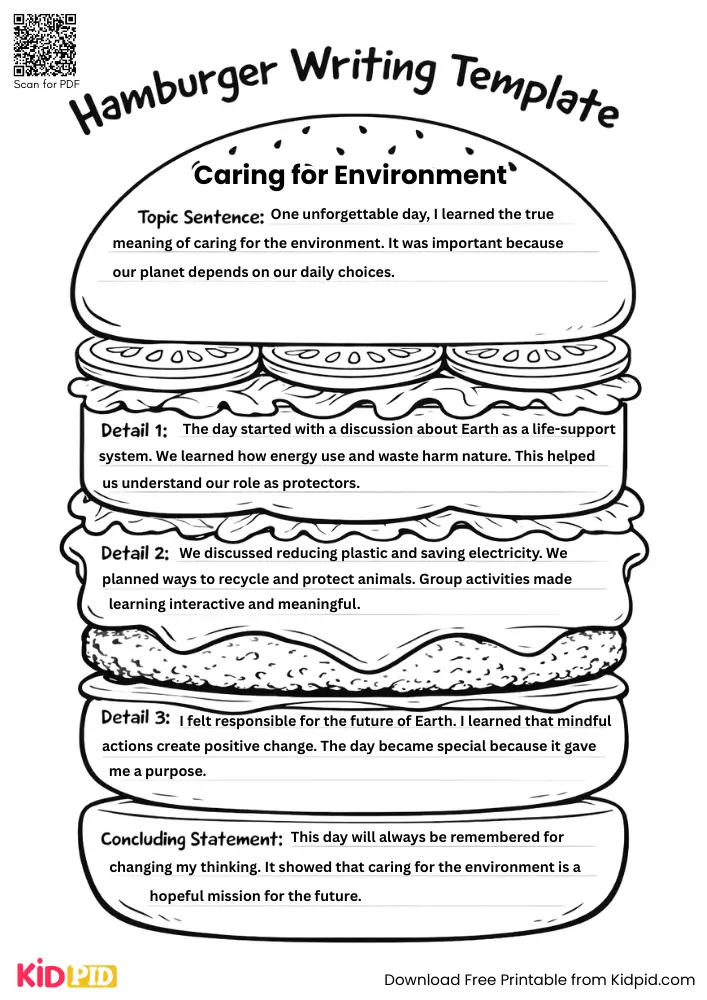
Environmental care promotes clean air, water, and biodiversity. Sustainable habits, waste reduction, and conservation efforts protect ecosystems and support global well-being.
Preserving Natural Beauty

Preserving landscapes, forests, and rivers protects biodiversity and tourism value. Conservation efforts maintain ecological balance and environmental heritage.
Thinking Beyond Limits
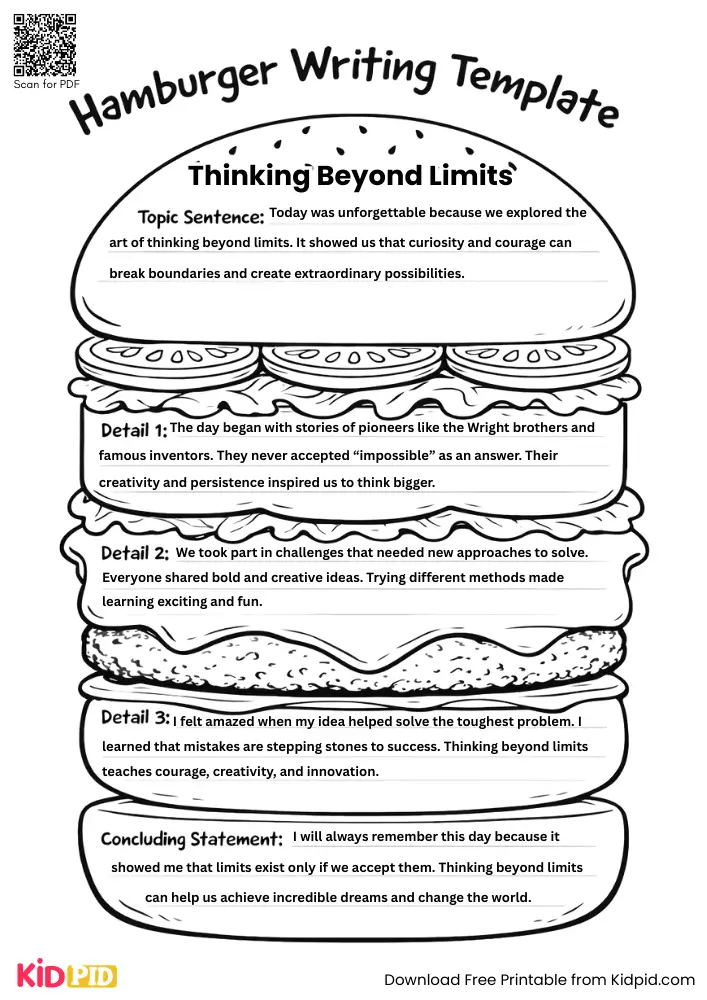
Limitless thinking inspires creativity, innovation, and growth. Challenging boundaries, exploring ideas, and embracing possibilities help individuals achieve success and discover new opportunities.