“Living eco-friendly means making choices that protect the Earth every day. Simple actions like saving water, turning off unused lights, using less plastic, and recycling help keep nature clean and safe. When children practice eco-friendly habits, they protect animals, plants, and the environment while creating a healthy, green world for everyone.”
5 Pointers on ‘Living Eco-Friendly’
- Living eco-friendly means caring for nature every day.
- It helps save water, trees, and electricity.
- Using less plastic keeps the Earth clean.
- Recycling and reusing reduce waste.
- Eco-friendly habits make the world healthy and green
‘Living Eco-Friendly’ Paragraph Writing
Hamburger Paragraph on ‘Living Eco-Friendly’ (Free Template)

Topic Sentence: The day we learned about living eco-friendly was very special. It was important because it showed us how daily habits protect nature.
Details 1: The day began with a discussion about protecting the environment. Our teacher explained how water and electricity should be saved. We also talked about plastic waste.
Details 2: We practiced switching off lights and using cloth bags. We learned about reusing and recycling old items. Planting saplings made the day enjoyable.
Details 3: I felt responsible and excited to help the Earth. I learned that eco-friendly habits protect animals and humans. The lesson made me more careful about my actions.
Concluding Statement: This day will always stay in my memory because it changed my thinking. Living eco-friendly helps create a green and healthy future.
Short Paragraph on ‘Living Eco-Friendly’ – 50 Words for Grades 3 to 4
Living eco-friendly means caring for nature every day. Saving water, turning off lights, and avoiding plastic help the Earth. Recycling and planting trees keep the environment clean. Small eco-friendly habits help protect animals, plants, and humans.
Long Paragraph on ‘Living Eco-Friendly’ – 100 Words for Grade 5

Living eco-friendly means protecting nature through daily habits. Children can save water by turning off taps and save electricity by switching off lights. Using cloth bags instead of plastic helps reduce waste. Reusing and recycling items protects the environment. Planting trees and caring for plants make the Earth green and healthy. These eco-friendly habits help animals, birds, and humans live safely. When children live eco-friendly, they learn responsibility and help create a clean, green, and happy world for the future.
‘Living Eco-Friendly’ Essay Writing
‘Living Eco-Friendly’ – 150 to 200 Words Essay for Grades 6 to 7 Students
Living eco-friendly means making choices that are kind to the Earth in your everyday life. It’s about being a good friend to our planet, which gives us clean air, water, and a beautiful home. You don’t have to do big, hard things—small changes make a huge difference!
Start by noticing what you use and throw away. Can you use a cloth bag instead of a plastic one? Can you fix a toy instead of tossing it? Save energy by turning off lights and unplugging games. Save water by taking shorter showers. When you travel, try walking or biking for short trips—it’s fun and cuts down on pollution. Being eco-friendly also means loving nature. Plant a seed, watch a bird, and leave outdoor spaces cleaner than you found them. When you live this way, you help protect animals, keep the environment healthy, and ensure our planet stays amazing for all the kids of the future. It’s a cool way to live!
‘Living Eco-Friendly’ – 300 Words Essay for Grade 8 Students

Living an eco-friendly life is like being a superhero for Planet Earth. Your mission is to protect its air, water, soil, and creatures by making smart choices every single day. It’s not about being perfect; it’s about being mindful and understanding that your actions have a powerful ripple effect on the world around you.
Think of your daily habits. When you use a reusable lunchbox and water bottle, you prevent dozens of plastic bags and bottles from polluting oceans and harming wildlife. When you turn off a dripping faucet or choose a five-minute shower, you conserve thousands of gallons of clean water each year. At the store, choosing an apple without plastic wrap or a box of crackers with a cardboard box instead of a plastic tray is a vote for less waste. These simple acts add up to massive savings for the Earth’s resources.
Being eco-friendly also connects you to nature in a deeper way. It means choosing to walk to the park, feeling the sun and air, instead of always asking for a ride. It means planting a bee-friendly flower or a tree, which gives you the joy of watching it grow while it cleans the air. It means learning about where your food comes from and maybe even helping to grow some herbs or vegetables at home, which saves the pollution from long-distance transportation.
Living this way teaches you to be resourceful and grateful. You learn that “old” things can have new life and that the best entertainment often comes from the natural world, not a screen. Most importantly, you become part of a global team of people working to solve big problems like pollution and climate change. By living eco-friendly, you send a message: you care about the polar bears, the forests, the clean rivers, and the future. You prove that even a young person can be a mighty force for good, building a healthier, greener world with every conscious choice.
Related Essay & Paragraph Topics
- Importance of Living Eco-Friendly
- Eco-Friendly Habits for Children
- Protecting Nature in Daily Life
- Small Steps to Live Eco-Friendly
- Caring for the Earth
You May like this:
Why Good Behavior Builds Trust

Good behavior such as honesty, respect, and responsibility builds trust among people. Trust strengthens friendships, teamwork, and healthy social relationships.
Learning cooperation in daily Life
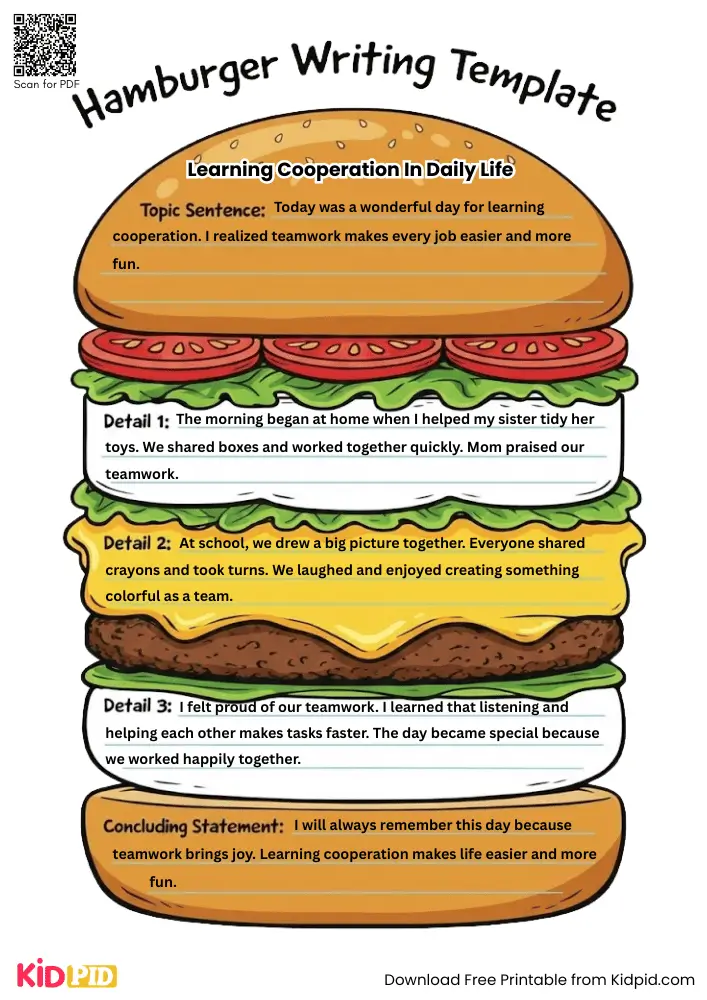
Learning cooperation in daily life teaches teamwork, responsibility, and respect. Working together, sharing tasks, and helping others strengthen relationships and build supportive communities.
Environment-Friendly Lifestyle Choices
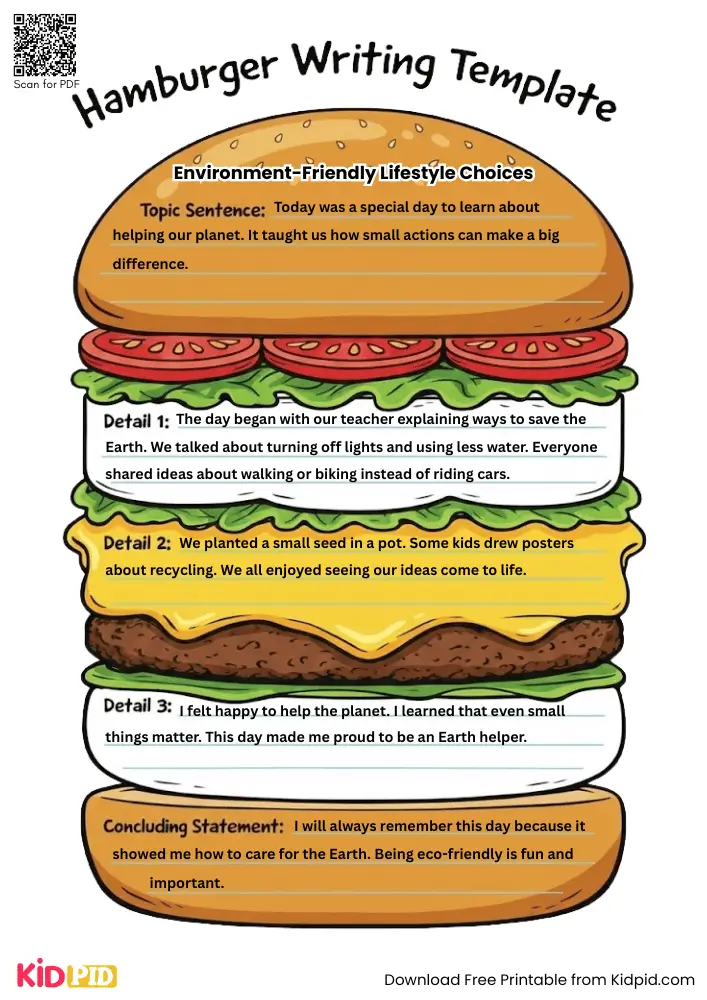
Environment-friendly lifestyle choices include reducing plastic use, conserving energy, recycling waste, and supporting sustainable products to protect nature and promote a healthier planet.
Protecting Nature Through Awareness Habits
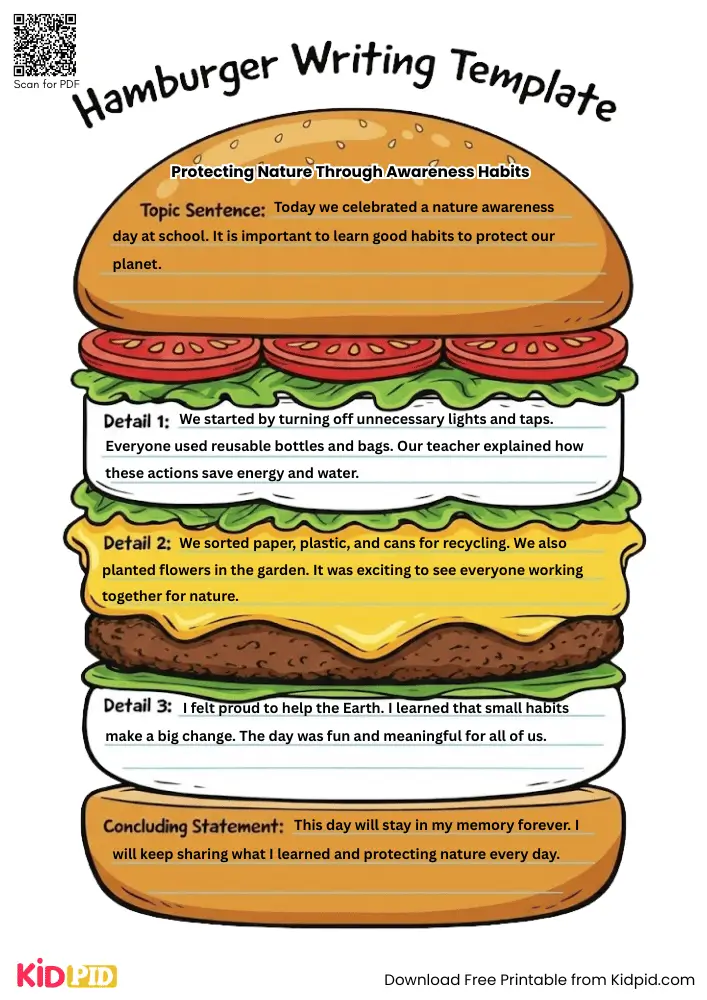
Awareness habits like recycling, saving water, reducing plastic use, and planting trees help protect nature and promote environmental conservation and sustainable living practices.
Learning Environmental Responsibility Early
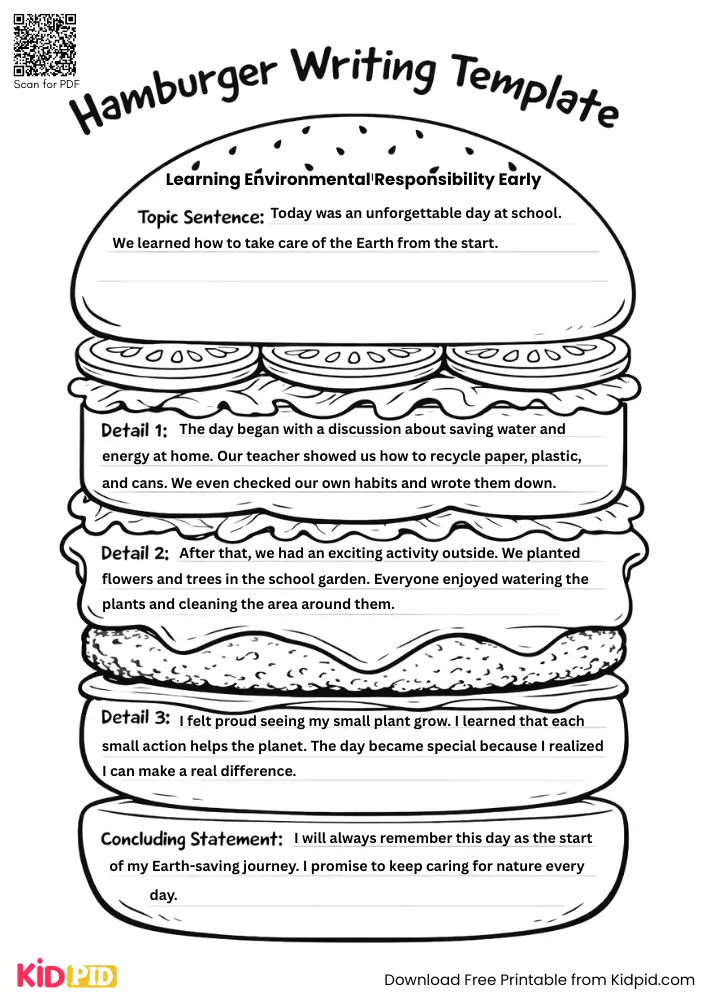
Teaching environmental responsibility early helps children develop eco-friendly habits like saving water, recycling waste, and protecting nature, building awareness about sustainability and environmental conservation.