Learning to find solutions independently helps children become confident and capable. By solving problems on their own, kids develop patience, decision-making, and creative thinking. This skill teaches responsibility and courage. Practicing independence prepares children to handle schoolwork, friendships, and daily challenges successfully, helping them grow into wise and strong individuals.
5 Pointers on ‘Learning to Find Solutions Independently’
- Finding solutions independently builds confidence in children.
- It teaches problem-solving and critical thinking skills.
- Children learn responsibility and decision-making.
- Independent thinking helps them handle challenges calmly.
- Practicing independence prepares children for school, friendships, and life.
‘Learning to Find Solutions Independently’ Paragraph Writing
Hamburger Paragraph on ‘Learning to Find Solutions Independently’ (Free Template)

Topic Sentence: Today was unforgettable because I learned how to find solutions on my own. It made me feel strong, smart, and ready to face challenges without always asking for help.
Detail 1: The morning started with a missing notebook. Instead of panicking, I retraced my steps and thought carefully. I discovered it under my chair, and I felt like a detective!
Detail 2: Later, I worked on a craft project that wasn’t sticking together. I tried different ways to make it work, like using tape and other glue alternatives. When it finally held, I was thrilled!
Detail 3: I felt proud that I solved problems by thinking for myself. I learned patience, creativity, and resourcefulness. This made the day very special and taught me that I can handle challenges independently.
Concluding Statement: I will always remember this day because it showed me that trying first is powerful. Finding solutions independently gives me confidence.
Short Paragraph on ‘Learning to Find Solutions Independently’ – 50 Words for Grade 3
Learning to find solutions independently helps children grow confident and smart. When they solve problems on their own, they develop patience and critical thinking. Independent problem-solving teaches responsibility and careful decision-making. Children who practice this skill become stronger, capable, and ready to face school, friends, and daily challenges wisely.
Long Paragraph on ‘Learning to Find Solutions Independently’ – 100 Words for Grade 4

Learning to find solutions independently is an important skill for children. When kids face challenges like homework, puzzles, or disagreements with friends, solving them on their own helps them think carefully. Independent problem-solving teaches patience, responsibility, and decision-making skills. Children learn to test ideas, plan steps, and understand results. This practice builds confidence and courage. Kids who solve problems independently feel proud and capable. They can handle schoolwork, friendships, and daily tasks without always needing help. Learning to think and act independently prepares children for challenges in life and helps them grow into smart, responsible, and confident individuals.
‘Learning to Find Solutions Independently’ Essay Writing
‘Learning to Find Solutions Independently’ – 150 to 200 Words Essay for Grades 5 to 7 Students
Learning to find solutions independently is like unlocking a superpower that makes you feel capable and strong. It means not always waiting for a parent, teacher, or friend to tell you what to do, but using your own brain and creativity to figure things out. This is an important skill because it builds your confidence and prepares you for times when help isn’t right there.
Start with small, everyday puzzles. If you can’t find your favorite pen, instead of announcing it’s lost, stop and think: “Where did I last use it? Where do I usually put it?” By retracing your steps, you become a detective in your own life. Maybe a craft project isn’t sticking together—what else could you use as glue? Finding your own answers, even if they’re simple, gives you a rush of pride. It teaches you that you are resourceful. Remember, being independent doesn’t mean you never ask for help. It means you try your best first, and that effort makes you smarter and more prepared for the next challenge. Each solution you find on your own is a brick in the foundation of your self-reliance.
‘Learning to Find Solutions Independently’ – 300 Words Essay for Grades 8 to 10 Students

Imagine you’re on a spaceship, and an alarm goes off. Do you immediately call Mission Control for every single instruction, or do you check the control panel first to see if you can fix it yourself? Learning to find solutions independently is about learning to check your own control panel. It is a vital skill that transforms you from a passive follower into an active, confident leader of your own life.
This independence starts with trusting your own mind. When faced with a problem—a confusing homework question, a disagreement during a game, or a broken toy—pause and resist the urge for an instant rescue. Ask yourself the three detective questions: “What is the real problem?” “What are my options?” and “What are the possible results of each option?” This process of inquiry is the engine of independent thought. You might try an option and it won’t work, and that’s a valuable result! It teaches you what doesn’t work, which is just as important as finding what does.
Finding solutions on your own also fuels creativity. Without someone giving you the answer, you are free to explore many answers. You might invent a new way to organize your books or a creative compromise to end an argument. This creative thinking is a muscle that grows stronger with use. Of course, true independence is also wise. It means knowing when a problem is too big or dangerous to handle alone and smartly asking for help. But by trying first, you come to that conversation with ideas, not just emptiness. Every time you solve something by yourself, you send yourself a powerful message: “I am capable.” This builds an inner confidence that no one can ever take away, preparing you to navigate the bigger challenges and adventures that lie ahead.
Related Essay & Paragraph Topics
- Solving Problems on Your Own
- Becoming Independent and Responsible
- Thinking Carefully to Find Solutions
- How Independence Builds Confidence
- Handling Challenges Wisely
You May like this:
Understanding Social Responsibilities

Social responsibility promotes ethical behavior, civic awareness, and community welfare. Respecting rules, helping others, and contributing positively strengthen society, build trust, and encourage responsible citizenship for sustainable development.
Respecting Differences
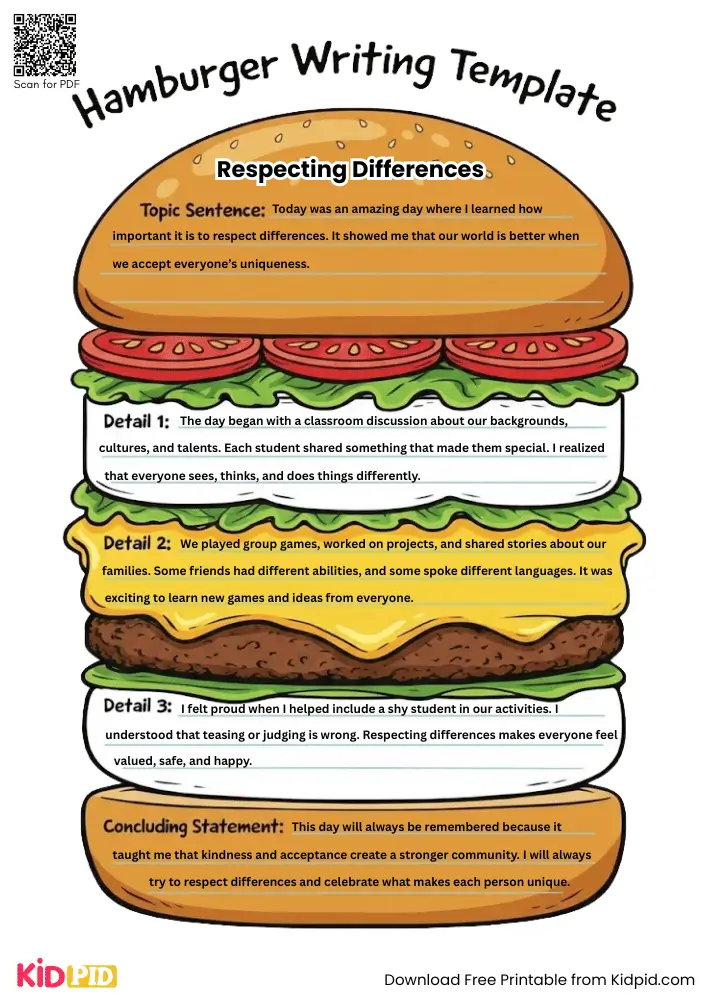
Respecting diversity encourages inclusion, tolerance, and peaceful coexistence. Accepting cultural, social, and personal differences strengthens relationships, promotes equality, reduces conflicts, and builds a harmonious, respectful, and understanding society.
Being Sensitive To Others
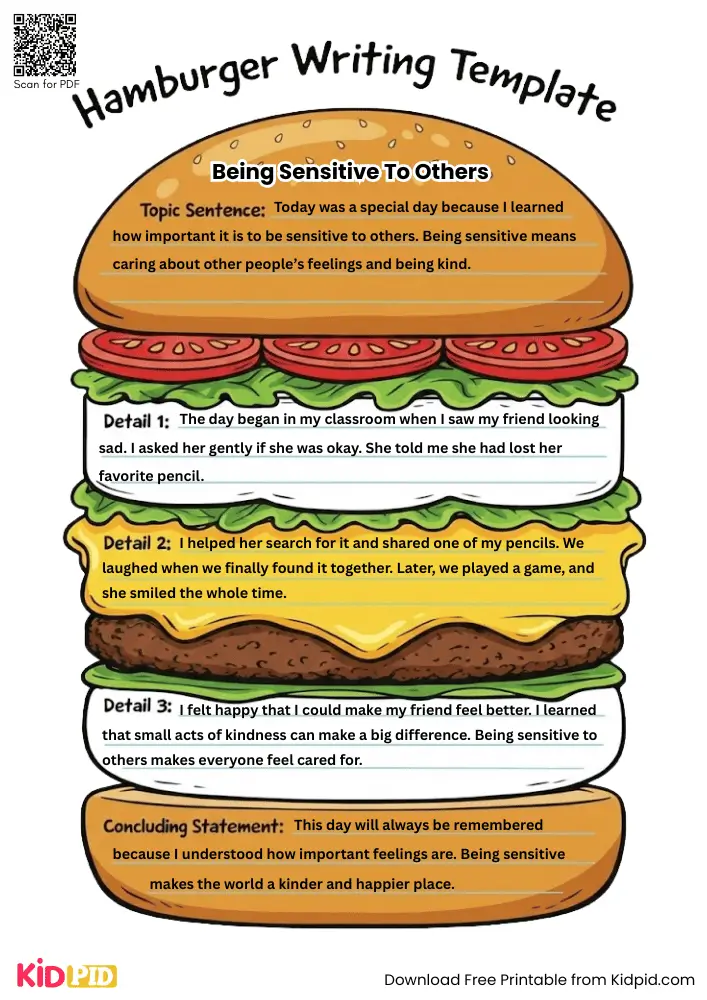
Emotional sensitivity improves empathy, relationships, and communication. Understanding others’ feelings fosters kindness, compassion, and respect, helping create supportive environments that encourage trust, cooperation, and strong social connections.
Standing Against Injustice

Opposing injustice promotes courage, moral responsibility, and social reform. Speaking against unfairness strengthens democratic values, supports human rights, encourages equality, and inspires others to defend truth and fairness.
Respecting Social Values

Respecting social values strengthens cultural identity, moral responsibility, and community stability. Following traditions, ethical norms, and respectful behavior promotes harmony, builds trust, encourages cooperation, and supports a disciplined and respectful society.