Learning to plan life goals helps us understand what we want and how to reach it. When we set clear goals, we feel confident and motivated. Planning teaches us to manage time, make smart choices, and grow step by step toward a happy and successful future.
5 Pointers on “Learning to Plan Life Goals”
- Life goals help us know what we want to become in the future.
- Planning goals teaches us to think ahead and stay focused.
- Small steps make big goals easier to achieve.
- Goals help us use time wisely and avoid confusion.
- Planning builds confidence and motivates us to keep trying.
‘Learning to Plan Life Goals’ Paragraph Writing
Hamburger Paragraph on ‘Learning to Plan Life Goals’ (Free Template)
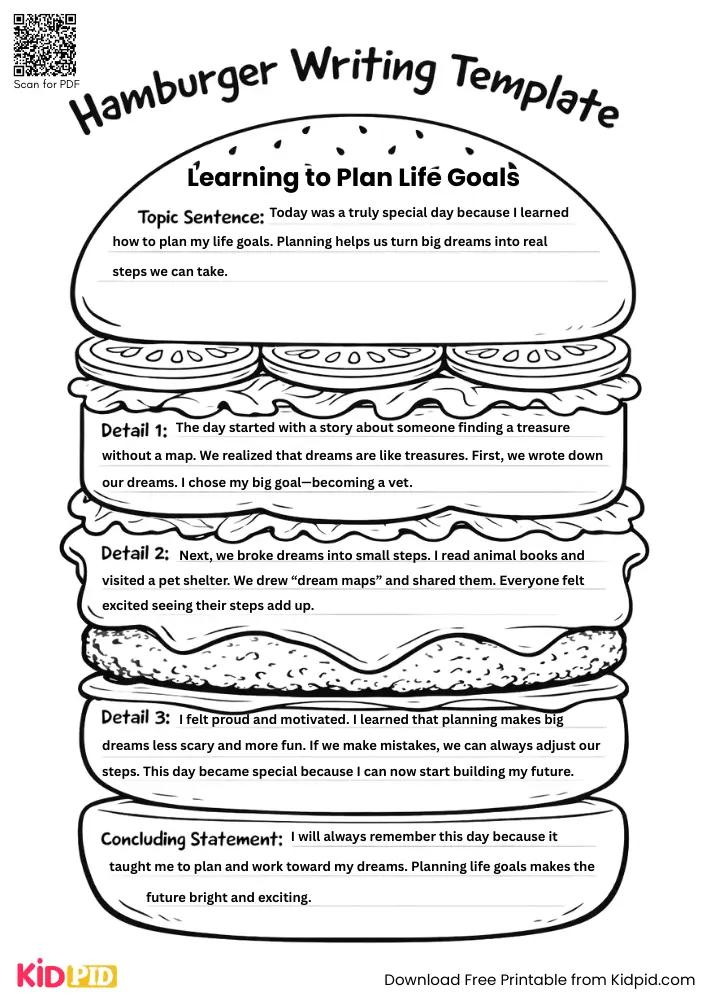
Topic Sentence: Today was a truly special day because I learned how to plan my life goals. Planning helps us turn big dreams into real steps we can take.
Detail 1: The day started with a story about someone finding a treasure without a map. We realized that dreams are like treasures. First, we wrote down our dreams. I chose my big goal—becoming a vet.
Detail 2: Next, we learned how to break that dream into small steps. My first step was reading animal books, and another was visiting a pet shelter. We practiced drawing our own “dream maps” and shared them with friends. Everyone felt excited seeing their small steps add up.
Detail 3: I felt proud and motivated. I learned that planning makes big dreams less scary and more fun. If we make mistakes, we can always adjust our steps. This day became special because I can now start building my future.
Concluding Statement: I will always remember this day because it taught me to plan and work toward my dreams. Planning life goals makes the future bright and exciting.
Short Paragraph on ‘Learning to Plan Life Goals’ – 50 Words for Grade 3
Learning to plan life goals is like drawing a map for a fun adventure. First, dream big. What do you love? Then, take a small, easy step to start. Write it down! Every time you finish a step, you get closer to your big dream. It’s exciting!
Long Paragraph on ‘Learning to Plan Life Goals’ – 100 Words for Grade 4

Learning to plan life goals is like making a treasure map for your future. Start by dreaming. What do you want to be or do? Maybe a scientist, artist, or great soccer player. Next, break that big dream into small steps. Your first step could be reading a book or practicing for ten minutes. Write your plan down and look at it often. Celebrate every little win! If something gets hard, it’s okay to ask for help or change your plan. Remember, planning helps turn your wonderful dreams into real life. You can do it
‘Learning to Plan Life Goals’ Essay Writing
‘Learning to Plan Life Goals’ – 150 to 200 Words Essay for Grade 5 Student
Imagine you’re on a grand adventure, but you don’t have a map. You might get lost! Setting life goals is like drawing your own treasure map. First, you find your treasure—what do you dream of? Maybe it’s becoming a vet, writing a book, or learning to surf. That’s your big “X.” Next, you draw the path. You can’t jump to the “X” in one leap! You take small steps. To be a vet, you might start by reading animal books or helping at a pet shelter. Planning helps you turn fuzzy dreams into clear steps you can actually do. And guess what? If you take a wrong turn, you can just redraw your map! The best part is celebrating each step, like finding little gems along the way. So grab your crayons and start drawing your map—your amazing future is waiting!
‘Learning to Plan Life Goals’ – 300 Words Essay for Grades 6 to 9 Students
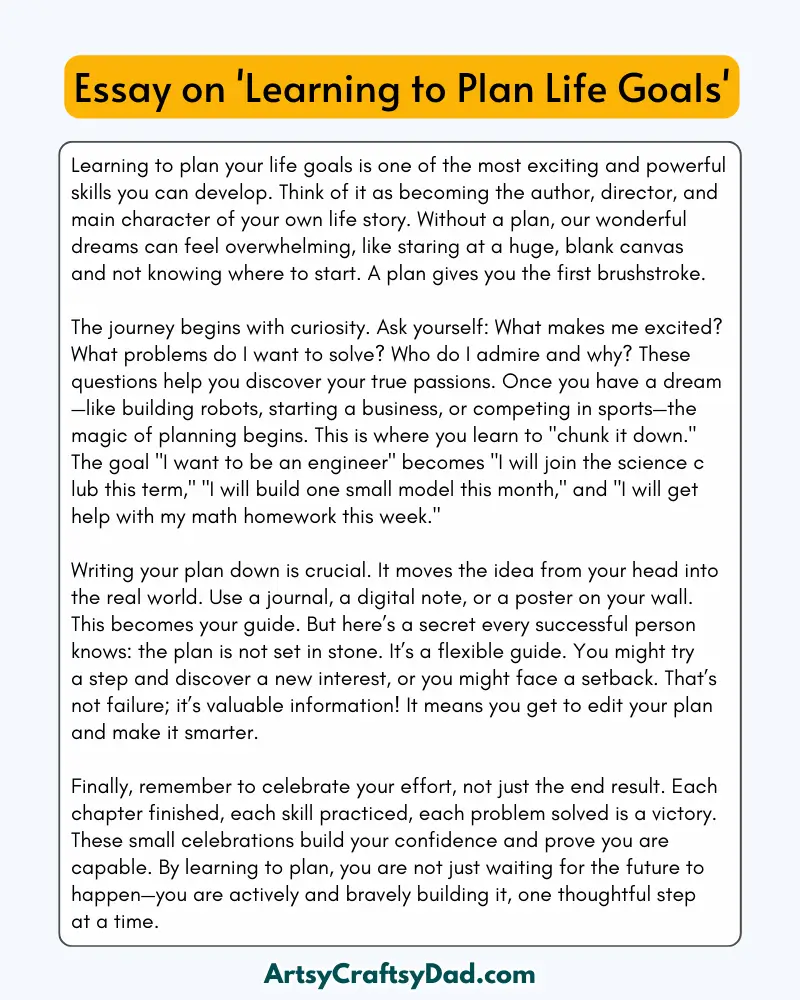
Learning to plan your life goals is one of the most exciting and powerful skills you can develop. Think of it as becoming the author, director, and main character of your own life story. Without a plan, our wonderful dreams can feel overwhelming, like staring at a huge, blank canvas and not knowing where to start. A plan gives you the first brushstroke.
The journey begins with curiosity. Ask yourself: What makes me excited? What problems do I want to solve? Who do I admire and why? These questions help you discover your true passions. Once you have a dream—like building robots, starting a business, or competing in sports—the magic of planning begins. This is where you learn to “chunk it down.” The goal “I want to be an engineer” becomes “I will join the science club this term,” “I will build one small model this month,” and “I will get help with my math homework this week.”
Writing your plan down is crucial. It moves the idea from your head into the real world. Use a journal, a digital note, or a poster on your wall. This becomes your guide. But here’s a secret every successful person knows: the plan is not set in stone. It’s a flexible guide. You might try a step and discover a new interest, or you might face a setback. That’s not failure; it’s valuable information! It means you get to edit your plan and make it smarter.
Finally, remember to celebrate your effort, not just the end result. Each chapter finished, each skill practiced, each problem solved is a victory. These small celebrations build your confidence and prove you are capable. By learning to plan, you are not just waiting for the future to happen—you are actively and bravely building it, one thoughtful step at a time.
Related Essay & Paragraph Topics
- Why Planning Life Goals Is Important for Success
- How Setting Goals Helps Us Stay Focused
- Learning to Plan Step by Step for a Better Future
- The Role of Goal Planning in Personal Growth
- How Planning Life Goals Builds Confidence and Direction
You May like this:
My Favorite Festival Memory
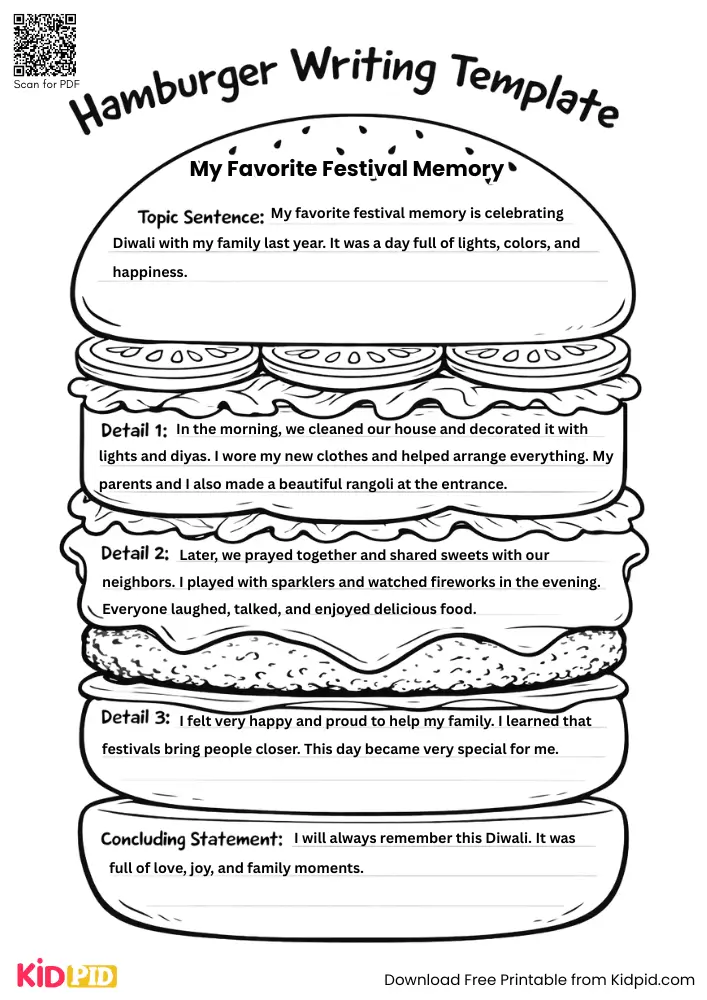
Festival memories bring joy, culture, and togetherness. Celebrations strengthen traditions, relationships, and happiness through shared experiences.
A Challenge I Want To Overcome

Facing challenges builds courage, growth, and determination. Overcoming obstacles strengthens confidence and resilience.
My First Achievement
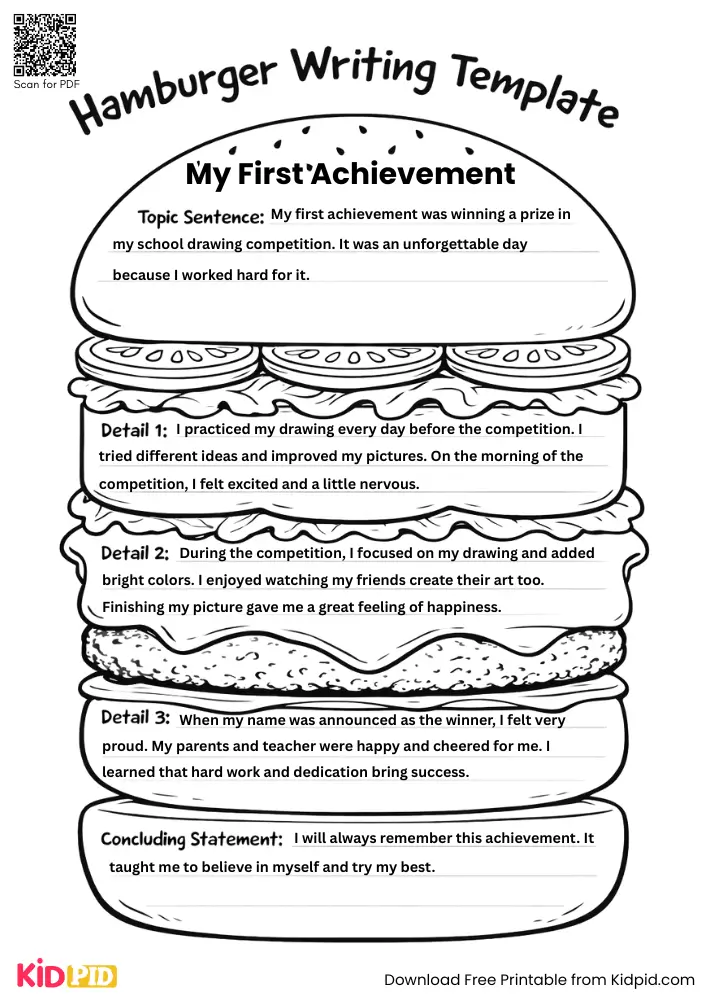
First achievements build confidence, motivation, and belief in effort. Early success encourages continued learning and persistence.
My Role Model In Real Life

Role models inspire values, discipline, and ambition. Observing their qualities motivates personal growth and ethical living.
Learning Beyond Textbooks
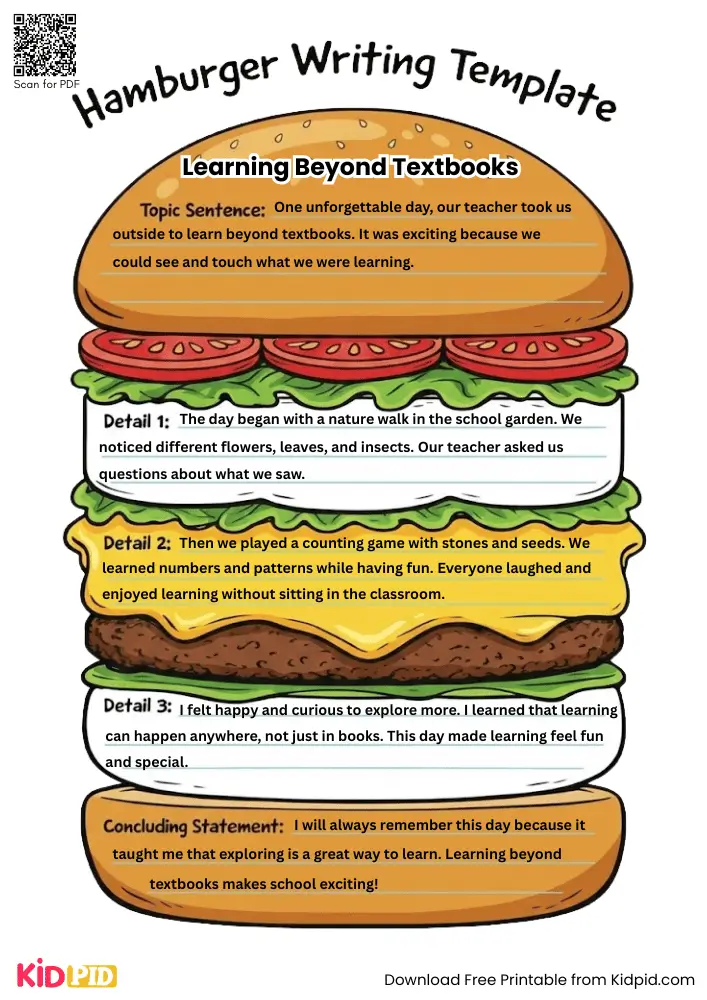
Learning outside textbooks builds creativity, practical knowledge, and real-life skills. Experiences, activities, and observation enrich education.