“Life with direction means knowing where you want to go and taking steps to get there. It helps you make smart choices, stay confident, and work hard. With clear goals, every day becomes a chance to learn, grow, and enjoy your journey. Direction turns dreams into reality.”
5 Pointers on “Life with Direction”
- Life with direction means having clear goals and knowing what we want to achieve.
- Direction helps us make better choices in school and daily life.
- Having a plan gives confidence and motivation to work hard.
- Direction teaches discipline, patience, and responsibility.
- A life with direction leads to happiness and success.
‘Life with Direction’ Paragraph Writing
Hamburger Paragraph on ‘Life with Direction’ (Free Template)
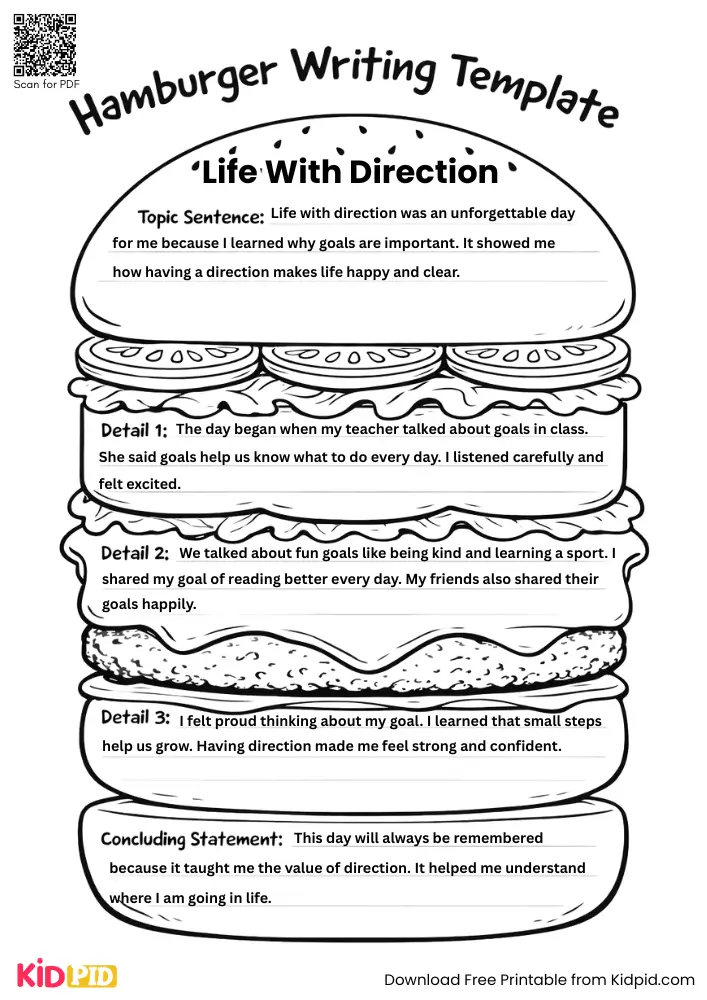
Topic Sentence: Life with direction was an unforgettable day for me because I learned why goals are important. It showed me how having a direction makes life happy and clear.
Details 1: The day began when my teacher talked about goals in class. She said goals help us know what to do every day. I listened carefully and felt excited.
Details 2: We talked about fun goals like being kind and learning a sport. I shared my goal of reading better every day. My friends also shared their goals happily.
Details 3: I felt proud thinking about my goal. I learned that small steps help us grow. Having direction made me feel strong and confident.
Concluding Statement: This day will always be remembered because it taught me the value of direction. It helped me understand where I am going in life.
Short Paragraph on ‘Life with Direction’ – 50 Words for Grades 2 & 3
Life with direction is like having a map for a fun adventure. You pick a goal, like being kind or learning a sport. Every day, you take small steps toward it. This makes you feel strong and happy. You know where you are going!
Long Paragraph on ‘Life with Direction’ – 100 Words for Grade 4
Life with direction means having a purpose, like a captain steering a ship. You choose what matters to you. It could be helping others, getting better at reading, or being a good friend. You make a plan with small, easy steps. Every time you finish a step, you feel proud. This keeps you moving forward, even when things get tricky. You don’t feel lost because you know your goal. Life becomes an exciting journey where you learn and grow. Having direction fills your days with happiness and confidence.
‘Life with Direction’ Essay Writing
‘Life with Direction’ – 150 to 200 Words Essay for Grades 5 to 7 Students
Imagine you’re on a fantastic adventure in a big, beautiful forest. If you just run around anywhere, you might have fun for a while, but you could also get lost or miss the most amazing secret waterfall! Life is like that forest. Living with direction means having a treasure map for your adventure. It doesn’t mean you must walk in a straight, boring line the whole time. It means you have a special place in your heart you want to go, like becoming a great artist, a caring veterinarian, or a brilliant builder.
Your direction is guided by your own compass, which is made of your kindness, curiosity, and dreams. You take small steps, like drawing every day, reading animal books, or building with blocks. Sometimes you’ll find a muddy puddle in your path—that’s a challenge! Sometimes you’ll see a pretty butterfly and follow it for a bit—that’s exploring! Both are okay. With a direction in mind, every step, even the sidetracks, becomes part of your wonderful, unique journey. You feel brave and excited because you know you’re heading toward your own fantastic treasure.
‘Life with Direction’ – 300 Words Essay for Grades 8 to 10 Students
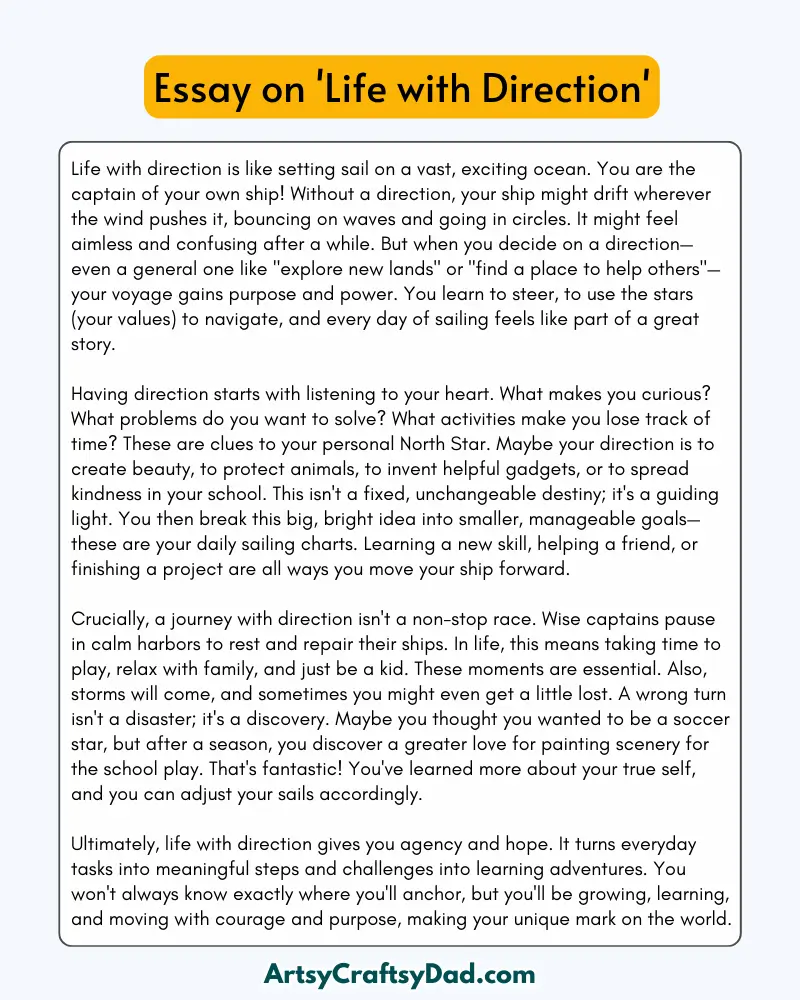
Life with direction is like setting sail on a vast, exciting ocean. You are the captain of your own ship! Without a direction, your ship might drift wherever the wind pushes it, bouncing on waves and going in circles. It might feel aimless and confusing after a while. But when you decide on a direction—even a general one like “explore new lands” or “find a place to help others”—your voyage gains purpose and power. You learn to steer, to use the stars (your values) to navigate, and every day of sailing feels like part of a great story.
Having direction starts with listening to your heart. What makes you curious? What problems do you want to solve? What activities make you lose track of time? These are clues to your personal North Star. Maybe your direction is to create beauty, to protect animals, to invent helpful gadgets, or to spread kindness in your school. This isn’t a fixed, unchangeable destiny; it’s a guiding light. You then break this big, bright idea into smaller, manageable goals—these are your daily sailing charts. Learning a new skill, helping a friend, or finishing a project are all ways you move your ship forward.
Crucially, a journey with direction isn’t a non-stop race. Wise captains pause in calm harbors to rest and repair their ships. In life, this means taking time to play, relax with family, and just be a kid. These moments are essential. Also, storms will come, and sometimes you might even get a little lost. A wrong turn isn’t a disaster; it’s a discovery. Maybe you thought you wanted to be a soccer star, but after a season, you discover a greater love for painting scenery for the school play. That’s fantastic! You’ve learned more about your true self, and you can adjust your sails accordingly.
Ultimately, life with direction gives you agency and hope. It turns everyday tasks into meaningful steps and challenges into learning adventures. You won’t always know exactly where you’ll anchor, but you’ll be growing, learning, and moving with courage and purpose, making your unique mark on the world.
Related Essay & Paragraph Topics
- The Importance of Having Direction in Life
- How Goals Give Meaning to Our Life
- Living with Purpose and Positive Choices
- Planning Today for a Better Tomorrow
- Life with Direction Leads to Success and Happiness
You May like this:
Following Rules In Society

Following societal rules promotes order, discipline, harmony, legal compliance, safety, fairness, and community well-being.
Respecting National Symbols

Respecting national symbols reflects patriotism, civic responsibility, cultural pride, unity, national identity, and respect for heritage.
Building Emotional Strength
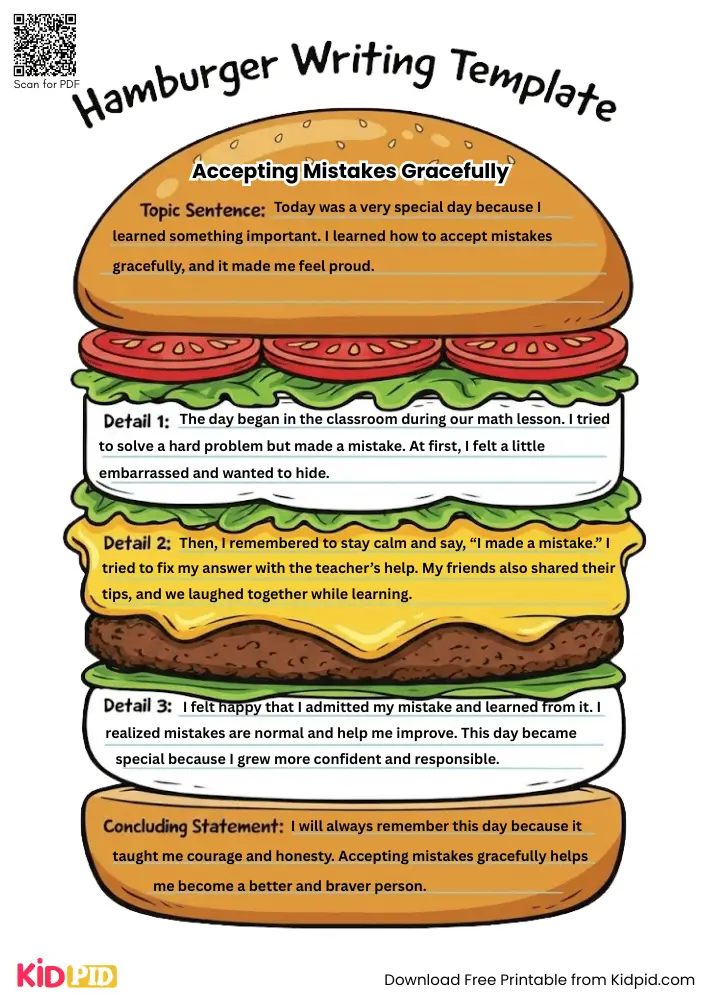
Building emotional strength supports mental health, resilience, confidence, stress management, and personal development.
Learning Self-Control
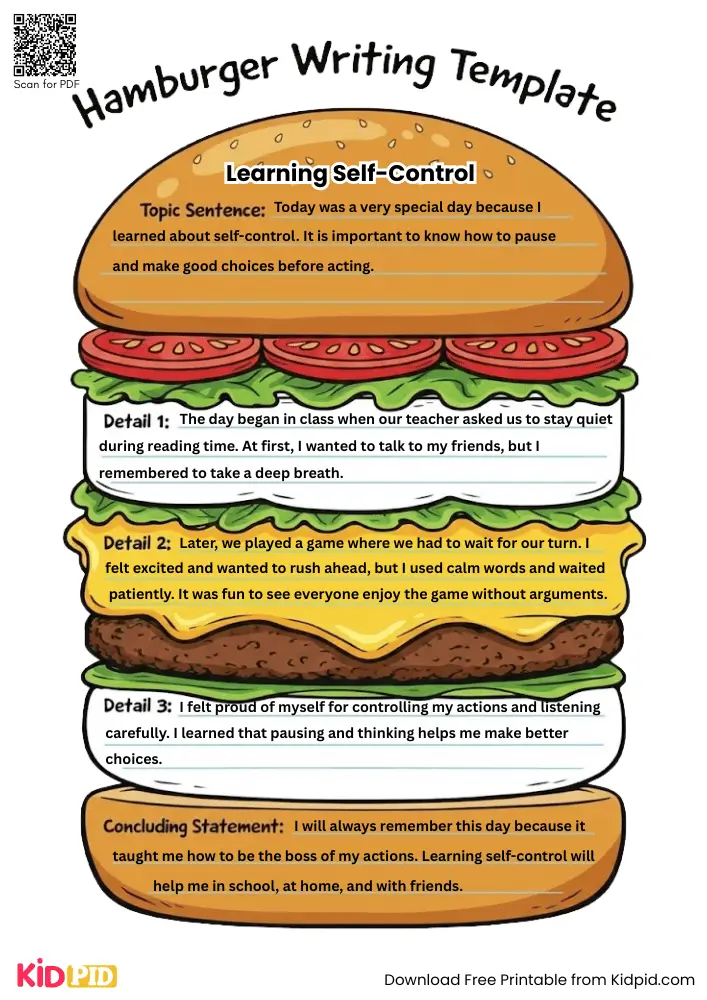
Learning self-control builds discipline, emotional regulation, responsible behavior, patience, and long-term success.
Understanding Others’ Feelings

Understanding others’ feelings enhances empathy, communication skills, trust, compassion, and social harmony.