“Building emotional strength helps us stay steady during life’s ups and downs. It teaches us how to understand our feelings, stay calm, and face problems with confidence. By sharing emotions, thinking positively, and learning from challenges, we grow braver, happier, and better prepared for whatever comes our way.”
5 Pointers on ‘Building Emotional Strength’
- Emotional strength helps us handle feelings like sadness, anger, and fear.
- Talking about our feelings helps us feel lighter and calmer.
- Staying positive helps us face challenges with courage.
- Learning from problems makes us emotionally stronger.
- Emotional strength helps us stay confident and happy.

‘Building Emotional Strength’ Essay Writing
‘Building Emotional Strength’ – 150 to 200 Words Essay for Grades 6 & 7 Students
Emotional strength is like having strong muscles in your heart and mind. It doesn’t mean you never feel sad, scared, or upset. It means you know how to handle those tough feelings and bounce back.
You build this strength by first understanding your feelings. Give them names. Then, talk about them with someone you trust. Sharing a worry is like letting air out of a too-full balloon—it relieves the pressure.
Next, learn to comfort yourself. What helps you feel calm? Maybe it’s drawing, listening to music, or hugging a pet. Doing these things when you’re upset is a sign of strength. Also, try to see challenges as something you can get through, even if it’s hard. Remember times you’ve overcome something difficult before.
Finally, helping others is a powerful way to build your own emotional muscle. It reminds you that you have something good to offer, no matter how you feel.
‘Building Emotional Strength’ – 300 Words Essay for Grades 8 & 9 Students

Imagine you are a tree. Emotional strength is like having deep, strong roots and a flexible trunk. When strong winds of sadness, worry, or disappointment blow, your roots hold you steady, and your trunk bends instead of breaking. Building this inner strength is a superpower everyone can develop.
The journey starts with self-awareness. This means becoming a friend to your own feelings. Learn to notice them and name them precisely. Are you just “mad,” or are you actually jealous or embarrassed? Naming your feelings correctly helps you understand them.
Next, practice healthy expression. Strong emotions need a safe way out. Talk to a parent, teacher, or friend about what’s bothering you. You can also express feelings through art, writing in a journal, or physical activity. Letting feelings out prevents them from building up and making you feel worse.
A key part of emotional strength is resilience, or the ability to bounce back. When you face a setback, don’t give up. Instead, break the problem into tiny steps. Ask, “What is one very small thing I can do right now to move forward?” Each small step is a victory that builds your confidence.
Also crucial is self-compassion. Treat yourself with the same kindness you’d show a best friend. If you make a mistake, don’t yell at yourself inside your head. Say, “I’m learning. It’s okay.” This gentle voice is the sound of true strength.
Finally, look outward and help others. When you do something kind, you shift your focus from your own troubles to making someone else’s day better. This builds a sense of purpose and connection, which are the deepest roots of all. Emotional strength isn’t about being tough all the time; it’s about knowing how to care for your heart, learn from challenges, and keep growing, no matter what.
Related Essay & Paragraph Topic
- Learning to Handle Feelings in a Healthy Way
- How Emotional Strength Helps Us Grow
- Being Strong Inside: Understanding Emotions
- Ways to Become Emotionally Strong
- Managing Feelings with Confidence
You May like this:
The Role Of Young People In Society
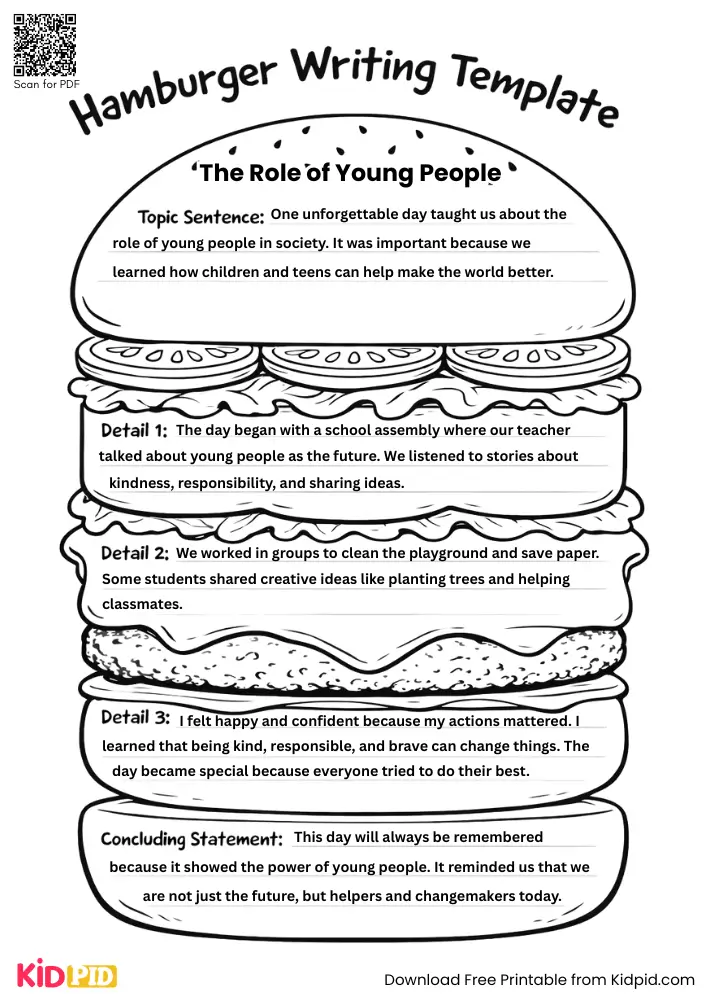
Young people drive innovation, social change, community development, leadership growth, creativity, and future progress.
How To Protect Local Wildlife
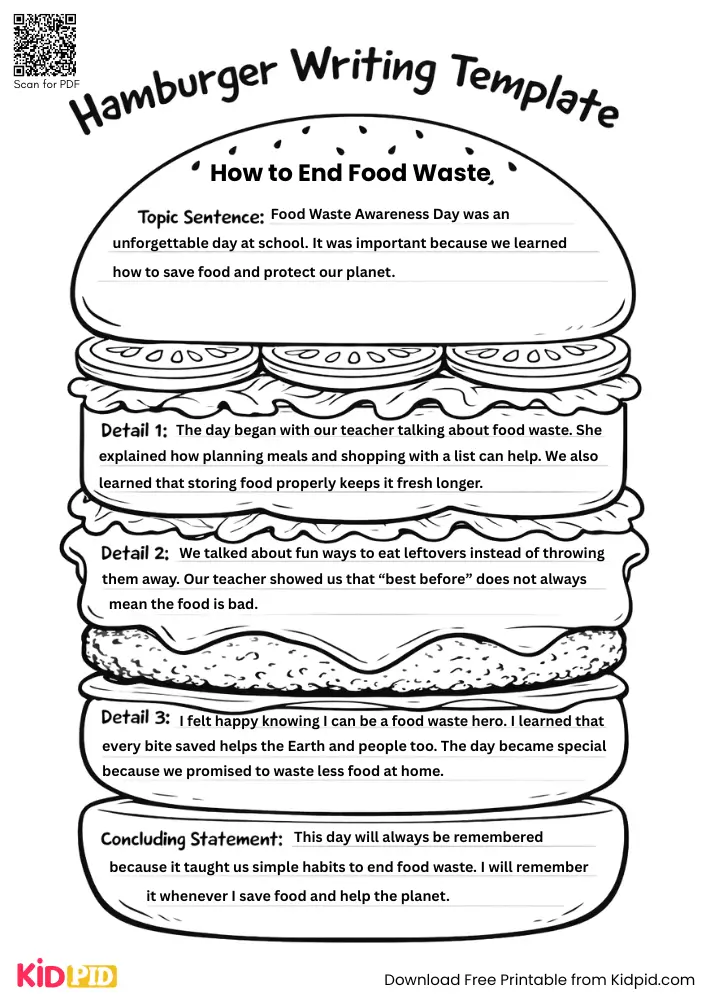
Protecting local wildlife involves habitat conservation, reducing pollution, supporting environmental laws, planting trees, and community awareness.
The Future Of Transportation
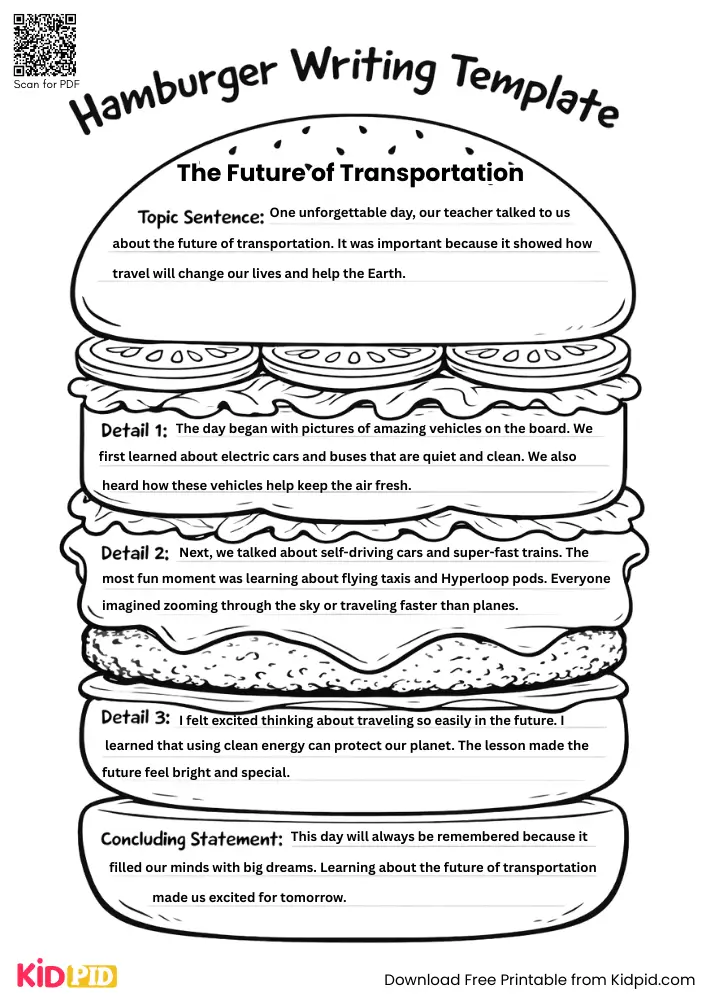
Future transportation includes electric vehicles, smart mobility, renewable energy, autonomous cars, sustainable infrastructure, and eco-friendly travel solutions.
A Day Without Using Plastic

A day without plastic promotes eco-friendly living, sustainable habits, reusable products, waste reduction, environmental awareness, and responsible consumption.
Importance Of Following Traffic Rules
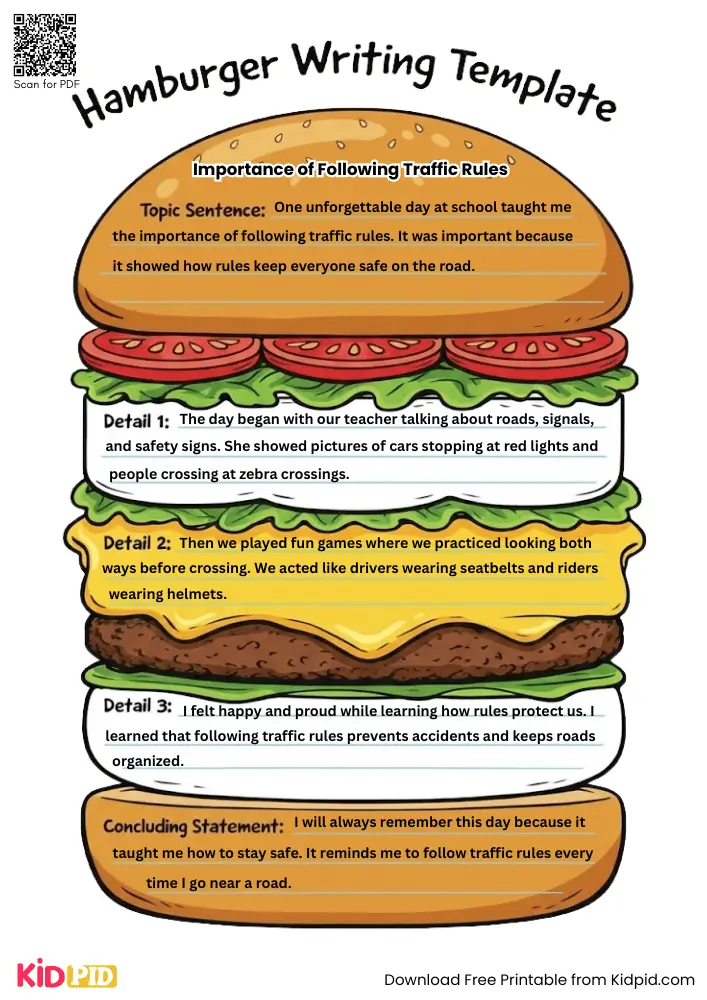
Following traffic rules ensures road safety, accident prevention, responsible driving, pedestrian protection, legal compliance, and community well-being.