Using the internet is fun, but it comes with responsibility. Responsible online communication means speaking kindly, thinking before sharing, and respecting others’ feelings. Learning to communicate safely helps prevent misunderstandings, cyberbullying, and conflicts. By practicing good online habits, we can make the internet a friendly and positive place for everyone.
5 Pointers on “Responsible Online Communication”
- Always think before you post or send messages.
- Be polite and respectful to everyone online.
- Avoid sharing personal information like address, phone number, or school.
- Report or ignore cyberbullying and inappropriate content.
- Use online platforms positively for learning and helping others.
‘Responsible Online Communication’ Paragraph Writing
Hamburger Paragraph on ‘Responsible Online Communication’ (Free Template)
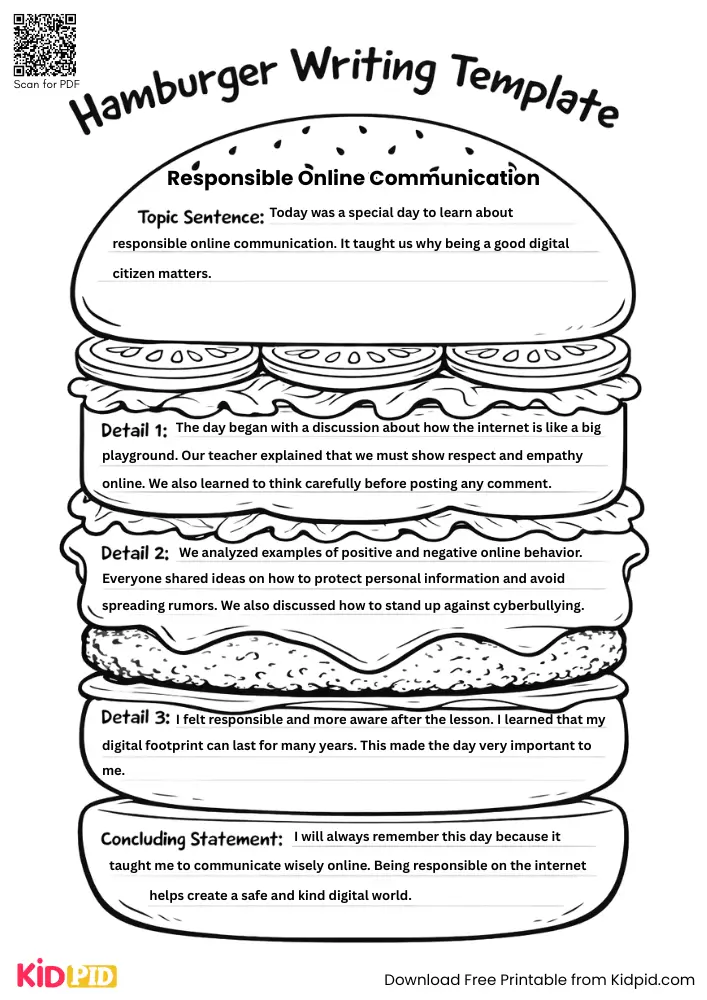
Topic Sentence: Today was a special day to learn about responsible online communication. It taught us why being a good digital citizen matters.
Detail 1: The day began with a discussion about how the internet is like a big playground. Our teacher explained that we must show respect and empathy online. We also learned to think carefully before posting any comment.
Detail 2: We analyzed examples of positive and negative online behavior. Everyone shared ideas on how to protect personal information and avoid spreading rumors. We also discussed how to stand up against cyberbullying.
Detail 3: I felt responsible and more aware after the lesson. I learned that my digital footprint can last for many years. This made the day very important to me.
Concluding Statement: I will always remember this day because it taught me to communicate wisely online. Being responsible on the internet helps create a safe and kind digital world.
Short Paragraph on ‘Responsible Online Communication’ – 50 Words for Grade 3
Talk online like you would in person. Be kind and respectful. Think before you post. Remember, your words can hurt feelings, even through a screen. Share positive messages. Protect your private information. If you see something mean, tell a trusted adult. Let’s make the internet a friendly place!
Long Paragraph on ‘Responsible Online Communication’ – 100 Words for Grade 4

Responsible online communication means being a good friend on the internet. Always use kind words and respect others, even if you disagree. Before you send a message, ask: “Is it true? Is it helpful? Is it kind?” Never share personal details like your address or school. Be careful with photos. If you see bullying or something that makes you uncomfortable, don’t share it. Tell a parent or teacher right away. Remember, what you post online stays there and can affect people. Let’s use our power to spread positivity and make the web safe for everyone!
‘Responsible Online Communication’ Essay Writing
‘Responsible Online Communication’ – 150 to 200 Words Essay for Grades 5 to 7 Students
Being responsible online is just like being responsible on the playground! The internet is a big space where we can learn, play games, and talk to friends. But we must remember to use our manners there, too. This means we should always be kind and think about how our words might make someone else feel. Before we post a message or a comment, we should ask: “Would I say this to their face?” If the answer is no, then we shouldn’t send it.
Being a good digital citizen also means keeping ourselves safe. We never share private information like our full name, address, or school with people we don’t know in real life. If we see someone being mean or if something online makes us feel uncomfortable, the most important thing is to tell a trusted adult right away. The internet is an amazing tool when we use it carefully, kindly, and wisely!
‘Responsible Online Communication’ – 300 Words Essay for Grades 8 to 10 Students
Imagine the internet as a giant, global town square. Every day, millions of people share ideas, stories, and conversations there. Just like in our real neighborhoods, we all must practice responsible communication to make this digital space safe and pleasant for everyone. This is what it means to be a good “digital citizen.”
First and foremost, responsible communication is built on respect and empathy. Words on a screen carry real weight. A thoughtless comment or a forwarded rumor can hurt someone’s feelings deeply, just like in person. Before posting, we must pause and consider the impact. We should use our keyboards to lift people up, not tear them down. This also means standing against cyberbullying by not participating in it, supporting those who are targeted, and reporting cruel behavior.
Secondly, being responsible means being smart and safe. The internet connects us to wonderful information, but also to strangers and misinformation. We must guard our personal information fiercely—details like our location, school schedule, and family information are private. Similarly, we must be detectives of the truth. Not everything we read online is accurate. Learning to check facts on reliable websites before believing or sharing a sensational story is a crucial skill.
Finally, responsible communication involves taking ownership. If we make a mistake online, like posting something in anger, we should apologize. Our digital footprint, or the trail of information we leave online, lasts a long time. We want that trail to show the best version of ourselves.
By combining kindness, critical thinking, and caution, we can all help shape the internet into a powerful force for good. It starts with remembering that behind every screen, profile, and username is a real person with real feelings, just like you.
Related Essay & Paragraph Topics
- The Importance of Responsible Online Communication
- How to Communicate Safely and Respectfully Online
- Cyber Etiquette: Being Polite on the Internet
- Avoiding Online Misunderstandings Through Responsible Messaging
- The Role of Responsibility in Social Media Communication
You May like this:
Environmental Duty
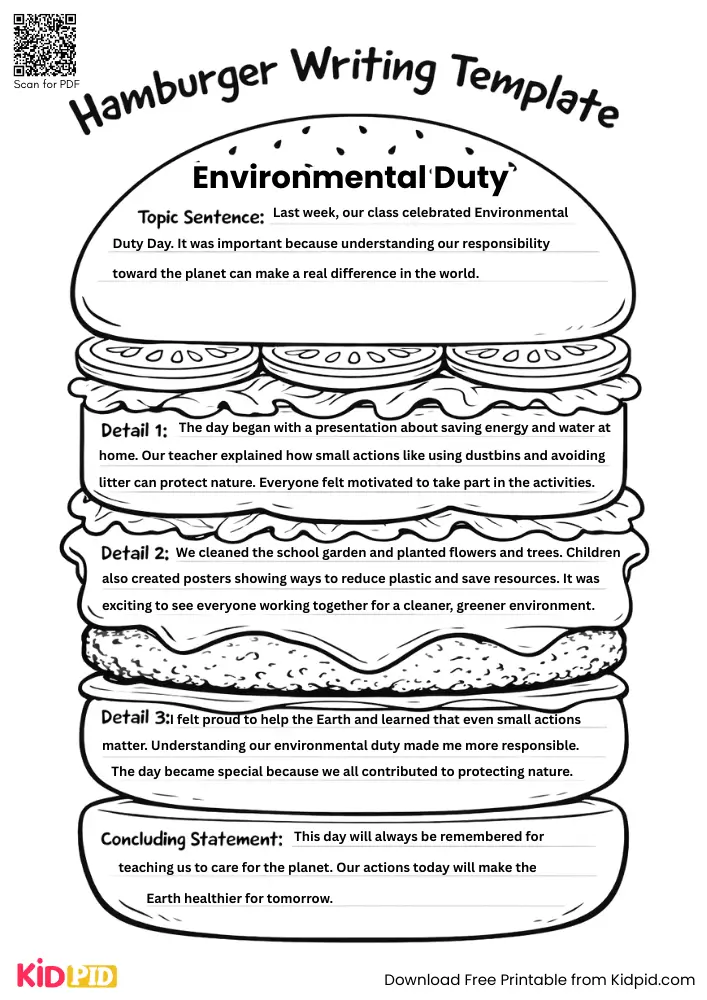
Environmental duty encourages responsible actions toward nature. Conservation, recycling, and awareness protect ecosystems and ensure sustainability for future generations.
Avoiding Wastefulness
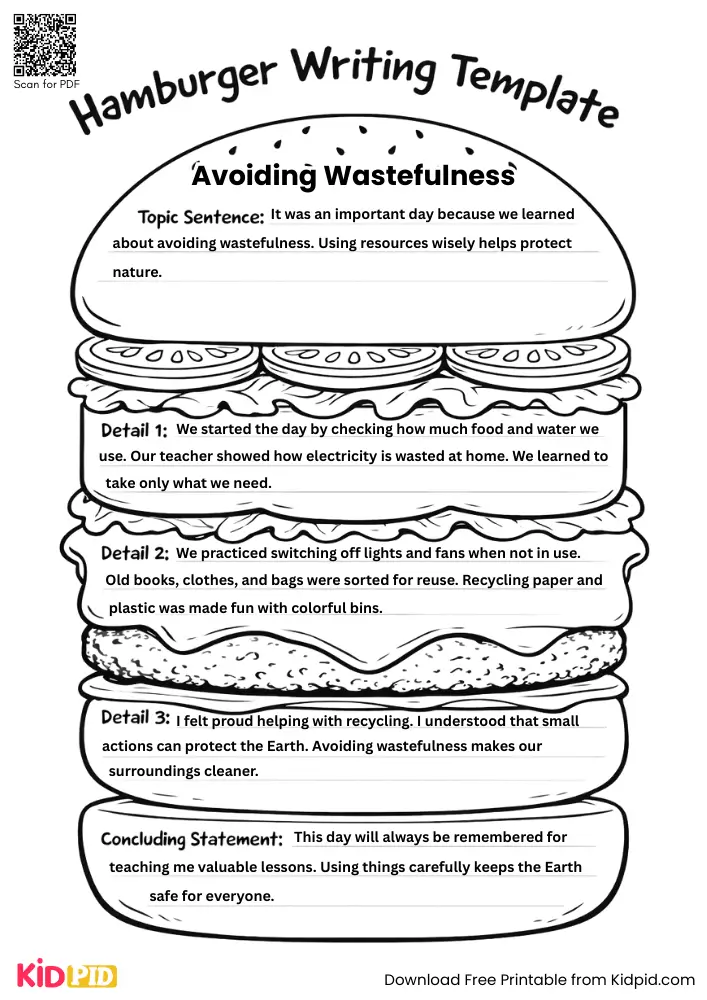
Avoiding waste saves resources, money, and energy. Responsible consumption encourages sustainability, efficiency, and mindful living while protecting the environment.
Respecting Nature
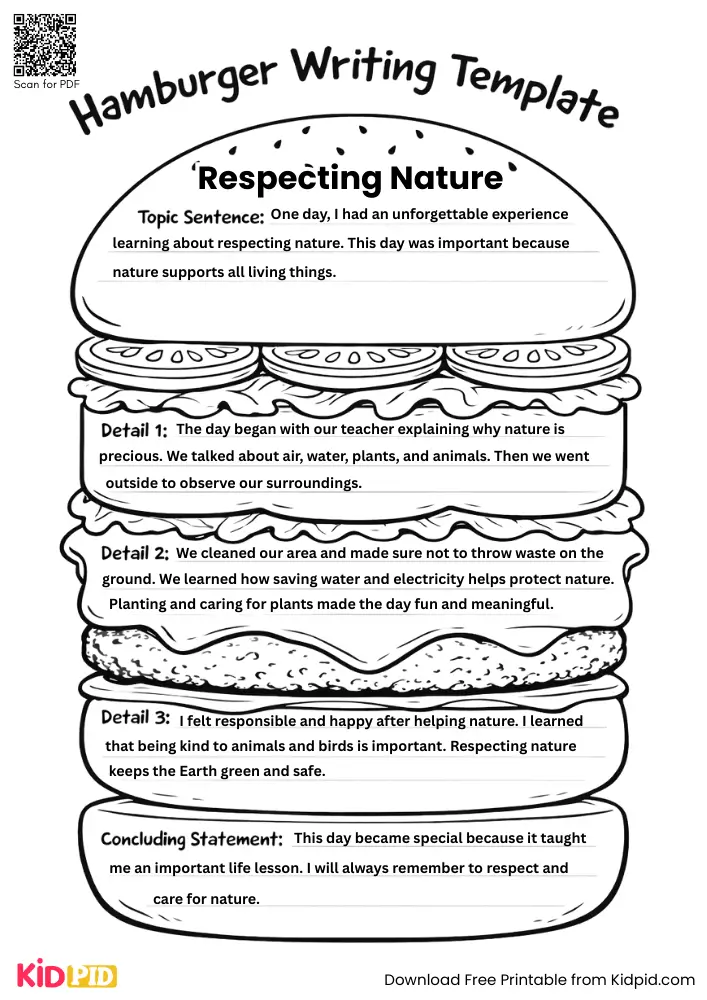
Respect for nature encourages conservation, sustainability, and harmony. Protecting ecosystems, wildlife, and resources ensures environmental balance and a healthy future.
Saving Household Resources

Saving water, electricity, and materials promotes sustainability and cost efficiency. Responsible usage reduces waste, protects natural resources, and supports environmentally friendly living.
Keeping Nature Clean
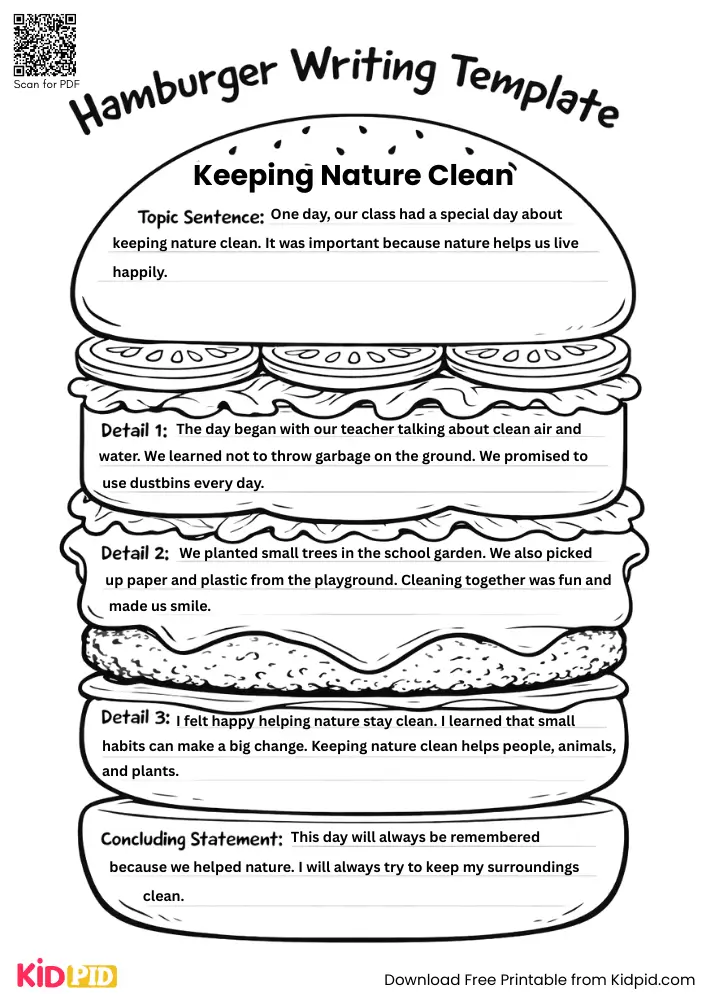
Clean environments protect health, biodiversity, and beauty. Avoiding litter, managing waste, and promoting cleanliness preserve ecosystems while encouraging environmental responsibility and sustainable living habits.