“Respecting nature means caring for the Earth and all living things around us. By protecting trees, animals, and clean water, children can help keep the planet healthy. Simple habits like saving resources, avoiding litter, and planting plants show respect for nature and create a safe, green, and happy world.”
5 Pointers on ‘Respecting Nature’
- Respecting nature means caring for the Earth and all living things.
- Nature gives us air, water, food, and shelter.
- We should not harm plants, animals, or trees.
- Keeping our surroundings clean shows respect for nature.
- Small good habits help protect nature every day.
‘Respecting Nature’ Paragraph Writing
Hamburger Paragraph on ‘Respecting Nature’ (Free Template)
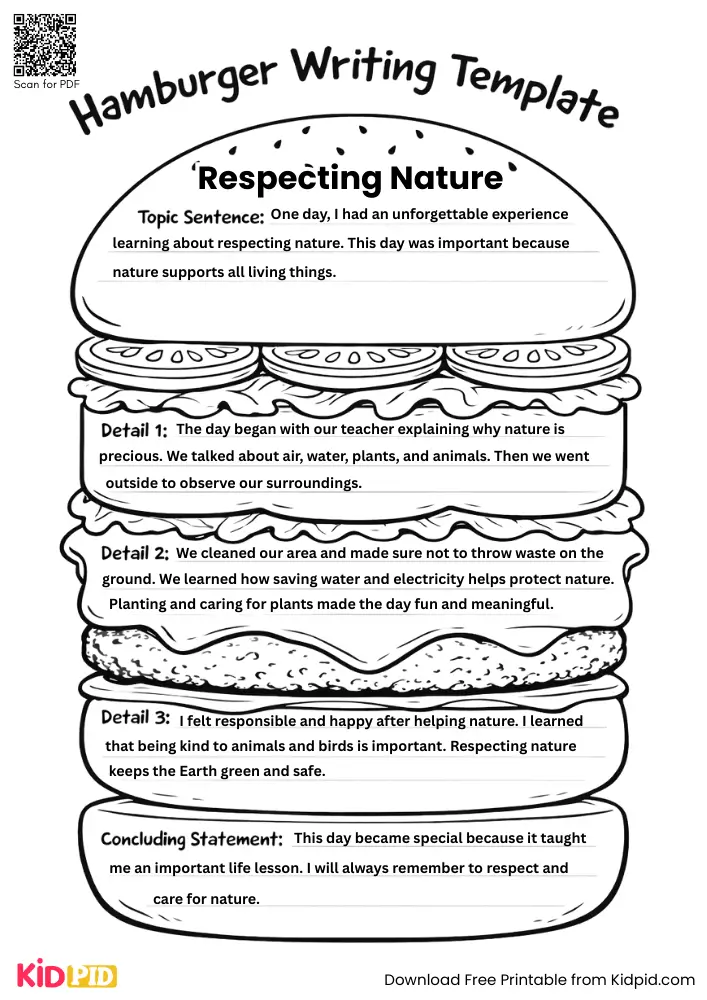
Topic Sentence: One day, I had an unforgettable experience learning about respecting nature. This day was important because nature supports all living things.
Details 1: The day began with our teacher explaining why nature is precious. We talked about air, water, plants, and animals. Then we went outside to observe our surroundings.
Details 2: We cleaned our area and made sure not to throw waste on the ground. We learned how saving water and electricity helps protect nature. Planting and caring for plants made the day fun and meaningful.
Details 3: I felt responsible and happy after helping nature. I learned that being kind to animals and birds is important. Respecting nature keeps the Earth green and safe.
Concluding Statement: This day became special because it taught me an important life lesson. I will always remember to respect and care for nature.
Short Paragraph on ‘Respecting Nature’ – 50 Words for Grade 3
Respecting nature means caring for the Earth. Nature gives us air, water, and food. We should not harm plants or animals. Keeping our surroundings clean and saving resources helps protect nature and makes the world healthy and beautiful.
Long Paragraph on ‘Respecting Nature’ – 100 Words for Grade 4
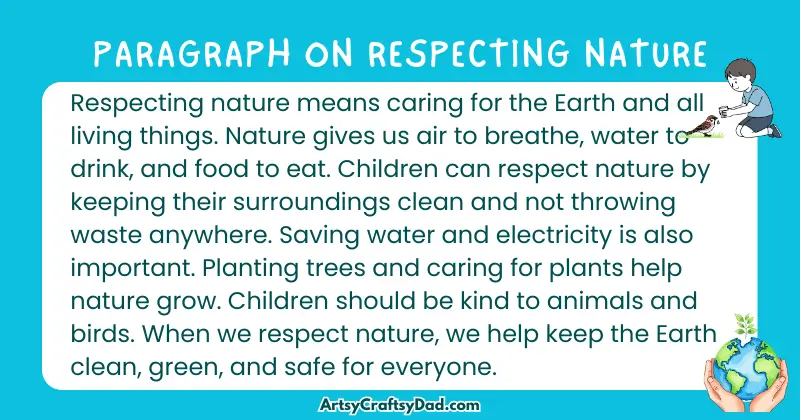
Respecting nature means caring for the Earth and all living things. Nature gives us air to breathe, water to drink, and food to eat. Children can respect nature by keeping their surroundings clean and not throwing waste anywhere. Saving water and electricity is also important. Planting trees and caring for plants help nature grow. Children should be kind to animals and birds. When we respect nature, we help keep the Earth clean, green, and safe for everyone.
‘Respecting Nature’ Essay Writing
‘Respecting Nature’ – 150 to 200 Words Essay for Grades 5 to 6 Students
Respecting nature means treating the outdoors with the same kindness and care you would show a friend’s home. Nature is not just a place to visit; it is a living community of plants and animals that deserves our admiration and protection.
We show respect through our actions. We stay on trails to avoid crushing tiny plants and insects that live in the soil. We keep our voices down so we don’t scare away birds and other wildlife. We take all our trash home, because litter can hurt animals and pollute water. We also respect nature by learning about it. When we understand how a bee helps flowers grow or how a tree cleans our air, we appreciate its importance. Respecting nature means knowing we are a part of it, not separate from it. Every choice to be gentle, clean, and observant helps ensure that forests, beaches, and parks remain beautiful, healthy, and full of life for generations to come.
‘Respecting Nature’ – 300 Words Essay for Grade 7 to 8 Students

Respecting nature is about more than just liking it; it is about having a relationship with the natural world built on humility, care, and understanding. It starts with the simple idea that we are guests in nature’s home, and we should act like polite and considerate visitors.
This respect is shown through mindful behavior. When we hike, we stick to marked trails. This isn’t just a rule—it’s a way to protect the fragile roots of plants and the hidden homes of small creatures. We observe wildlife from a distance with quiet wonder, using binoculars instead of our feet to get closer. This allows animals to live without the stress of human interference. We also respect nature by leaving everything as we found it. A colorful wildflower is more beautiful in the meadow where it can bloom again next year than in our hand, where it will quickly wilt. A smooth stone is part of the habitat for tiny organisms.
True respect also means recognizing our connection to nature. The water we drink, the air we breathe, and the food we eat all come from the Earth’s systems. When we pollute a river, we harm ourselves. When we protect a forest, we protect our own future. This respect extends to our everyday choices: conserving water, recycling, and reducing waste. By seeing ourselves as part of nature’s web, we understand that our actions have consequences. Respecting nature is an ongoing promise—to listen to its rhythms, to protect its creatures, and to pass on a healthy, thriving planet. It is a way of living that fills us with gratitude and guides us to be better stewards of the incredible world we have inherited.
Related Essay & Paragraph Topics
- Importance of Respecting Nature
- How Children Can Respect Nature
- Caring for Nature in Daily Life
- Protecting Plants and Animals
- Loving and Saving Our Earth
You May like this:
How Cleanliness Supports Nature

Cleanliness supports nature by reducing pollution, protecting wildlife, and maintaining healthy ecosystems. Proper waste disposal, recycling, and sanitation practices contribute to environmental protection and sustainable communities.
Learning Environmental Responsibility Early
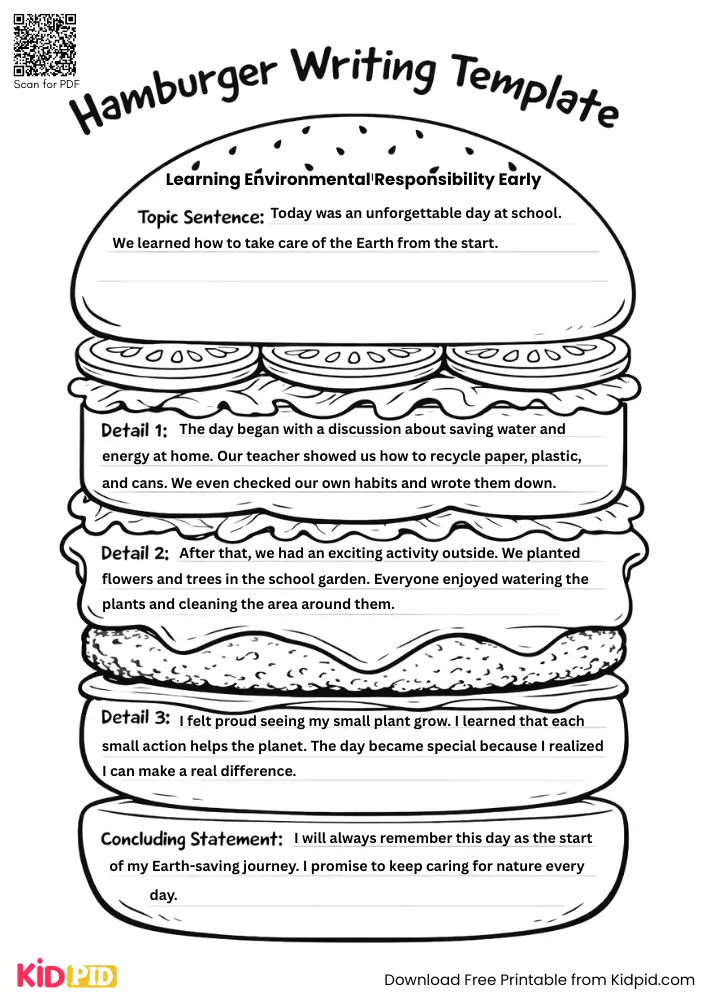
Teaching environmental responsibility early helps children develop eco-friendly habits like saving water, recycling waste, and protecting nature, building awareness about sustainability and environmental conservation.
Environment Protection Through Discipline
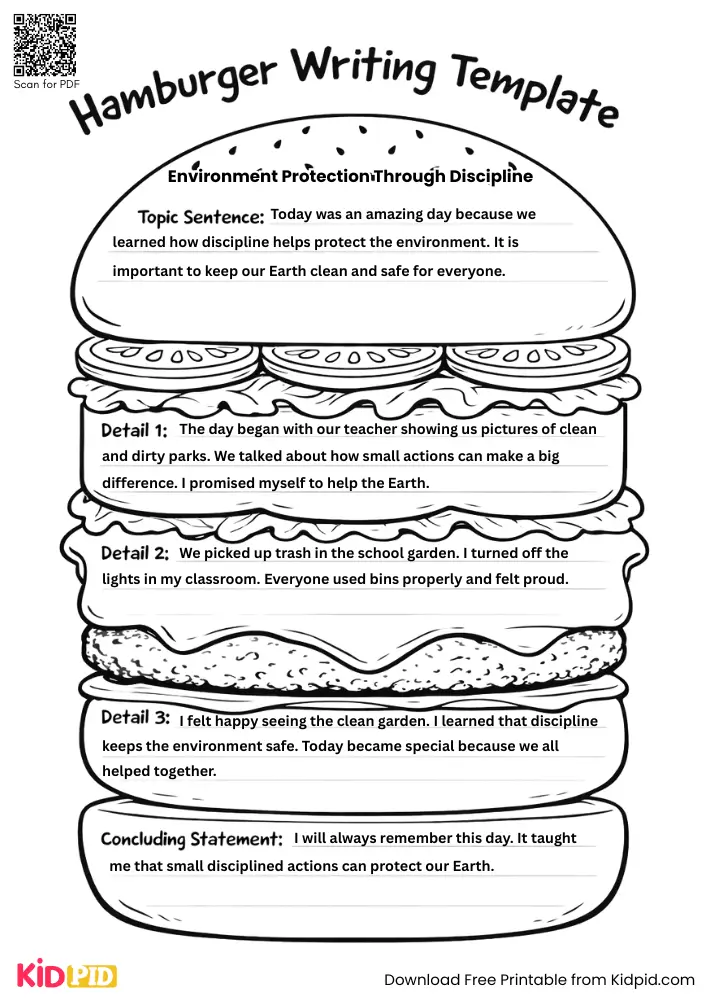
Environmental protection requires discipline such as saving energy, reducing pollution, and maintaining cleanliness. Responsible daily habits help conserve natural resources and support long-term sustainability.
Importance Of Caring For Surroundings

Caring for surroundings keeps communities clean, healthy, and sustainable. Proper waste management, cleanliness, and environmental awareness help protect ecosystems and create a positive and green environment.
Importance Of Mindful Use Of Resources

Mindful use of resources like water, electricity, and paper reduces environmental damage. Resource conservation, sustainable living, and responsible consumption help protect natural resources for future generations.