Safe use of mobile phones helps children stay protected, healthy, and responsible. By using phones for learning and communication, avoiding strangers, and taking breaks, children can enjoy technology safely. Learning good phone habits prevents problems and makes mobile phones helpful for education, fun, and staying connected with family.
5 Pointers on ‘Safe Use of Mobile Phones’
- Do not use mobile phones for too long.
- Keep personal information private and safe.
- Use mobile phones only for learning or communication.
- Avoid talking to strangers or unknown people online.
- Ask a parent or teacher if you are unsure about anything.
‘Safe Use of Mobile Phones’ Paragraph Writing
Hamburger Paragraph on ‘Safe Use of Mobile Phones’ (Free Template)

Topic Sentence: Today was an important day because I learned how to use my mobile phone safely. Using phones the right way keeps me healthy and secure.
Details 1: I began by checking my phone for messages and learning apps. I made sure not to share personal information like my address or passwords. I also avoided chatting with strangers online.
Details 2: I used my phone to study, watch educational videos, and talk to my family. I took regular breaks to rest my eyes. I had fun while learning and staying safe.
Details 3: I felt proud for using my phone carefully. I learned that asking a parent or teacher for help is smart. This made me feel safe and happy.
Concluding Statement: I will always remember this day because it taught me how to use my phone responsibly. Safe phone habits help me stay protected and enjoy learning.
Short Paragraph on ‘Safe Use of Mobile Phones’ – 50 Words for Grades 3 to 4
Safe use of mobile phones is very important. I use my phone for learning or talking to family. I do not share personal details. I avoid strangers online. I take breaks and use the phone carefully. Safe phone habits keep me protected and healthy every day.
Long Paragraph on ‘Safe Use of Mobile Phones’ – 100 Words for Grade 5

The safe use of mobile phones helps children stay healthy and secure. I use my phone for studying, learning, or talking to my family. I never share my personal information, like my address or passwords. I avoid chatting with strangers online. I take regular breaks and do not use the phone for too long. I always ask a parent or teacher if I am unsure about something. Using mobile phones safely protects me from dangers, keeps my eyes and mind healthy, and helps me enjoy learning and fun in a safe way.
‘Safe Use of Mobile Phones’ Essay Writing
‘Safe Use of Mobile Phones’—150 to 200 Words Essay for Grades 6 to 7 Students
A mobile phone is a fantastic tool for learning and staying connected, but using it safely is super important. First, you must guard your personal information like a treasure. Never tell strangers online your real name, where you live, or your school. Your privacy is yours to protect. Second, remember that not everyone online is who they say they are. If someone you don’t know tries to talk to you or makes you feel uncomfortable, the safest thing to do is not reply and tell a parent or teacher right away.
Being kind is just as important online as it is on the playground. Never use your phone to hurt someone’s feelings by sending mean texts or posting embarrassing pictures. Also, balance your screen time with other activities. Too much time on your phone can make you miss out on fun outdoor games, reading, and spending time with family. Finally, always look up from your screen when you’re walking, especially near roads. By following these simple rules, your phone can be a helpful and fun part of your life without any worries.
‘Safe Use of Mobile Phones’ – 300 Words Essay for Grades 8 to 10 Students

Mobile phones are like tiny, powerful computers we carry in our pockets. They let us talk to family, learn new things, and have fun. But with great power comes great responsibility! Using your phone safely means being smart, kind, and aware to protect yourself and others.
The first rule of phone safety is protecting your private world. Think of your personal information—your full name, home address, school, and birthday—as secret codes. Never share these “codes” in games, on social media, or with people you don’t know in real life. This keeps you safe from people who might not have good intentions. Closely related to this is stranger danger online. The internet can make it easy for people to pretend to be someone they’re not. If a “friend” you only know online asks to meet you or for personal details, it’s a major red flag. Always check with a parent or guardian.
Safety also means being a good digital citizen. Your words and actions on your phone have a real impact. Cyberbullying—using technology to hurt, threaten, or embarrass someone—is never okay. If you witness it or are a target, save the evidence and tell an adult immediately. Another key part of safety is managing your health and time. Staring at a screen for too long can cause eye strain and headaches and make it hard to sleep. It can also steal time from hobbies, sports, and real-life friendships. Set boundaries for yourself, like no phones during dinner or an hour before bed.
Lastly, prioritize real-world awareness. One of the biggest dangers is getting distracted by your phone in the wrong place. Never text or play games while walking, especially near streets, stairs, or parking lots. Your full attention should be on your surroundings to prevent accidents. By mastering these safe habits, you ensure your mobile phone remains a useful tool for connection and discovery, not a source of trouble.
Related Essay & Paragraph Topics
- Using Mobile Phones Safely
- Healthy Phone Habits for Kids
- Learning and Safety with Mobile Phones
- Responsible Use of Technology
- Mobile Phones for Study and Fun
You May like this:
Importance Of Problem-Solving Skills

Problem-solving skills enhance critical thinking, creativity, decision-making, adaptability, leadership, and academic success.
Importance Of Creativity

Creativity fosters innovation, imagination, problem-solving, artistic expression, critical thinking, and personal development.
Learning Communication Skills

Communication skills improve relationships, clarity, confidence, collaboration, professional growth, and social interaction.
Learning Decision-Making
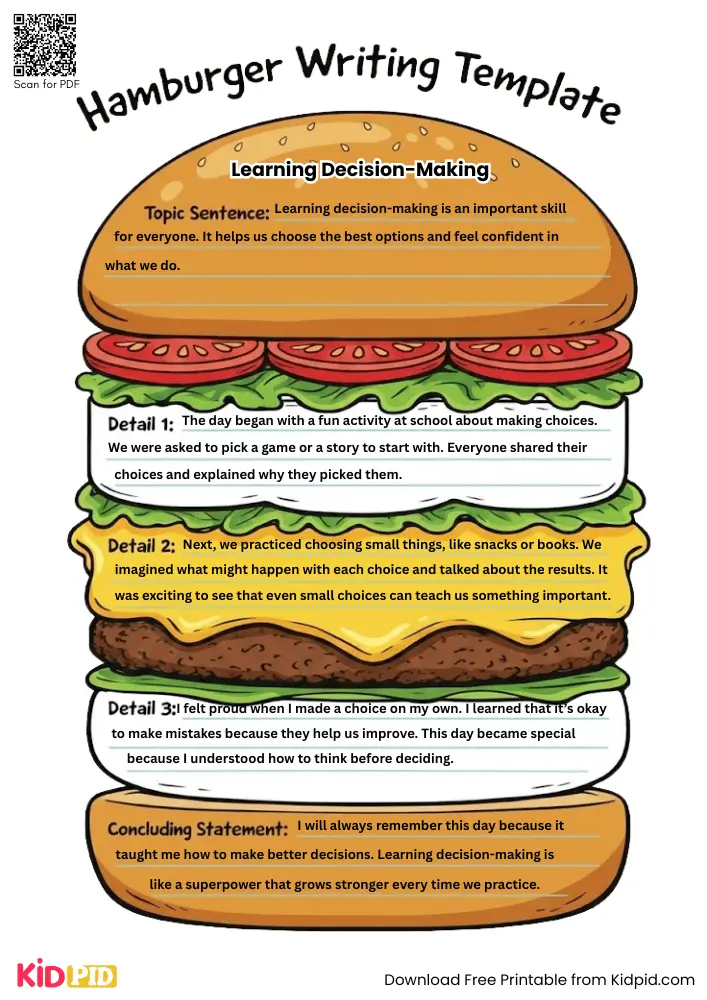
Decision-making skills enhance responsibility, judgment, confidence, problem-solving, and life success.
Preparing For Future Careers
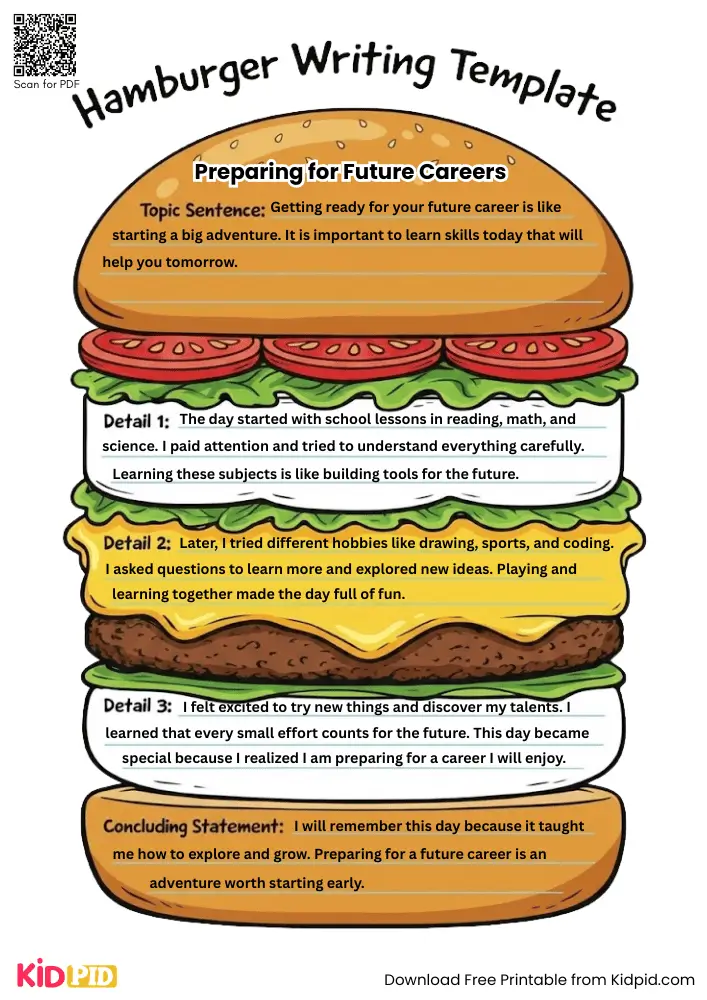
Preparing for future careers requires skill development, education, adaptability, career planning, goal setting, and continuous learning.