“Turning off lights when not needed is a simple habit that helps save electricity and protect the environment. It reduces energy waste, lowers bills, and teaches responsibility. Small actions like this make a big difference over time. Learning to switch off unused lights helps children become eco-friendly and caring citizens.”
5 Pointers on ‘Turning Off Lights When Not Needed’
- Turning off lights saves electricity and energy.
- It helps reduce electricity bills at home.
- Saving electricity protects the environment and nature.
- Turning off lights when not needed is a responsible habit.
- Small actions like this make a big difference over time.
‘Turning Off Lights When Not Needed’ Paragraph Writing
Hamburger Paragraph on ‘Turning Off Lights When Not Needed’ (Free Template)

Topic Sentence: Today, I learned an important lesson about turning off lights when they are not needed. It is a small action that can make a big difference for our home and planet.
Details 1: The day began when I noticed my room light was on, even though no one was inside. My teacher told us how leaving lights on wastes electricity. I decided to check all the lights at home and switch off the ones not in use.
Details 2: I went around the house and turned off the kitchen, bathroom, and living room lights. It was fun to see how many lights I could switch off. I also reminded my little brother to do the same at his study desk.
Details 3: I felt proud that I was saving electricity and helping the environment. I realized that even small actions matter a lot. This day became special because I learned a habit that can protect nature and save money too.
Concluding Statement: I will always remember this day because it taught me to be responsible and careful with electricity. Every time I turn off a light, I will know I am making a smart choice for the planet.
Short Paragraph on ‘Turning Off Lights When Not Needed’ – 50 Words for Grade 3
Turning off lights when not needed saves electricity and protects the environment. It lowers electricity bills and reduces pollution. Children can switch off lights at home, school, and other places. This small habit teaches responsibility and care for nature. Every light turned off helps make the world better.
Long Paragraph on ‘Turning Off Lights When Not Needed’ – 100 Words for Grade 4
Turning off lights when not needed is an important habit. It saves electricity, lowers bills, and protects the environment. Power plants produce electricity by burning fuels, which can cause pollution. Using only the electricity we need helps reduce this harm. Children can practice switching off lights at home, in classrooms, and other places. Even though it seems small, this habit has a big impact. It teaches responsibility, care for nature, and awareness about energy conservation. Children who develop this habit grow into thoughtful and eco-friendly adults, helping to protect the planet for the future.
‘Turning Off Lights When Not Needed’ Essay Writing
‘Turning Off Lights When Not Needed’ – 150 to 200 Words Essay for Grades 5 to 7 Students
Turning off lights when you leave a room is a small action with a big impact. It is one of the easiest ways to be an eco-hero at home and at school. First, it saves energy, which saves your family money on the electricity bill. That’s money that can be used for other things! More importantly, it helps protect our planet. A lot of our electricity is made by burning coal and gas, which sends harmful pollution into the air. By using less power, we create less pollution, helping to keep the air clean and fight climate change. It’s also a simple sign of being responsible and aware. Making it a habit—like turning off the light when you walk out of your bedroom or the bathroom—shows you care about your home and your world. Every time you flip that switch, you are making a smart, kind choice for your future.
‘Turning Off Lights When Not Needed’ – 300 Words Essay for Grades 8 to 10 Students
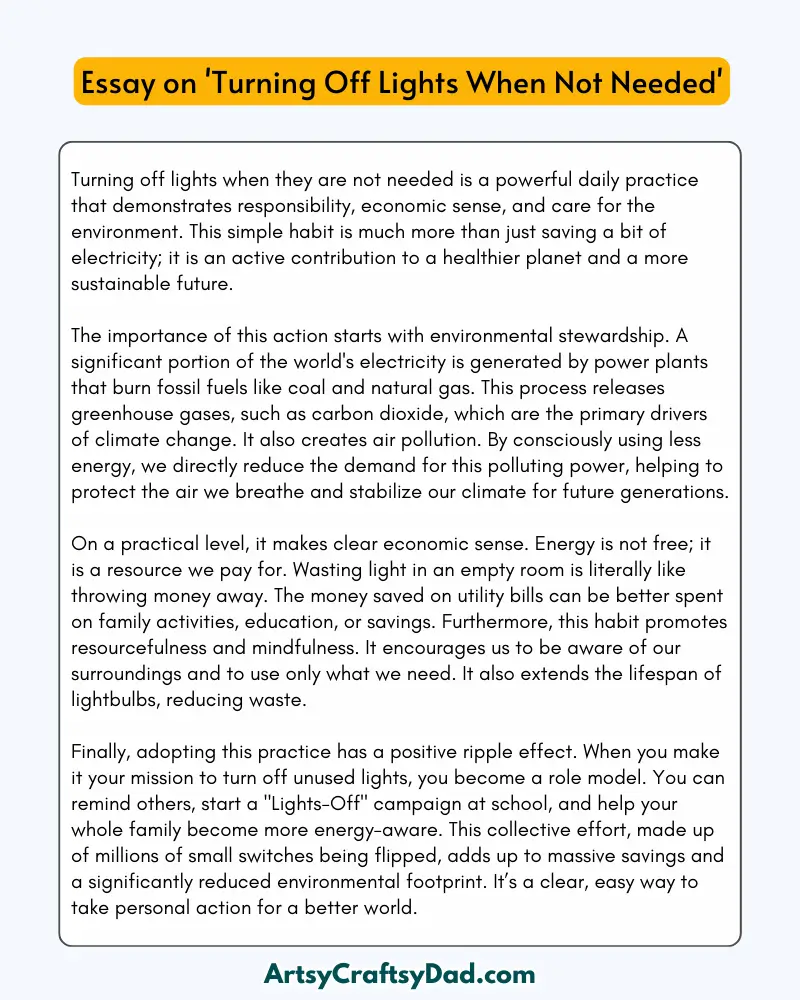
Turning off lights when they are not needed is a powerful daily practice that demonstrates responsibility, economic sense, and care for the environment. This simple habit is much more than just saving a bit of electricity; it is an active contribution to a healthier planet and a more sustainable future.
The importance of this action starts with environmental stewardship. A significant portion of the world’s electricity is generated by power plants that burn fossil fuels like coal and natural gas. This process releases greenhouse gases, such as carbon dioxide, which are the primary drivers of climate change. It also creates air pollution. By consciously using less energy, we directly reduce the demand for this polluting power, helping to protect the air we breathe and stabilize our climate for future generations.
On a practical level, it makes clear economic sense. Energy is not free; it is a resource we pay for. Wasting light in an empty room is literally like throwing money away. The money saved on utility bills can be better spent on family activities, education, or savings. Furthermore, this habit promotes resourcefulness and mindfulness. It encourages us to be aware of our surroundings and to use only what we need. It also extends the lifespan of lightbulbs, reducing waste.
Finally, adopting this practice has a positive ripple effect. When you make it your mission to turn off unused lights, you become a role model. You can remind others, start a “Lights-Off” campaign at school, and help your whole family become more energy-aware. This collective effort, made up of millions of small switches being flipped, adds up to massive savings and a significantly reduced environmental footprint. It’s a clear, easy way to take personal action for a better world.
Related Essay & Paragraph Topics
- Saving Electricity at Home
- Simple Ways to Protect the Environment
- Being Responsible with Energy
- How Small Actions Make a Big Difference
- Caring for Nature by Conserving Energy
You May like this:
Learning Calmness In Challenges
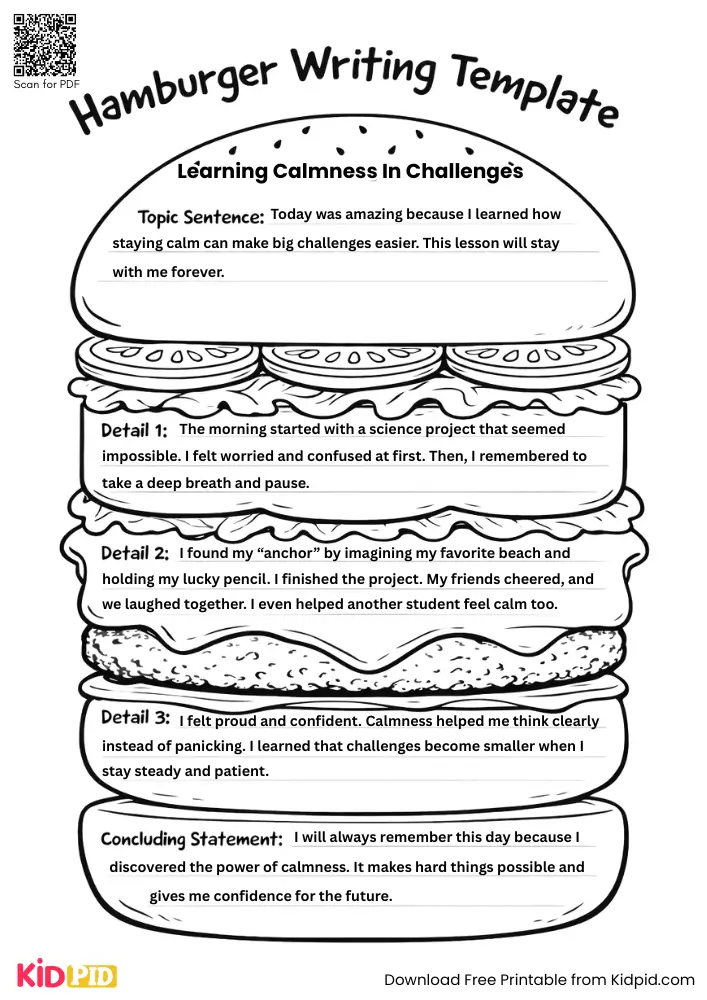
Staying calm during challenges improves problem-solving, emotional control, and decision-making, helping individuals handle difficulties wisely.
Learning From Daily Routines

Daily routines teach time management, discipline, and organization, helping individuals build productive habits and maintain balanced lifestyles.
Value Of Structured Life

A structured life promotes organization, time management, and productivity. Daily routines, planning, and discipline help achieve personal goals and maintain balance.
Importance Of Consistent Effort

Consistent effort builds discipline, skill development, and long-term success. Regular practice, focus, and determination help achieve goals and personal growth.
Learning Confidence Through Preparation
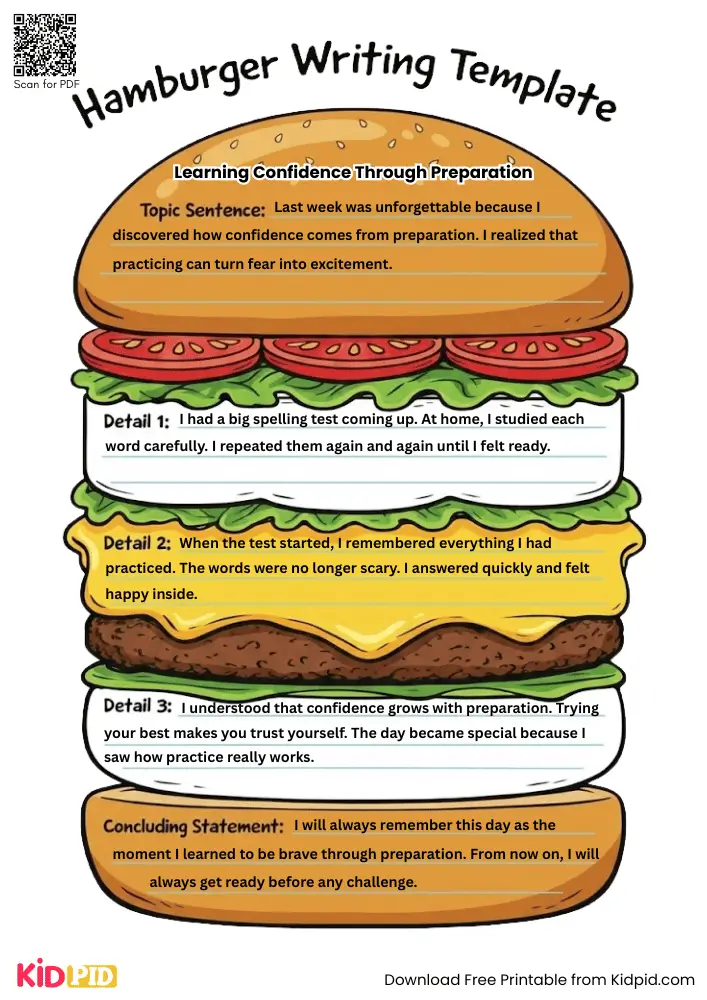
Confidence grows with preparation, practice, and planning. Being ready for tasks improves self-belief, performance, and personal development.