Polite behavior is like a small key that opens big doors in life. Using kind words, showing respect, and listening carefully help us make friends and solve problems easily. Learning to be polite makes daily life happier, builds trust, and creates a friendly world where everyone feels valued and respected.
5 Pointers on “Why Polite Behavior Matters”
- Polite behavior helps us make friends and get along with others.
- Saying “please,” “thank you,” and “sorry” shows respect.
- Being polite creates a happy and peaceful environment at home and school.
- Politeness builds trust and makes people feel valued.
- Good manners help us solve problems without arguments or fights.
‘Why Polite Behavior Matters’ Paragraph Writing
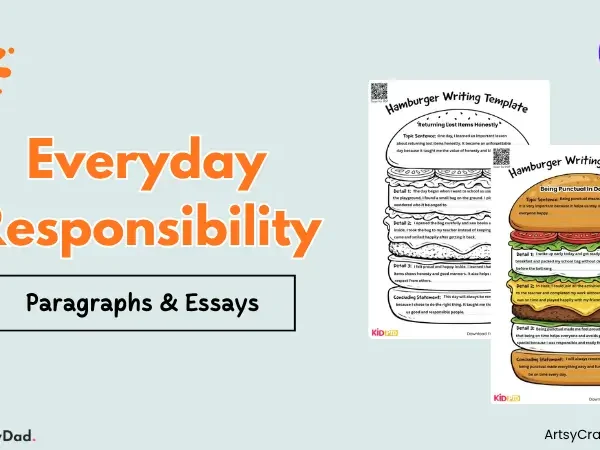
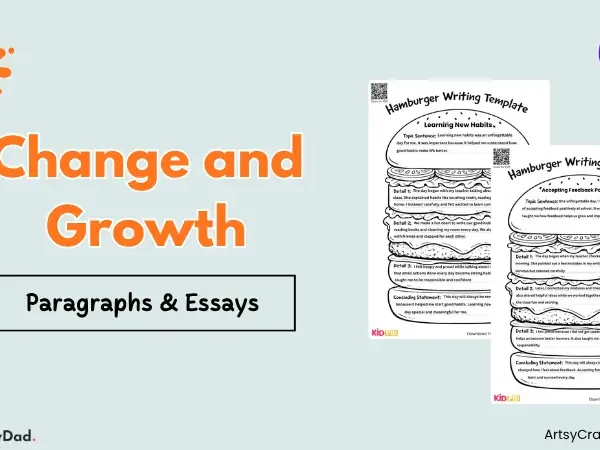
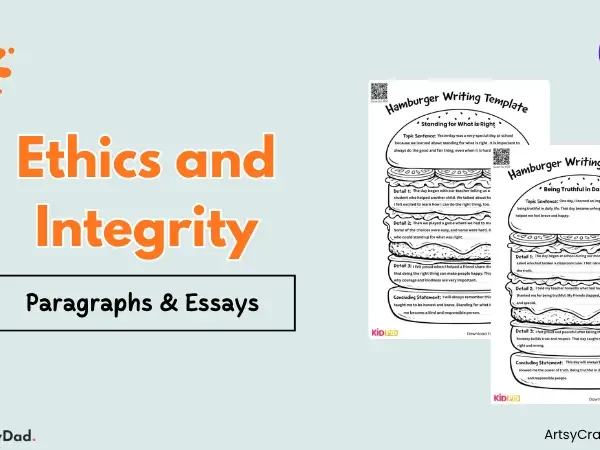
Hamburger Paragraph on ‘Why Polite Behavior Matters’ (Free Template)

Topic Sentence: Today was a special day because we learned why polite behavior matters. Being polite makes people happy and helps us make friends.
Details 1: The day started with a greeting game in class. We said “hello” and “please” to everyone. It felt nice to hear kind words.
Details 2: Then, we shared our toys and helped each other. Everyone smiled and thanked each other. Playing together became more fun.
Details 3: I felt proud to be polite and kind. I learned that good manners make friends happy. The day became very special.
Concluding Statement: I will always remember this day because I learned to be polite. Politeness makes everyone feel good and welcome.
Short Paragraph on ‘Why Polite Behavior Matters’ – 50 Words for Grade 3
Polite behavior matters because it shows respect. Saying “please” and “thank you” makes others feel good. It helps you make friends and share better. When you are kind and use good manners, people enjoy being around you. Being polite makes the world a nicer place for everyone.
Long Paragraph on ‘Why Polite Behavior Matters’ – 100 Words for Grade 4
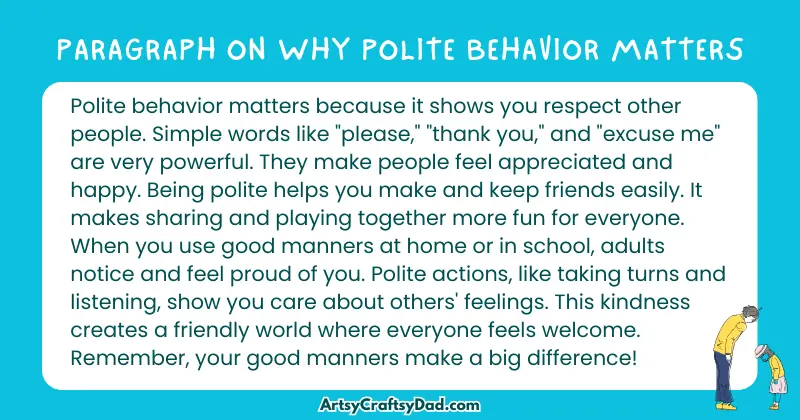
Polite behavior matters because it shows you respect other people. Simple words like “please,” “thank you,” and “excuse me” are very powerful. They make people feel appreciated and happy. Being polite helps you make and keep friends easily. It makes sharing and playing together more fun for everyone. When you use good manners at home or in school, adults notice and feel proud of you. Polite actions, like taking turns and listening, show you care about others’ feelings. This kindness creates a friendly world where everyone feels welcome. Remember, your good manners make a big difference!
‘Why Polite Behavior Matters’ Essay Writing
‘Why Polite Behavior Matters’ – 150 to 200 Words Essay for Grade 5
Polite behavior matters because it makes the world a friendlier and happier place. When you say “please,” “thank you,” and “excuse me,” you are showing respect to the people around you. This respect is like a superpower for building friendships—people enjoy being with someone who is kind and considerate. Imagine a classroom or a playground where everyone is polite. It feels safe, welcoming, and fun for everyone! Also, when you are polite, people are more likely to listen to you and help you. Asking nicely for a turn on the swing or for help with your work is much better than demanding it. Most importantly, being polite shows the world that you are a good person on the inside. It’s not just about following rules; it’s about caring for other people’s feelings. Every time you choose to be polite, you are spreading a little bit of kindness, and that makes you a true everyday hero.
‘Why Polite Behavior Matters’ – 300 Words Essay for Grades 6 to 10 Students
Polite behavior is like a magic key that unlocks friendship, respect, and happiness. It might seem like small things—saying “please” when you want something, “thank you” when you receive it, and “sorry” if you make a mistake—but these words have a huge power. They are important because they show the people around you that you care about their feelings. This is called respect, and it is the foundation of every good relationship, whether with family, friends, or teachers.
When you are polite, you make the environment around you more pleasant for everyone. Think about your school cafeteria or a birthday party. If everyone shares, takes turns, and uses good manners, the whole experience is more enjoyable. Politeness is contagious; when you are kind, it encourages others to be kind too, creating a circle of happiness. It also helps you in practical ways. People are much more willing to listen, help, and cooperate with someone who asks nicely. A polite request for help on homework or to join a game is often met with a “yes!”
Furthermore, your manners are a reflection of who you are. They show that you are a thoughtful, caring, and well-behaved person. It’s not about being perfect, but about making a consistent effort to be considerate. Even when you are feeling upset or excited, using polite words helps you express yourself calmly and clearly.
In the end, politeness makes you a person others trust and admire. It builds your character and makes you a positive force in your community. Every polite action, no matter how small, is a step toward building a kinder world. By choosing to be polite, you are not just following a rule—you are choosing to be a good friend, a good student, and a wonderful you.
Related Essay & Paragraph Topics
- The Importance of Politeness in Daily Life
- How Being Polite Builds Respect and Friendship
- Polite Behavior: Key to Happy Relationships
- Why Courtesy and Manners Make a Difference
- The Role of Politeness in School and Society
You May like this:
Learning New Habits

Learning new habits supports self-discipline, personal development, productivity, healthy lifestyle, and positive transformation.
Importance Of Self-Belief

Self-belief strengthens confidence, motivation, resilience, goal achievement, positive mindset, and personal growth.
Returning Lost Items Honestly

Returning lost items honestly reflects integrity, honesty, empathy, trustworthiness, ethical behavior, and moral responsibility.
Turning Off Lights When Not Needed

Turning off lights saves electricity, reduces energy bills, conserves resources, promotes sustainability, and protects the environment.
Helping Without Expecting Rewards

Helping without rewards demonstrates kindness, compassion, empathy, generosity, selflessness, and strong moral values.