Helping others without expecting anything in return teaches us kindness, patience, and love. When we act selflessly, we make the world brighter and happier. Small acts, like sharing or comforting someone, create big smiles and strong bonds. Learning to help without reward builds a caring heart and good character.
5 Pointers on “Importance of Helping Without Reward”
- Helping others makes the world a kinder place.
- Doing good without expecting anything teaches honesty and selflessness.
- Small acts of kindness can make someone’s day better.
- Helping without reward builds strong friendships and trust.
- Being kind for its own sake makes you feel happy and proud.
‘Importance of Helping Without Reward’ Paragraph Writing
Hamburger Paragraph on ‘Importance of Helping Without Reward’ (Free Template)
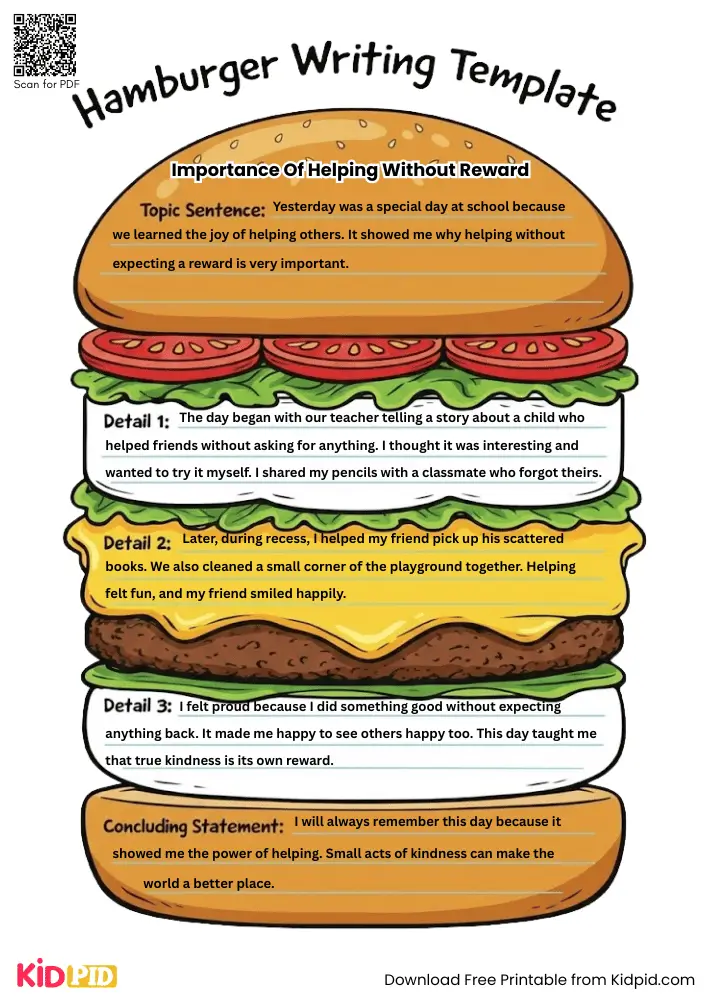
Topic Sentence: Yesterday was a special day at school because we learned the joy of helping others. It showed me why helping without expecting a reward is very important.
Details 1: The day began with our teacher telling a story about a child who helped friends without asking for anything. I thought it was interesting and wanted to try it myself. First, I shared my pencils with a classmate who forgot theirs.
Details 2: Later, during recess, I helped my friend pick up his scattered books. We also cleaned a small corner of the playground together. Helping felt fun, and my friend smiled happily.
Details 3: I felt proud because I did something good without expecting anything back. It made me happy to see others happy too. This day taught me that true kindness is its own reward.
Concluding Statement: I will always remember this day because it showed me the power of helping. Small acts of kindness can make the world a better place.
Short Paragraph on ‘Importance of Helping Without Reward’ – 50 Words for Grade 3
Helping without reward means doing kind things just to be nice. You feel happy inside when you help. You might share your snack or pick up trash. It makes your school and world a better, friendlier place. Helping is its own special reward.
Long Paragraph on ‘Importance of Helping Without Reward’ – 100 Words for Grade 4
Helping without reward means being kind without expecting a prize. You help because it’s the right thing to do. You can hold a door, comfort a sad friend, or help at home. This makes others feel good and builds trust. You also feel a warm, happy feeling inside. This kindness spreads. When you help, others see it and want to help too. It makes your classroom and neighborhood a happier community. A treat or thank you is nice, but the best part is knowing you made a difference. True kindness is its own reward.
‘Importance of Helping Without Reward’ Essay Writing
‘Importance of Helping Without Reward’ – 150 to 200 Words Essay for Grades 5 to 6 Students
Helping others without expecting a reward is one of the most important things we can learn. It means sharing your sandwich with a friend who forgot theirs, picking up trash you didn’t drop, or comforting someone who is sad, just because it’s the right thing to do. When you help like this, you aren’t looking for a toy, a treat, or even a “thank you.” The real prize is the warm, sunny feeling you get inside your own heart. That feeling is called joy, and it’s much better than any sticker or candy!
This kind of helping is like planting magic seeds. When you are kind to someone, they often feel so happy that they want to be kind to someone else. Your one small action can start a chain reaction of goodness. It makes your classroom, your home, and your playground a more caring place for everyone. So, help with a smile, just to see another smile in return. That’s how we build a kinder world, one helpful act at a time.
‘Importance of Helping Without Reward’ – 300 Words Essay for Grades 7 to 10 Students
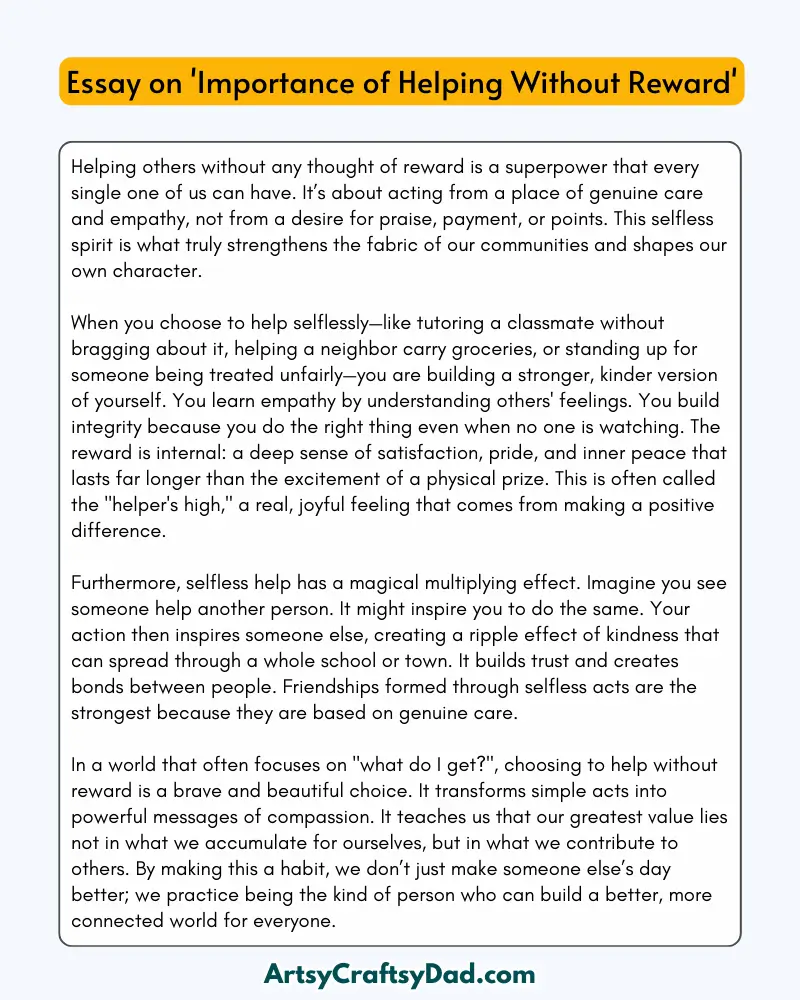
Helping others without any thought of reward is a superpower that every single one of us can have. It’s about acting from a place of genuine care and empathy, not from a desire for praise, payment, or points. This selfless spirit is what truly strengthens the fabric of our communities and shapes our own character.
When you choose to help selflessly—like tutoring a classmate without bragging about it, helping a neighbor carry groceries, or standing up for someone being treated unfairly—you are building a stronger, kinder version of yourself. You learn empathy by understanding others’ feelings. You build integrity because you do the right thing even when no one is watching. The reward is internal: a deep sense of satisfaction, pride, and inner peace that lasts far longer than the excitement of a physical prize. This is often called the “helper’s high,” a real, joyful feeling that comes from making a positive difference.
Furthermore, selfless help has a magical multiplying effect. Imagine you see someone help another person. It might inspire you to do the same. Your action then inspires someone else, creating a ripple effect of kindness that can spread through a whole school or town. It builds trust and creates bonds between people. Friendships formed through selfless acts are the strongest because they are based on genuine care.
In a world that often focuses on “what do I get?”, choosing to help without reward is a brave and beautiful choice. It transforms simple acts into powerful messages of compassion. It teaches us that our greatest value lies not in what we accumulate for ourselves, but in what we contribute to others. By making this a habit, we don’t just make someone else’s day better; we practice being the kind of person who can build a better, more connected world for everyone.
Related Essay & Paragraph Topics
- Selfless Acts: The Power of Helping Without Expecting Anything
- Kindness Without Reward: Building a Caring World
- The Joy of Giving: Why Helping Others Matters More Than Rewards
- Invisible Rewards: The Inner Happiness of Selfless Help
- Helping Hands: How Selfless Actions Shape Character
You May like this:
Respecting Social Values

Respecting social values strengthens cultural identity, moral responsibility, and community stability. Following traditions, ethical norms, and respectful behavior promotes harmony, builds trust, encourages cooperation, and supports a disciplined and respectful society.
Managing Screen Habits
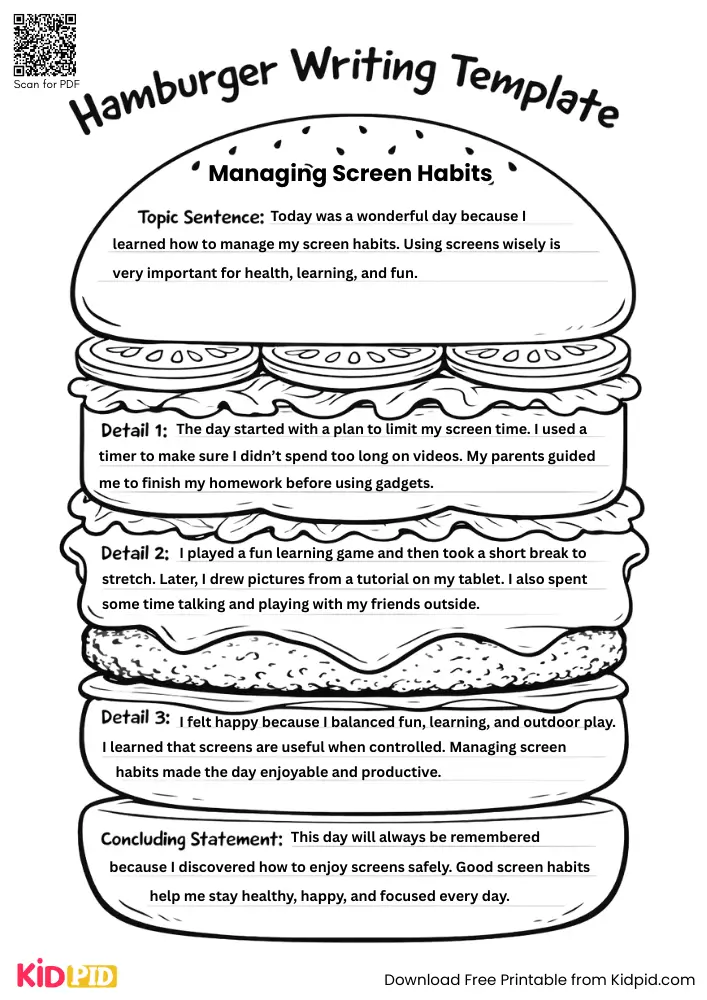
Healthy screen habits protect eyesight, mental health, and productivity. Setting time limits, taking breaks, and prioritizing offline activities improve focus, sleep quality, and overall well-being while promoting balanced technology use.
Using Technology For Learning

Educational technology enhances knowledge, skills, and academic growth. Online resources, digital tools, and interactive learning platforms improve understanding, creativity, and research abilities while supporting modern education and lifelong learning.
Limiting Online Dependency

Reducing online dependency supports mental balance, productivity, and healthy routines. Spending time offline, engaging in hobbies, and building real-world connections strengthen emotional health and prevent excessive digital reliance.
Avoiding Misuse Of Devices

Preventing device misuse protects health, relationships, and productivity. Responsible digital behavior, avoiding harmful content, and respecting online etiquette encourage safe, ethical technology use and positive digital environments.