Learning kindness is not just about words, but the good things we do every day. Simple actions like helping friends, sharing toys, or cheering someone up teach us to care for others. By practicing kindness in small ways, we make the world happier and more friendly for everyone.
5 Pointers on “Learning Kindness Through Actions”
- Help Others Daily – Small acts like sharing your lunch or helping a classmate can show kindness.
- Use Polite Words – Saying “please,” “thank you,” or “sorry” spreads warmth and respect.
- Listen Carefully – Paying attention to someone’s feelings shows you care.
- Include Everyone – Invite friends to play or join group activities so no one feels left out.
- Do Good Deeds Quietly – Sometimes, helping without expecting rewards is the kindest action.
‘Learning Kindness Through Actions’ Paragraph Writing
Hamburger Paragraph on ‘Learning Kindness Through Actions’ (Free Template)
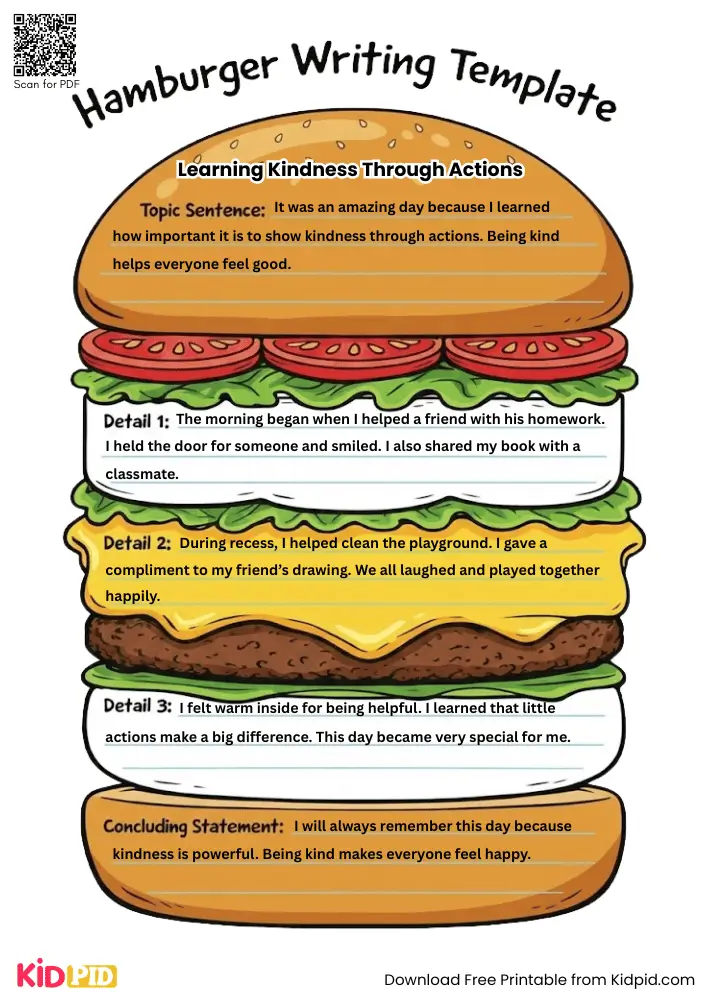
Topic Sentence: It was an amazing day because I learned how important it is to show kindness through actions. Being kind helps everyone feel good.
Details 1: The morning began when I helped a friend with his homework. I held the door for someone and smiled. I also shared my book with a classmate.
Details 2: During recess, I helped clean the playground. I gave a compliment to my friend’s drawing. We all laughed and played together happily.
Details 3: I felt warm inside for being helpful. I learned that little actions make a big difference. This day became very special for me.
Concluding Statement: I will always remember this day because kindness is powerful. Being kind makes everyone feel happy.
Short Paragraph on ‘Learning Kindness Through Actions’ – 50 Words for Grade 3
Being kind means doing small things. You can share your toys or help someone who has fallen down. Kind words like “thank you” make people smile. Every kind action is important. It shows you care. When you are kind, others feel happy. You will feel happy too.
Long Paragraph on ‘Learning Kindness Through Actions’ – 100 Words for Grade 4
Learning kindness is about what you do. Actions speak louder than words. You can learn by helping a friend with their work. Hold the door for someone. Give a hug when someone is sad. Pick up trash to help the Earth. Say “please” and “good job.” These actions show you care. When you are kind, it spreads. The person you help might then help someone else. Kindness makes your school and home happier places. It makes you feel warm and good inside. Remember, even the smallest kind act is a big deal. Start with one kind thing today.
‘Learning Kindness Through Actions’ Essay Writing
‘Learning Kindness Through Actions’ – 150 to 200 Words Essay for Grades 5 to 6 Students
Learning kindness isn’t just about knowing the word; it’s about doing things that make others feel happy and supported. Think of kindness like a muscle—the more you use it, the stronger it gets! You can build this strength every day through your actions.
Start by looking for small opportunities. Pick up a dropped pencil for a classmate, share your snack, or give a genuine compliment like, “I love your drawing!” These small acts are like planting tiny seeds of happiness that grow. If you see someone sitting alone, that’s a big chance for kindness. Walk over, smile, and say hello. Your action tells them they are seen and valued. At home, you can practice by helping without being asked—setting the table or reading to a younger sibling.
Remember, every kind action creates a ripple effect. When you are kind to someone, they are more likely to be kind to others, spreading sunshine far and wide. Your actions, big and small, show the world the kind of person you are: a caring and wonderful friend.
‘Learning Kindness Through Actions’ – 300 Words Essay for Grades 7 to 10 Students
Kindness is a superpower that every single one of us can learn and use, and the best way to learn it is not by just thinking about it, but by doing it. True kindness is active; it shows up in what we say and what we do for others. When we practice kindness through our actions, we learn how good it feels to make someone else’s day brighter and, in turn, we make our own hearts happier.
Our daily lives are filled with chances to practice this superpower. At school, kindness can be as simple as offering a spare piece of paper to someone who forgot theirs, patiently waiting for your turn, or listening carefully when a friend is speaking. If you notice a new student looking lost, your action of guiding them to the lunchroom can turn their scary day into a friendly one. On the playground, being a good sport—cheering for everyone, not just your team—is a powerful act of kindness that makes games fun for all.
At home, kindness shines through helpful actions. You can show kindness by cleaning up your toys without being reminded, making a card for a family member who feels sick, or giving your pet some extra gentle attention. These actions show your family that you care about sharing the work and spreading love.
The most wonderful part of learning kindness through actions is the ripple effect it creates. Just like a smile is often returned with a smile, a kind deed inspires more kindness. When you help a friend, they feel supported and are more likely to help someone else later. This creates a chain reaction of goodwill, making your classroom, home, and community a warmer, more connected place. So, start today! Look for one person you can help or one nice thing you can do. Your actions, no matter how small, are powerful. They shape you into a compassionate leader and make the world a better, kinder place for everyone.
Related Essay & Paragraph Topics
- Small Acts, Big Heart: Practicing Kindness Every Day
- Helping Hands: Learning Kindness Through Simple Actions
- The Power of Thoughtful Deeds in Daily Life
- Spreading Smiles: How Actions Teach Kindness
- Kindness in Motion: Lessons from Helping Others
You May like this:
Trusting Inner Voice

Listening to intuition improves decision-making, self-awareness, and confidence. Trusting inner guidance helps avoid mistakes, promotes authenticity, strengthens emotional intelligence, and supports thoughtful choices aligned with personal values and long-term goals.
Understanding Social Responsibilities

Social responsibility promotes ethical behavior, civic awareness, and community welfare. Respecting rules, helping others, and contributing positively strengthen society, build trust, and encourage responsible citizenship for sustainable development.
Respecting Differences
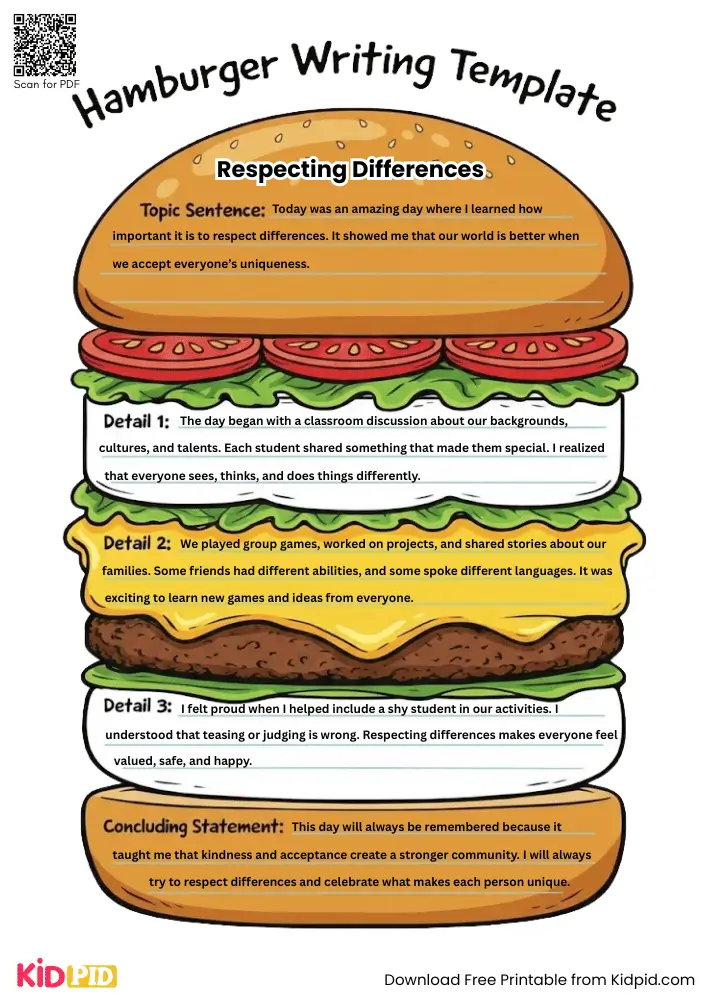
Respecting diversity encourages inclusion, tolerance, and peaceful coexistence. Accepting cultural, social, and personal differences strengthens relationships, promotes equality, reduces conflicts, and builds a harmonious, respectful, and understanding society.
Being Sensitive To Others
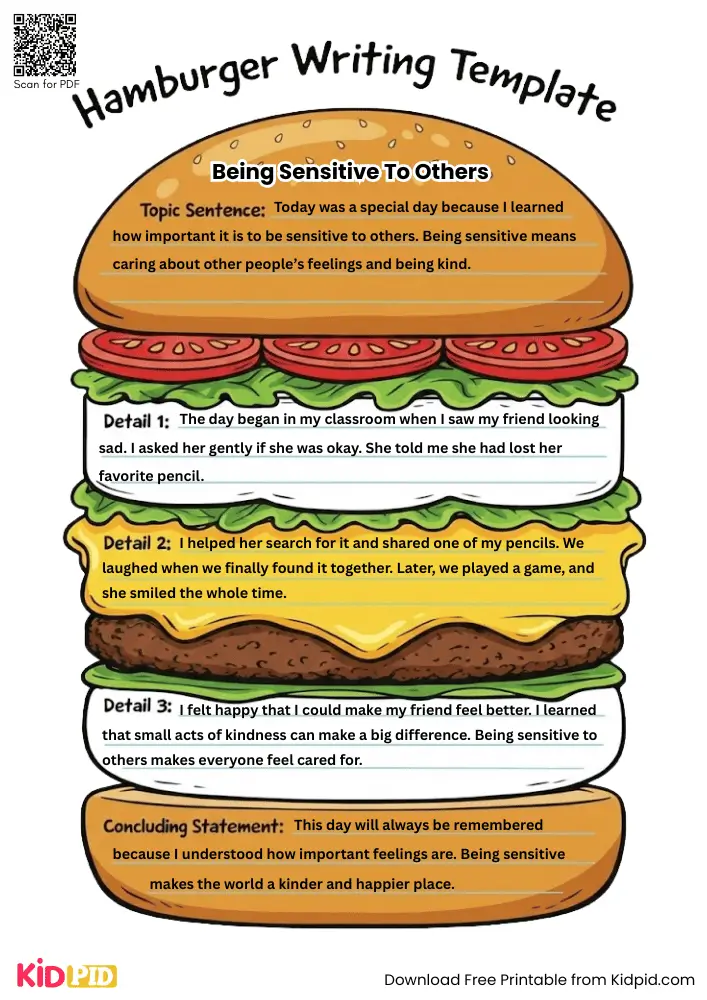
Emotional sensitivity improves empathy, relationships, and communication. Understanding others’ feelings fosters kindness, compassion, and respect, helping create supportive environments that encourage trust, cooperation, and strong social connections.
Standing Against Injustice

Opposing injustice promotes courage, moral responsibility, and social reform. Speaking against unfairness strengthens democratic values, supports human rights, encourages equality, and inspires others to defend truth and fairness.