“Respecting opinions means understanding that everyone thinks differently. It helps children listen politely and speak kindly. When children value others’ ideas, they avoid fights, learn new things, and build strong friendships. Respecting opinions teaches empathy, patience, and teamwork, helping children grow into caring, thoughtful, and respectful humans in school and society.”
5 Pointers on ‘Respecting Opinions’
- Respecting opinions means valuing what others think.
- Everyone can have different ideas and thoughts.
- Listening politely shows respect for opinions.
- Respecting opinions helps avoid arguments.
- It builds understanding and strong friendships.
‘Respecting Opinions’ Paragraph Writing
Hamburger Paragraph on ‘Respecting Opinions’ (Free Template)

Topic Sentence: Today was a special day about respecting opinions. It is important because everyone has different thoughts.
Detail 1: The day started with a discussion in class. Each student shared their ideas on a story. Some opinions were surprising but interesting.
Detail 2: We worked in groups to solve a problem. Everyone had different suggestions. Listening carefully made the activity enjoyable and peaceful.
Detail 3: I felt proud when my classmates respected my idea. I also learned from their opinions. Respecting opinions helps us make friends and understand others.
Concluding Statement: I will always remember this day. It showed me how kindness and listening can make everyone happy.
Short Paragraph on ‘Respecting Opinions’ – 50 Words for Grade 4
Respecting opinions means accepting that others may think differently. It helps children listen politely and stay calm. Respecting opinions avoids fights and builds friendship. Children who respect opinions grow into kind and understanding humans.
Long Paragraph on ‘Respecting Opinions’ – 100 Words for Grade 5

Respecting opinions is important in daily life. Everyone has different thoughts and ideas. When children respect opinions, they listen patiently and speak politely. This helps avoid arguments and misunderstandings. Respecting opinions teaches children empathy and patience. It helps them work well with others and make strong friendships. Children who respect opinions grow into caring and respectful humans.
‘Respecting Opinions’ Essay Writing
‘Respecting Opinions’ – 150 to 200 Words Essay for Grades 6 to 8 Students
Imagine if everyone in the world liked exactly the same flavor of ice cream, the same game, and had the same favorite color. It would be a very boring place! Respecting opinions means valuing the fact that people can see, think, and feel differently—and knowing that this diversity makes our world interesting and strong.
Respecting an opinion doesn’t mean you have to agree with it. It means you acknowledge someone’s right to have their own thoughts. It starts with listening carefully to understand why they feel that way. When you disagree, you do so kindly, by explaining your own view without putting theirs down. This shows maturity and builds trust. In a family, classroom, or with friends, this respect creates a safe space where everyone feels confident to share ideas. This is how the best solutions are found—not when one person wins, but when many different thoughts are heard and valued.
‘Respecting Opinions’ – 300 Words Essay for Grades 9 to 10 Students
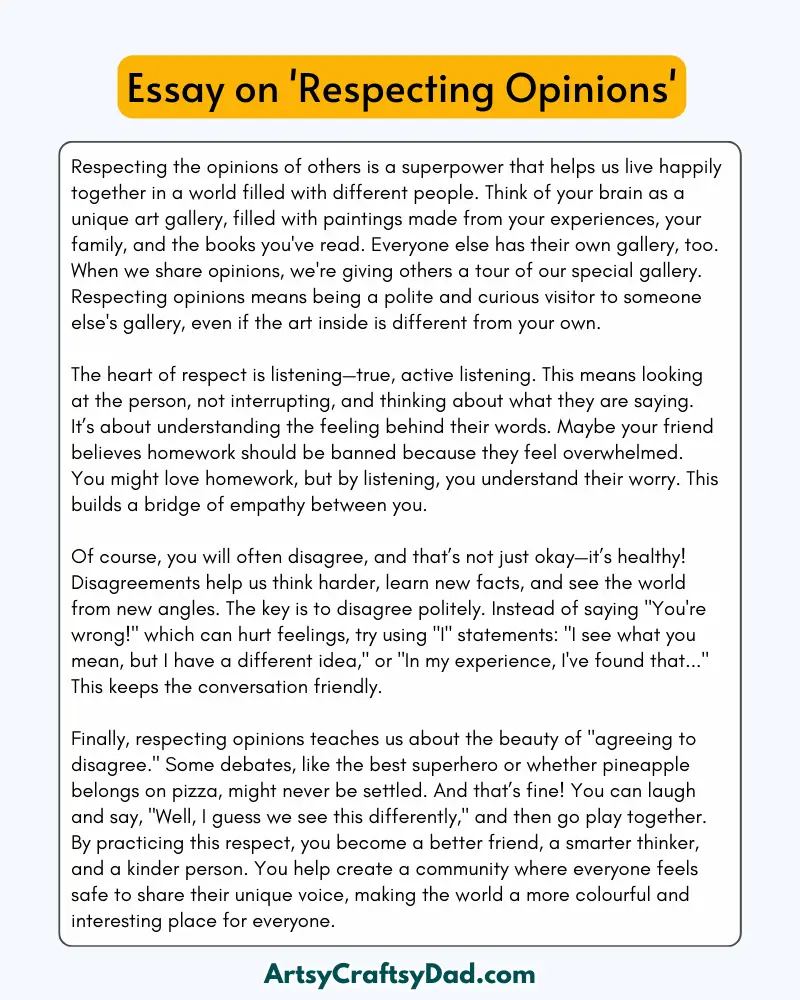
In a vibrant community—whether it’s a classroom, a team, or a family—you’ll find a wonderful mix of thoughts, beliefs, and preferences. Respecting opinions is the essential skill that allows this mix to become a source of strength rather than conflict. It is the practice of honoring another person’s right to a viewpoint that differs from your own, recognizing that their perspective is as real and important to them as yours is to you.
This respect begins with a fundamental truth: our opinions are shaped by our unique life stories—the books we’ve read, the places we’ve been, and the experiences we’ve had. When someone prefers art to science or sees a solution you didn’t, they are sharing a piece of their personal world. To disrespect that is to disrespect a part of who they are. True respect involves active listening—suspending your own judgment for a moment to genuinely seek understanding. It means asking curious questions instead of launching into a debate.
Respecting opinions does not require you to abandon your own convictions. You can hold firm to your beliefs while still treating the other person with dignity. Phrases like “That’s an interesting point I hadn’t considered” or “I understand where you’re coming from, though I see it this way” allow for disagreement without damage. This practice is the bedrock of democracy, scientific progress, and deep friendships. It allows teams to brainstorm the best ideas, families to navigate decisions, and societies to evolve.
Ultimately, a community that values respectful disagreement is a safe and innovative one. It teaches us humility, deepens our empathy, and often leads us to a more complete understanding of the truth. By choosing to respect opinions, we choose to build a world where everyone has a voice and where our differences don’t divide us, but enrich us all.
Related Essay & Paragraph Topics
- Value of Different Opinions
- Learning to Respect Ideas
- Accepting Different Thoughts
- Respect Makes Relationships Strong
- Living Peacefully with Different Views
You May like this:
Learning Through Experiments
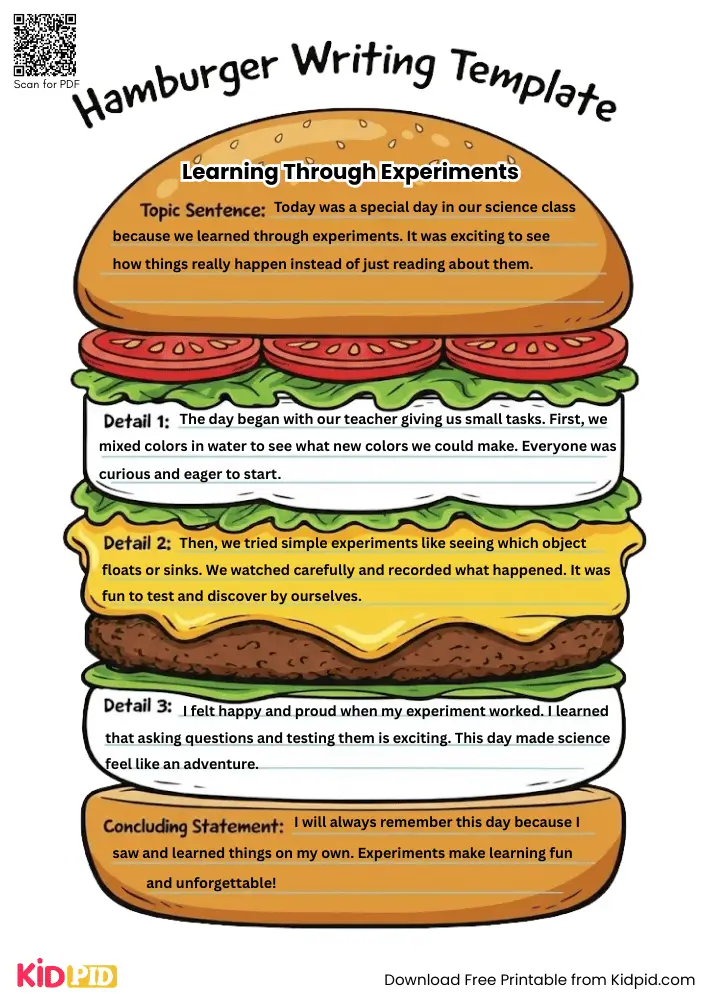
Experiments make learning practical, engaging, and memorable. Hands-on activities improve scientific thinking, problem-solving, curiosity, and concept clarity. Experimental learning boosts innovation, observation skills, and deeper understanding, helping students connect theory.
Value Of School Friendships
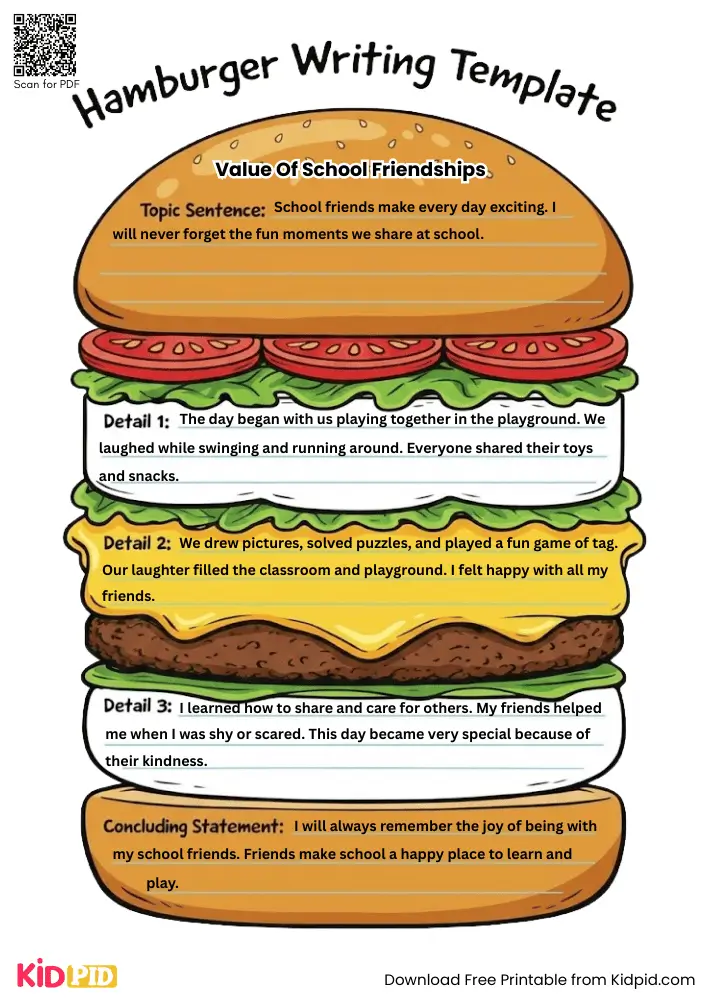
School friendships build emotional support, social skills, trust, and happiness. Strong peer relationships improve confidence, cooperation, mental wellbeing, and classroom engagement, creating memorable experiences and lifelong bonds that positively influence.
Learning From School Activities

School activities like sports, debates, art, and clubs enhance confidence, teamwork, creativity, and leadership. They support experiential learning, social skills, time management, and personality development, helping students discover talents and improve.
Importance Of School Assemblies

School assemblies build confidence, communication skills, discipline, and awareness. They promote student leadership, moral values, public speaking, teamwork, and school unity, making assemblies essential for holistic education, personality development, growth.
How Group Study Helps Students
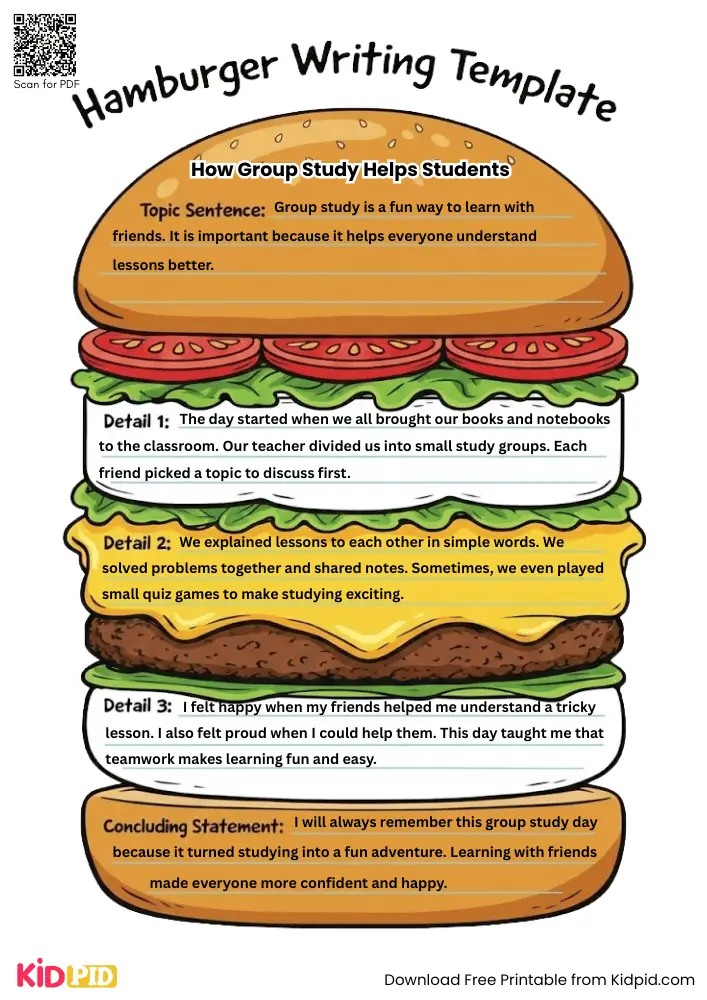
Group study improves understanding, teamwork, and communication. Sharing ideas strengthens learning and motivation.