Learning discipline in public places helps children stay safe and respectful. By waiting in line, speaking politely, keeping surroundings clean, and following rules, kids learn responsibility and good manners. Practicing these habits daily creates peaceful, safe, and enjoyable public spaces and helps children grow into thoughtful, caring members of society.
5 Pointers on ‘Learning Discipline in Public Places’
- Always stand in line and wait for your turn patiently.
- Speak politely and avoid shouting or disturbing others.
- Keep public places clean by using dustbins for trash.
- Follow rules in parks, buses, trains, and other public areas.
- Respect other people’s space and belongings while in public.
‘Learning Discipline in Public Places’ Paragraph Writing
Hamburger Paragraph on ‘Learning Discipline in Public Places’ (Free Template)

Topic Sentence: Today, we went to the city park, and it was an exciting day. It was important because we learned how to behave well in public places.
Details 1: The day began when our teacher explained the rules of the park. We were told to wait for our turns and speak politely. Everyone lined up and got ready for the activities calmly.
Details 2: We played games and had fun on the swings and slides. We made sure to throw our trash in the bins. Everyone waited patiently for their turn and respected each other’s space.
Details 3: I felt proud to follow the rules and see others do the same. We learned that behaving well makes everyone happy. The day became special because we understood the importance of discipline in public.
Concluding Statement: This day will always be remembered because it taught us to be responsible. Following rules in public makes life safe and enjoyable for everyone.
Short Paragraph on ‘Learning Discipline in Public Places’ – 50 Words for Grade 3
Discipline in public places means following rules and behaving well. Children should wait for turns, speak politely, and keep places clean. Respecting others’ space and belongings is important. Practicing discipline makes public areas safe and peaceful. Small actions help children become responsible and thoughtful citizens.
Long Paragraph on ‘Learning Discipline in Public Places’ – 100 Words for Grade 4
Learning discipline in public places is very important for children. It means following rules, waiting for turns, and speaking politely. Children should keep parks, streets, and buses clean by using dustbins. Respecting other people’s space and belongings is also important. Practicing discipline helps prevent accidents and keeps everyone safe. Children who behave well in public learn responsibility, good manners, and self-control. These habits make public spaces peaceful and enjoyable. Small daily actions like waiting patiently or throwing waste in a bin teach children to become respectful, thoughtful, and responsible members of society.
‘Learning Discipline in Public Places’ Essay Writing
‘Learning Discipline in Public Places’—150 to 200 Words Essay for Grades 5 to 7 Students
Learning discipline in public places is about being a good member of our community team. It means understanding that when we are out in shared spaces like libraries, parks, museums, or buses, our actions affect everyone around us. This kind of discipline isn’t about strict rules; it’s about respect, awareness, and kindness.
We show this by using gentle voices so we don’t disturb people, by patiently waiting for our turn without pushing, and by always putting our trash in the bin to keep spaces clean and beautiful. It also means following simple safety rules, like walking indoors or holding an adult’s hand in a busy lot, to protect ourselves and others. When we practice this public discipline, we create a peaceful and pleasant environment for all. We become considerate citizens who make trips out fun and stress-free for our families and for strangers, too. It’s a simple way to show we care about our shared world.
‘Learning Discipline in Public Places’ – 300 Words Essay for Grades 8 to 10 Students

Learning discipline in public places is a vital life skill that turns us from individuals into considerate members of society. It’s the practice of self-control and awareness that ensures shared spaces—from playgrounds and movie theaters to buses and museums—remain safe, peaceful, and enjoyable for everyone. This discipline is the invisible glue that holds our community together when we are out in the world.
At its heart, public discipline is built on respect. It’s respecting other people’s right to enjoy a space without loud interruptions, which is why we use indoor voices. It’s respecting the hard work of caretakers and our environment, which is why we never litter and leave places cleaner than we found them. It’s also about safety. Following rules like not running on wet pool decks, staying seated on a bus, or holding hands in a crowd protects not just us, but also those around us from accidental harm.
Furthermore, this discipline teaches us patience and fairness. Waiting calmly in a line teaches us that everyone gets a turn, and rushing or cutting is unfair to others. It also involves spatial awareness—keeping our bags close on a train so others can sit, or not blocking an aisle in a store. By practicing these habits, we show empathy. We think about how our actions might make someone else feel—annoyed, uncomfortable, or even unsafe.
Mastering this skill makes public outings smoother and more pleasant for our families and for strangers. It signals to the world that we are growing into responsible, thoughtful individuals. Ultimately, discipline in public isn’t about restriction; it’s about freedom. It’s the freedom to coexist harmoniously with hundreds of other people, ensuring that our shared world works well for all, creating a community built on mutual care and courtesy.
Related Essay & Paragraph Topics
- Good Manners in Public Places
- How Children Can Behave in Public
- Learning Patience and Respect Outside Home
- Discipline for Safety and Peace
- Following Rules in Shared Spaces
You May like this:
Understanding Feelings
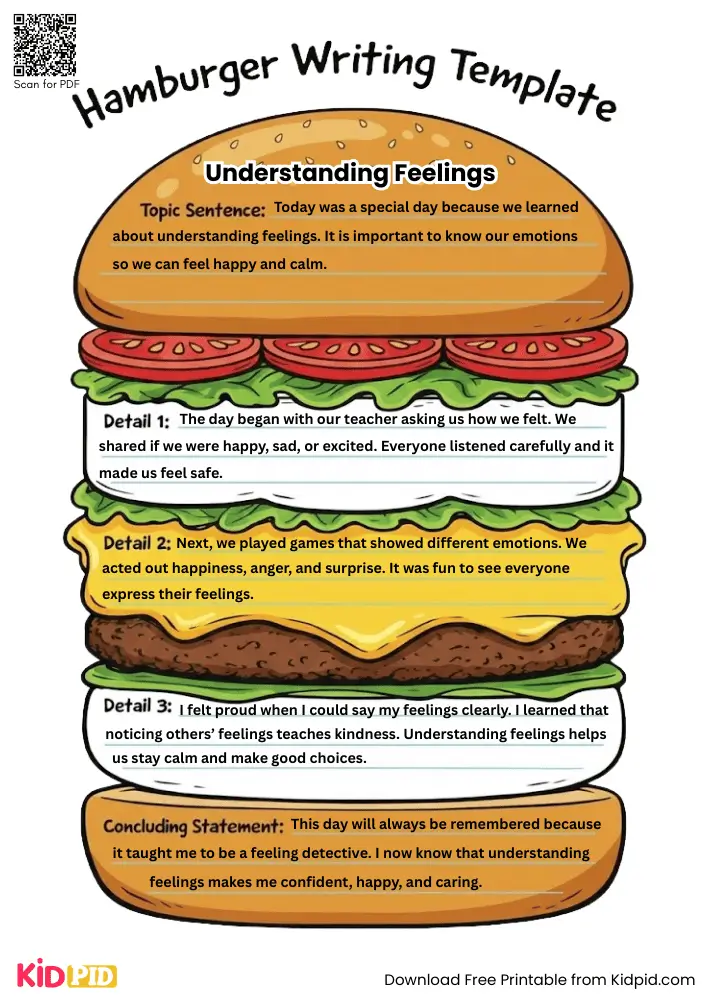
Understanding emotions improves self-awareness, relationships, and emotional intelligence. Recognizing feelings helps individuals communicate better, manage reactions, and build empathy while supporting mental health and personal growth.
Accepting Emotions
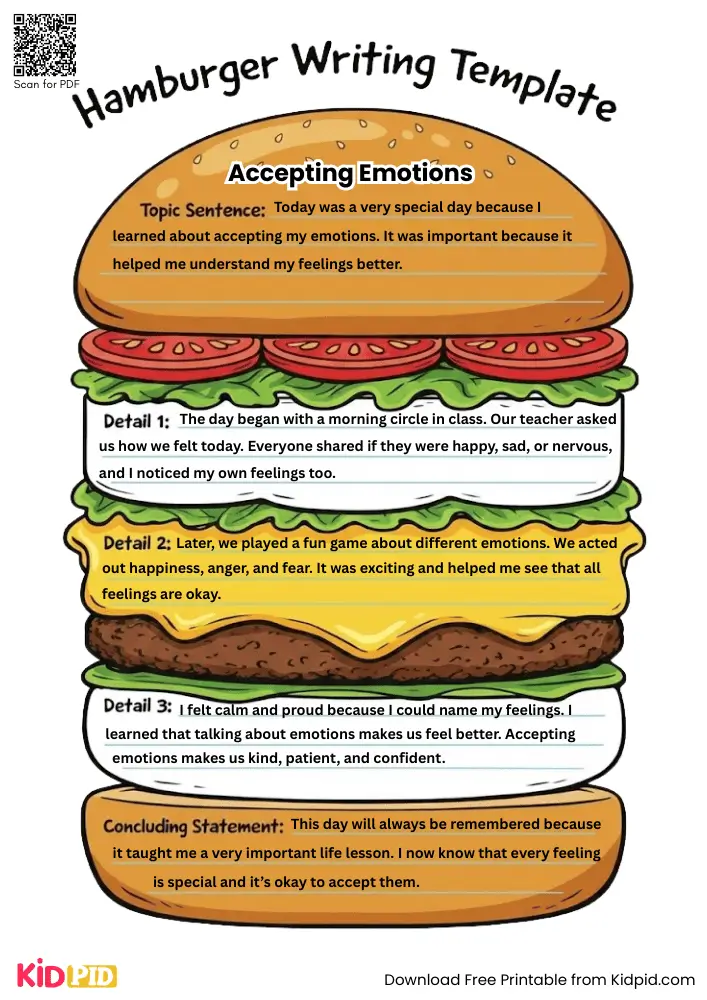
Accepting emotions strengthens self-awareness, resilience, and mental health. Recognizing feelings without judgment encourages emotional balance, reduces stress, and promotes personal understanding and maturity.
Developing Emotional Balance
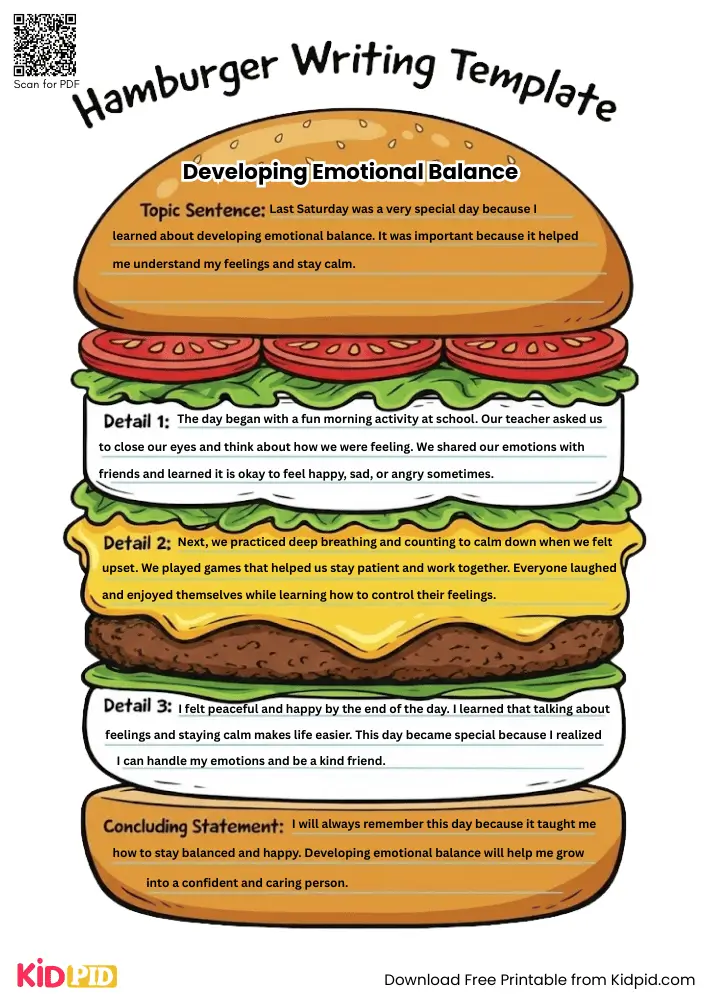
Emotional balance improves stability, decision-making, and relationships. Managing stress, practicing mindfulness, and maintaining perspective help individuals stay calm, focused, and resilient during challenges.
Handling Disappointment
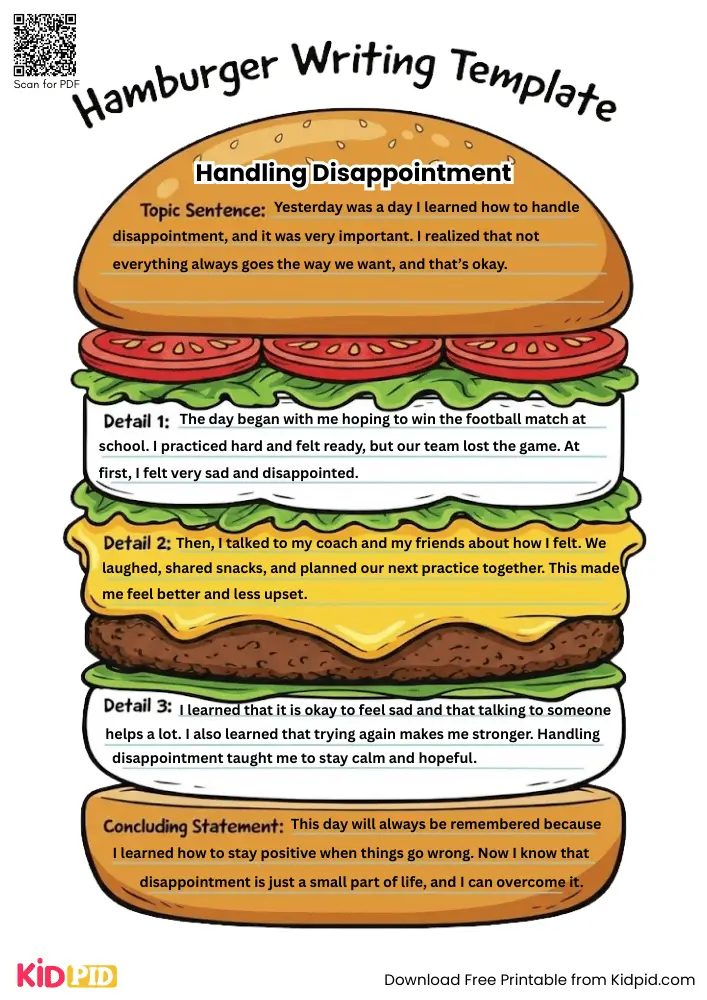
Managing disappointment builds resilience, patience, and emotional maturity. Accepting setbacks calmly encourages growth, learning, and renewed motivation to move forward.
Emotional Awareness

Emotional awareness improves self-control, empathy, and communication. Recognizing feelings helps individuals manage stress, build relationships, and maintain mental balance.