Learning problem-solving through experience helps children understand how to handle real-life challenges with confidence. When we face mistakes, try again, and learn from outcomes, our thinking becomes sharper. Experience teaches us patience, creativity, and better decision-making, making everyday problems easier to solve.
5 Pointers on “Learning Problem-Solving Through Experience”
- Experience teaches us what works and what does not.
- Making mistakes helps us understand problems better.
- Real-life situations improve thinking and decision-making skills.
- Solving problems builds confidence and independence.
- Learning from experience helps us face future challenges wisely.
‘Learning Problem-Solving Through Experience’ Paragraph Writing
Hamburger Paragraph on ‘Learning Problem-Solving Through Experience’ (Free Template)

Topic Sentence: Yesterday was an unforgettable day for learning problem-solving through experience. I realized that figuring things out myself is the best way to learn.
Detail 1: The day started with a tricky Lego project. My tall castle kept falling over. I could have asked for help, but I decided to try different ways myself.
Detail 2: I pressed the bricks tighter and used a bigger base plate. At first, it still fell, but I tried again. After some experiments, my castle finally stood tall!
Detail 3: I felt so proud and happy. I learned that mistakes are lessons in disguise. This day became special because I discovered the fun of solving problems on my own.
Concluding Statement: I will always remember this day because it taught me to trust my ideas. Now I know I can face any challenge with patience and practice.
Short Paragraph on ‘Learning Problem-Solving Through Experience’ – 50 Words for Grade 3
Learning to solve problems is like playing a new game. At first, it’s hard. You try, make mistakes, and try again. Each time you fix a small problem, you learn a little more. Soon, you get better and feel proud. Practice makes you a great problem-solver!
Long Paragraph on ‘Learning Problem-Solving Through Experience’ – 100 Words for Grade 4

Learning to solve problems happens best by doing. Think of it like learning to ride a bike. You might fall a few times. But each fall teaches you how to balance better. Every small challenge you face is practice. Maybe you fix a broken toy or solve a tough puzzle. When you figure it out yourself, you remember the solution. You also learn not to give up. This experience makes you stronger and smarter. So next time you see a problem, you’ll know you can handle it. Just keep trying!
‘Learning Problem-Solving Through Experience Wisely’ Essay Writing
‘Learning Problem-Solving Through Experience’ – 150 to 200 Words Essay for Grades 5 to 6
Learning to solve problems is like being a detective on an adventure! The very best way to learn isn’t just by being told the answers, but by trying things out yourself. Imagine you’re building a tall Lego castle and it keeps tipping over. You could just ask someone to fix it, but if you experiment—maybe by pressing the bricks tighter, or using a bigger plate for the bottom—you discover the solution yourself. That amazing “Aha!” moment is a superpower you give yourself!
When you learn through experience, you’re not just solving one puzzle. You’re training your brain. You learn that it’s okay to try different ideas, that a “mistake” is really just a lesson in disguise, and that the feeling of finally figuring it out is the best reward ever. Each small problem you face, from tying your shoes to working on a team project, makes you a stronger and smarter thinker. So next time you face a challenge, dive in and experiment. You’re building your problem-solving muscles!
‘Learning Problem-Solving Through Experience’ – 300 Words Essay for Grades 7 to 10 Students

Think of your brain as a superhero, and its special power is problem-solving. But how does a superhero get strong? Not by watching others from the sidelines, but by jumping into action and practicing! Learning to solve problems through your own experience is the most powerful training there is.
Let’s say you get a new board game. Reading the rules is helpful, but you don’t really understand it until you play a few rounds. You might lose the first game because you made a wrong move. But that “wrong” move taught you a crucial rule or strategy. By the second game, you’ve already improved! This is learning in action. Your experience—the fun of playing and the frustration of losing—taught you more than just listening ever could.
This happens everywhere. When your model kit doesn’t fit together, you examine the pieces more carefully. When your soccer team keeps losing the ball, you try passing sooner. You are observing, testing ideas, and learning from what happens. Sometimes it’s frustrating, but that’s part of the journey. Every time you persist, you are building something called “resilience,” which means you bounce back stronger.
Adults can guide you, but the real magic happens when you do the thinking. If an adult always fixes your broken toy, you learn to depend on them. But if they give you a little hint and some tools, and you wrestle with the screws and wires, you learn how the toy works. Now, if it breaks again, you might just be able to fix it yourself! That feeling of independence and pride is incredible.
So, embrace challenges as your brain’s playground. Whether it’s a math problem, a disagreement with a friend, or a science experiment, dive in. Try, observe, adjust, and try again. With every experience, you’re not just solving one problem; you’re becoming a wiser, more creative, and unstoppable problem-solver for life.
Related Essay & Paragraph Topics
- How Experience Teaches Us to Solve Problems Better
- Learning Life Lessons by Facing and Solving Problems
- Growing Smarter Through Real-Life Problem-Solving
- Experience as the Best Teacher in Overcoming Challenges
- Solving Problems Step by Step Through Practice and Experience
You May like this:
Accepting Emotions
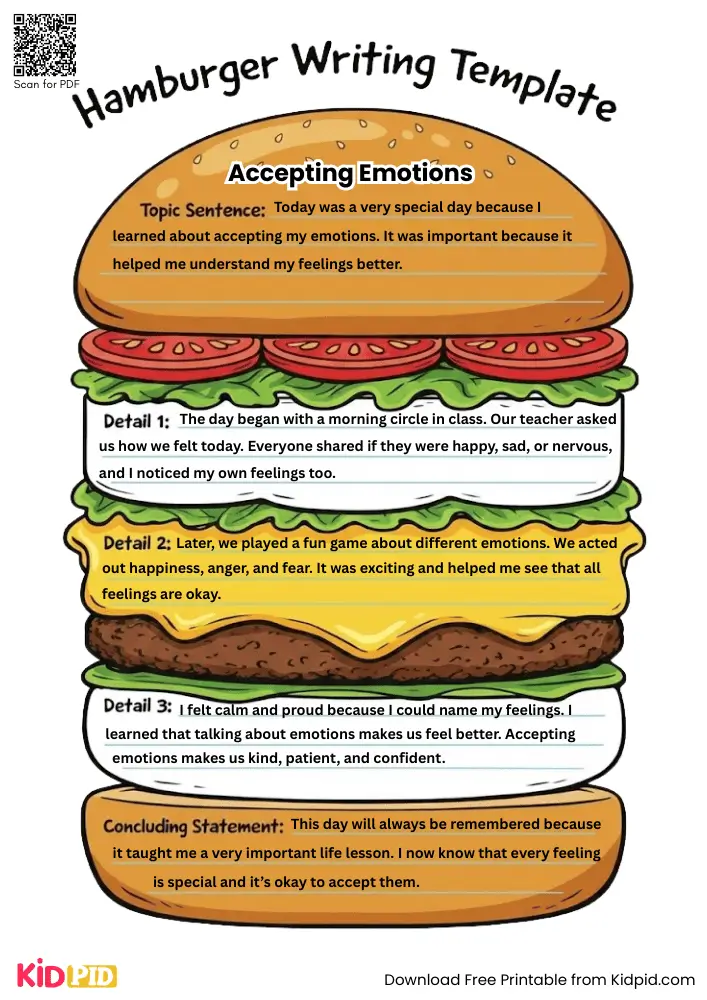
Accepting emotions strengthens self-awareness, resilience, and mental health. Recognizing feelings without judgment encourages emotional balance, reduces stress, and promotes personal understanding and maturity.
Developing Emotional Balance
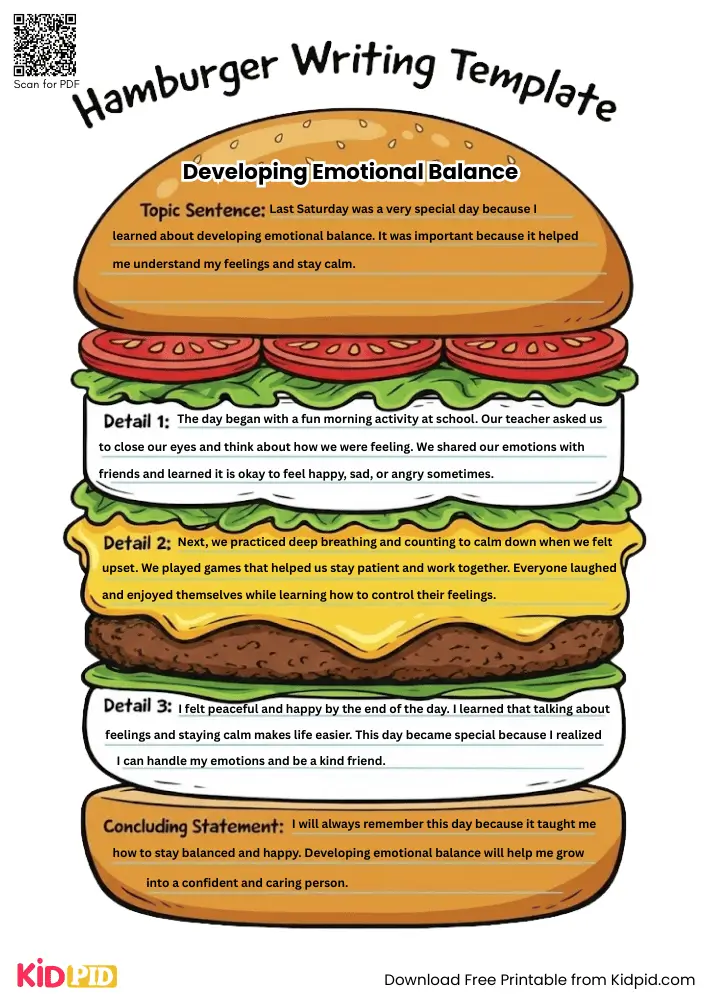
Emotional balance improves stability, decision-making, and relationships. Managing stress, practicing mindfulness, and maintaining perspective help individuals stay calm, focused, and resilient during challenges.
Handling Disappointment
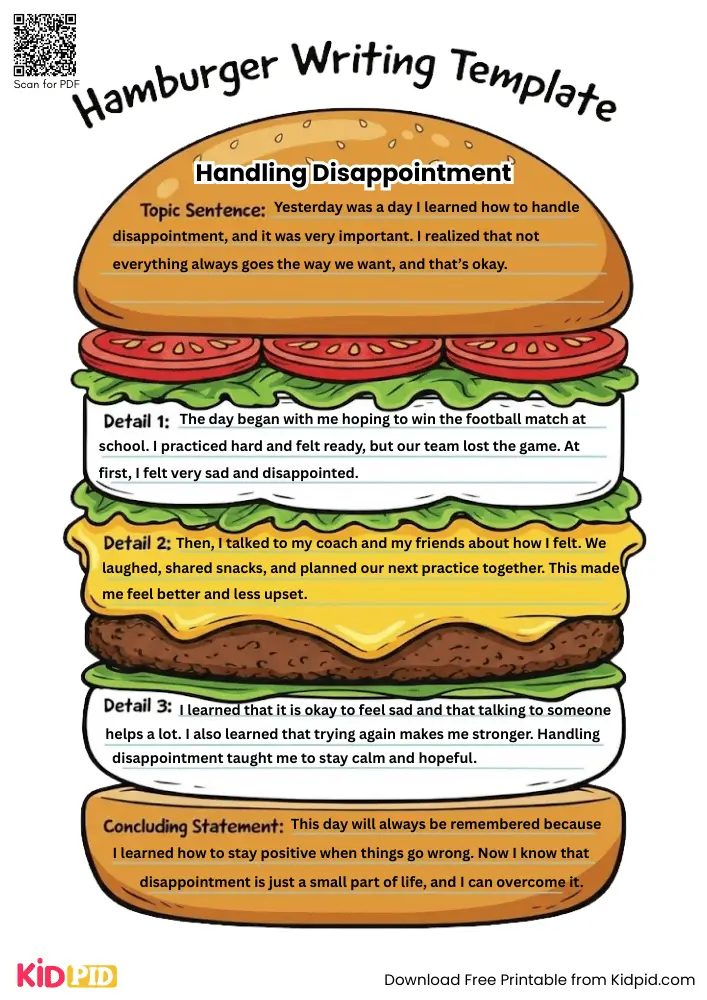
Managing disappointment builds resilience, patience, and emotional maturity. Accepting setbacks calmly encourages growth, learning, and renewed motivation to move forward.
Emotional Awareness

Emotional awareness improves self-control, empathy, and communication. Recognizing feelings helps individuals manage stress, build relationships, and maintain mental balance.
Living With Honesty

Honest living builds trust, credibility, and strong relationships. Truthful behavior supports integrity, ethical choices, and peaceful social interactions.