“Learning self-awareness helps children understand their thoughts, feelings, and actions more clearly. It teaches them to recognize emotions, discover strengths, and improve weak areas. By paying attention to daily behavior and accepting guidance, kids grow wiser and more confident. Knowing yourself is the first step toward personal growth and success.”
5 Pointers on “Learning Self-Awareness”
- Understand Your Feelings: Notice what makes you happy, sad, or angry.
- Recognize Your Strengths: Know what you are good at and what you enjoy doing.
- Notice Your Habits: Pay attention to your daily actions and routines.
- Reflect on Mistakes: Think about what went wrong and how you can improve.
- Listen to Feedback: Accept advice from friends, teachers, and family to grow.
‘Learning Self-Awareness’ Paragraph Writing
Hamburger Paragraph on ‘Learning Self-Awareness’ (Free Template)

Topic Sentence: Today was an unforgettable day because I learned about self-awareness. It helped me understand my feelings and thoughts in a new way.
Details 1: The day began with a story about a boy who noticed his feelings. We discussed how we feel when excited, frustrated, or proud. I shared my own feelings with the class.
Details 2: We did activities to discover our strengths and things we find tricky. I learned that I am good at drawing but need practice in reading aloud. It was fun to explore our talents.
Details 3: I felt happy and confident after knowing myself better. I learned how to make good choices and stay calm when upset. This day became special because I understood myself more.
Concluding Statement: I will always remember this day as a time I started learning about myself. Knowing my feelings helps me grow and be a better friend.
Short Paragraph on ‘Learning Self-Awareness’ – 50 Words for Grades 2 & 3
Learning self-awareness means understanding your own feelings and thoughts. It’s like looking in a mirror for your heart and mind. When you know what makes you happy, sad, or angry, you can handle your emotions better. It helps you be a better friend to yourself and others.
Long Paragraph on ‘Learning Self-Awareness’ – 100 Words for Grade 4

Learning self-awareness is about getting to know yourself better. It means noticing your feelings, like when you are excited, frustrated, or proud. It also means knowing what you are good at and what you find tricky. When you understand your feelings, you can choose how to act. For example, if you feel angry, you can take a deep breath instead of yelling. This helps you make good choices and be kind. Knowing yourself makes you stronger and helps you be a better friend. It’s a superpower that grows the more you practice it!
‘Learning Self-Awareness’ Essay Writing
‘Learning Self-Awareness’ – 150 to 200 Words Essay for Grades 5 to 7 Students
Learning self-awareness is like getting to know a very important person really well—yourself! It starts by paying attention to what’s happening inside you. How do you feel when you’re playing with your pet? What about when you can’t solve a puzzle? Being able to name those feelings is the first step. It’s also about noticing what you love to do and what you find tricky. Maybe you’re great at telling stories but feel nervous reading aloud. That’s okay! Knowing this helps you understand yourself better.
Another part is seeing how you fit with others. When you share your toy, how does your friend react? If you interrupt someone, how do they feel? Seeing these connections helps you be a better friend. Remember, self-awareness isn’t about being perfect. It’s about learning, growing, and being kind to yourself when things don’t go as planned. The more you understand yourself, the stronger and happier you become!
‘Learning Self-Awareness’ – 300 Words Essay for Grades 8 to 10 Students
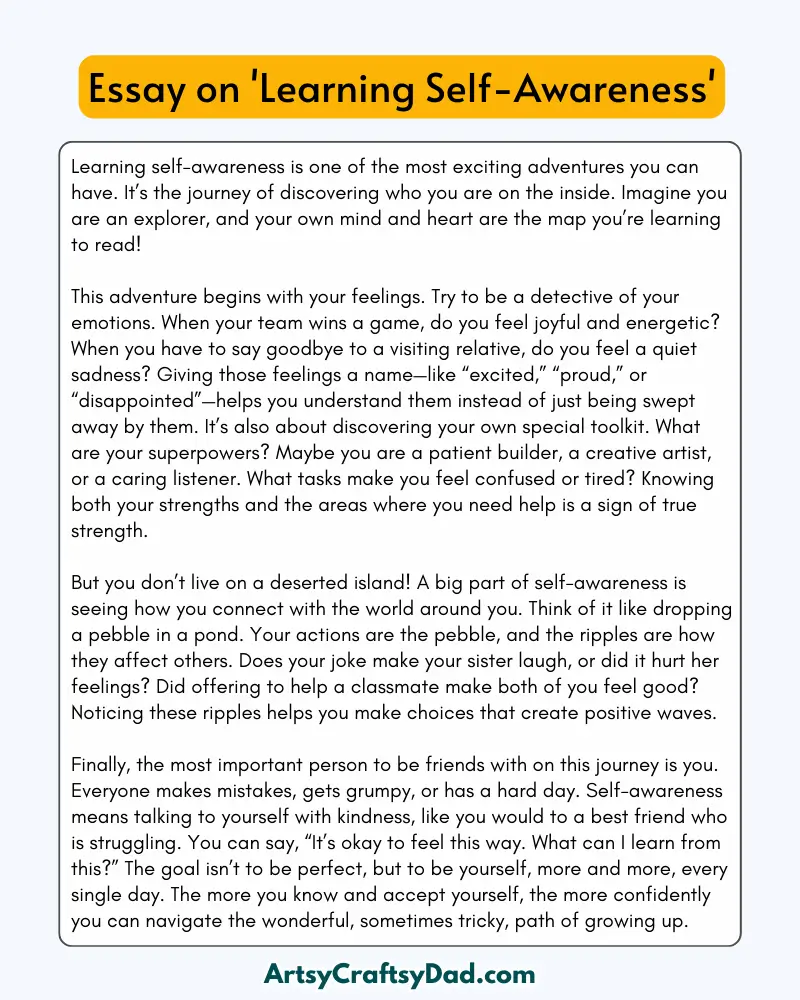
Learning self-awareness is one of the most exciting adventures you can have. It’s the journey of discovering who you are on the inside. Imagine you are an explorer, and your own mind and heart are the map you’re learning to read!
This adventure begins with your feelings. Try to be a detective of your emotions. When your team wins a game, do you feel joyful and energetic? When you have to say goodbye to a visiting relative, do you feel a quiet sadness? Giving those feelings a name—like “excited,” “proud,” or “disappointed”—helps you understand them instead of just being swept away by them. It’s also about discovering your own special toolkit. What are your superpowers? Maybe you are a patient builder, a creative artist, or a caring listener. What tasks make you feel confused or tired? Knowing both your strengths and the areas where you need help is a sign of true strength.
But you don’t live on a deserted island! A big part of self-awareness is seeing how you connect with the world around you. Think of it like dropping a pebble in a pond. Your actions are the pebble, and the ripples are how they affect others. Does your joke make your sister laugh, or did it hurt her feelings? Did offering to help a classmate make both of you feel good? Noticing these ripples helps you make choices that create positive waves.
Finally, the most important person to be friends with on this journey is you. Everyone makes mistakes, gets grumpy, or has a hard day. Self-awareness means talking to yourself with kindness, like you would to a best friend who is struggling. You can say, “It’s okay to feel this way. What can I learn from this?” The goal isn’t to be perfect, but to be yourself, more and more, every single day. The more you know and accept yourself, the more confidently you can navigate the wonderful, sometimes tricky, path of growing up.
Related Essay & Paragraph Topics
- The First Step to Self-Awareness
- Recognizing My Strengths and Weaknesses
- The Role of Emotions in Knowing Myself Better
- How Reflection Helps in Personal Growth
- Learning from Mistakes to Improve Self-Awareness
You May like this:
Living With Honesty

Honest living builds trust, credibility, and strong relationships. Truthful behavior supports integrity, ethical choices, and peaceful social interactions.
Emotional Awareness

Emotional awareness improves self-control, empathy, and communication. Recognizing feelings helps individuals manage stress, build relationships, and maintain mental balance.
Handling Disappointment
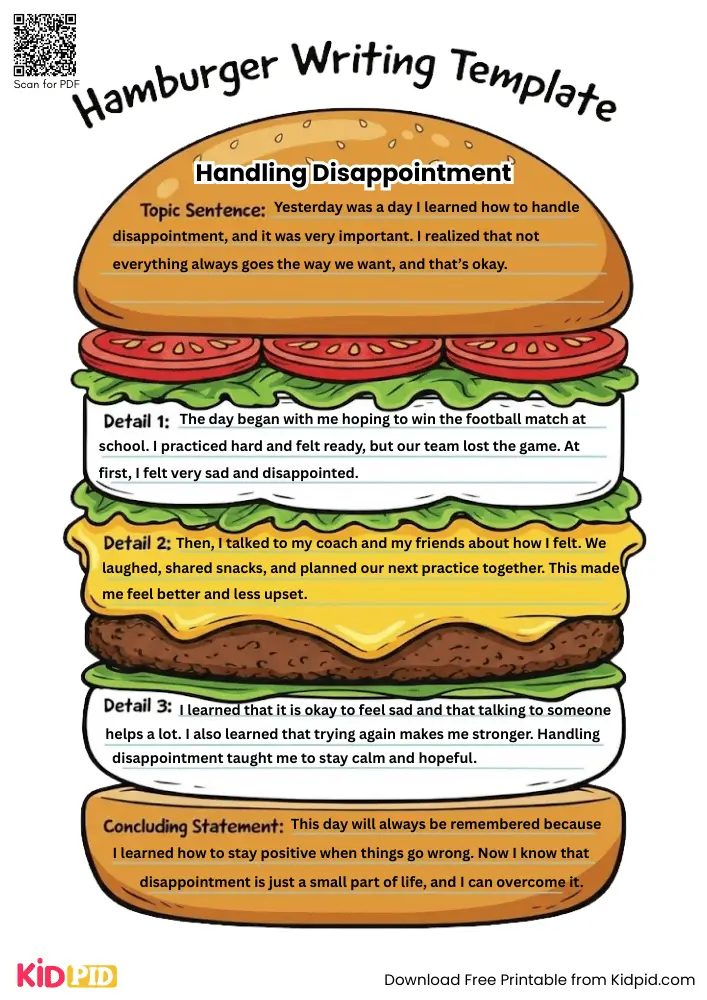
Managing disappointment builds resilience, patience, and emotional maturity. Accepting setbacks calmly encourages growth, learning, and renewed motivation to move forward.
Developing Emotional Balance
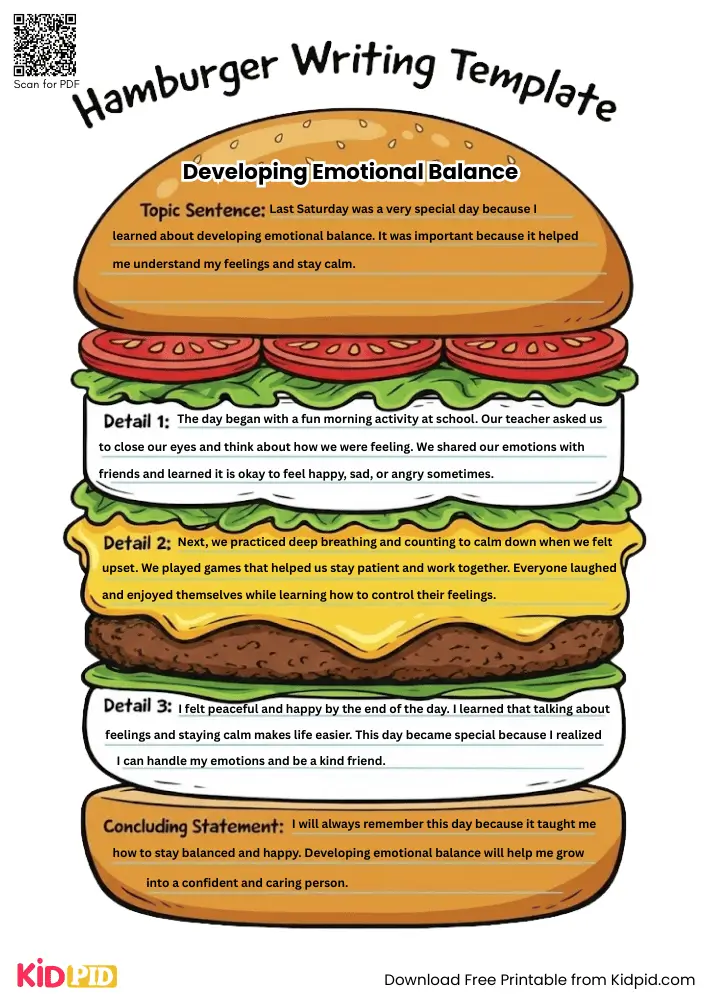
Emotional balance improves stability, decision-making, and relationships. Managing stress, practicing mindfulness, and maintaining perspective help individuals stay calm, focused, and resilient during challenges.
Accepting Emotions
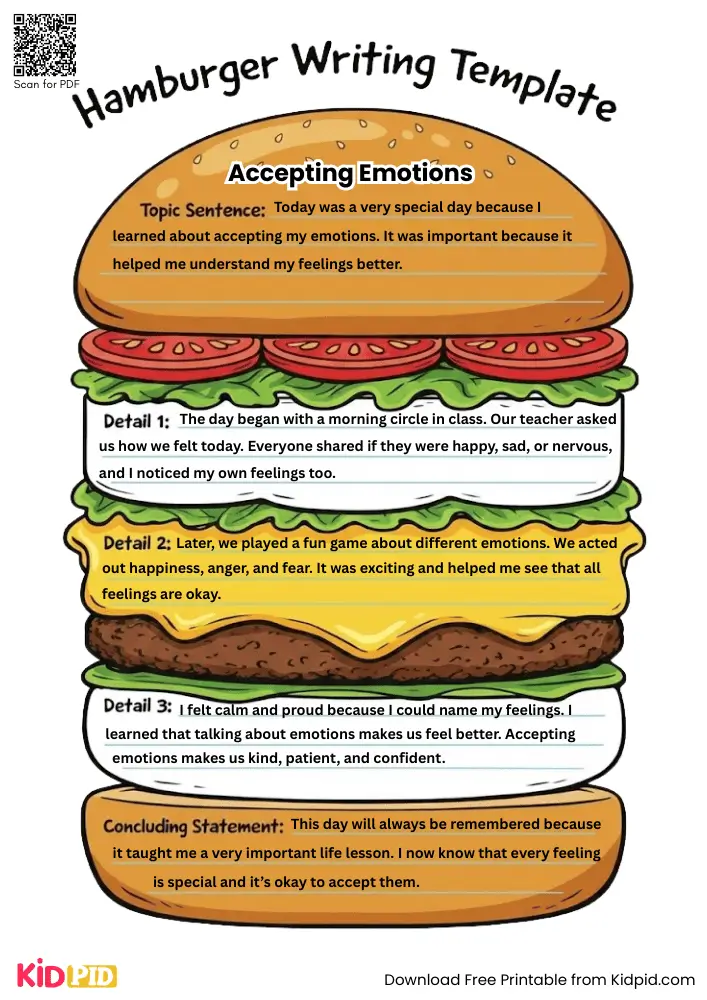
Accepting emotions strengthens self-awareness, resilience, and mental health. Recognizing feelings without judgment encourages emotional balance, reduces stress, and promotes personal understanding and maturity.